
Toilette of Belinda — History & Facts
A cascade of golden hair, a glance both distant and absorbed, and the shimmer of pearls: the eye is drawn first to the languid elegance of the woman at her toilette. The painter, Antonio Bellucci, invites us into an intimate moment, where the act of braiding hair becomes a quiet performance of beauty and self-regard. The soft drapery behind her frames the scene like a stage, while the gentle light caresses her bare shoulder and the curve of her cheek, lending warmth and softness to her skin.
A child, perhaps a page or Cupid, holds up a mirror, but the viewer is left to wonder whether she admires her own reflection or is lost in thought. This is a world of private luxury, where every detail is chosen to delight the senses and signal refinement. The ornate jewelry box, the scattered pearls, and the delicate fabric all speak of wealth and taste, but it is the interplay of gazes and gestures that animates the painting. The woman's fingers weave through her braid with practiced care, suggesting both vanity and ritual, while the child’s posture hints at service or playful complicity.
Such scenes of the toilette were a favorite of seventeenth-century painters, who used them to explore themes of beauty, virtue, and sometimes the fleeting nature of youth. Painted in the 17th century, as documented by its listing with Dorotheum (Lot No. 106), this work stands as a testament to the era’s fascination with the private lives of women and the theatricality of everyday moments.
The longer one looks, the more the painting reveals its quiet drama.
More Artworks by Antonio Bellucci

Hercules in the Palace of Omphale
Antonio Bellucci
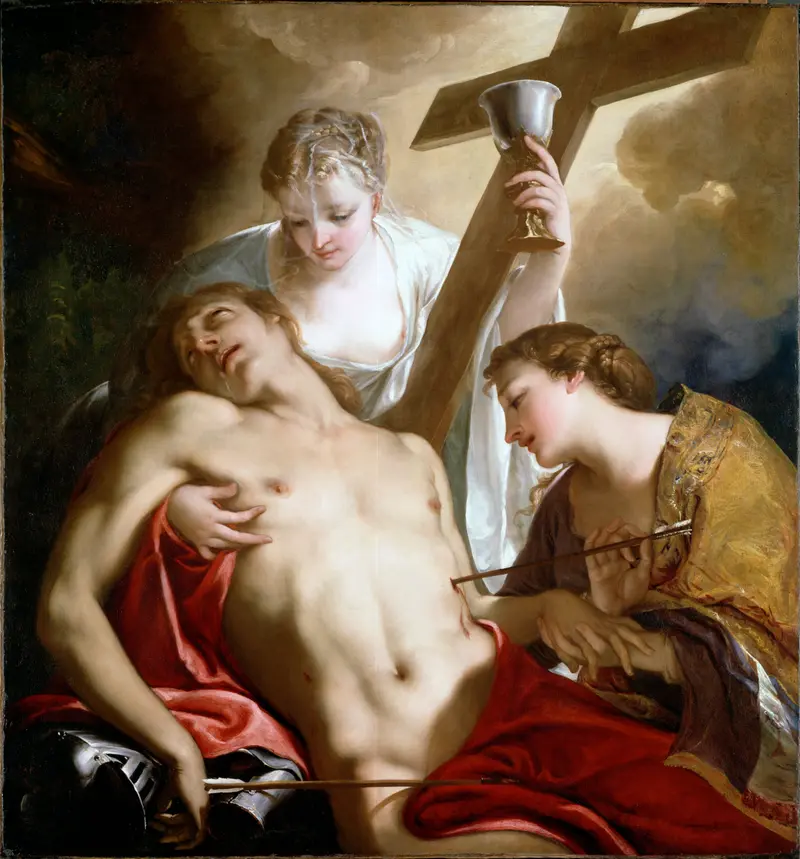
Saint Sebastian
Antonio Bellucci
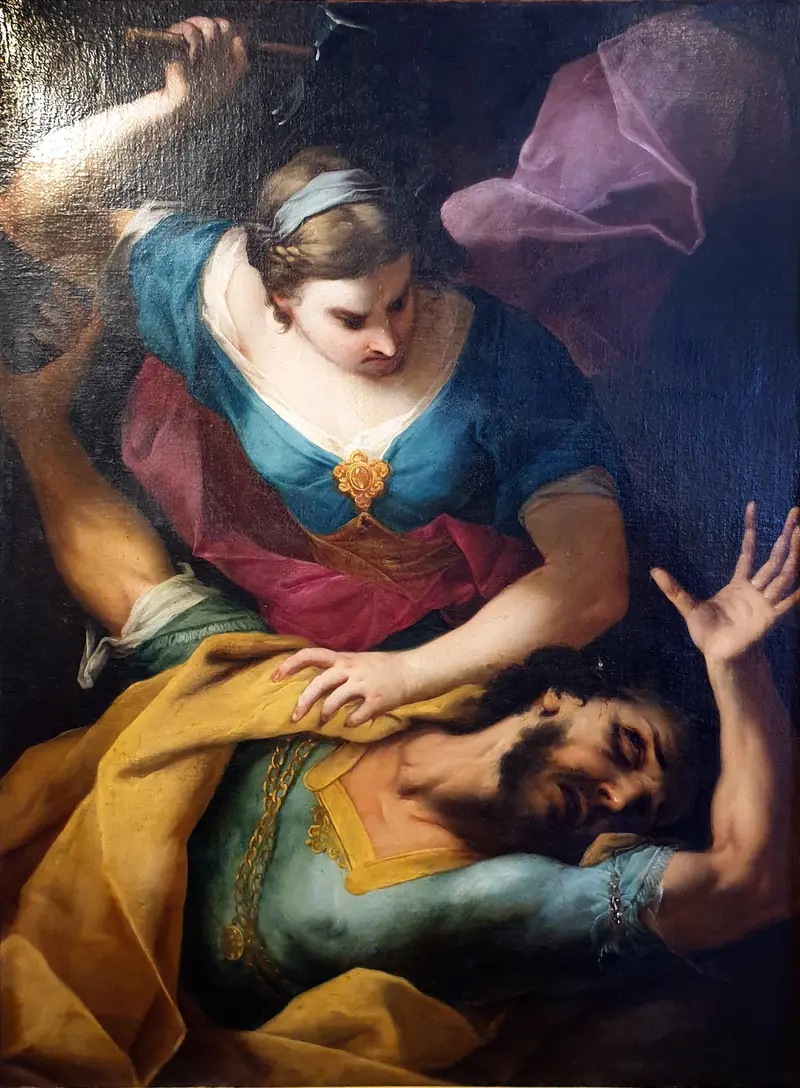
Jael slays the sleeping Canaanite commander Sissera
Antonio Bellucci
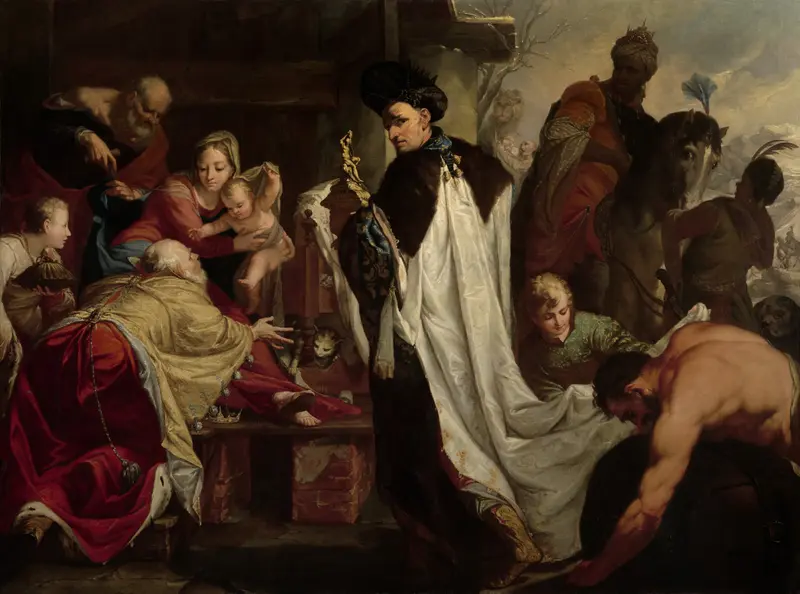
The Adoration of the Magi
Antonio Bellucci

Reverence to Elector Johann Wilhelm von der Pfalz – Design for a Ceiling Painting for Bensberg Castl...
Antonio Bellucci
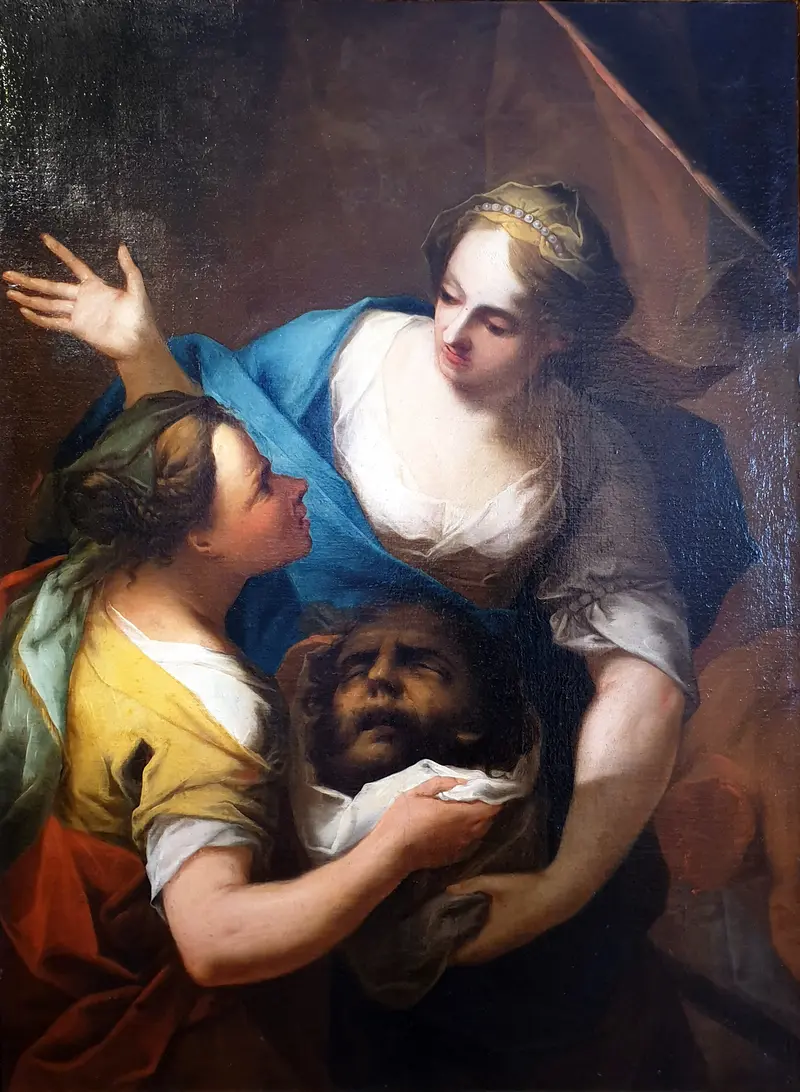
Judith hands her maid the head of Holofernes
Antonio Bellucci
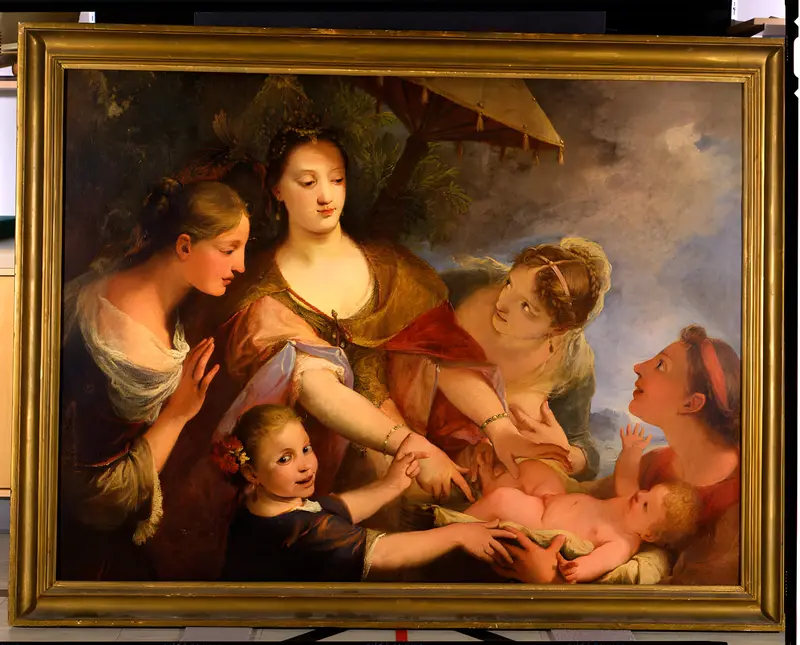
Discovery of the Infant Moses
Antonio Bellucci
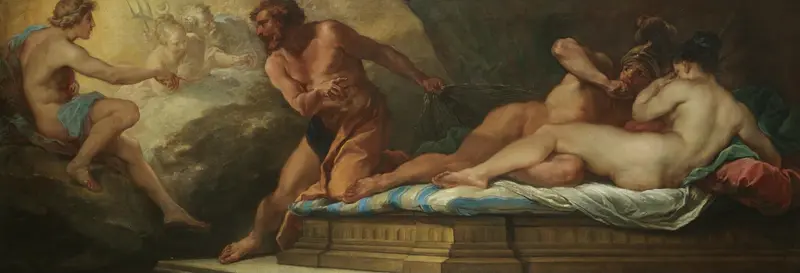
Mars and Venus Entrapped by Vulcan
Antonio Bellucci
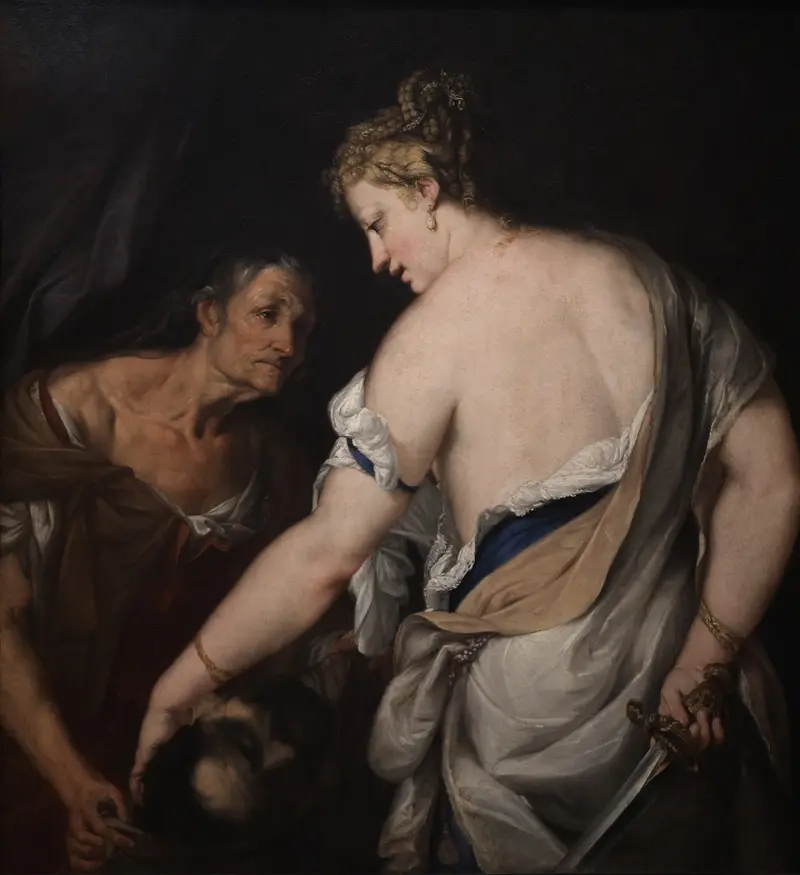
Judith and Holofernes
Antonio Bellucci
More Genre Scene Art

Banquet of the Officers of the St George Civic Guard
Frans Hals

Rembrandt and Saskia in the Scene of the Prodigal Son
Rembrandt van Rijn

Bal du moulin de la Galette
Pierre-Auguste Renoir

Quadrille at the Moulin Rouge
Henri de Toulouse-Lautrec

A Burial at Ornans
Gustave Courbet

When Will You Marry?
Paul Gauguin