Jug — History & Facts
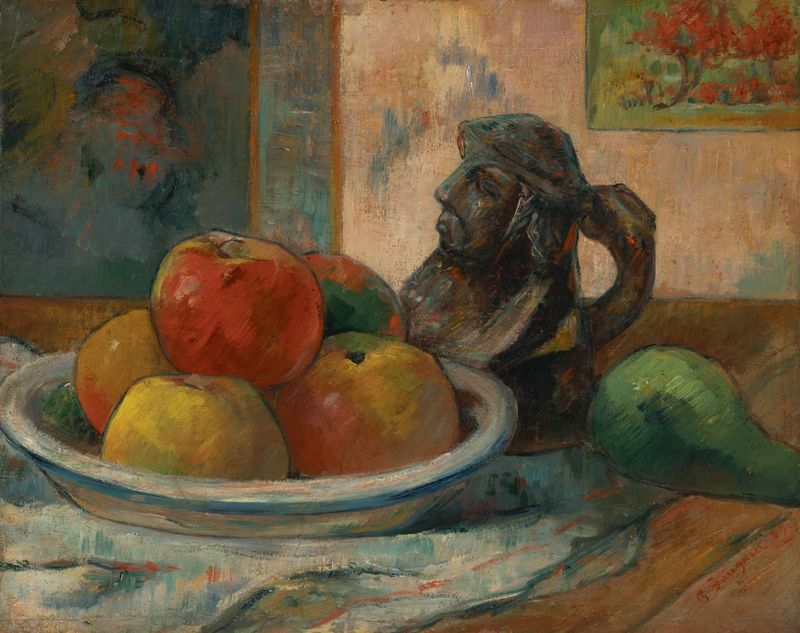
Is this a mirror — or a memory? In the stillness of the 17th century, a simple jug emerges, evoking a sense of void that resonates deeply within the viewer. It stands as an emblem of domesticity, yet carries the weight of unresolved narratives hidden within its ceramic curves. Focus on the textured surface of the jug, where light dances in subtle reflections, revealing an interplay of shadow and illumination. Notice how the muted earth tones harmonize with the natural imperfections, lending the piece an air of authenticity and life.
The composition directs your gaze, inviting you to explore the contours, while the surrounding emptiness amplifies its significance, suggesting the absence of the very memories it symbolizes. Amidst this still life lies a poignant irony — the absence of figures emphasizes a world filled with human stories left untold. The jug stands alone, yet it hints at gatherings, laughter, and quiet moments shared over the simple act of pouring. It speaks to the fragility of memory itself, reminding us that even objects can be repositories of sentiment and history, embodying both presence and absence in their existence. Created between 1650 and 1699, this piece reflects an era marked by both artistic flourishing and the rise of domestic scenes in the Netherlandish tradition.
The artist, now unknown, contributed to a growing appreciation for genre painting, which increasingly focused on the intimate rituals of everyday life, revealing the complexities and nuances of human experience during a time of cultural change.
More Artworks by Unknown Artist
Browse all →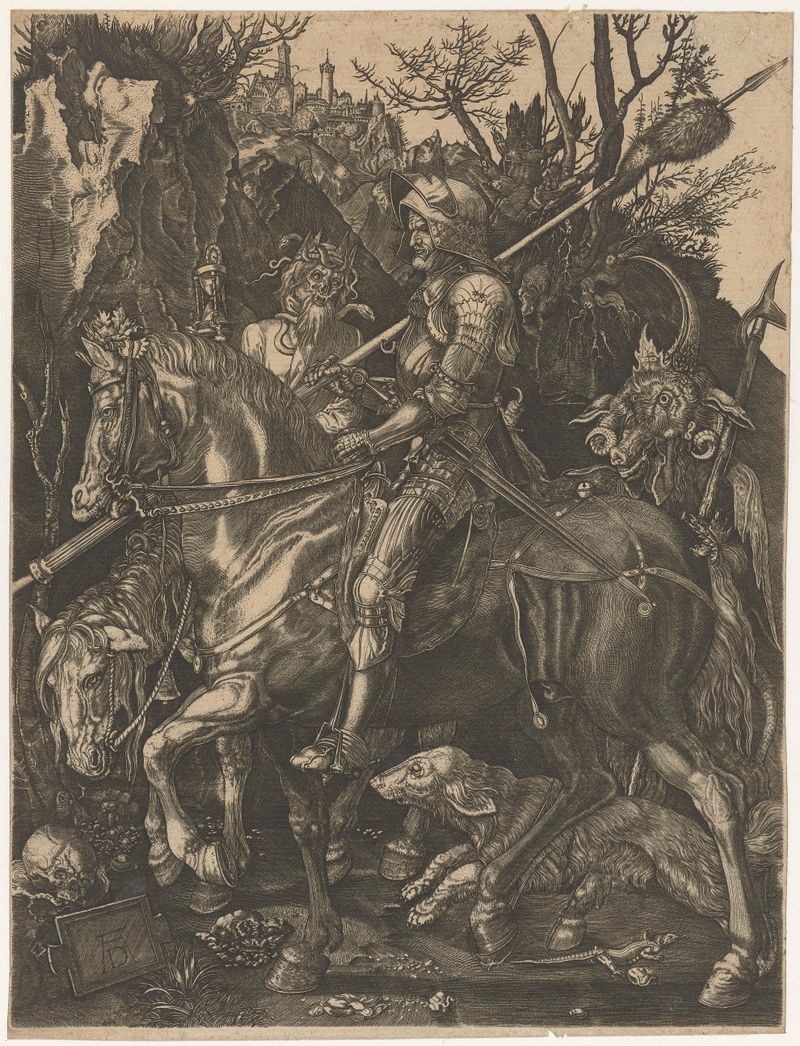
Ridder, Dood en Duivel
Unknown Artist
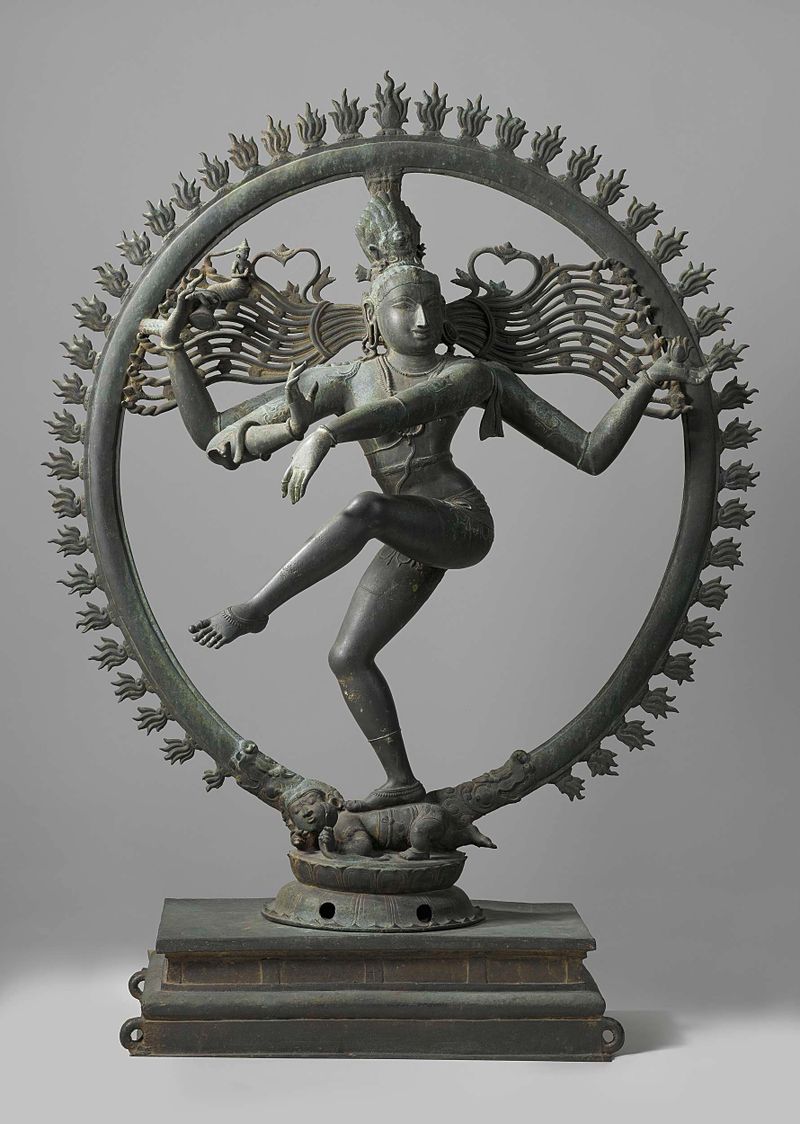
Shiva Nataraja
Unknown Artist
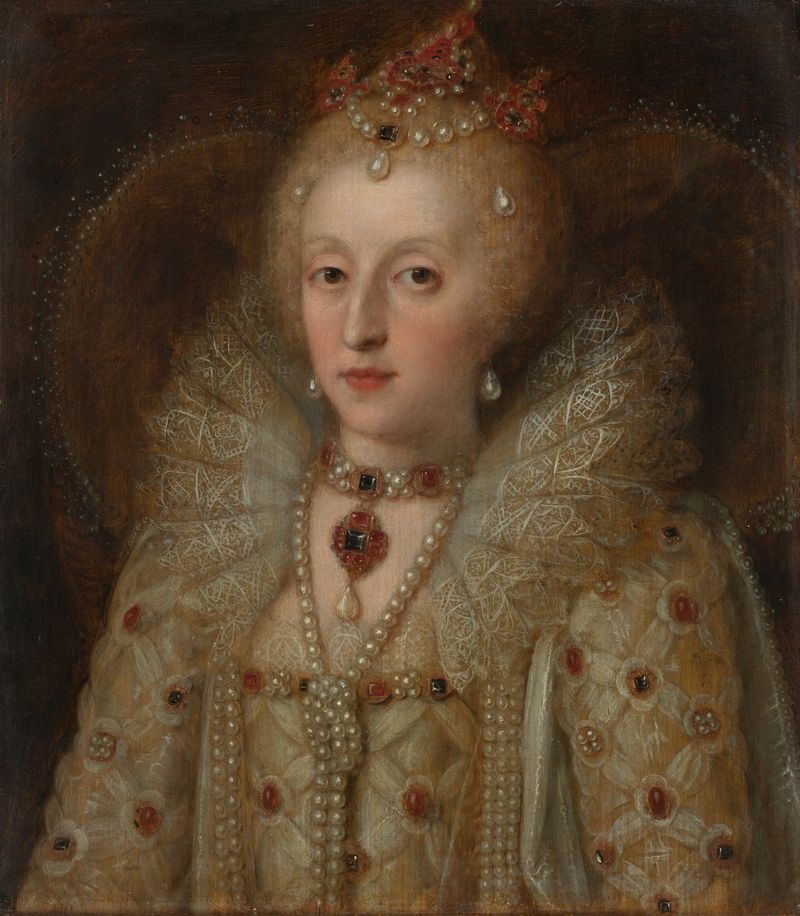
Portrait of Elizabeth I, Queen of England
Unknown Artist
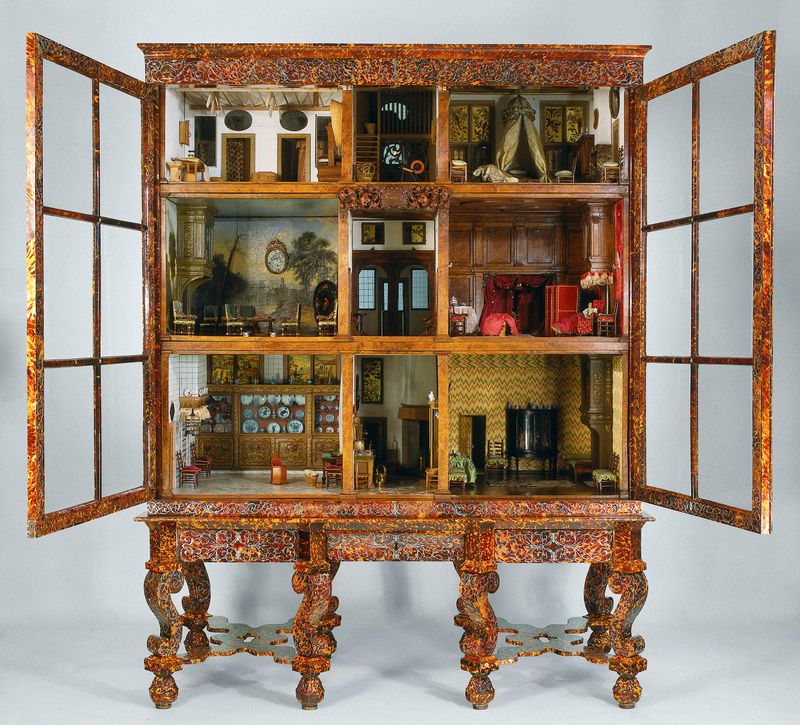
Dolls’ house of Petronella Oortman
Unknown Artist
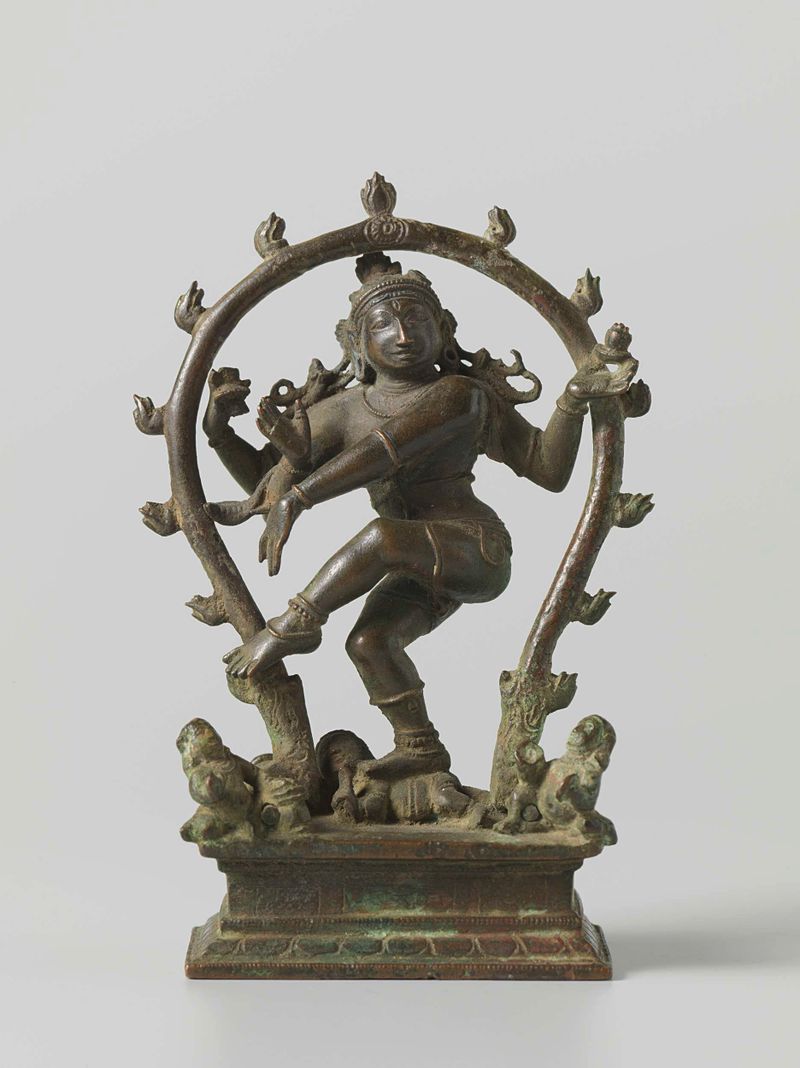
Shiva Nataraja
Unknown Artist

The Tale of Genji
Unknown Artist

The Tale of Genji
Unknown Artist
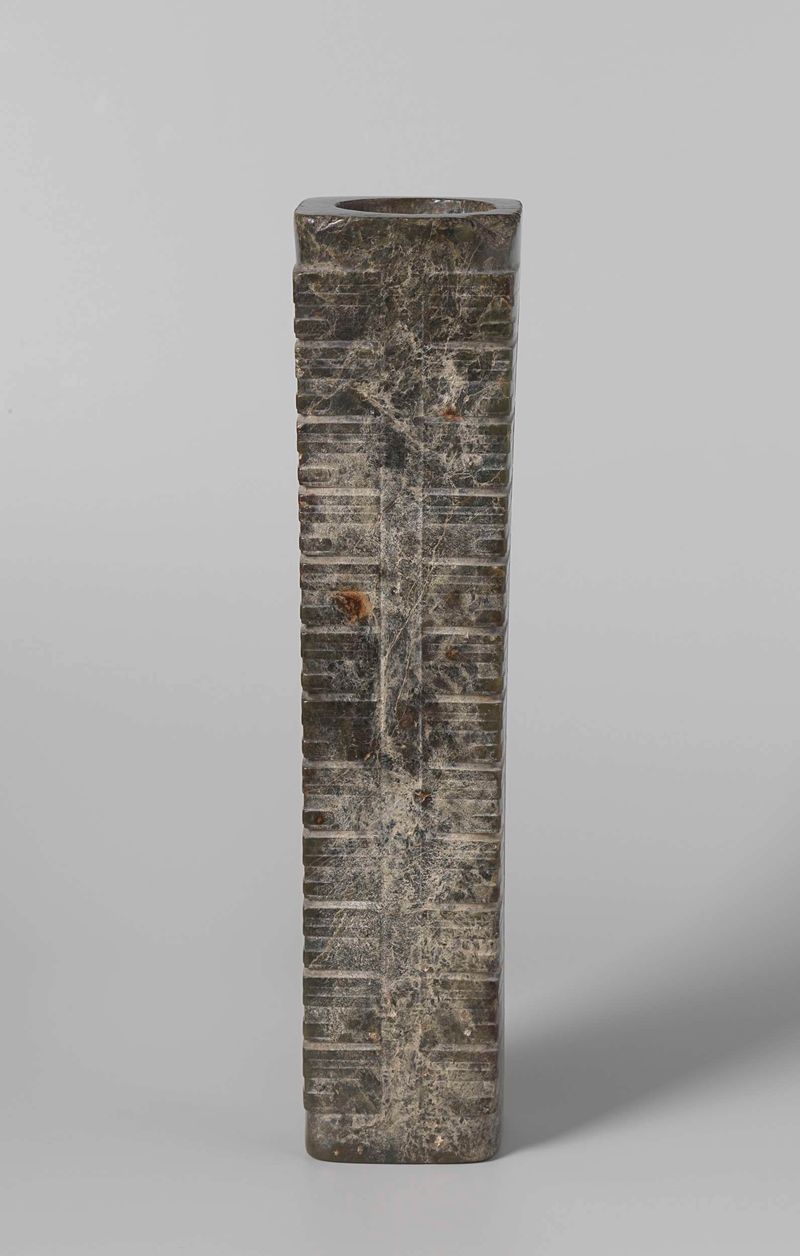
Cong
Unknown Artist
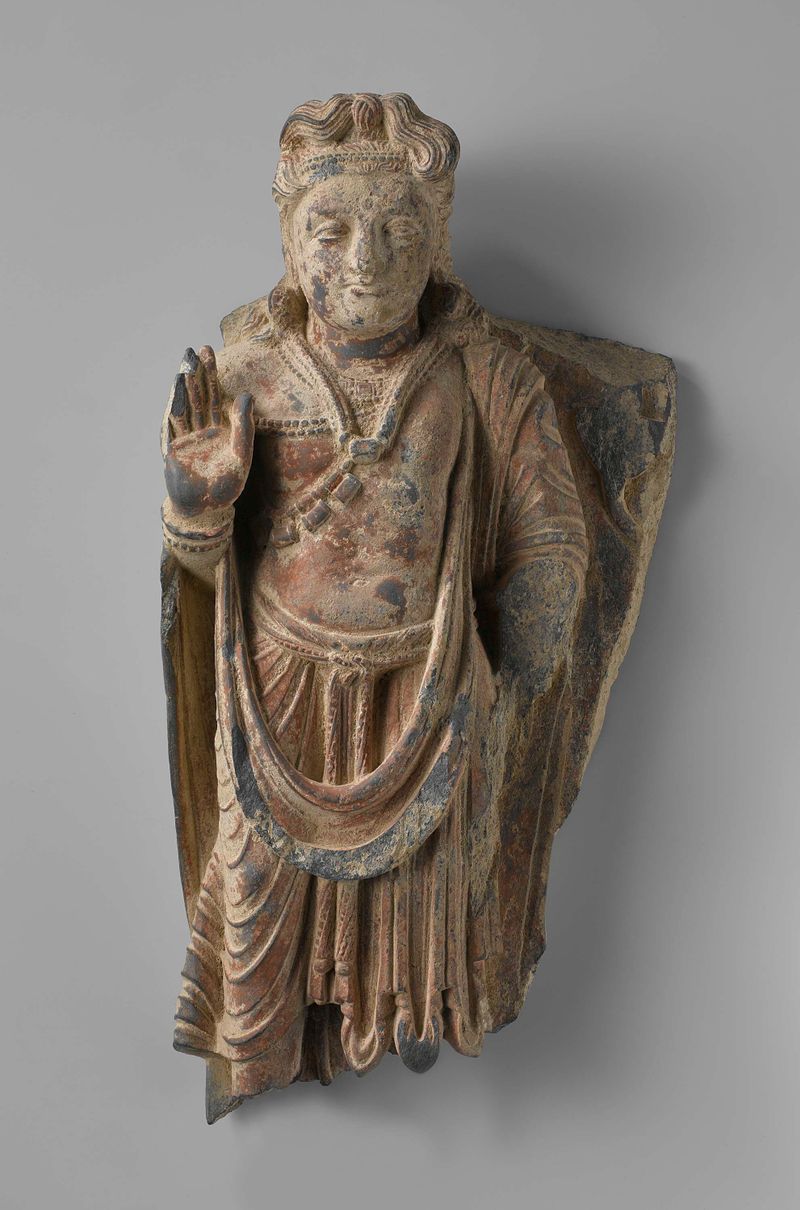
The bodhisattva Maitreya
Unknown Artist
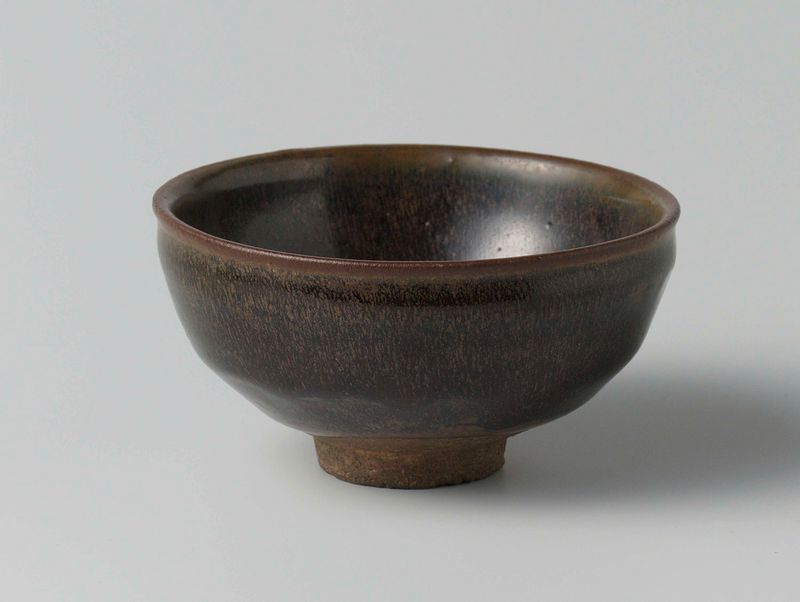
Teabowl with a 'hare's fur' glaze
Unknown Artist