
Jungfraubahn – Jungfraujoch — History & Facts
Few images announce arrival with such clarity as Jungfraubahn – Jungfraujoch by Emil Cardinaux. The viewer is swept instantly to the very roof of Europe, where a cluster of visitors stands beneath a billowing Swiss flag, their backs turned to us, gazing into the luminous sweep of glacier and jagged blue peaks. The immense white foreground, carved with icy crevasses, pulls the eye upward to the human figures, dwarfed yet dignified, and then to the flag—red against the pale sky, a signal of national pride and the triumph of access over altitude.
Every line and color here is in service of awe: the flagpole as axis mundi, the horizon as promise. Created circa 1928, this work belongs to a golden age of travel posters, when railways commissioned artists to conjure the thrill of distant destinations. The Jungfraubahn, completed in the early twentieth century, was itself a marvel—carrying visitors to the Jungfraujoch, the “Top of Europe,” a feat of engineering and aspiration. Cardinaux’s style, with its simplified forms and bold, almost theatrical palette, distills the landscape to its essentials, making the journey itself feel monumental.
History has kept few traces of individual posters like this, but their impact endures: they turned remote summits into icons, and travelers into witnesses. Stand before this image and you join the line of figures, looking out over a world newly within reach.
More Artworks by Emil Cardinaux
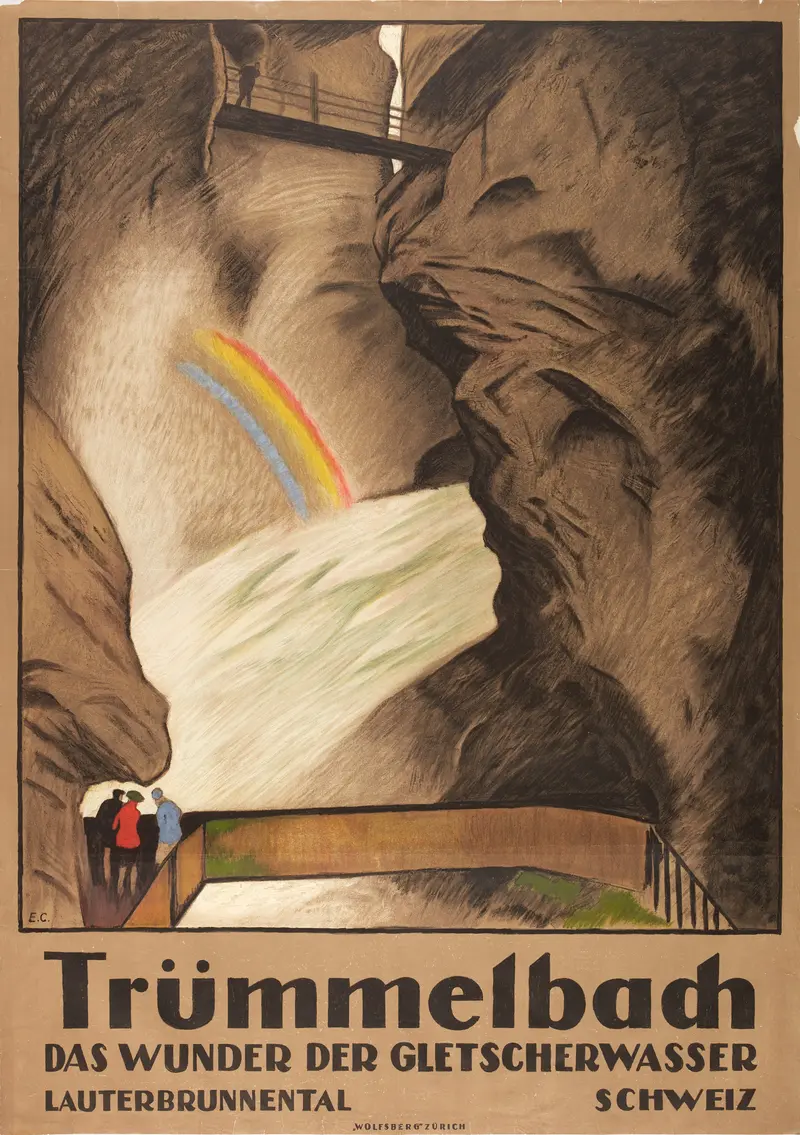
Trümmelbach
Emil Cardinaux
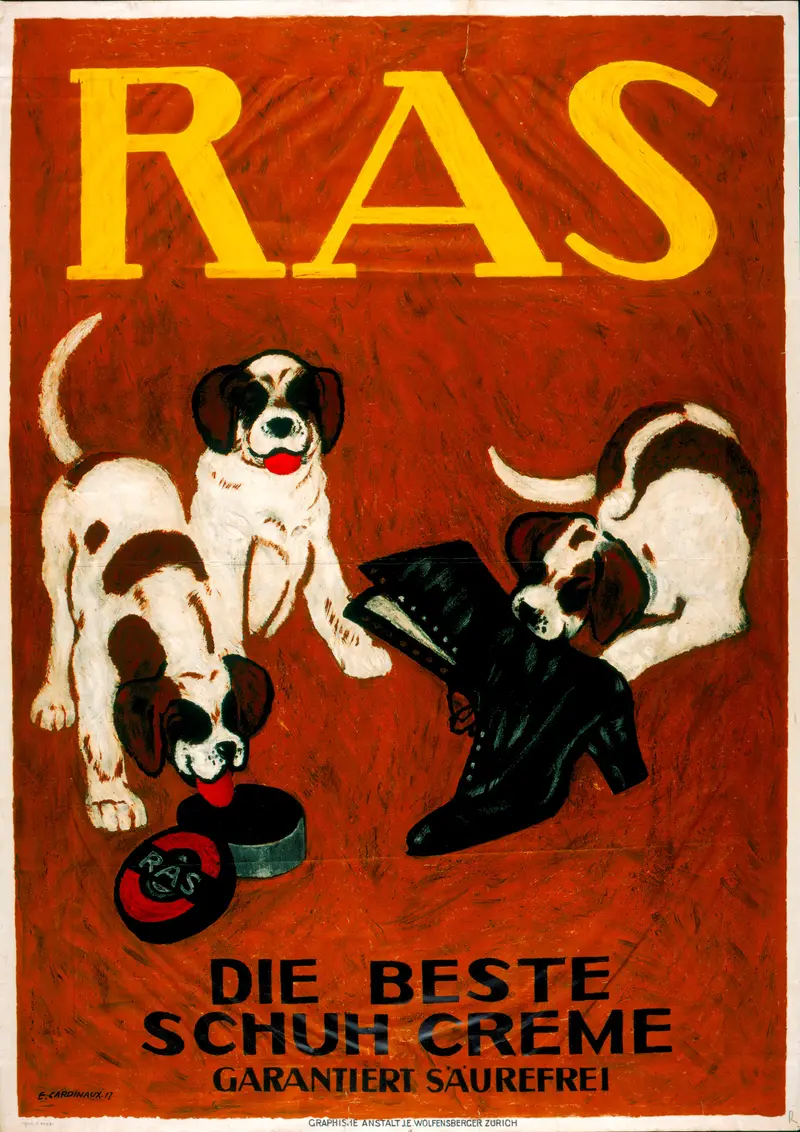
RAS, die beste Schuhcrème
Emil Cardinaux
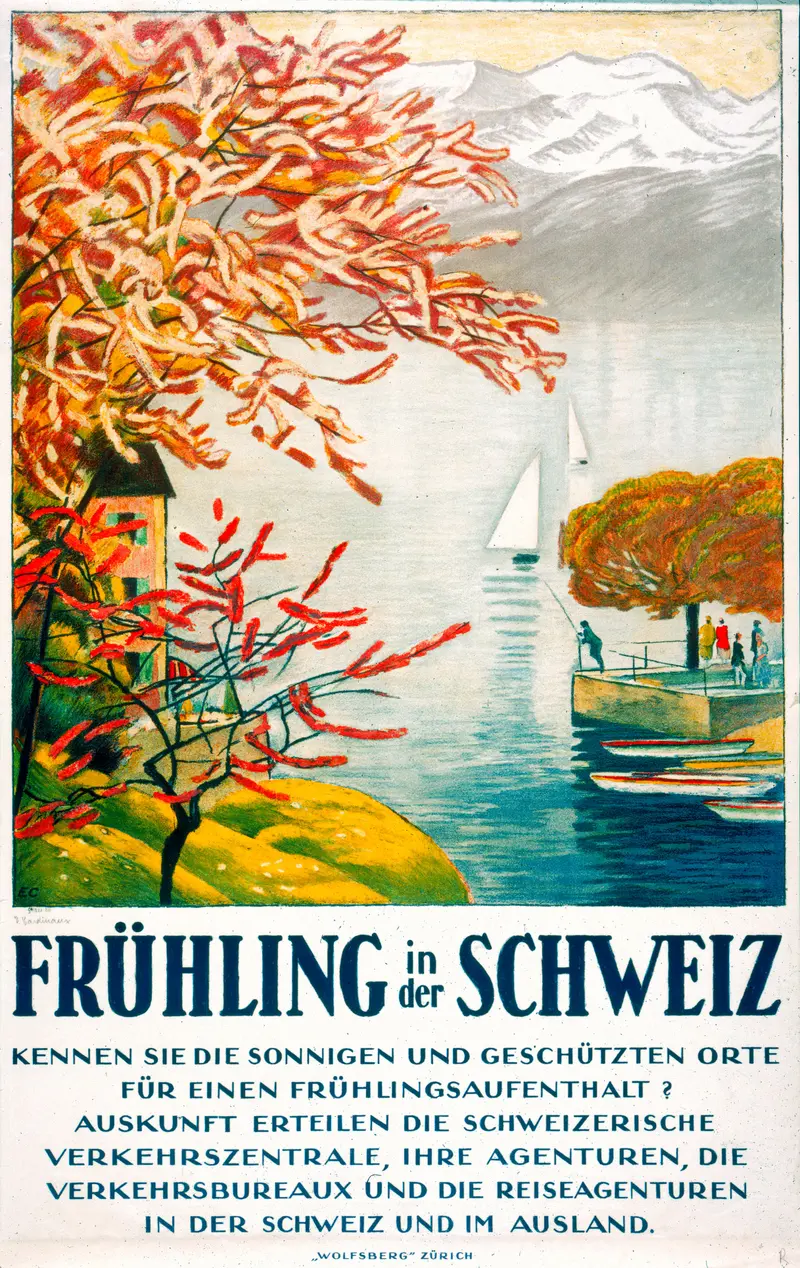
Frühling in der Schweiz
Emil Cardinaux
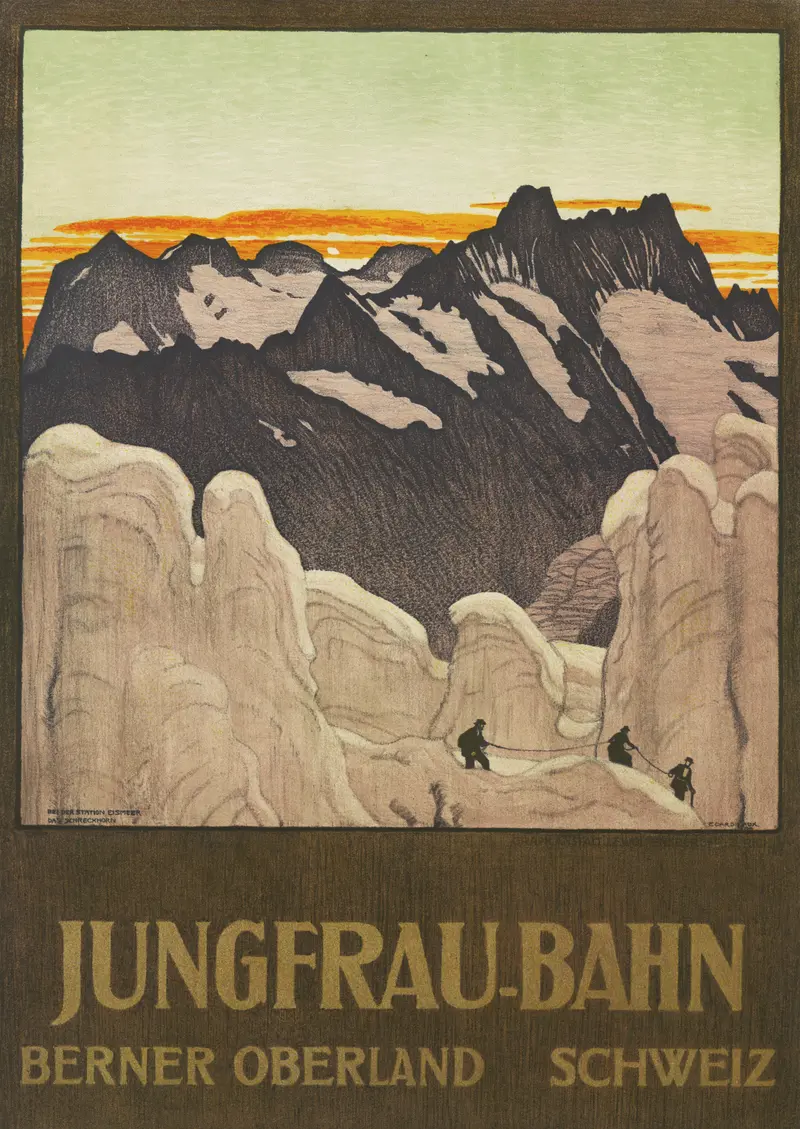
Jungfrau-Bahn, Berner Oberland
Emil Cardinaux

Bally – Schuhe für die Familie
Emil Cardinaux

Winter in Switzerland
Emil Cardinaux
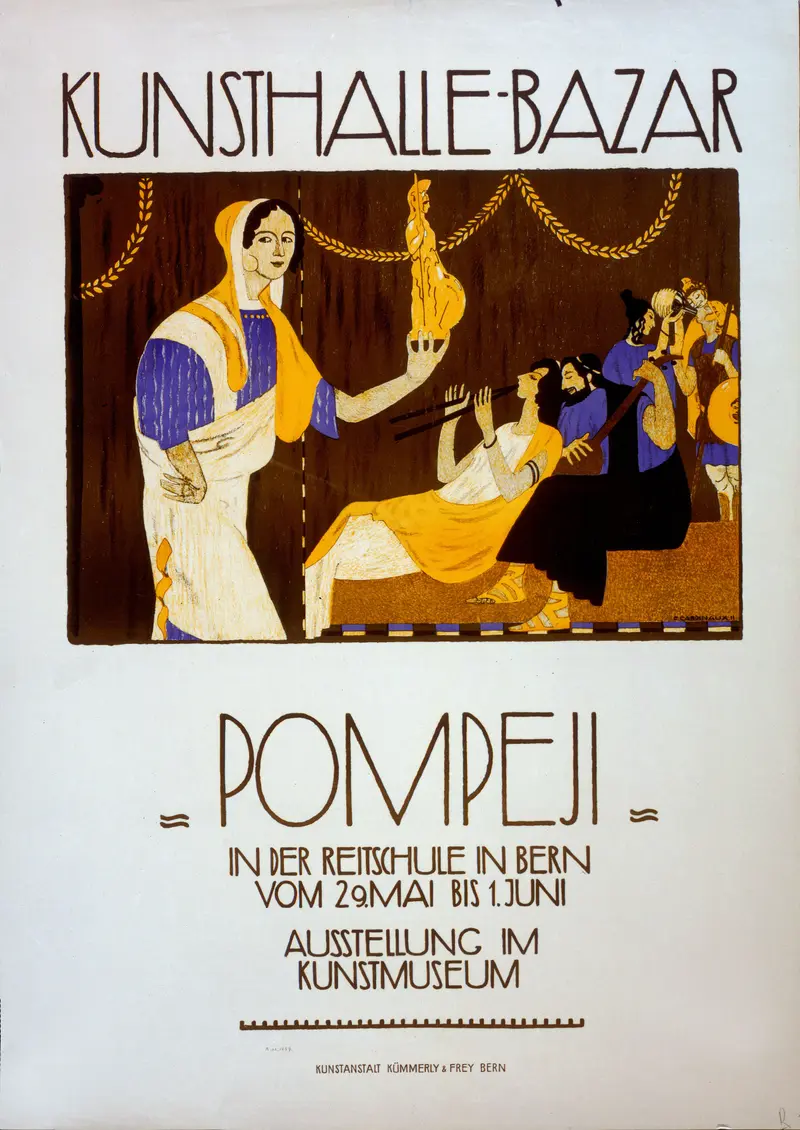
Kunsthalle-Bazar Pompeji, Bern 1911
Emil Cardinaux
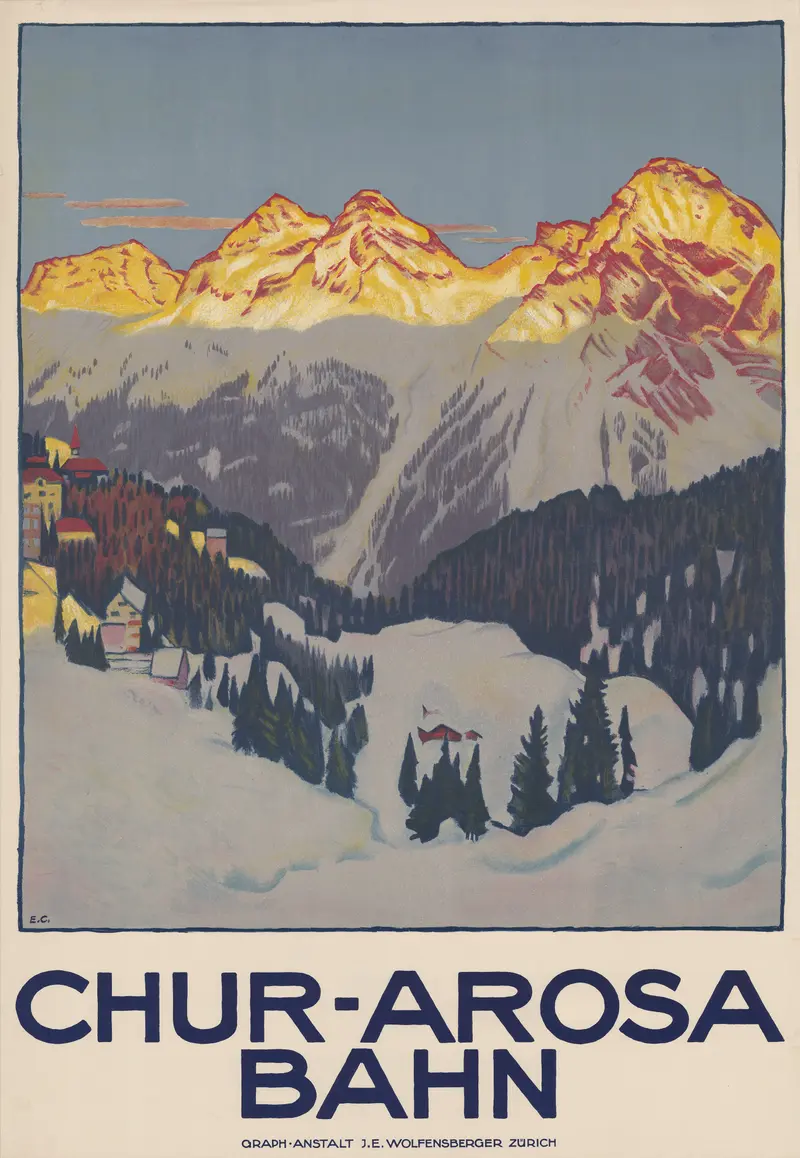
Chur-Arosa-Bahn
Emil Cardinaux
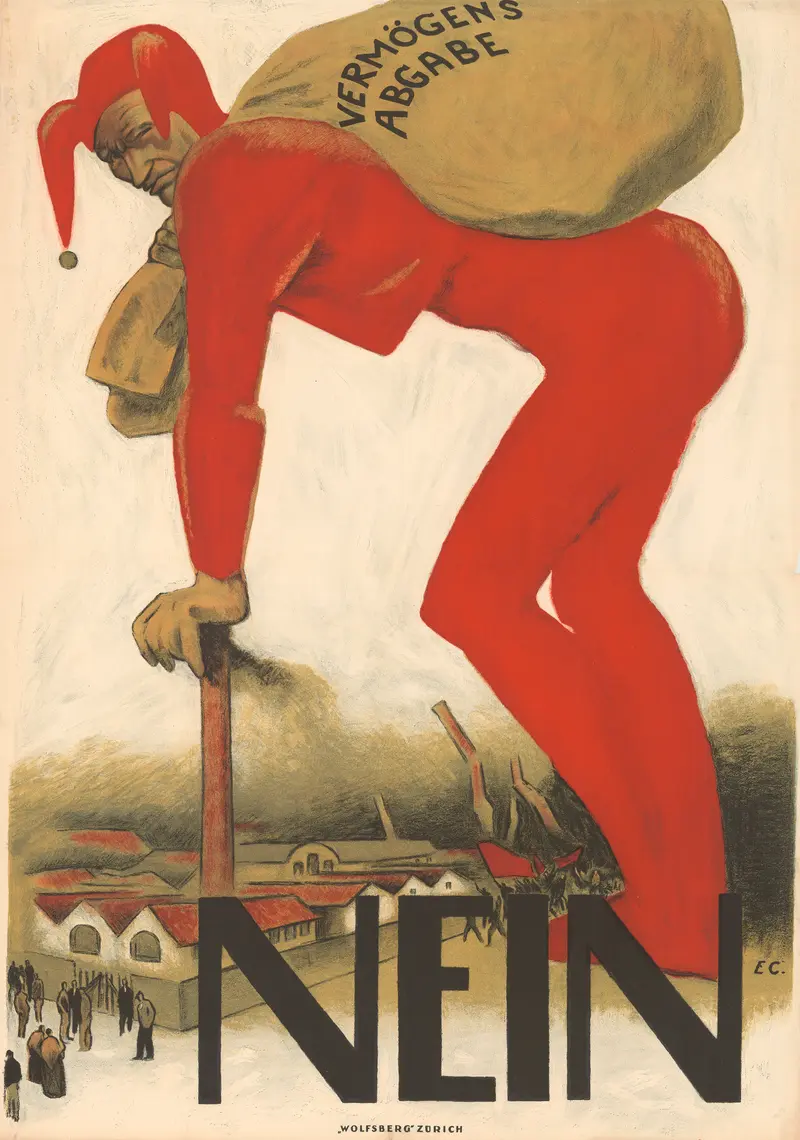
Vermögensabgabe – Nein
Emil Cardinaux
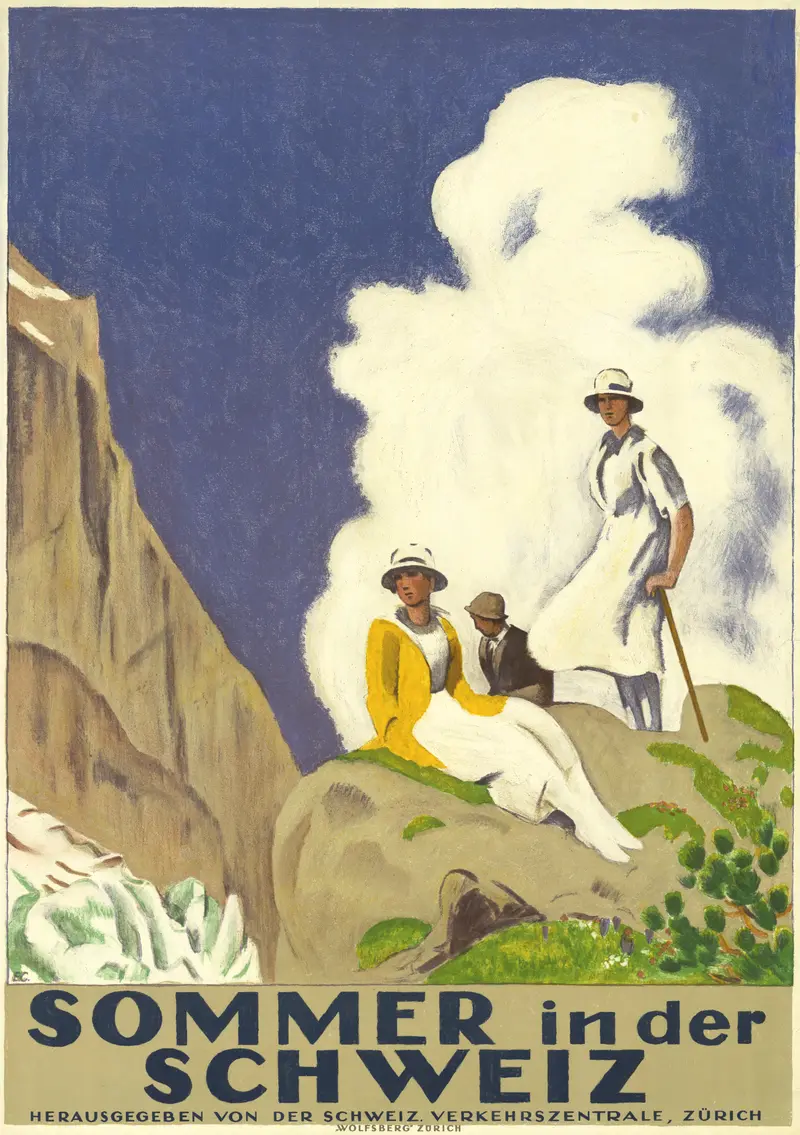
Sommer in der Schweiz
Emil Cardinaux
More Landscape Art

The Starry Night
Vincent van Gogh

View of Delft
Johannes Vermeer

Water Lilies
Claude Monet

The Grand Canal, Venice, looking north-west from the Ca' Corner to the Ca' Contarini degli Scrigni, with the campanile of Santa Maria della Carità
Canaletto

Windsor Castle
Canaletto

The Grand Canal looking North-East from the Palazzo Dolfin-Manin to the Rialto Bridge
Canaletto