Juno — History & Facts
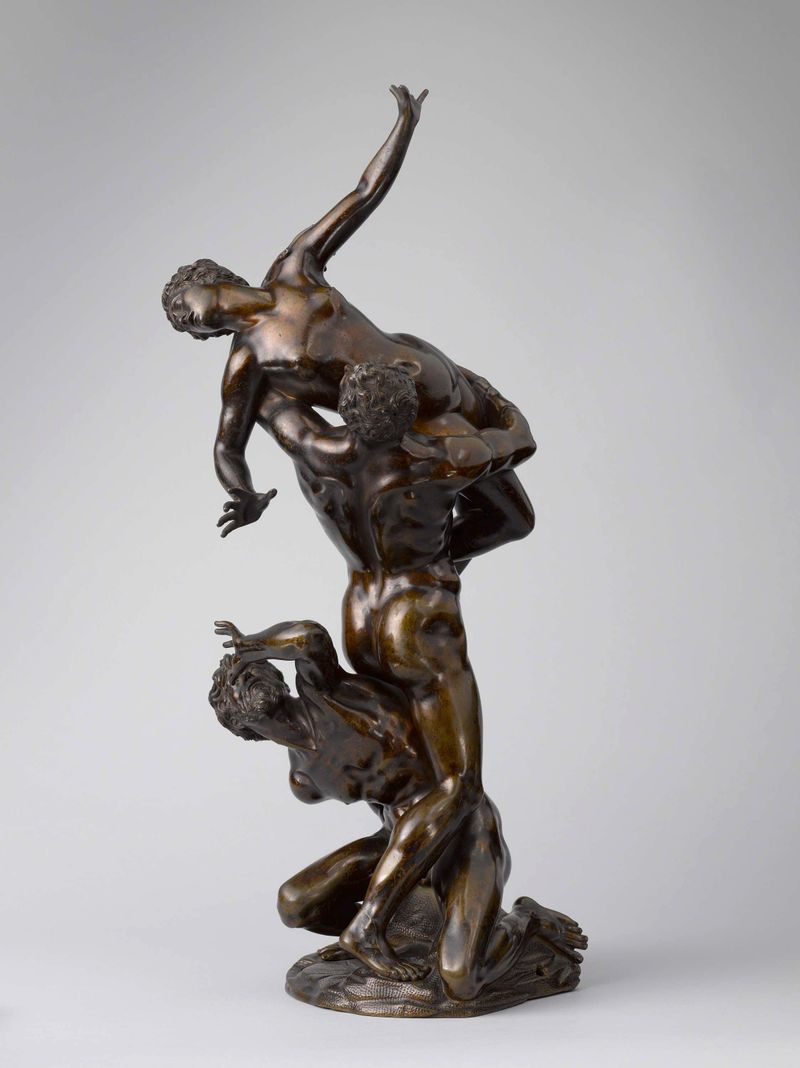
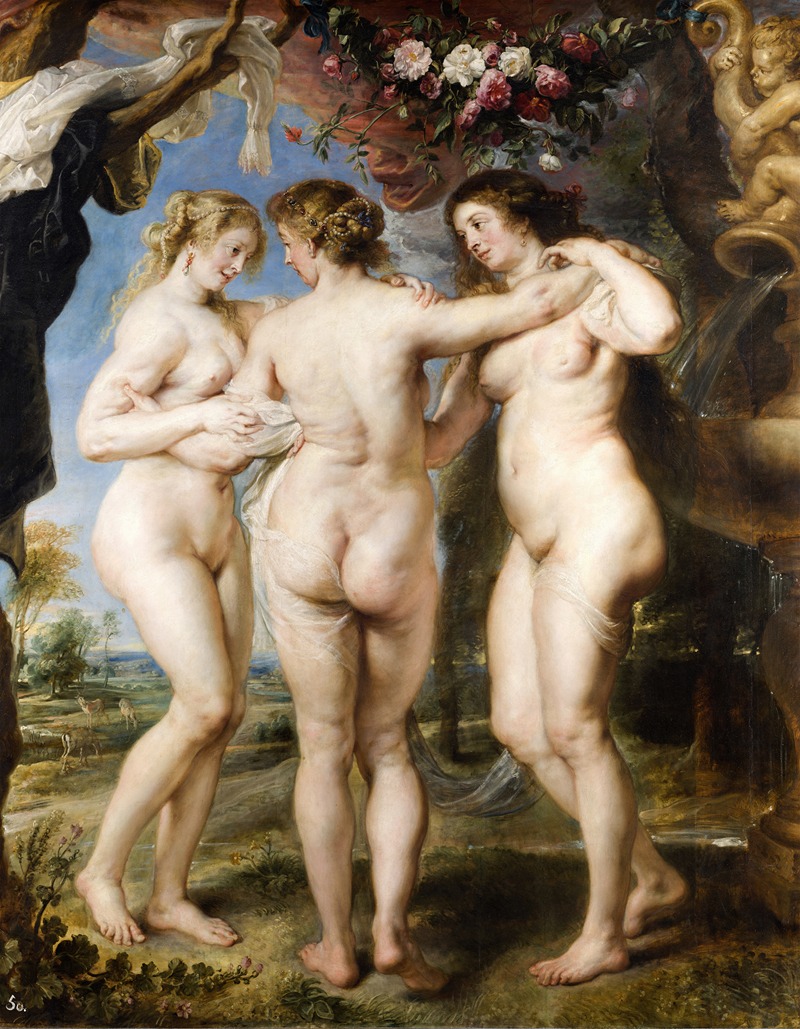
Did the painter know this moment would outlive them? In Juno, Wenceslaus Hollar captures not just a figure, but an essence, a timelessness that transcends its own decay. The painting evokes a haunting stillness, where the passage of time seems to linger in every brushstroke, inviting contemplation on permanence and impermanence. Focus on the figure of Juno, poised elegantly at the center. Her regal attire, rich in deep hues, commands attention.
Look closely at the intricate details of her gown, with its flowing lines that suggest movement, contrasting with the stillness of her expression. The masterful play of light accentuates her features, casting shadows that evoke both strength and vulnerability. Surrounding her, the muted background fades gracefully, serving to elevate her presence and reinforce the theme of isolation amidst grandeur. Yet, beneath the surface beauty lies a poignant juxtaposition.
The richness of her attire hides the inevitability of deterioration, a reminder that even the most splendid figures are not immune to the ravages of time. The delicate balance of her posture suggests confidence, yet the slight tilt of her head hints at contemplation, as if she grapples with her own mortality. Hollar deftly intertwines the divine with the mortal, challenging the viewer to reflect on the transience of beauty and power. Created in 1646, Hollar worked in a time of upheaval, having fled his native Prague due to the Thirty Years' War, finding refuge in London.
The art world was evolving, marked by the rise of Baroque aesthetics that celebrated both human emotion and natural beauty. In this context, Juno emerges not only as a representation of mythological strength but also as an exploration of the fragility that underlies even the most powerful figures. This painting encapsulates a moment that speaks of both glory and decay, echoing through the ages.
More Artworks by Wenceslaus Hollar
Browse all →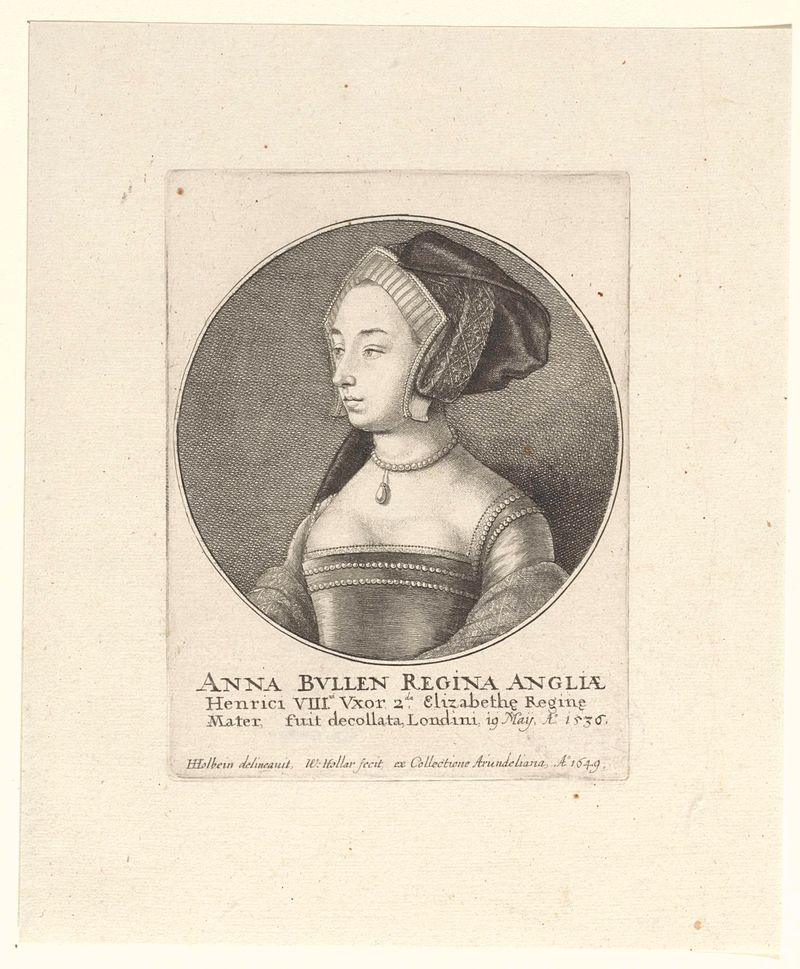
Portret van Anna Boleyn, koningin van Engeland
Wenceslaus Hollar
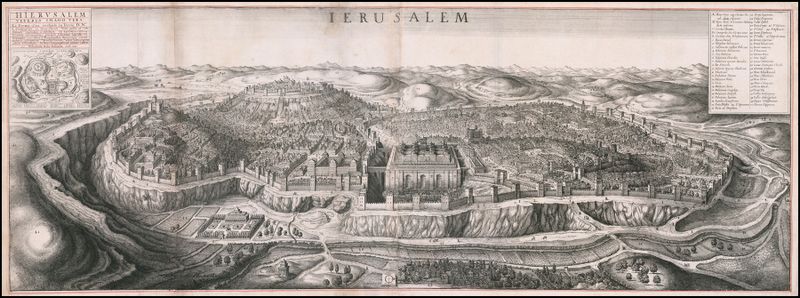
Bird’s eye view of Jerusalem
Wenceslaus Hollar
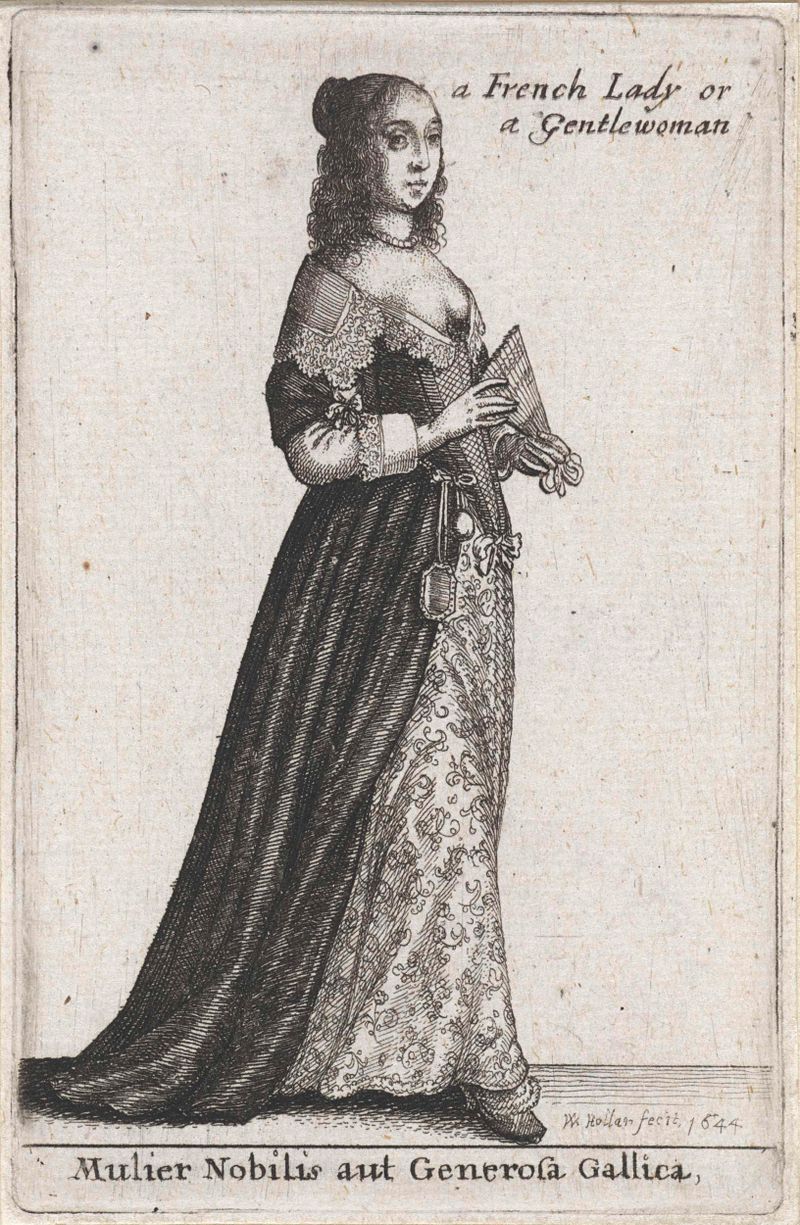
Mulier Nobilis aut Generosa Gallica / a French Lady or Gentlewoman
Wenceslaus Hollar
Titelprent voor: Ornatus Muliebris Anglicanus
Wenceslaus Hollar
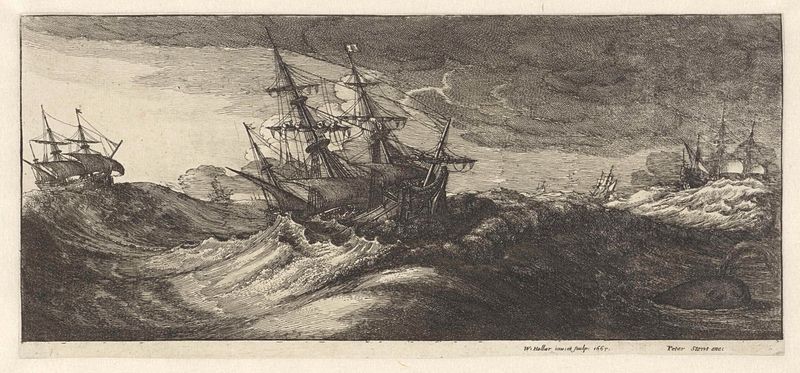
Oorlogsschepen en een walvis in een zeestorm
Wenceslaus Hollar
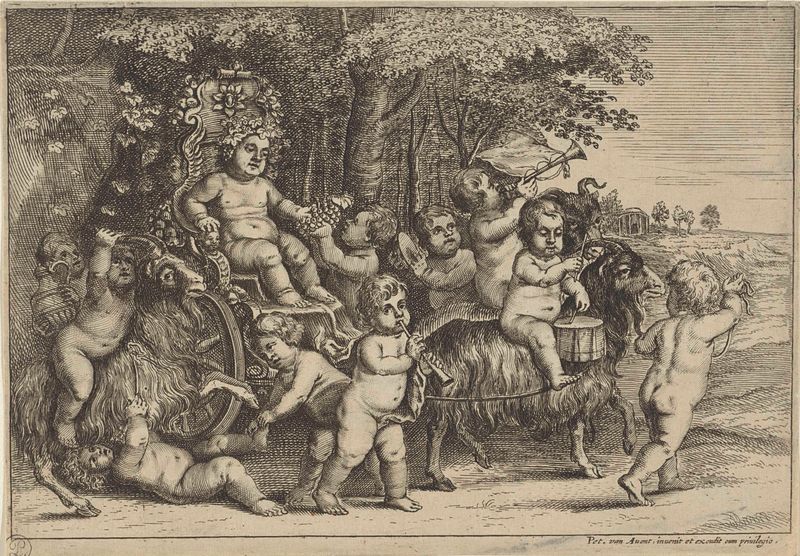
Optocht van bacchant en jongetjes op geiten
Wenceslaus Hollar
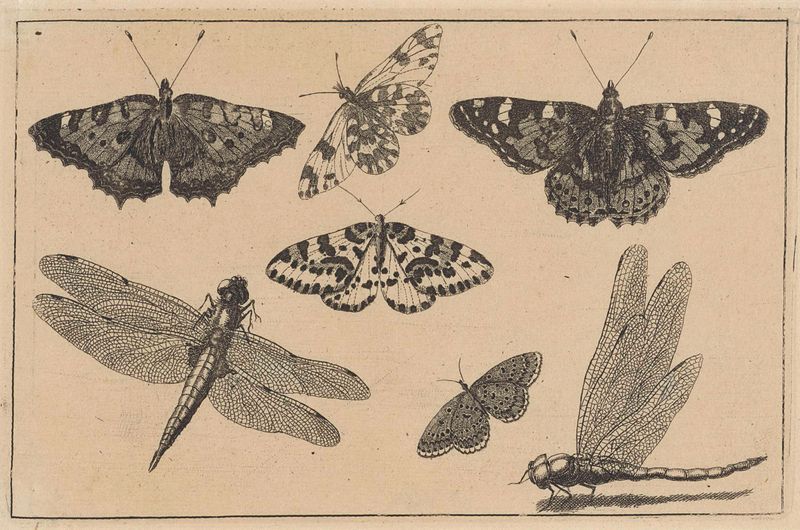
Twee libellen en vijf vlinders
Wenceslaus Hollar
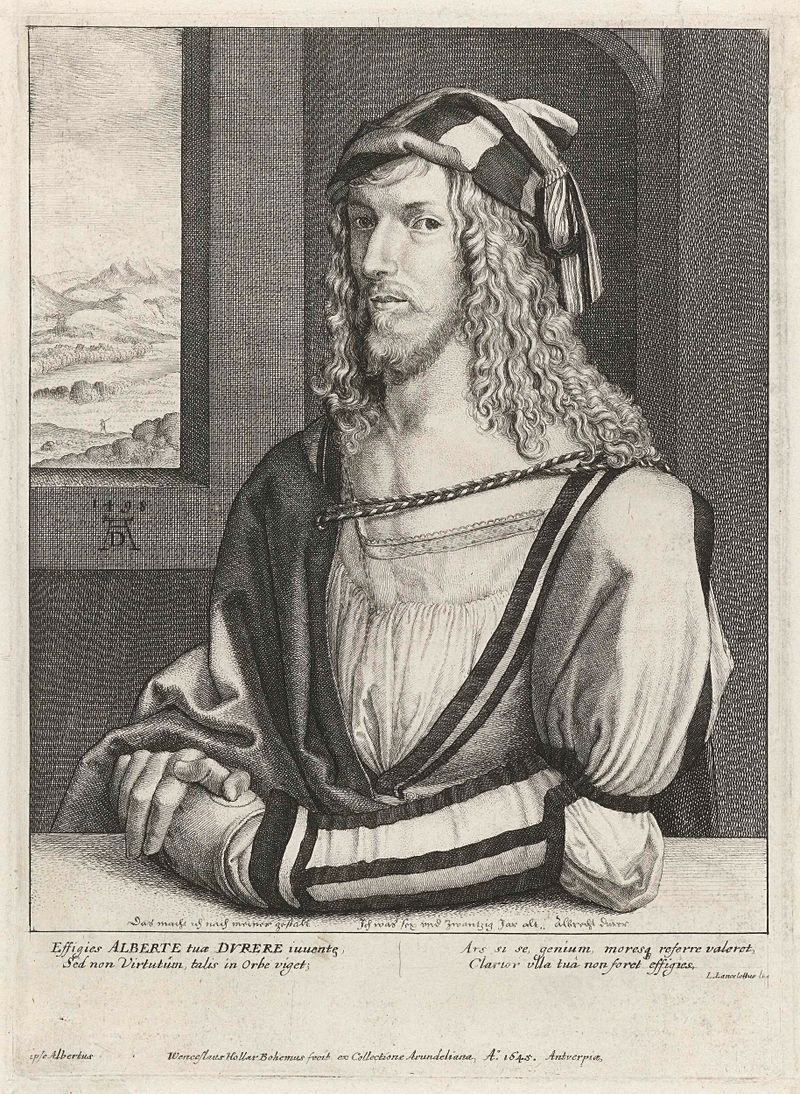
Portret van Albrecht Dürer
Wenceslaus Hollar
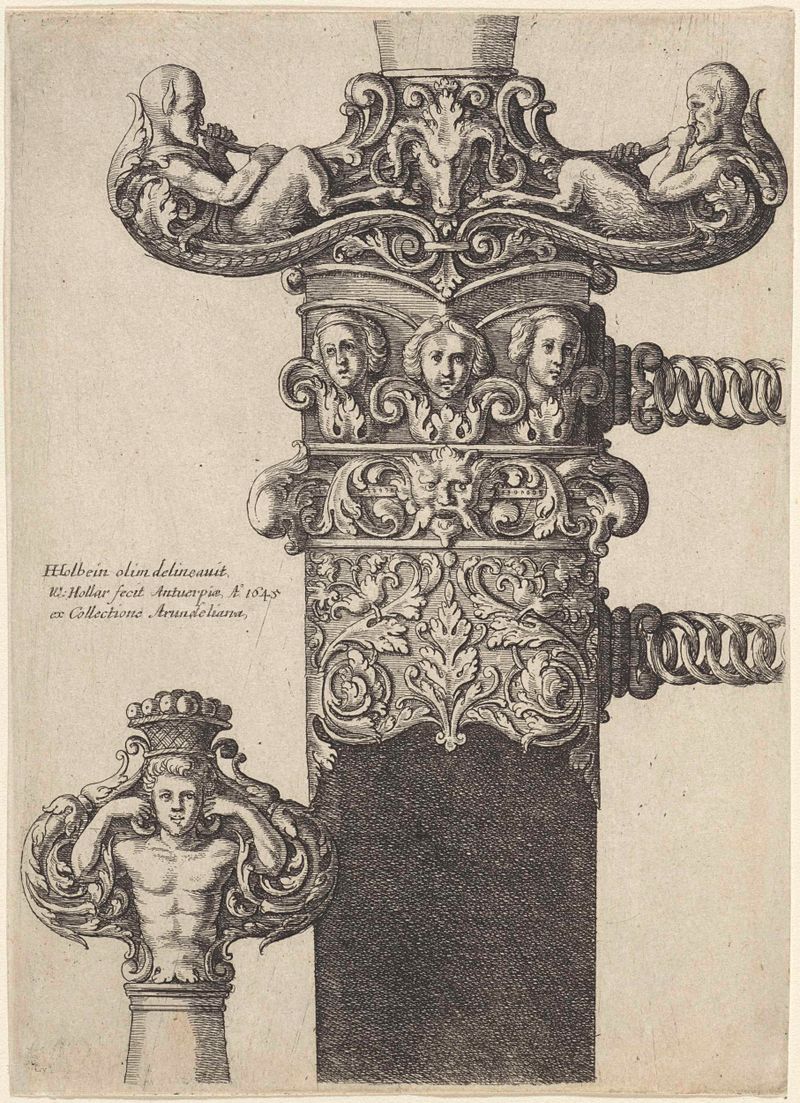
Ornamenteel ontwerp voor een dolk
Wenceslaus Hollar
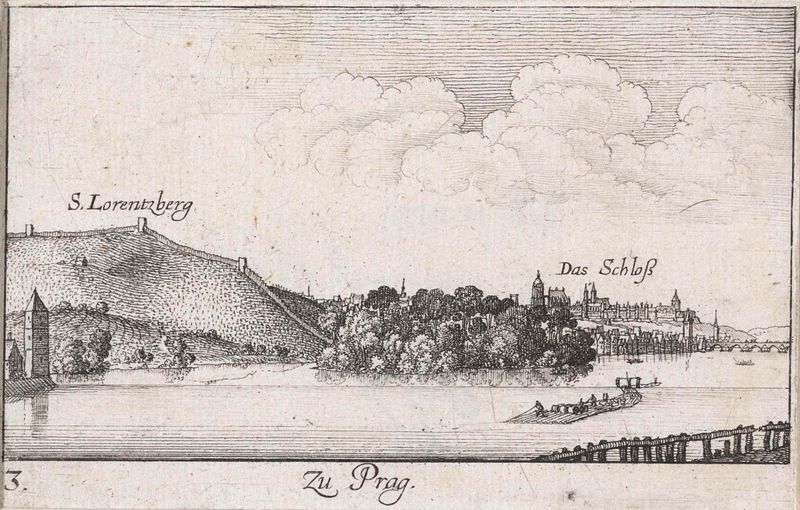
Gezicht op Praag vanaf de Moldau
Wenceslaus Hollar