Juno en een pauw — History & Facts
When did color learn to lie? In Juno en een pauw, the rich hues of the peacock and the goddess may whisper of beauty, yet they veil a more somber truth beneath their splendor. Focus your gaze on the striking peacock perched beside Juno. The intricate detailing of its feathers draws you in with an array of emerald greens and deep blues, almost mesmerizing in their vibrancy. Notice how the light dances upon the surface, highlighting the delicate textures that seem to pulse with life.
In stark contrast, the muted palette surrounding Juno casts a shadow, a reminder that even the most resplendent colors can signify the decay of vanity and desire. As you explore further, pay attention to Juno's gaze, fixed yet detached, a mixture of regal authority and melancholic acceptance. The juxtaposition of the peacock's ostentatious display and the goddess's solemn demeanor speaks to the duality of beauty and decay. Each petal-like feather offers a fleeting glimpse of life, while the somber tone of the background suggests a world where even majesty is subject to the passage of time. Jacob Binck painted Juno en een pauw in 1530, during the height of the Northern Renaissance in the Netherlands.
At this time, the artist was influenced by the intricate detail and symbolism prevalent in the works of his contemporaries, reflecting both the cultural richness and the underlying anxieties of the age. Amidst the flourishing art scene, Binck’s focus on mythology and allegory resonated with an audience grappling with the complexities of existence and the inevitable decay of all things.
More Artworks by Jacob Binck
Browse all →
Portret van Christiaan II, koning van Denemarken
Jacob Binck

Christus en de Samaritaanse vrouw
Jacob Binck
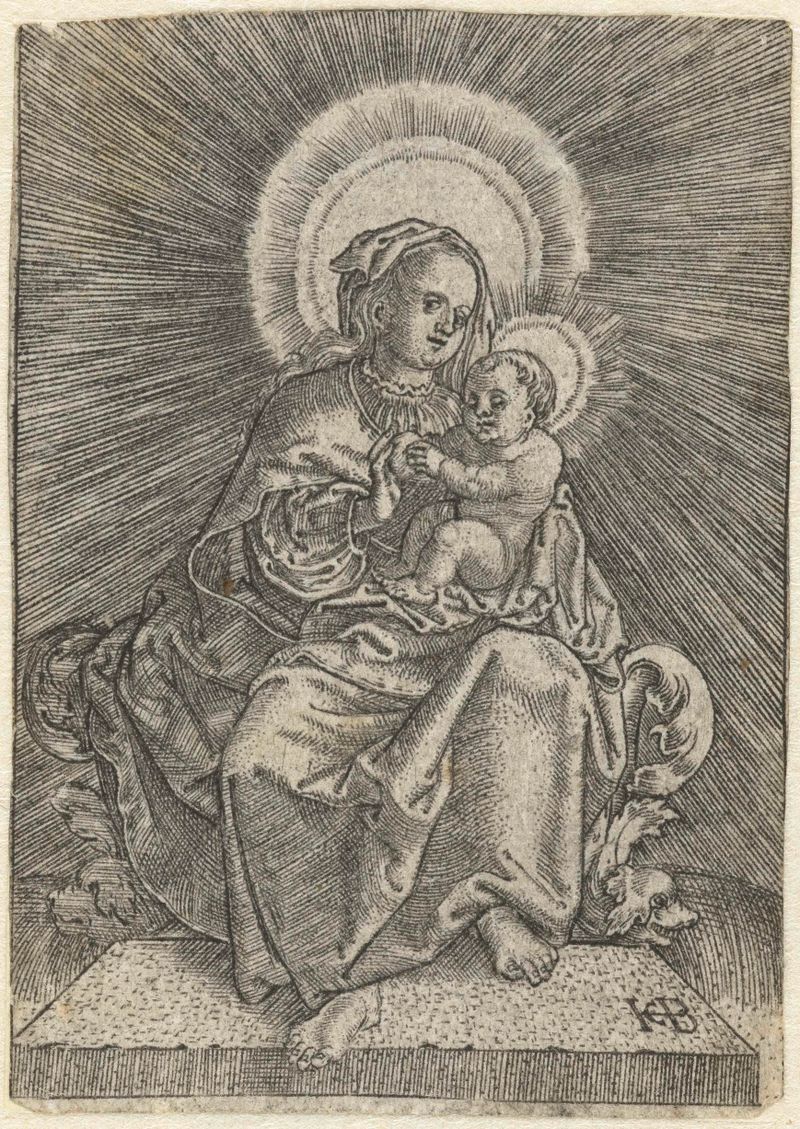
Tronende Maria met kind en appel in stralenkrans
Jacob Binck

Christus op de koude steen
Jacob Binck

Ornament met twee putti op dolfijnen onder een vaas
Jacob Binck
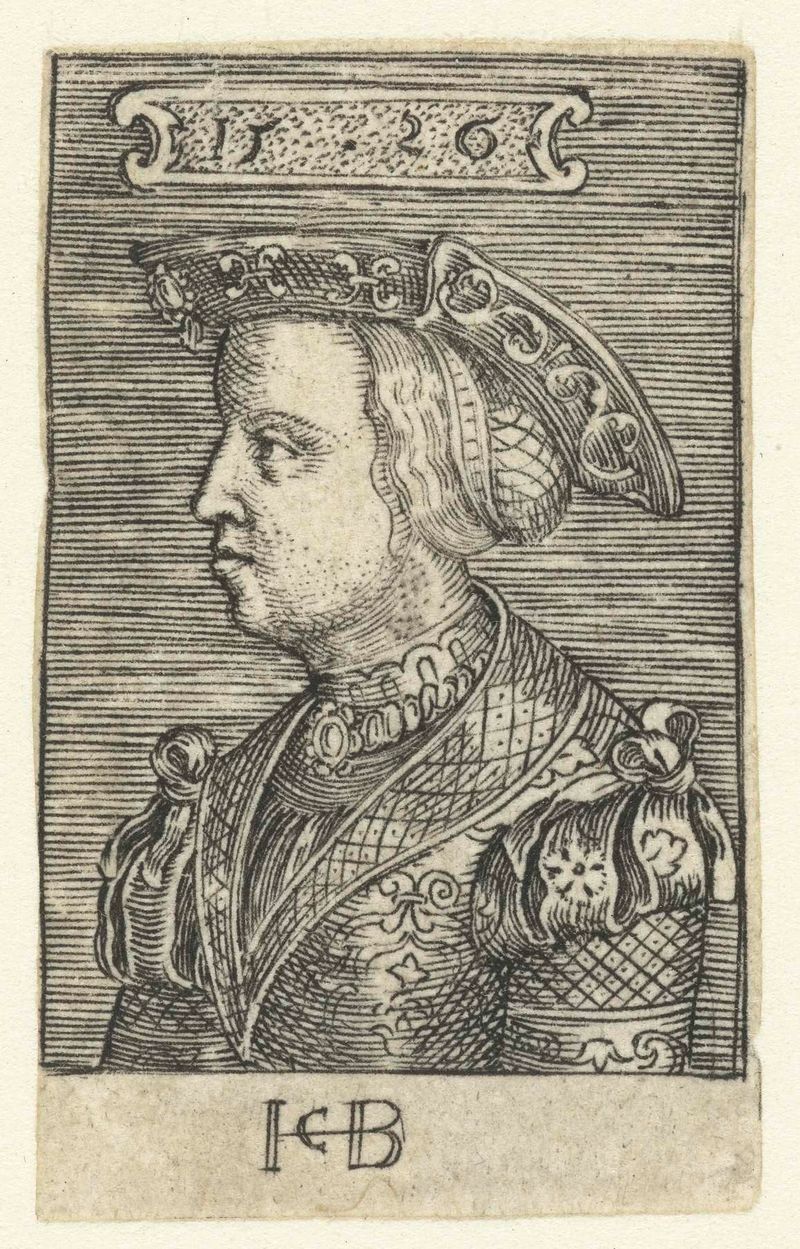
Portret van Claudia van Valois, echtgenote van Frans I
Jacob Binck

Ceres met kroon van korenaren, sikkel, brandende toorts en tweekoppige slang
Jacob Binck
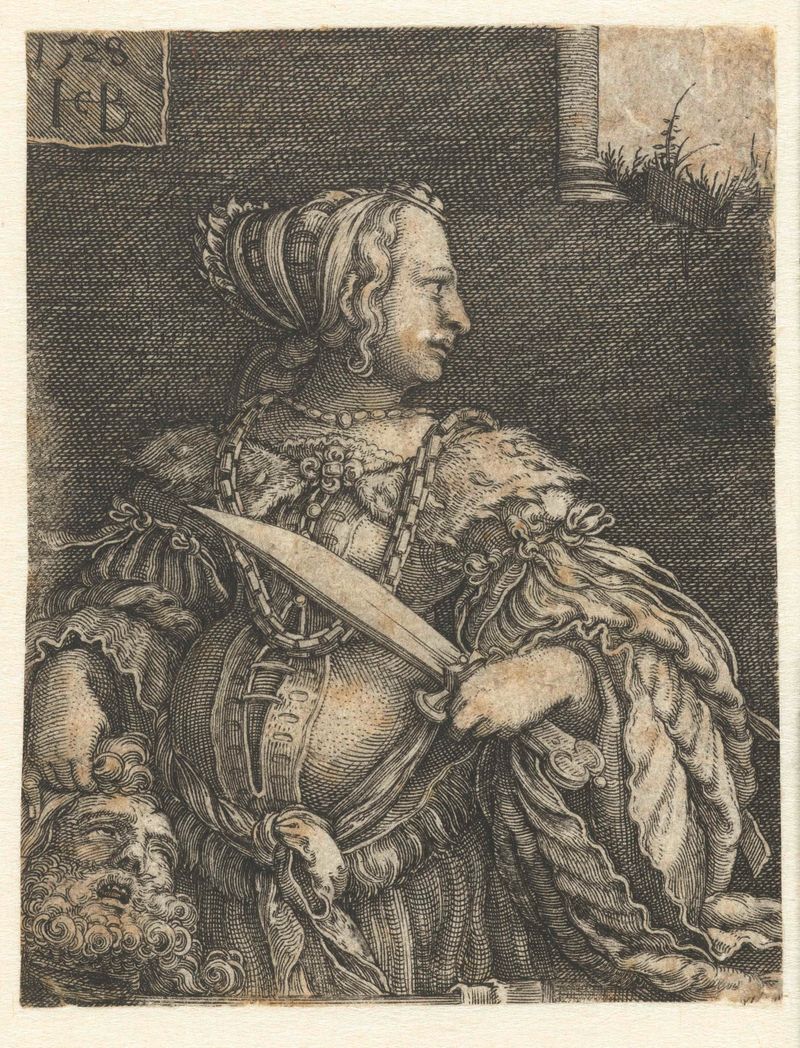
Judith met het hoofd van Holofernes
Jacob Binck
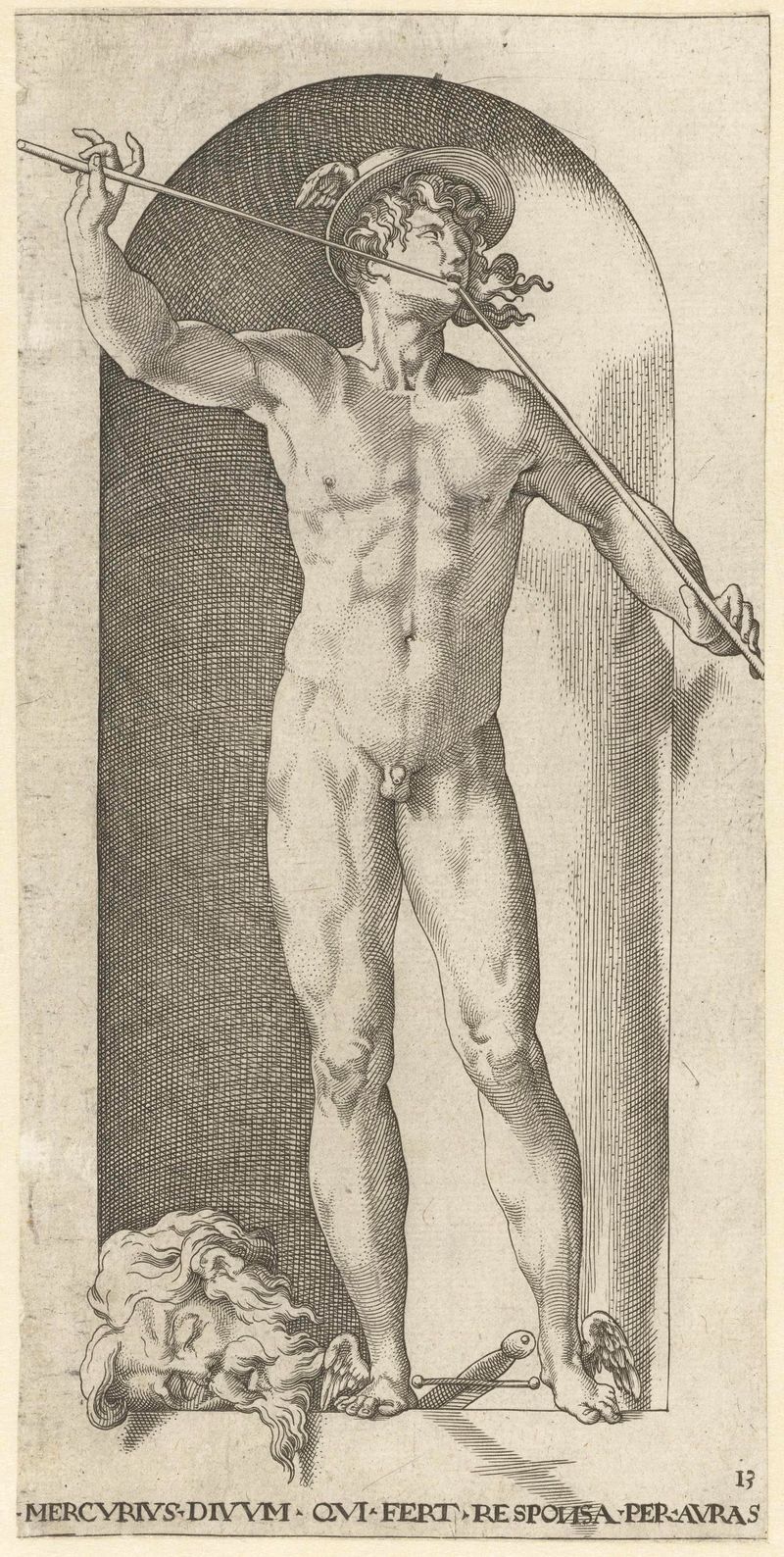
Mercurius met het hoofd van Argus
Jacob Binck

Minerva (Pallas Athena) met Medusahoofd op schild
Jacob Binck