
Jupiter and Antiope — History & Facts
When Jean Auguste Dominique Ingres unveiled Jupiter and Antiope in 1851, he reignited a centuries-old debate about the boundaries of sensuality and myth in art. The painting was not a commission but a personal exploration, and it arrived late in his career, when Ingres was already celebrated for his precise draftsmanship and cool, classical style. Its subject—a god’s seduction of a mortal—had lured artists from Correggio to Titian, but Ingres’s version was whispered about in Parisian salons for its frank eroticism and the languorous vulnerability of Antiope.
The work’s unveiling coincided with a period in France when academic nudes were both highly prized and hotly contested, and Ingres’s own students were divided: was this a tribute to the purity of antiquity, or a provocation? The story unfolds at the moment Jupiter, king of the gods, descends in disguise to the sleeping Antiope. Ingres captures her in deep slumber, her body exposed to the viewer and to Jupiter, who appears as a satyr, his hand gently drawing back the drapery. The contrast between Antiope’s soft, luminous flesh and Jupiter’s shadowed, animal form heightens the tension: innocence and desire, vulnerability and power.
The careful placement of Antiope’s arm, the subtle curve of her body, and the cool, even light recall Ingres’s earlier nudes, yet the composition is more daring than his Grande Odalisque. Unlike Titian’s more tumultuous version, Ingres freezes the scene at the threshold of awakening, inviting the viewer to linger in the charged stillness. The physical journey of Jupiter and Antiope is less storied than some of Ingres’s state commissions, but its reputation has grown steadily. The painting remained in private hands for several decades before entering public collections, and today it is recognized as a late testament to Ingres’s fascination with myth and the female form.
While the precise medium is uncertain—Ingres was known to work in both oil and pencil on canvas—the work’s clarity and finish suggest his meticulous hand throughout. Ingres’s engagement with classical themes in his later years, as seen here, helped cement his influence on the academic tradition and on later artists who grappled with the boundaries between myth, eroticism, and the ideal.
More Artworks by Jean Auguste Dominique Ingres
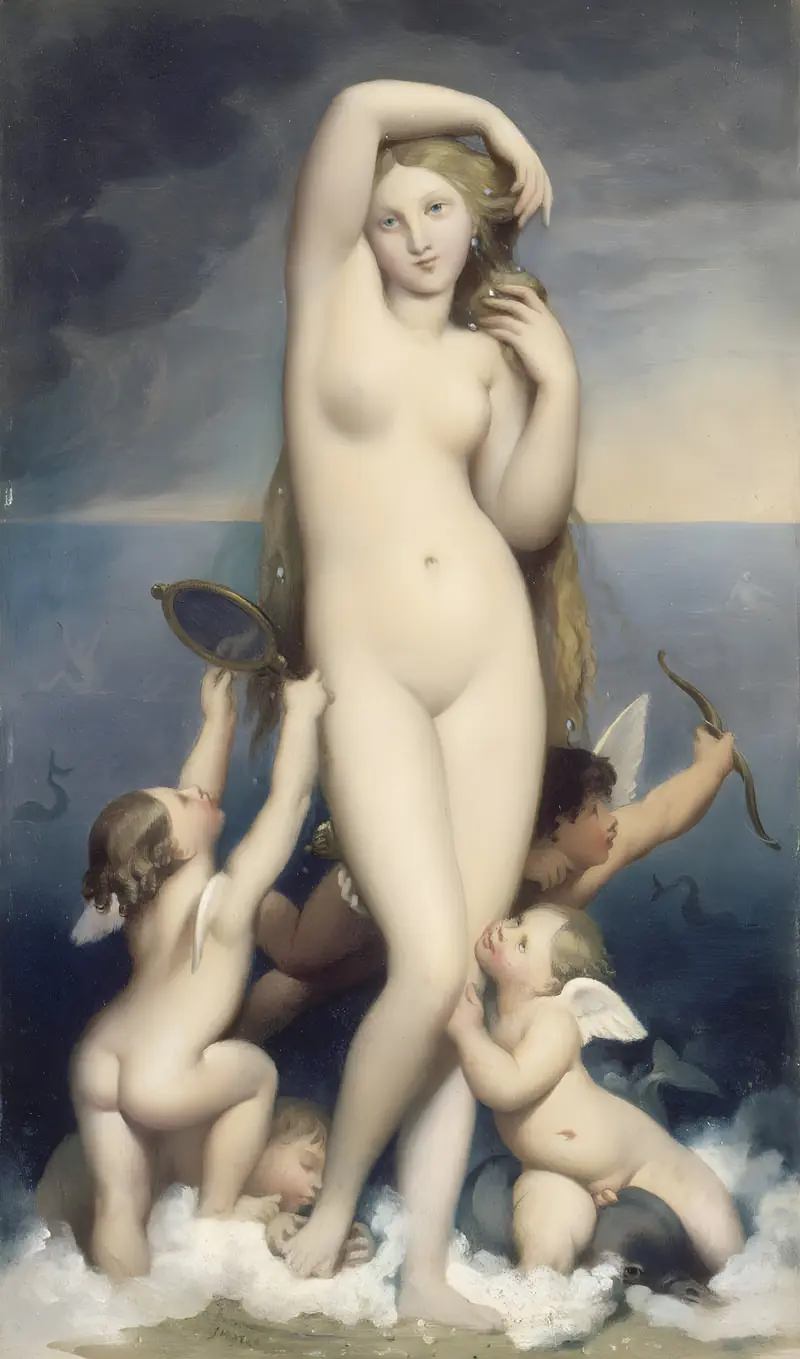
Vénus anadyomène
Jean Auguste Dominique Ingres
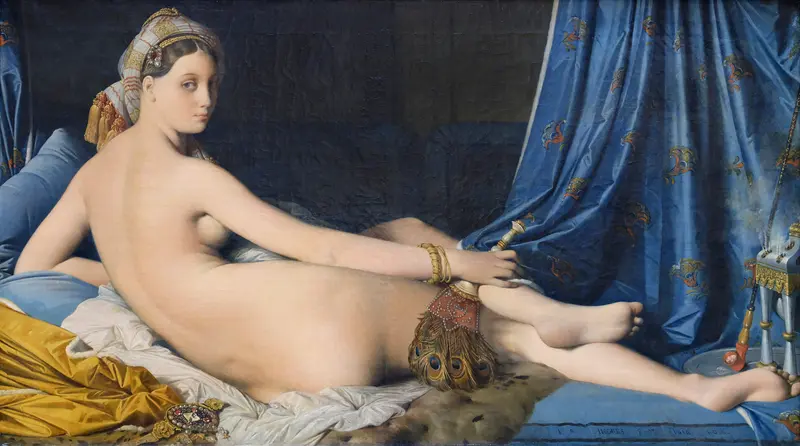
Grande Odalisque
Jean Auguste Dominique Ingres
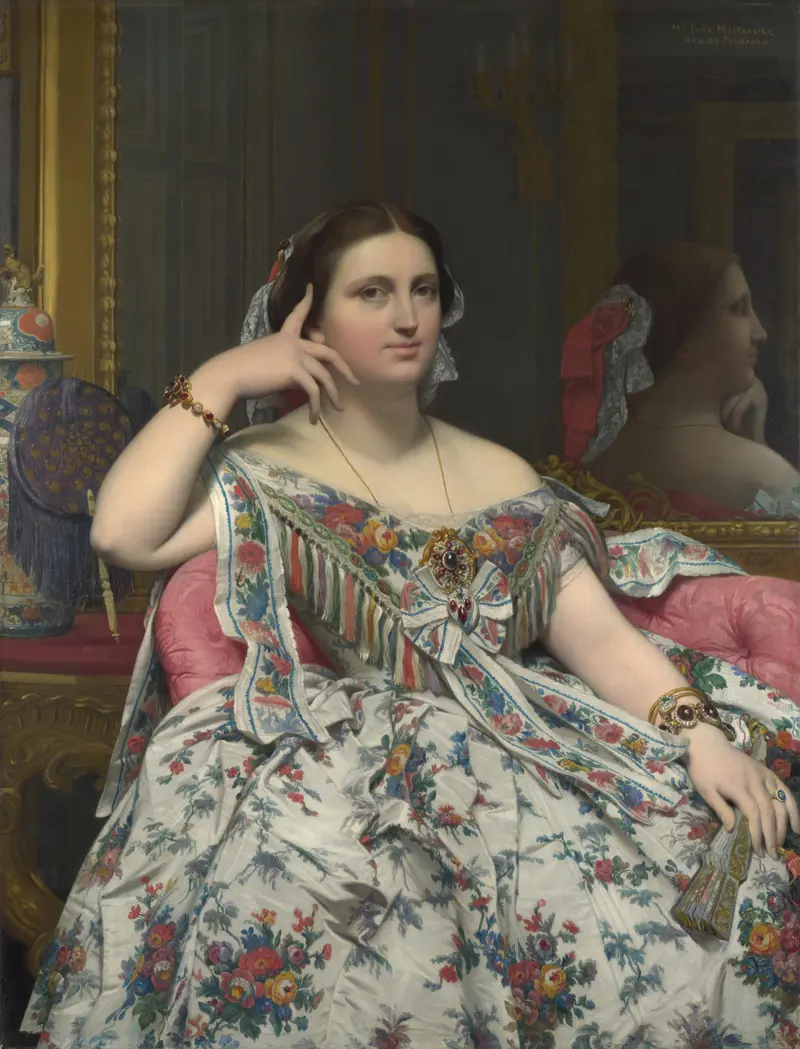
Madame Moitessier (seated)
Jean Auguste Dominique Ingres
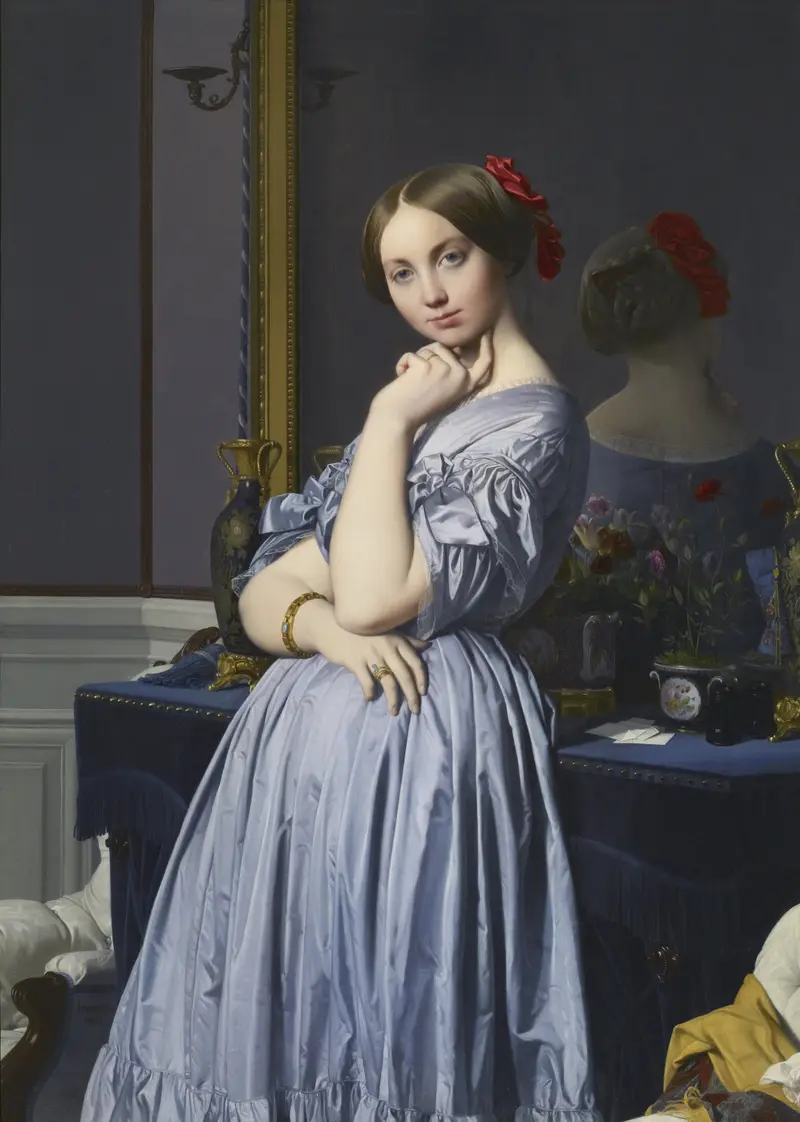
Portrait of Comtesse d’Haussonville
Jean Auguste Dominique Ingres
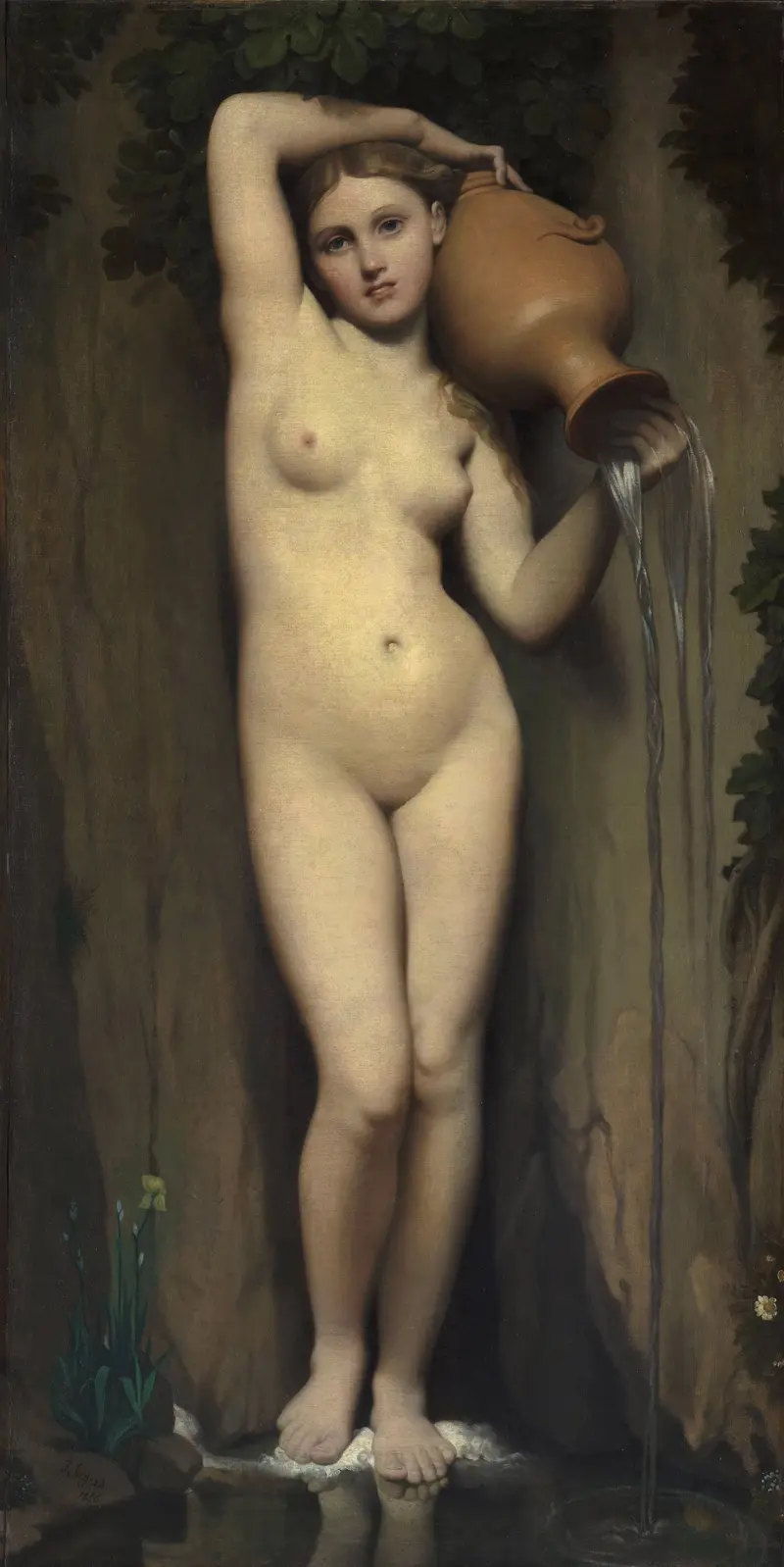
The Source
Jean Auguste Dominique Ingres
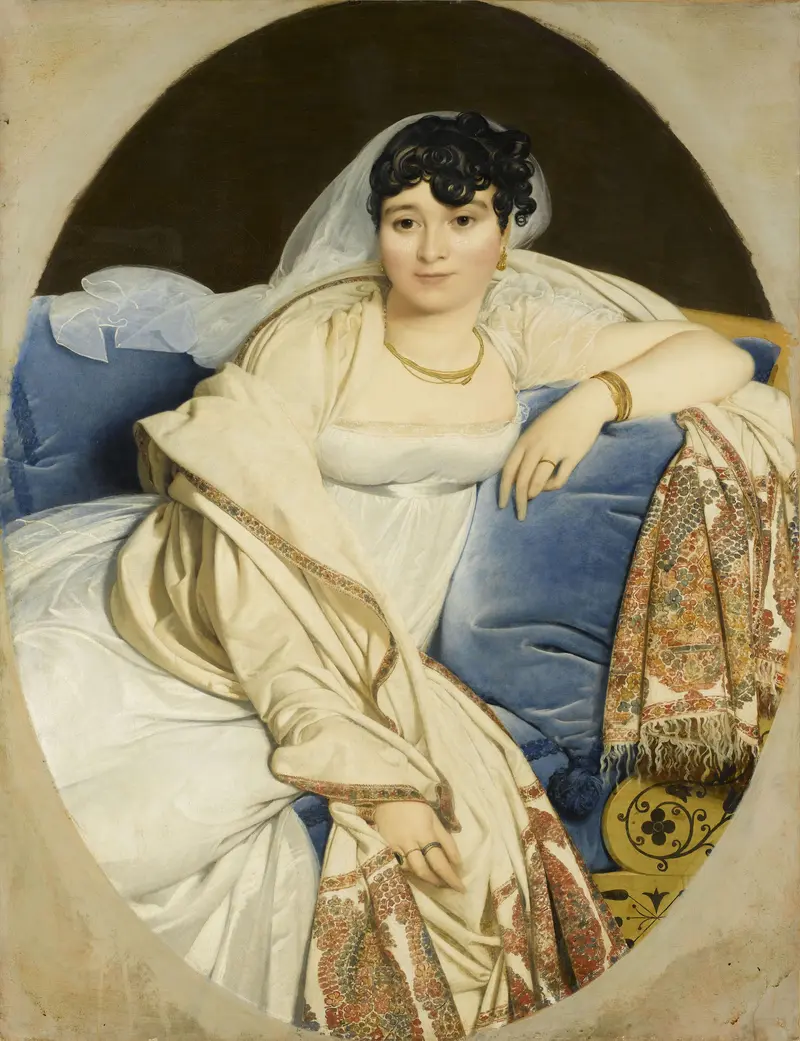
Madame Rivière
Jean Auguste Dominique Ingres

Madame Jean-Auguste-Dominique Ingres, née Madeleine Chapelle
Jean Auguste Dominique Ingres

Portrait of a Lady
Jean Auguste Dominique Ingres
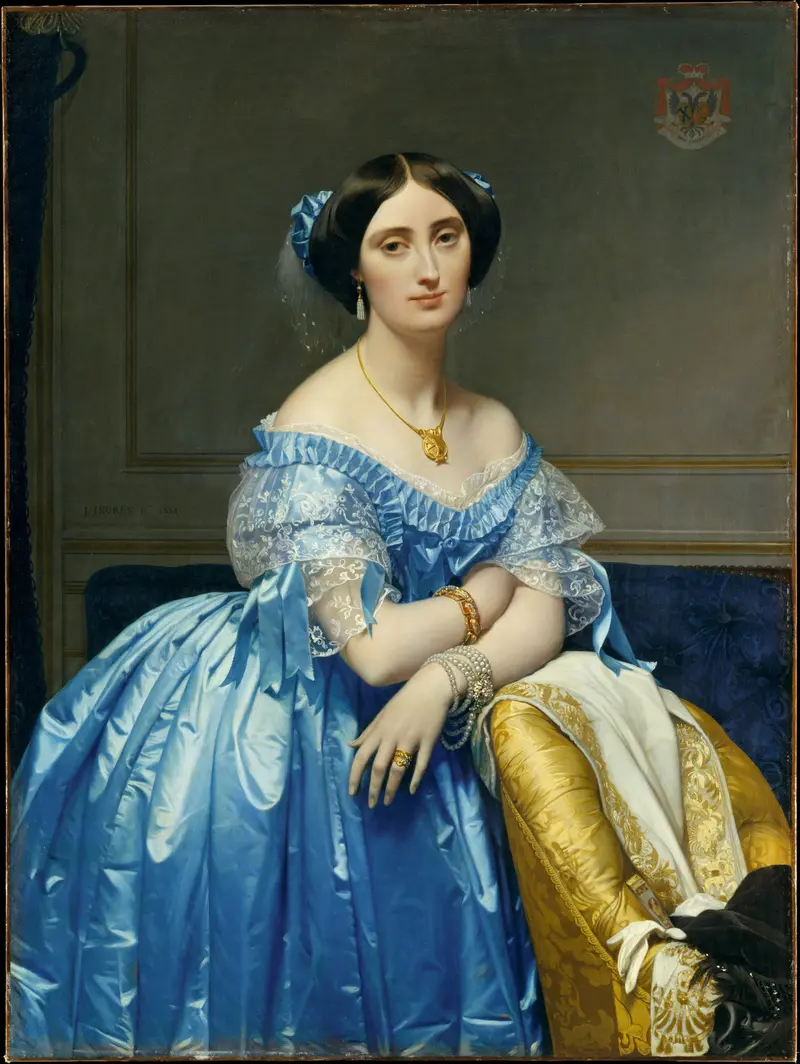
Joséphine-Éléonore-Marie-Pauline de Galard de Brassac de Béarn (1825–1860), Princesse de Broglie
Jean Auguste Dominique Ingres
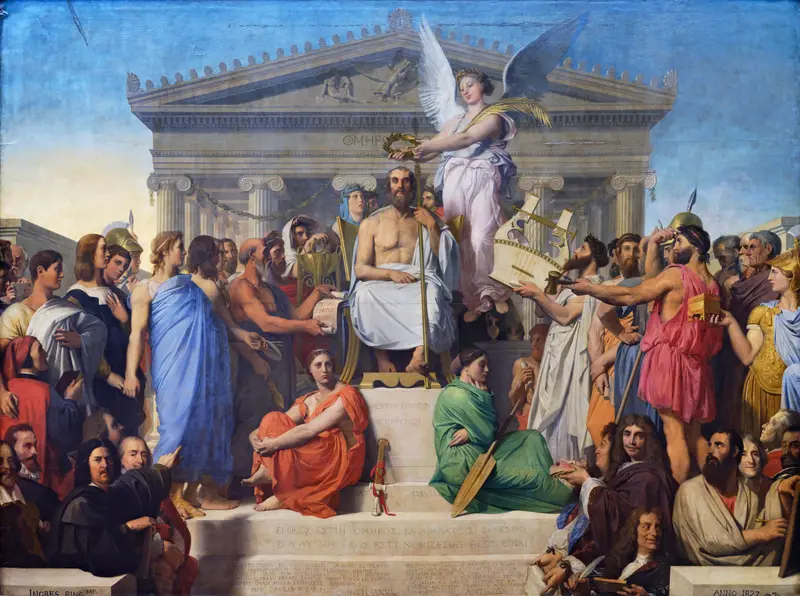
The Apotheosis of Homer
Jean Auguste Dominique Ingres





