
Kaïn doodt Abel — History & Facts
Beneath the surface of grace lies a chilling truth, one that echoes through the ages. The haunting tableau of betrayal and loss captures a moment where innocence falters and tragedy engulfs. Each brushstroke whispers of deeper narratives, inviting viewers to peel back the layers. Look to the center of the composition, where the figures of Cain and Abel are locked in a moment both intimate and violent.
The stark contrast of light and shadow frames their expressions, with the soft glow illuminating Abel’s unsuspecting face, while Cain’s features are shrouded in darkness. The meticulous detail in their clothing, rich textures of fabric, and the vibrant colors serve to enhance the emotional charge, making the viewer acutely aware of the violent act about to unfold. The juxtaposition of their poses reveals a fraught dynamic: Abel stands defiant in his vulnerability, while Cain looms with a sense of foreboding. Notice how the lush landscape in the background, painted with serene hues, belies the chaos about to erupt.
Each element, from the blood-red ground beneath Abel’s feet to the ominous sky overhead, heightens the emotional tension of the piece, suggesting that beauty can coexist with horror. Lucas van Leyden crafted Kaïn doodt Abel in 1529, a period marked by the Renaissance’s exploration of human emotion and moral complexity. At this time, he was in his native Leiden, grappling with the rise of Reformation ideas challenging traditional religious narratives. This work reflects not only his masterful technique but also the evolving discourse in art, where artists began to delve into the darker aspects of humanity, revealing truths that resonate through time.
More Artworks by Lucas van Leyden
Browse all →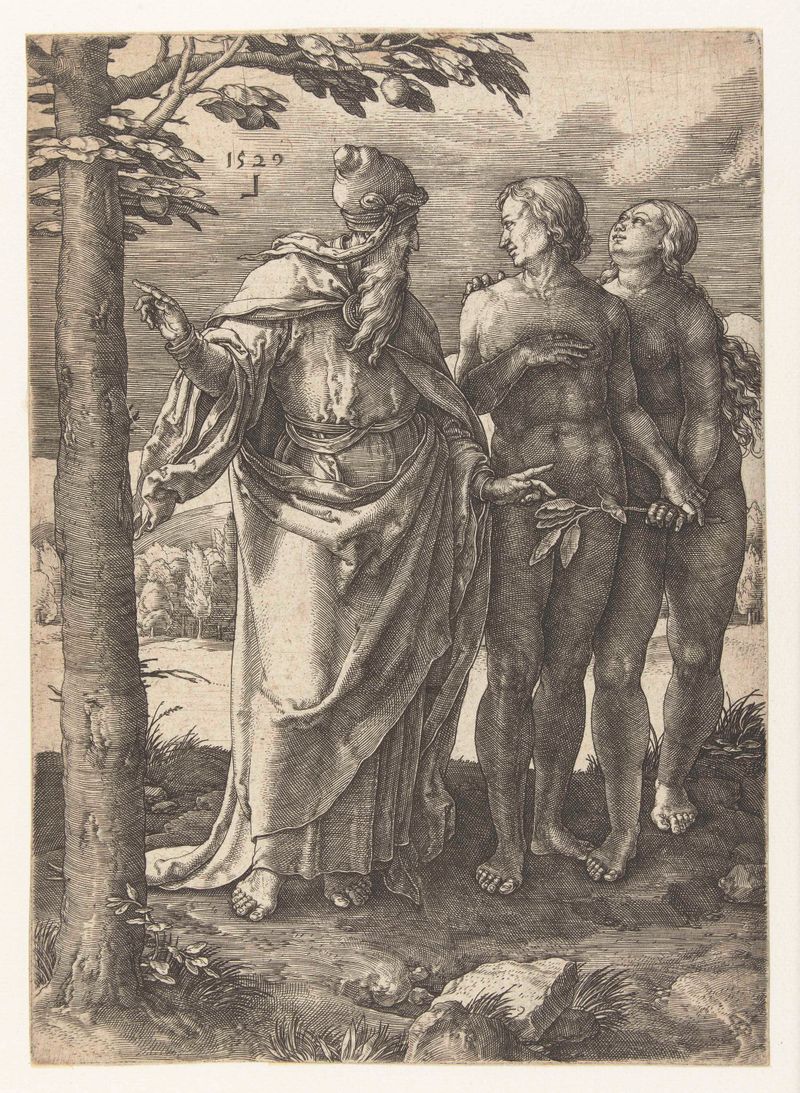
Het eerste verbod
Lucas van Leyden
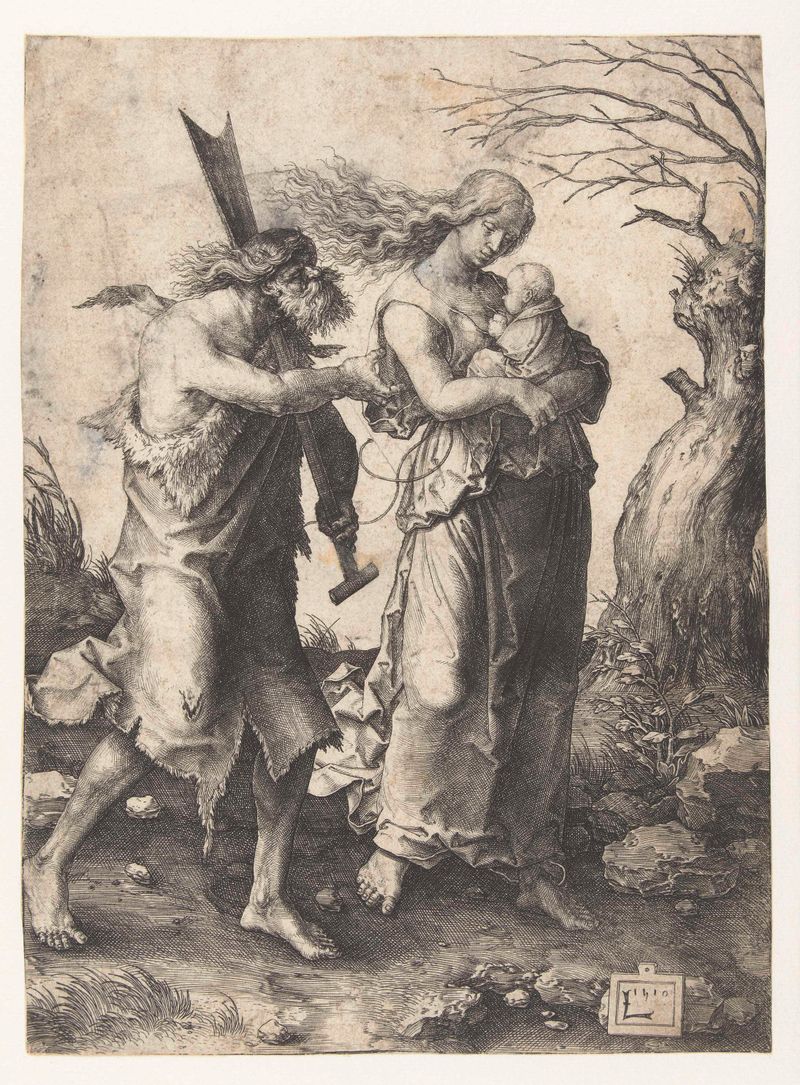
Adam en Eva na de verdrijving uit het paradijs
Lucas van Leyden
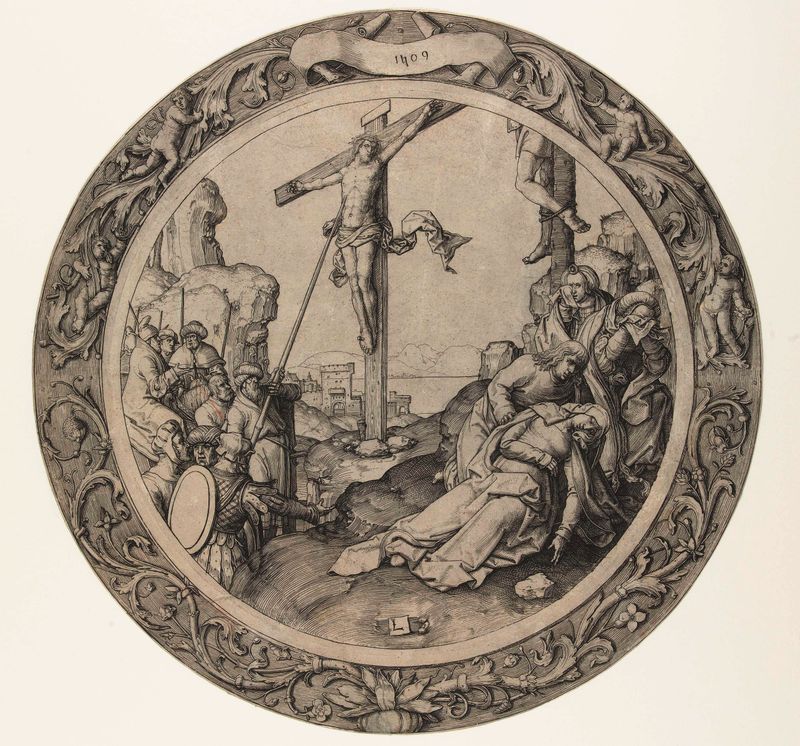
De kruisiging
Lucas van Leyden
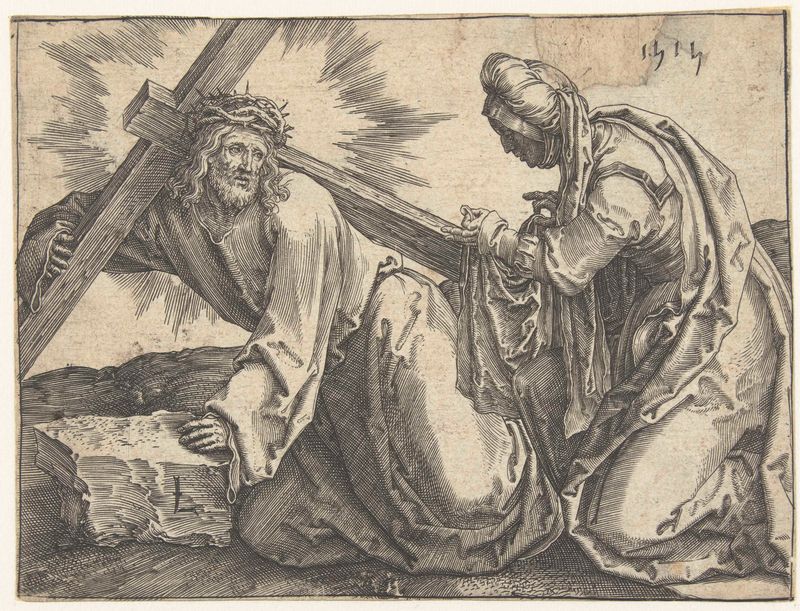
Kruisdraging
Lucas van Leyden
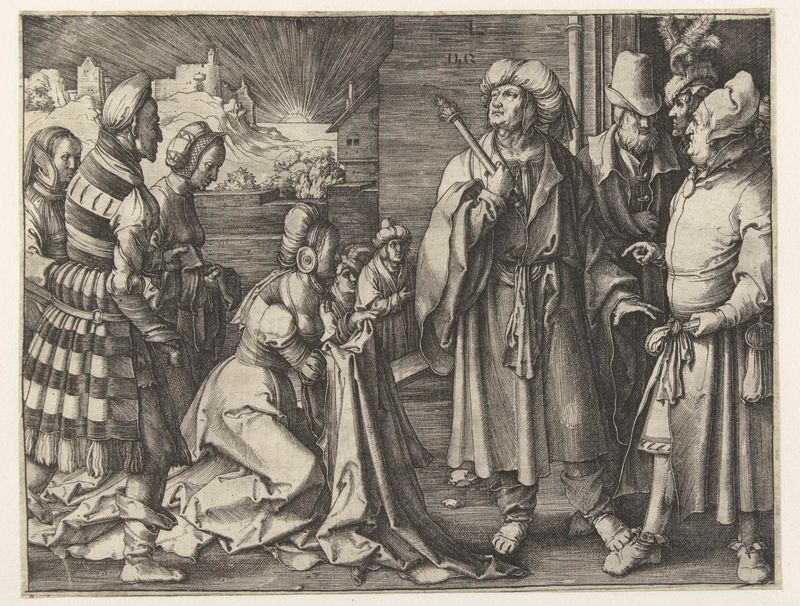
De vrouw van Potifar beschuldigt Jozef
Lucas van Leyden
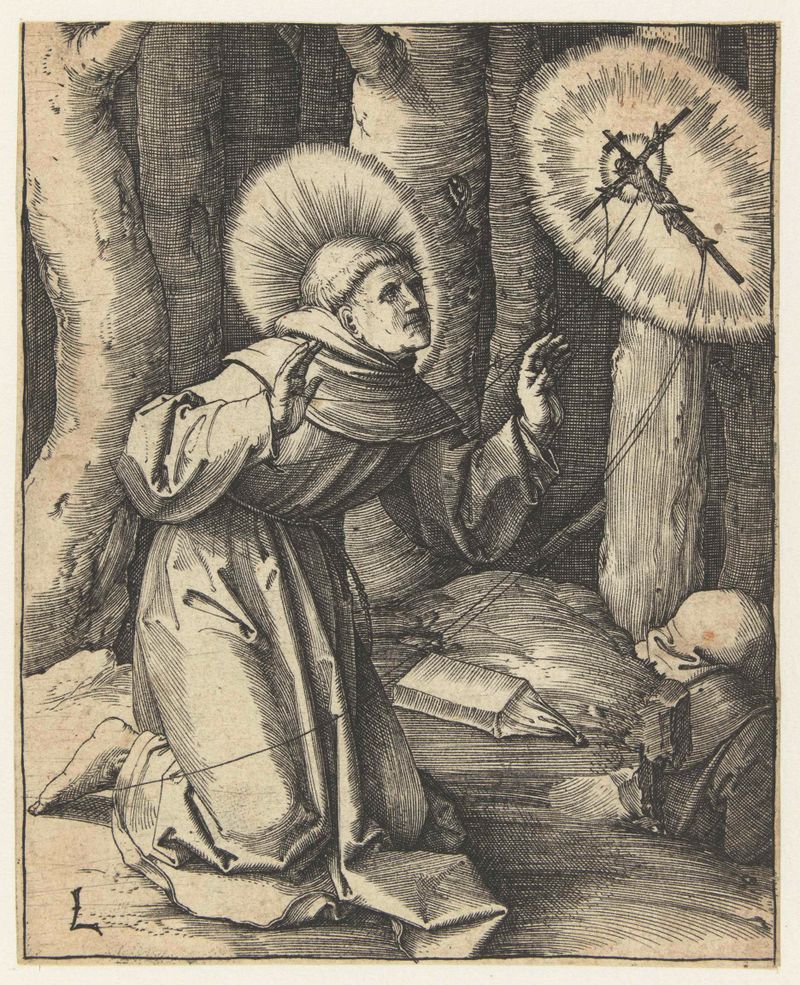
De stigmatisatie van de heilige Franciscus
Lucas van Leyden
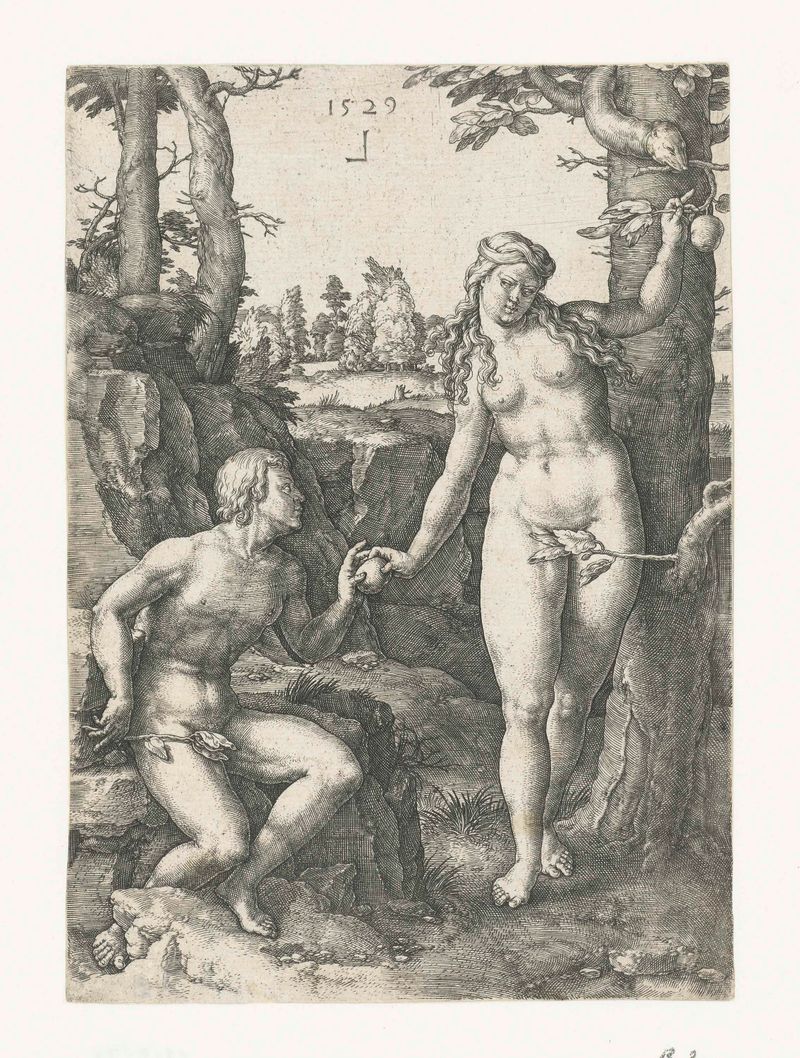
De zondeval
Lucas van Leyden
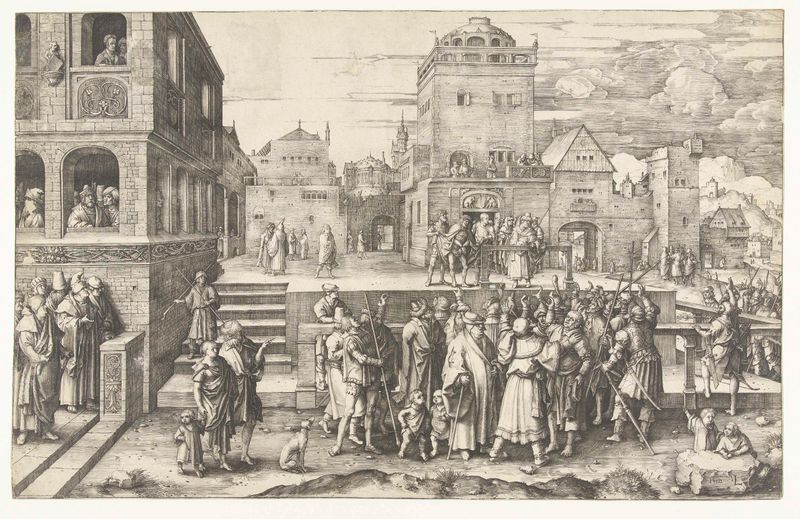
De grote Ecce Homo
Lucas van Leyden
Maria met kind
Lucas van Leyden

Doornenkroning
Lucas van Leyden
More Religious Art
Browse all →
The Return of the Prodigal Son
Rembrandt van Rijn

The Garden of Earthly Delights
El Bosco

Count Orgaz’ funeral
El Greco

The Hundred Guilder Print: the central piece with Christ preaching, the plate arched
Rembrandt van Rijn

The Descent from the Cross
Rogier van der Weyden

The return of the prodigal son
Rembrandt van Rijn