
Kind met sluier bij geopend graf — History & Facts
What draws the eye first in Kind met sluier bij geopend graf is the curious mixture of innocence and unease: a small child, draped in a heavy veil, stands at the edge of an open grave. The gesture is both theatrical and hesitant—the child lifts the shroud as if unveiling a secret, while a second, smaller figure peeks from behind a tomb. The play of light and shadow, rendered in fine etched lines, draws attention to the child’s rounded form and the cold geometry of the grave.
The urn and cypress in the background, traditional emblems of mourning, deepen the sense of ritual, while the moon above hints at mysteries that lie beyond the visible. This print, made in 1757 by Augustin de Saint-Aubin, belongs to a world where allegory and sentiment walked hand in hand. In eighteenth-century France, prints like this were collected for albums or used as models for decorative arts, their imagery designed to prompt reflection on themes of mortality, innocence, and the passage of time. The presence of children in such somber settings was not uncommon—artists often used them to soften or complicate the message.
Though history has kept few traces of this particular print’s journey, its small scale and careful detail invite the viewer to linger, searching for meaning in the child’s tentative gesture.
More Artworks by Augustin de Saint-Aubin

Parade
Augustin de Saint-Aubin
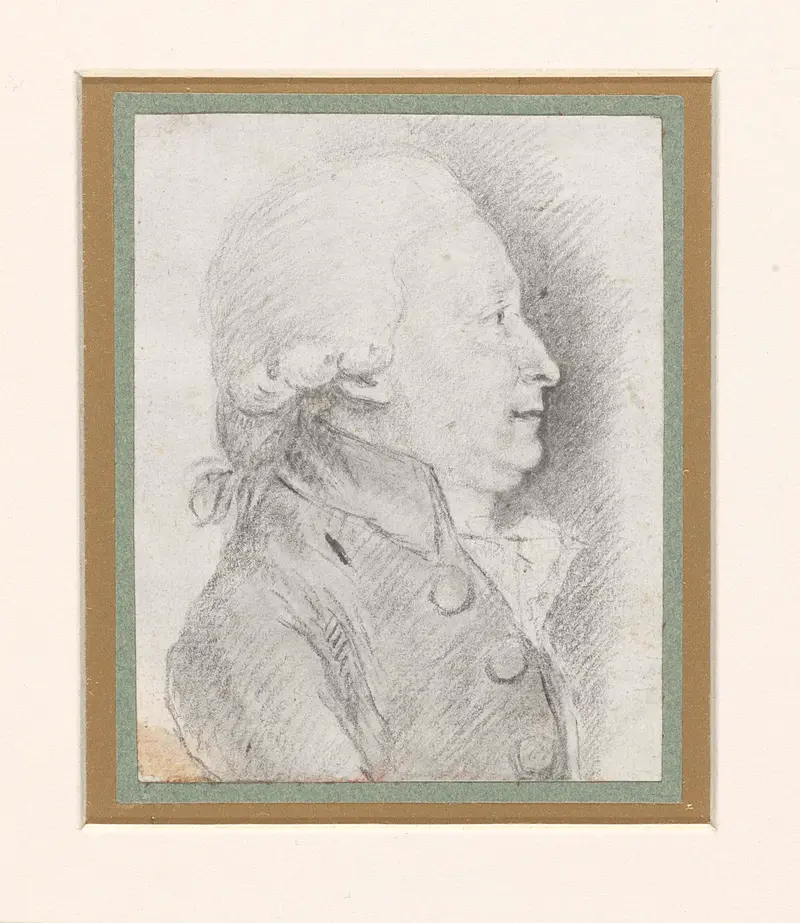
Profielportret van een oudere man met pruik
Augustin de Saint-Aubin
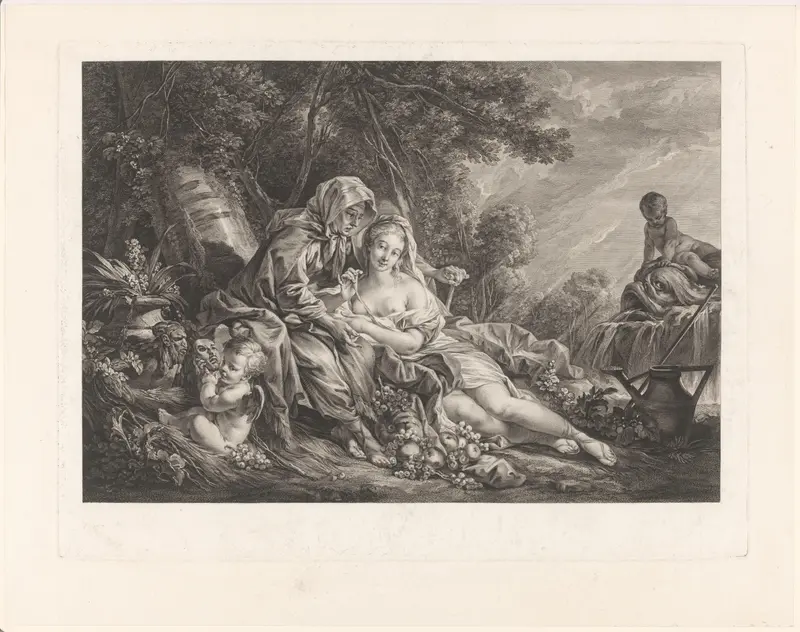
Vertumnus en Pomona in een parklandschap
Augustin de Saint-Aubin
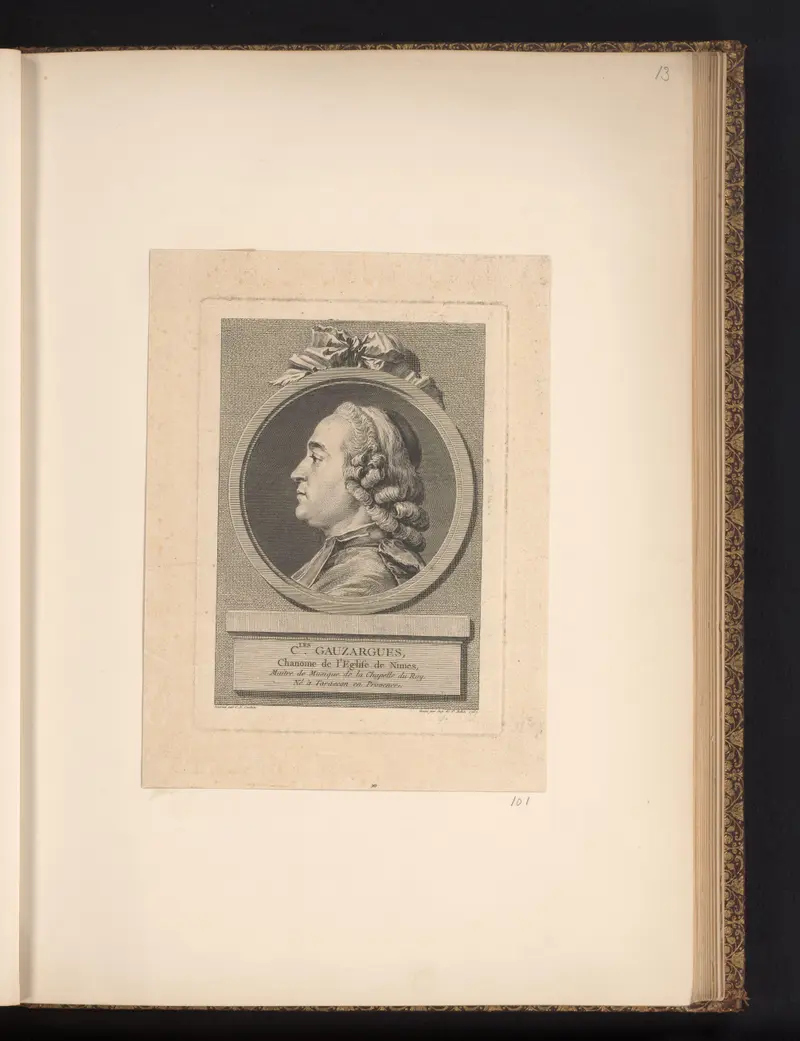
Portret van Charles Gauzargues
Augustin de Saint-Aubin
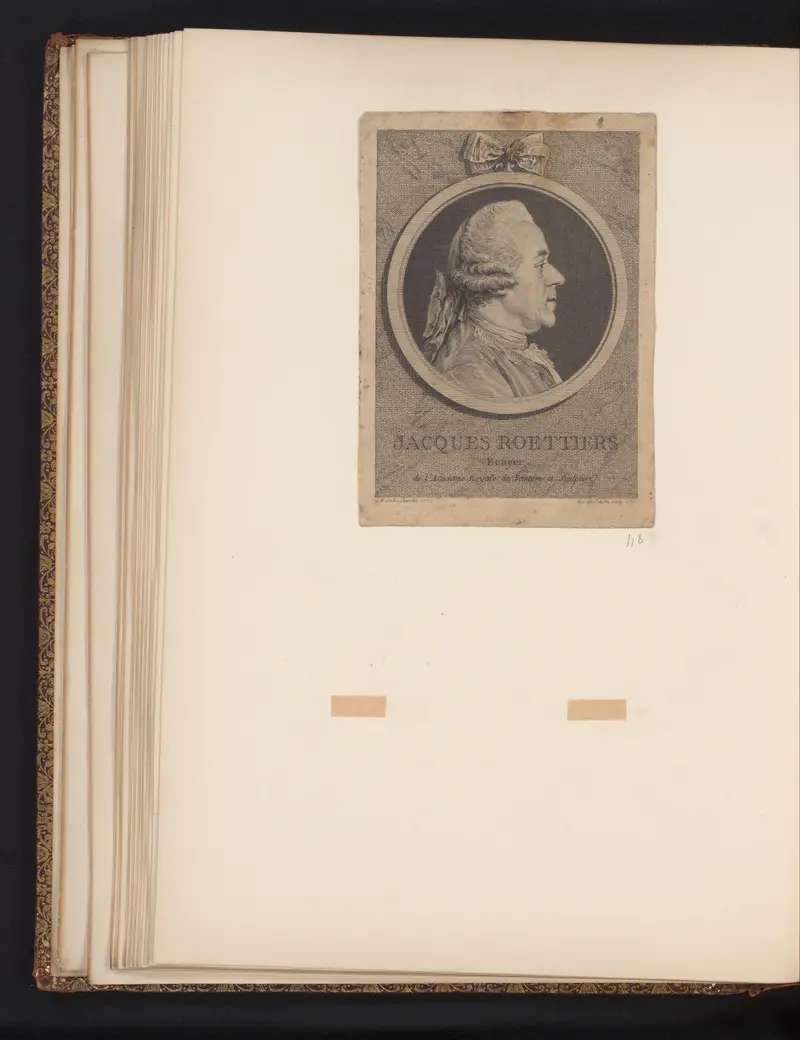
Portret van Jacques Roëttiers III
Augustin de Saint-Aubin
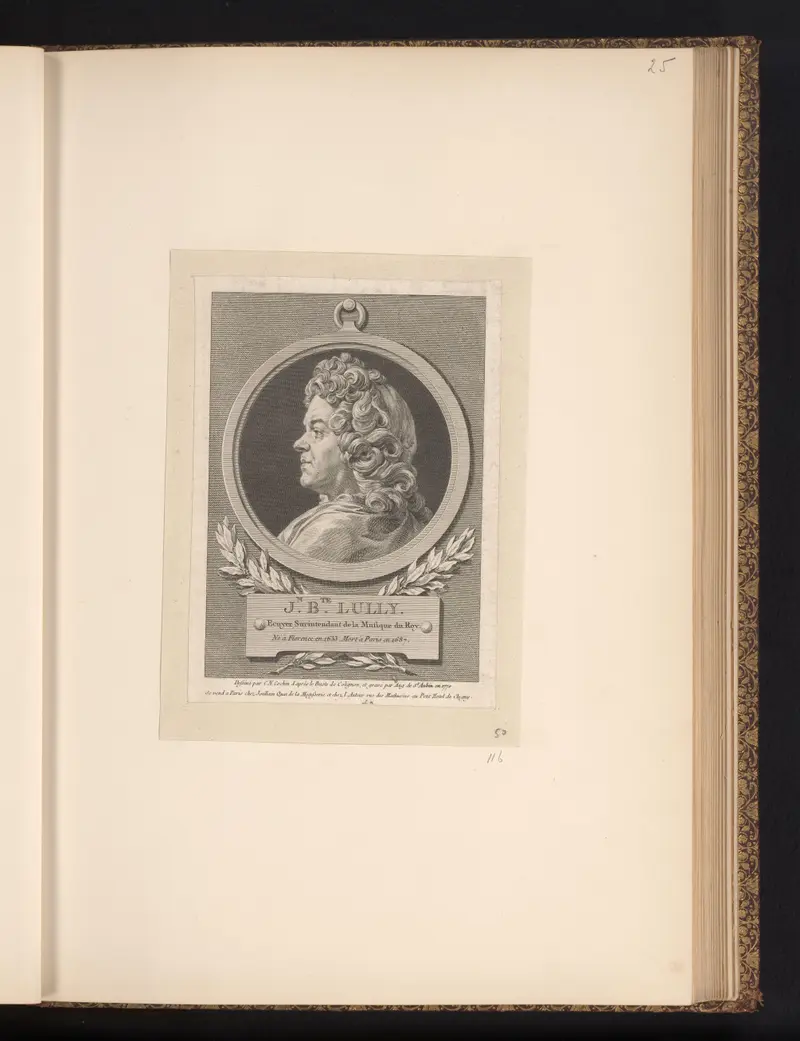
Portret van Jean-Baptiste Lully
Augustin de Saint-Aubin
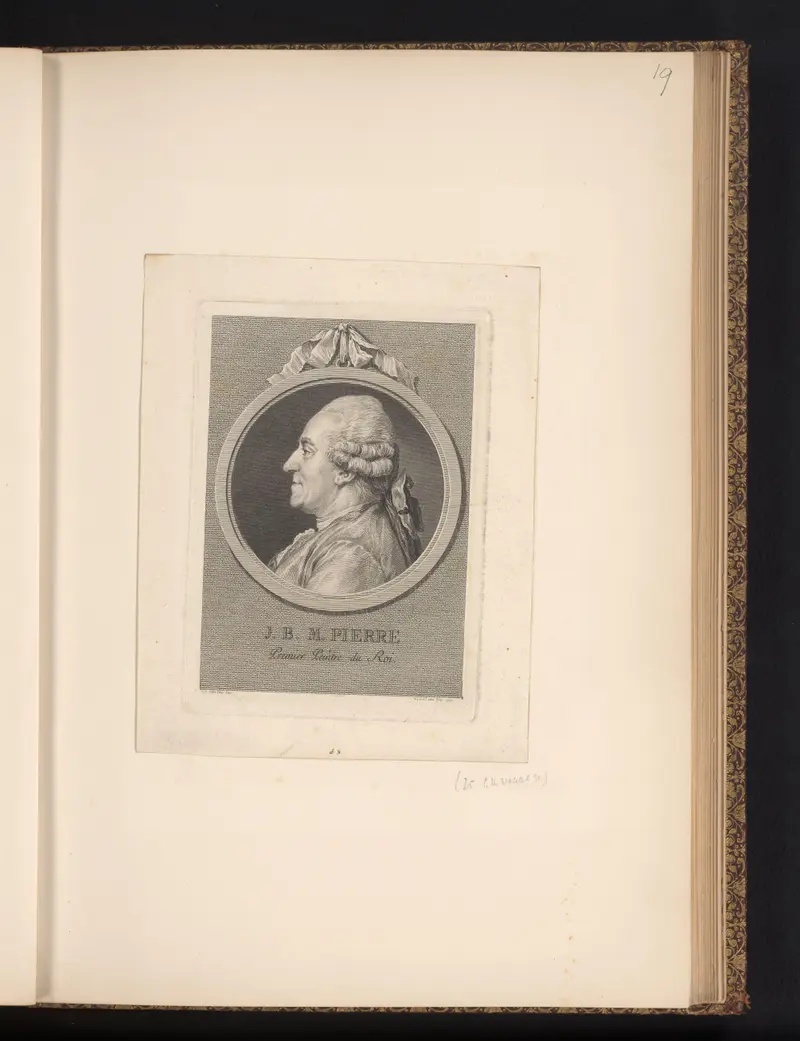
Portret van Jean Baptiste Marie Pierre
Augustin de Saint-Aubin
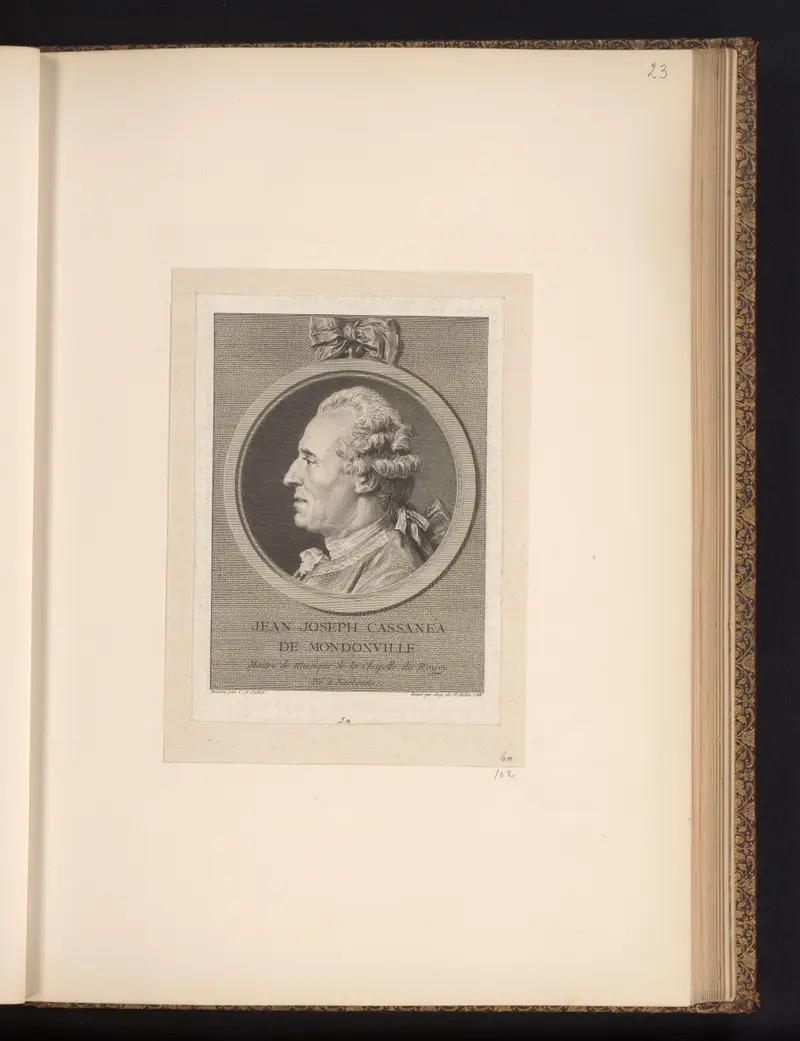
Portret van Jean-Joseph Cassanéa de Mondonville
Augustin de Saint-Aubin
Portret van Joseph Charles Roëttiers
Augustin de Saint-Aubin
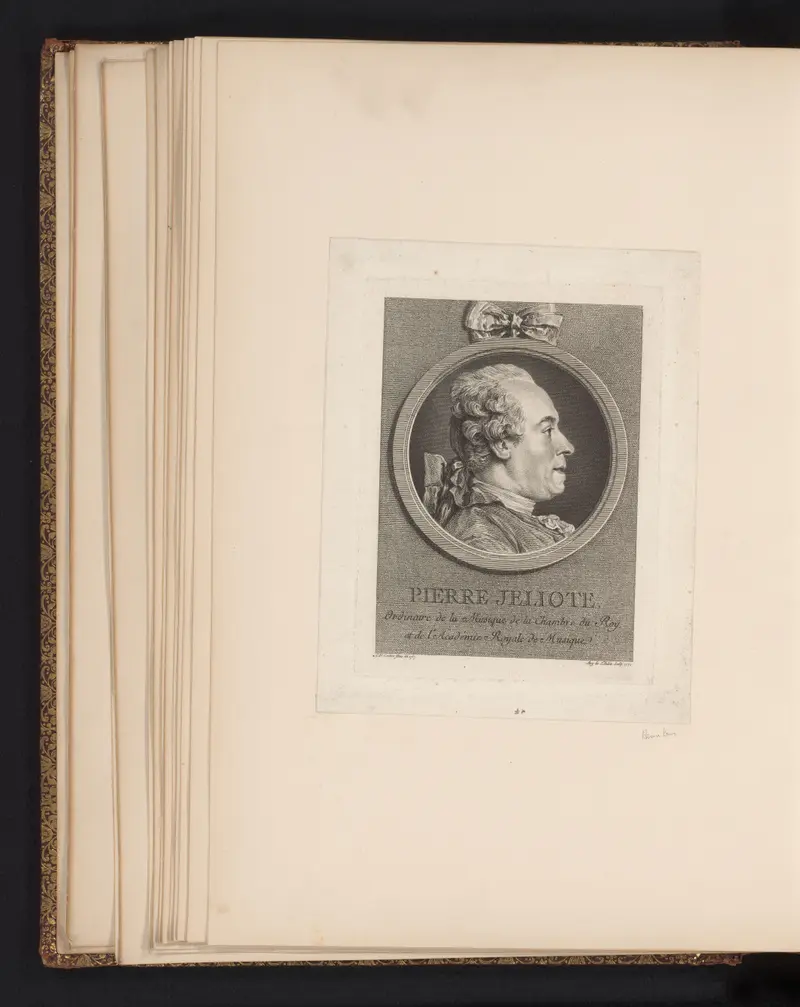
Portret van Pierre de Jélyotte
Augustin de Saint-Aubin





