King David — History & Facts
What first seizes the eye in King David by Arnold Böcklin is the striking theatricality of the king’s gesture, his hand poised mid-air as if plucking a silent note from the harp’s golden strings. The king’s gaze is not for his audience but cast heavenward, as though he listens for inspiration or approval from above. The angel at his feet, wings unfurled and scroll in hand, looks up in rapt attention, ready to record or proclaim whatever music or prophecy might descend.
Böcklin’s palette is restrained, the pinks and creams of David’s robe and the angel’s skin glowing against the cool stone niche, while the gold of the crown and harp catch the light, marking the figures as sacred within an otherwise austere setting. The Latin inscriptions in the background, “EXULTENT” and “LAETENTUR,” reinforce the sense of a psalm or hymn in progress, a moment suspended between earth and the divine. Painted in 1868, this work belongs to a period when artists across Europe were drawn to biblical and mythological themes, often using them to explore questions of inspiration, leadership, and the role of the artist or prophet. Arnold Böcklin, a Swiss painter associated with Symbolism, was known for infusing his works with an otherworldly atmosphere and psychological depth, and here he transforms the biblical king into a figure of introspection and creative power.
While history has kept few traces of this particular painting’s early journey, it now resides in the collection of the Kunstmuseum Basel, a testament to the enduring fascination with images that bridge the human and the divine. Return to the painting, and notice how every fold of fabric and every line of the harp draws you into the silent music of Böcklin’s vision.
More Artworks by Arnold Böcklin

Die Toteninsel III
Arnold Böcklin
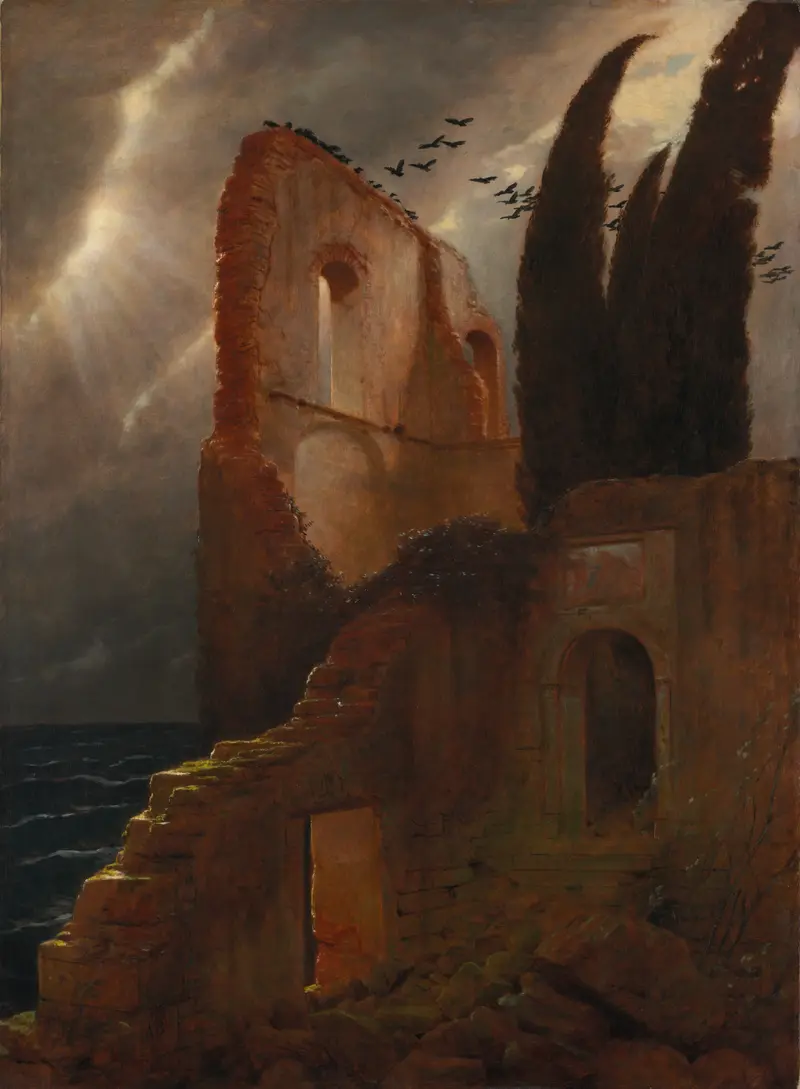
Ruin by the Sea
Arnold Böcklin
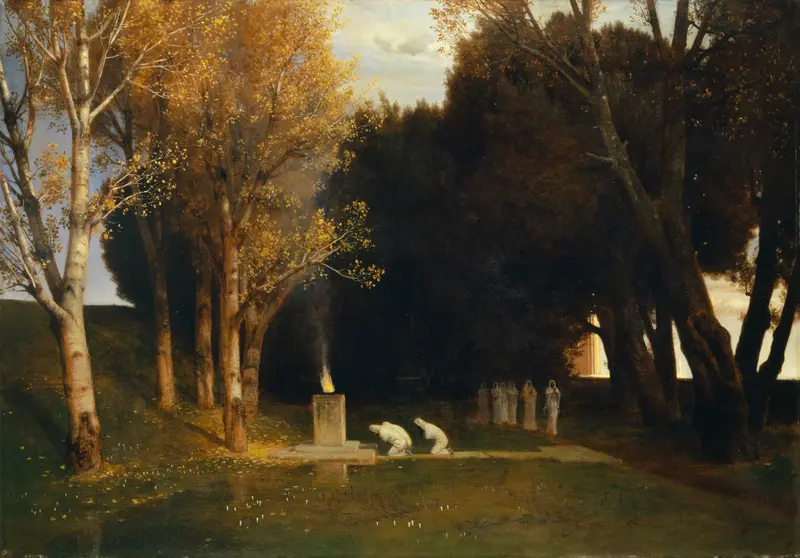
The Sacred Grove
Arnold Böcklin
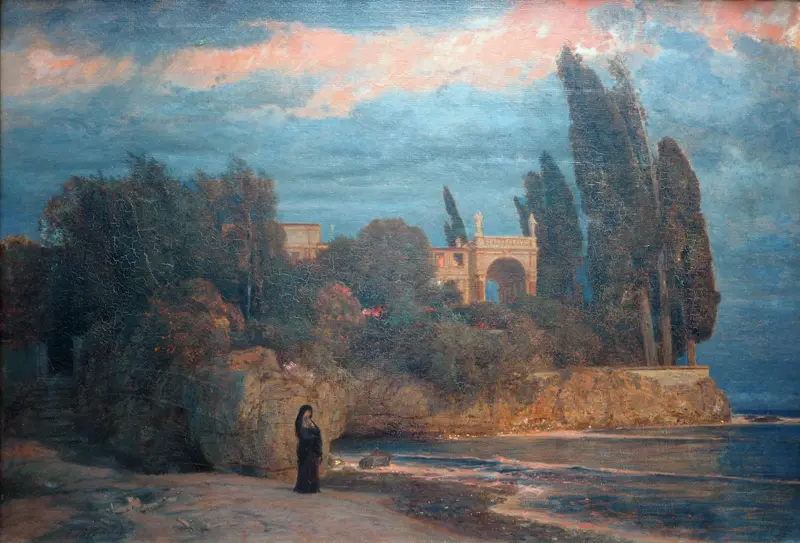
Villa by the Sea
Arnold Böcklin
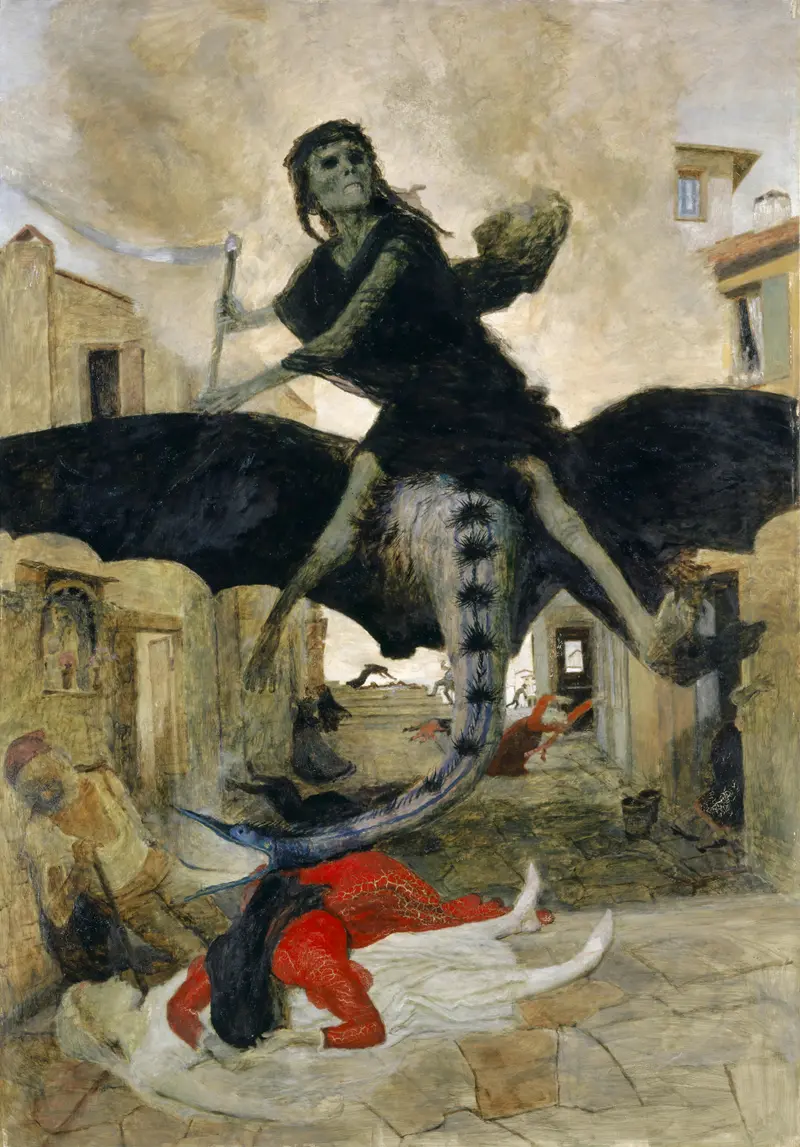
The Plague
Arnold Böcklin
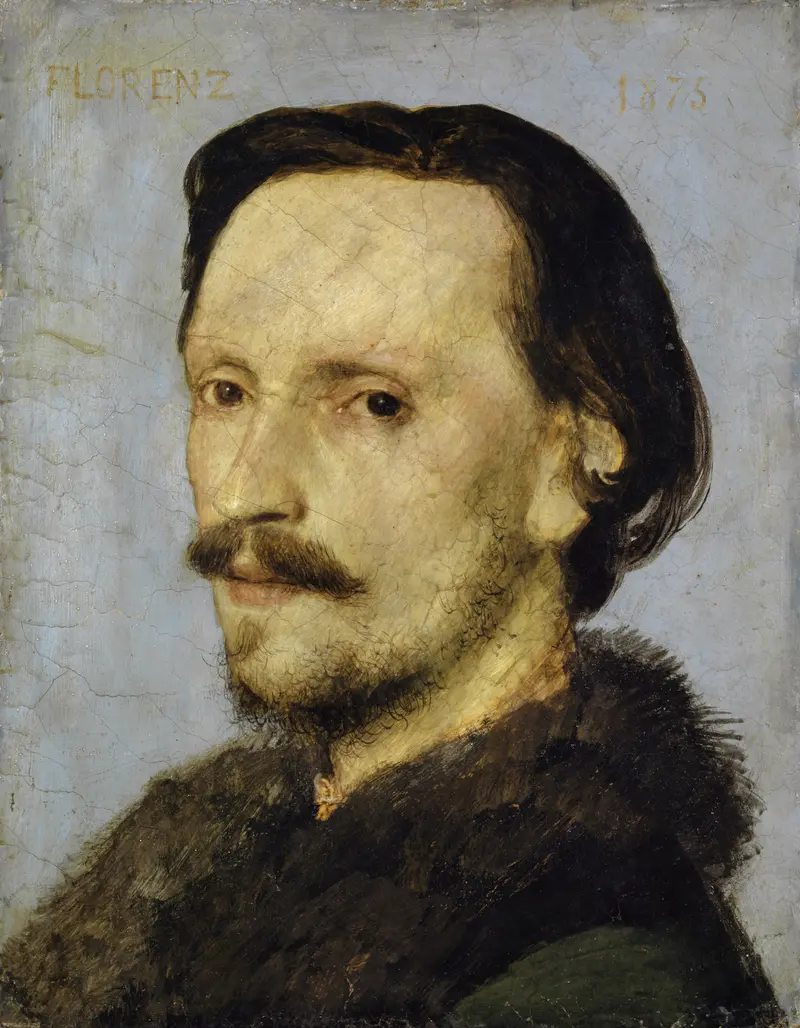
Böcklin Bildnis des Kunsthistorikers Adolph Bayersdorfer, 1875
Arnold Böcklin
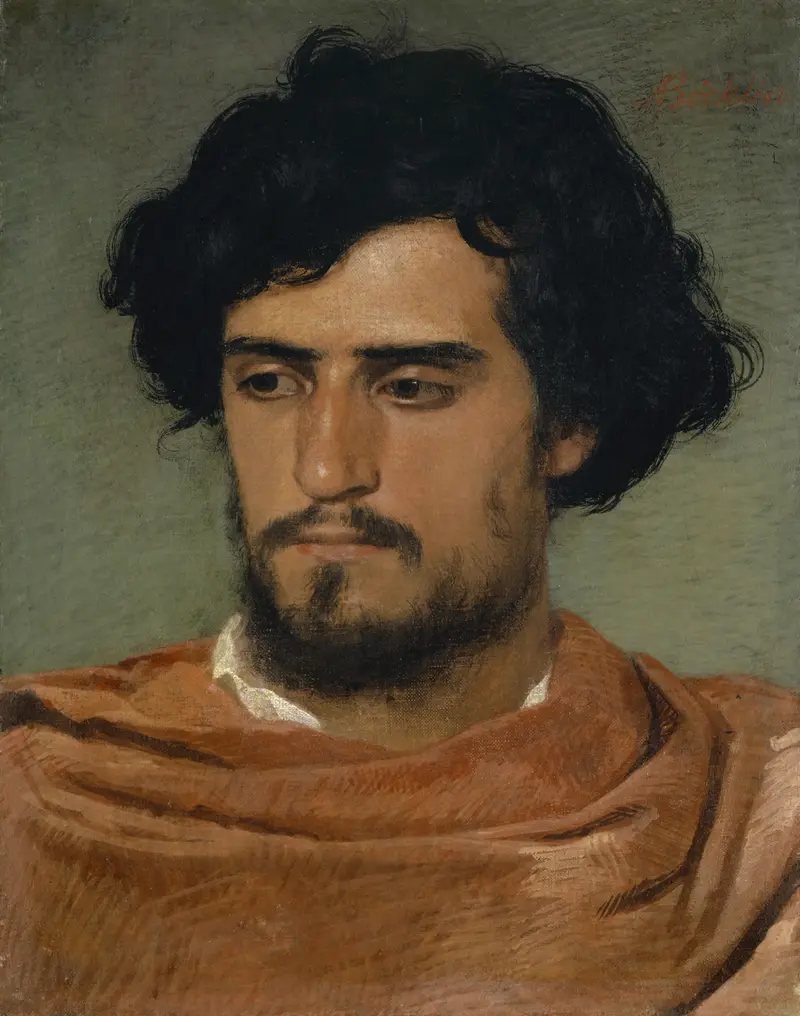
Head of a Roman
Arnold Böcklin
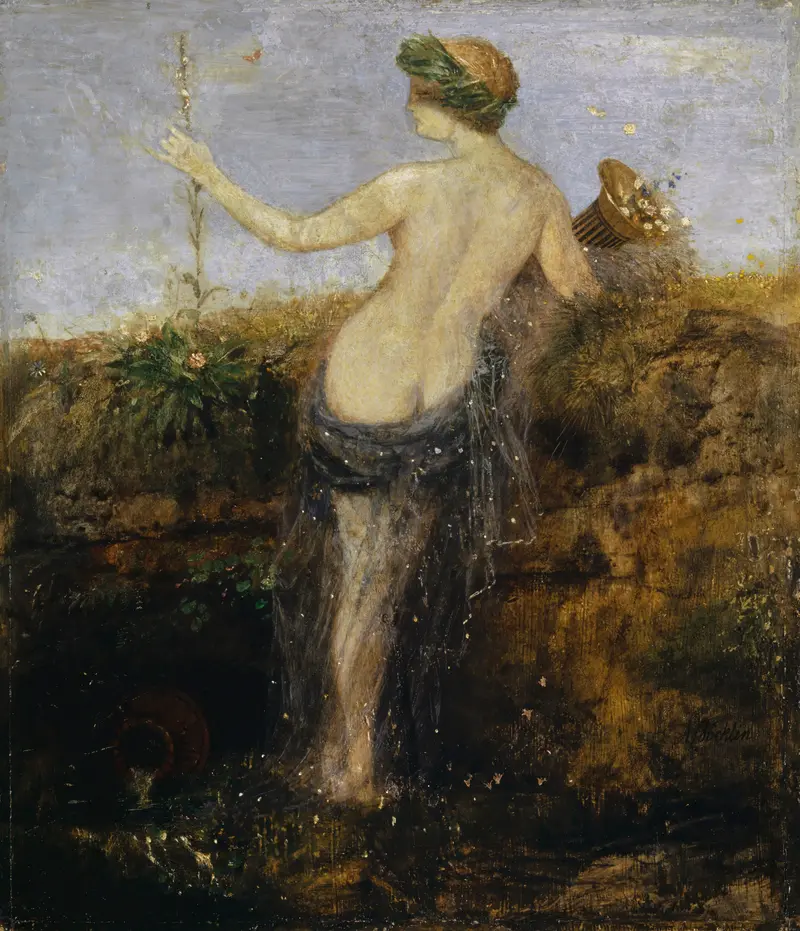
Nymphe with Horn of Plenty
Arnold Böcklin
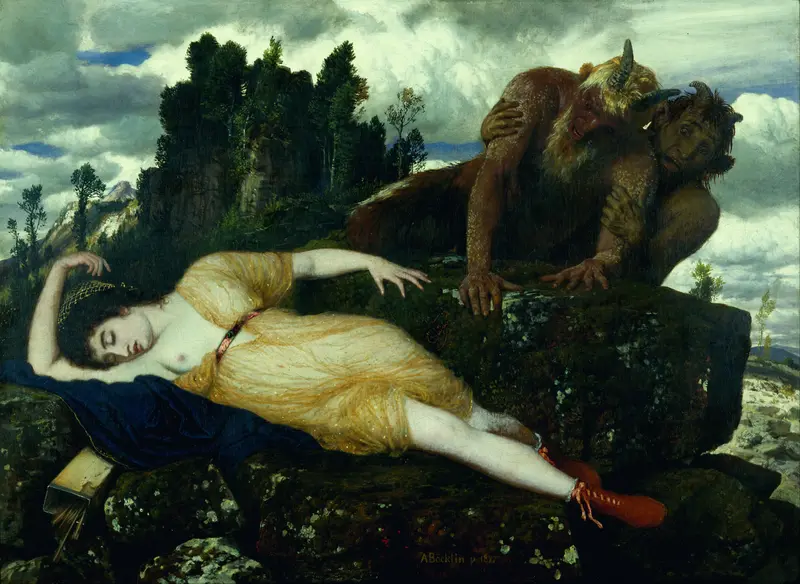
Sleeping Diana Watched by Two Fauns
Arnold Böcklin
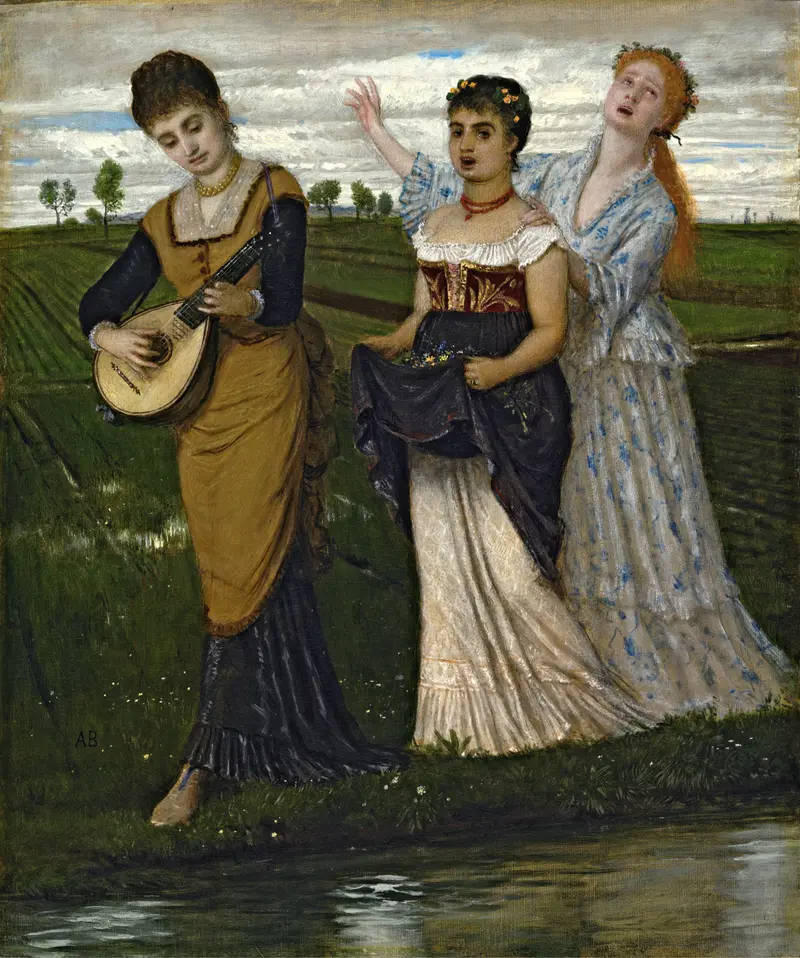
Spring (Songs of Spring)
Arnold Böcklin