
Koningen Achaz, Hizkia en Manasse — History & Facts
Did the painter know this moment would outlive them? In Koningen Achaz, Hizkia en Manasse, a whisper of hope lingers amidst the intricate details, beckoning us to explore the depths of its narrative. Look to the left at the contemplative expression of King Hezekiah, surrounded by the richness of Renaissance color. The warm golds and vibrant reds create a striking contrast with the cooler tones of the figures beside him. Notice how the delicate interplay of light reveals the fine textures of the fabrics, highlighting the emotional weight surrounding the kings.
The composition draws the eye inward, as each gesture and glance converges on the central theme of faith and leadership. Beneath the surface, this artwork encapsulates the tension between despair and redemption. The worried gaze of King Ahaz suggests a troubled past, while the resolute stance of King Manasseh hints at a hopeful future. The small details, such as the intricately designed crowns and the subtle gestures of reverence, underscore the gravity of their decisions.
Together, these elements reveal a layered narrative of legacy, illustrating how choices resonate through time, shaping destinies across generations. Lucas van Leyden painted this work between 1518 and 1522 in the Netherlands, a period marked by the burgeoning influence of humanism in art. Emerging from the Northern Renaissance, he navigated a world of profound religious change and artistic exploration. His ability to merge storytelling with masterful execution reflected not only his individual vision but also the broader cultural shifts that defined his era.
More Artworks by Lucas van Leyden
Browse all →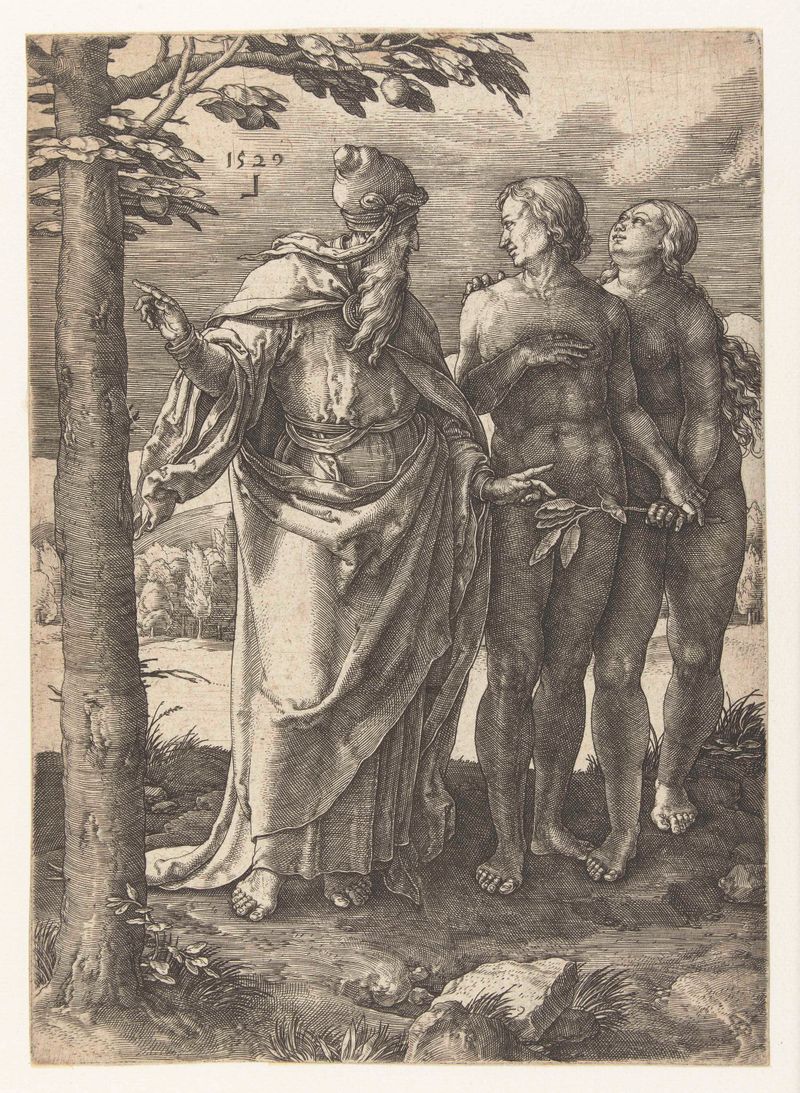
Het eerste verbod
Lucas van Leyden
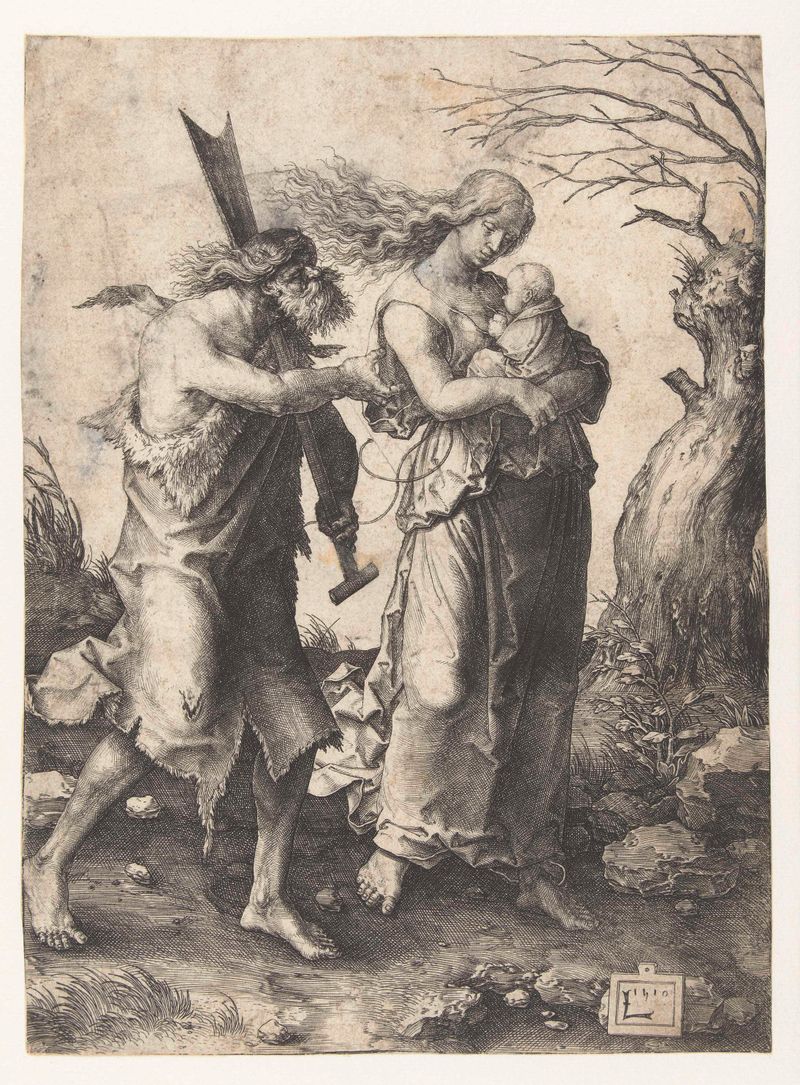
Adam en Eva na de verdrijving uit het paradijs
Lucas van Leyden
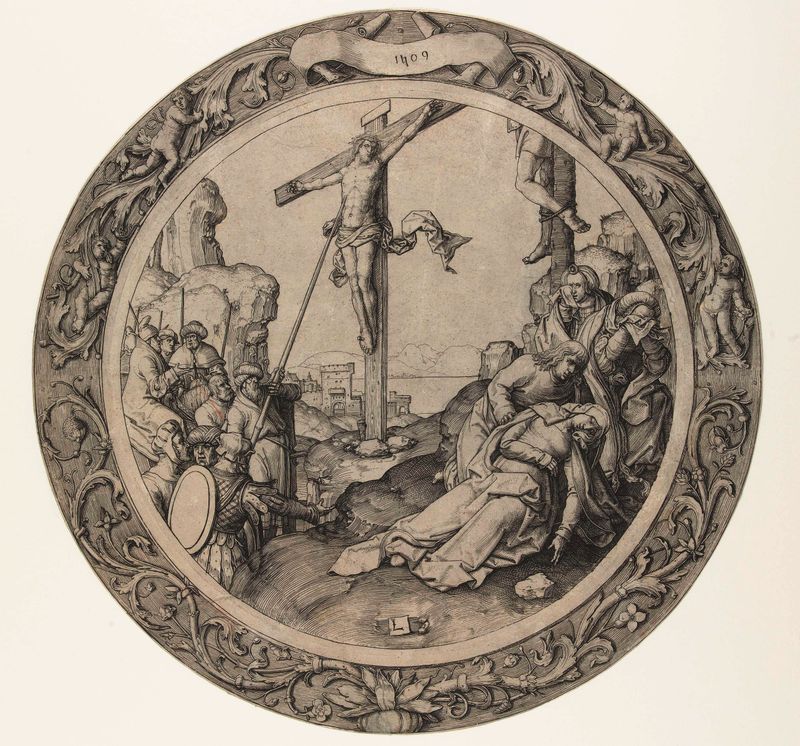
De kruisiging
Lucas van Leyden
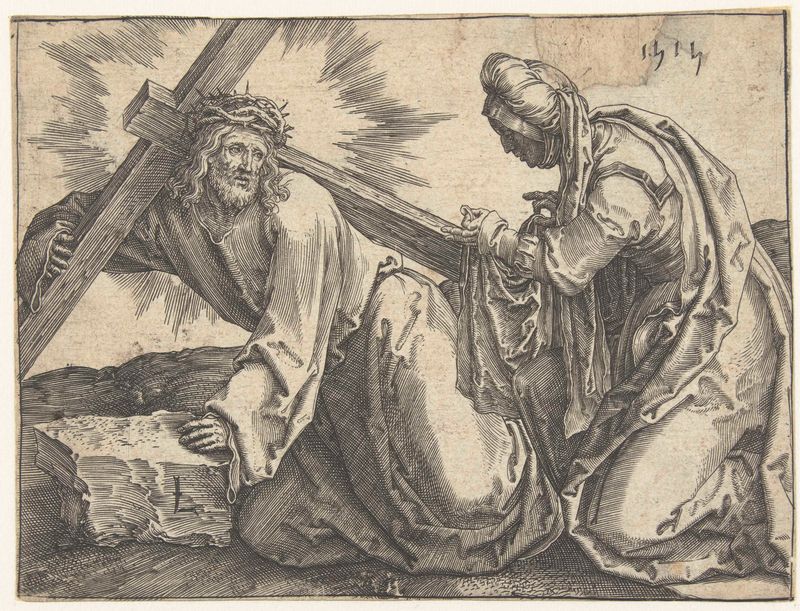
Kruisdraging
Lucas van Leyden
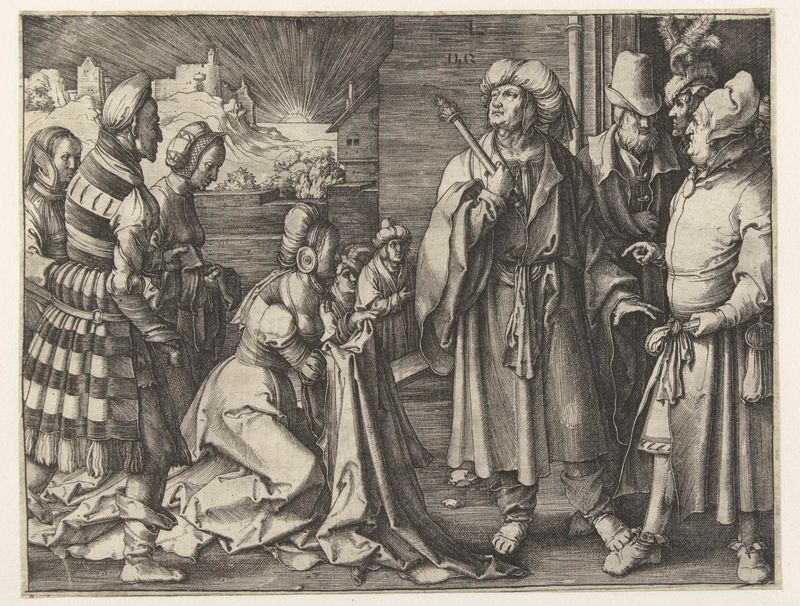
De vrouw van Potifar beschuldigt Jozef
Lucas van Leyden
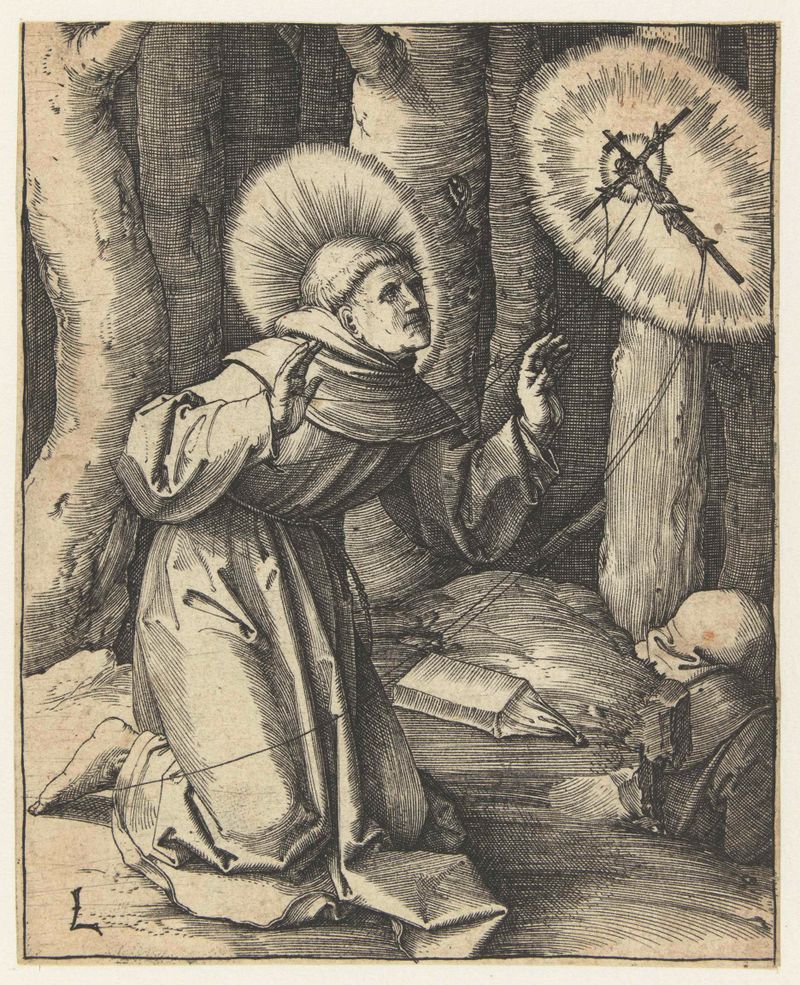
De stigmatisatie van de heilige Franciscus
Lucas van Leyden
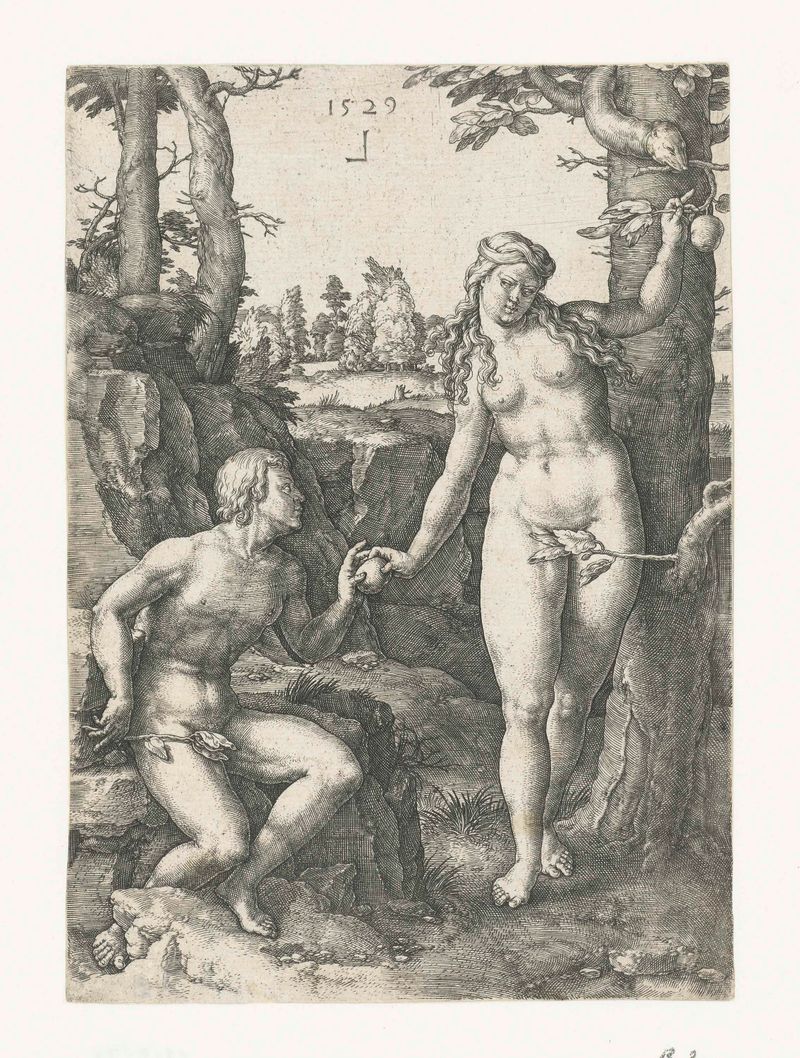
De zondeval
Lucas van Leyden
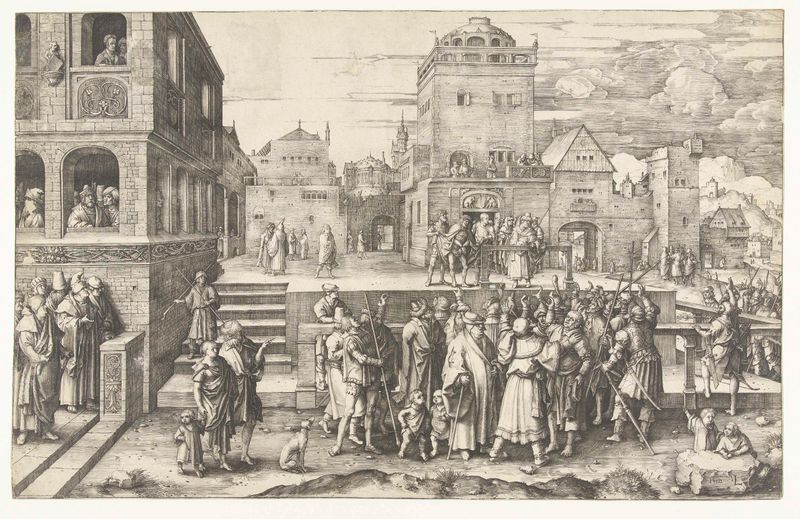
De grote Ecce Homo
Lucas van Leyden
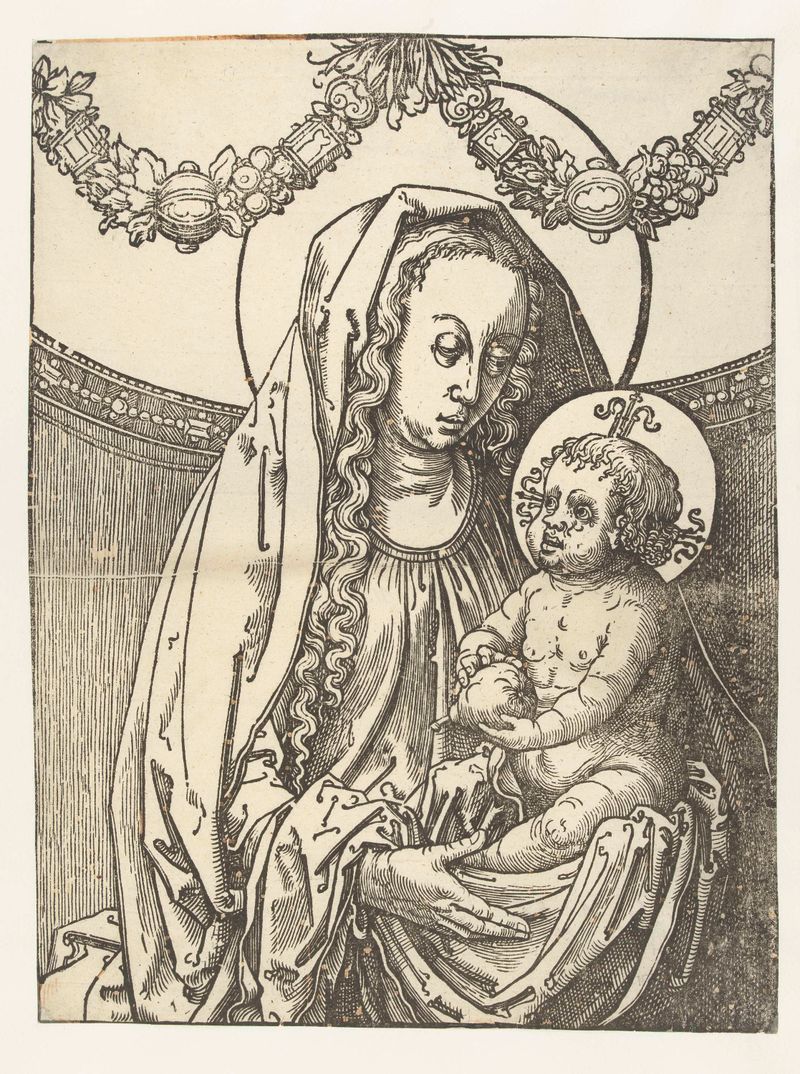
Maria met kind
Lucas van Leyden

Doornenkroning
Lucas van Leyden
More Religious Art
Browse all →
The Return of the Prodigal Son
Rembrandt van Rijn

The Garden of Earthly Delights
El Bosco

Count Orgaz’ funeral
El Greco

The Hundred Guilder Print: the central piece with Christ preaching, the plate arched
Rembrandt van Rijn

The Descent from the Cross
Rogier van der Weyden

The return of the prodigal son
Rembrandt van Rijn