
Koningen Achaz, Hizkia en Manasse — History & Facts
In the delicate balance of chaos and order, the essence of transcendence emerges, inviting us to reflect on our own journeys through turmoil and redemption. Look to the center of the canvas, where a striking interplay of figures unfolds, each draped in textiles that seem to breathe with life. The artist’s precise use of linework guides your gaze, leading you from the solemn expressions of the kings to the intricate details of their garments, rich with gold and hue. Notice how the background dissolves into a gentle chiaroscuro, encapsulating the figures in a divine aura, underscoring their royal status yet accentuating their humanity with an air of gravity. The emotional tension pulsates through the contrasting postures of the kings—Achaz, Hizkia, and Manasse.
Each embodies a spectrum of moral complexity; Achaz stands aloof, a symbol of hubris, while Hizkia reaches out, offering hope and reconciliation. The delicate balance between light and shadow illustrates the struggle between faith and despair, and the viewer senses the heavy burden of leadership. Every detail, from the expressions to the subtle gestures, contributes to a narrative that speaks not just of kings, but of the universal search for grace amid chaos. Lucas van Leyden painted this masterpiece between 1518 and 1522 during a transformative period for Northern Renaissance art, marked by increasing complexity in themes and techniques.
Living in Leiden, he was influenced by both the burgeoning humanist ideals and the intricacies of religious storytelling, capturing the profound weight of historical figures through a lens that blends realism with spiritual transcendence.
More Artworks by Lucas van Leyden
Browse all →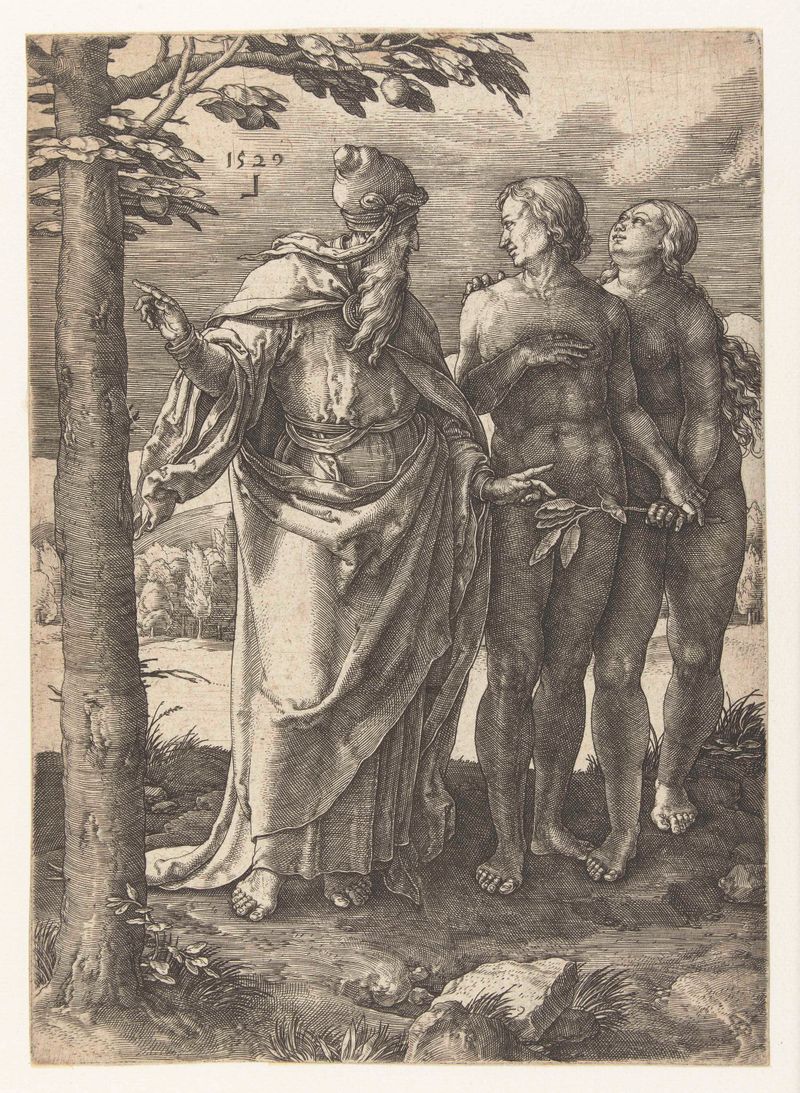
Het eerste verbod
Lucas van Leyden
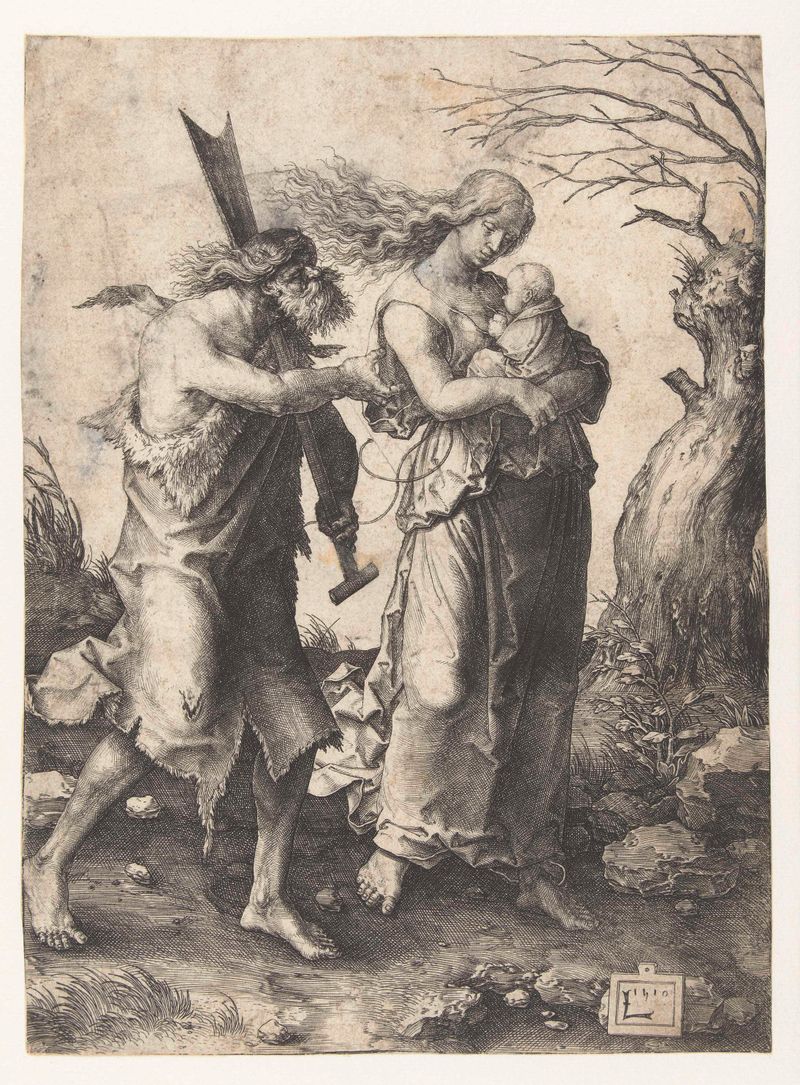
Adam en Eva na de verdrijving uit het paradijs
Lucas van Leyden
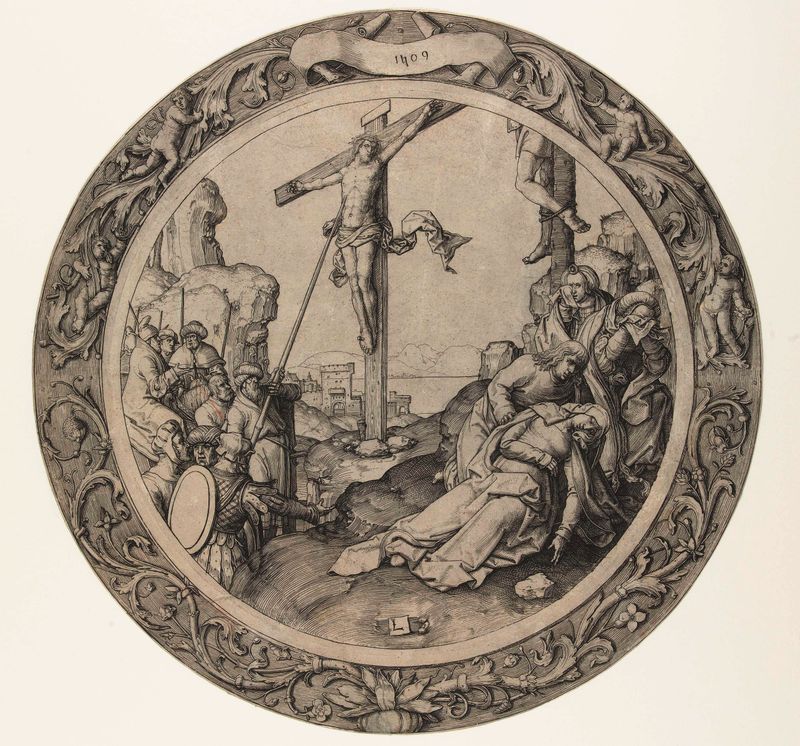
De kruisiging
Lucas van Leyden
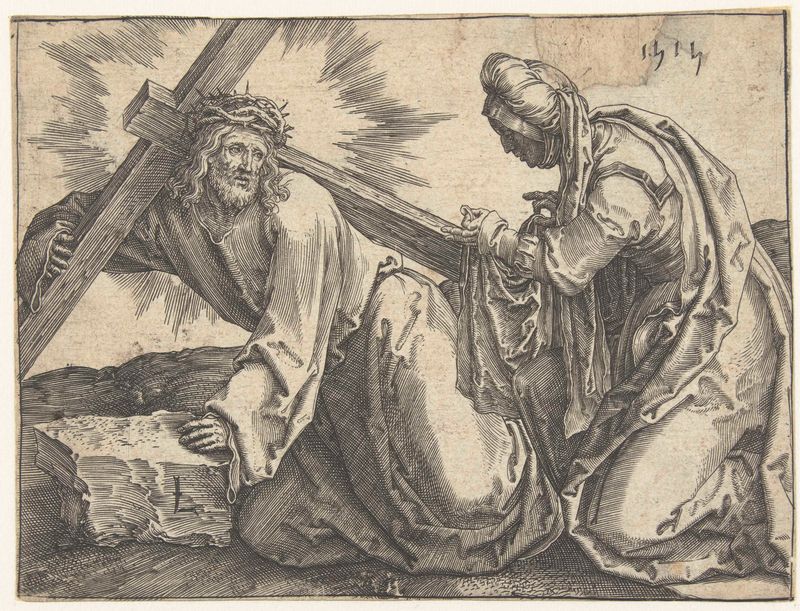
Kruisdraging
Lucas van Leyden
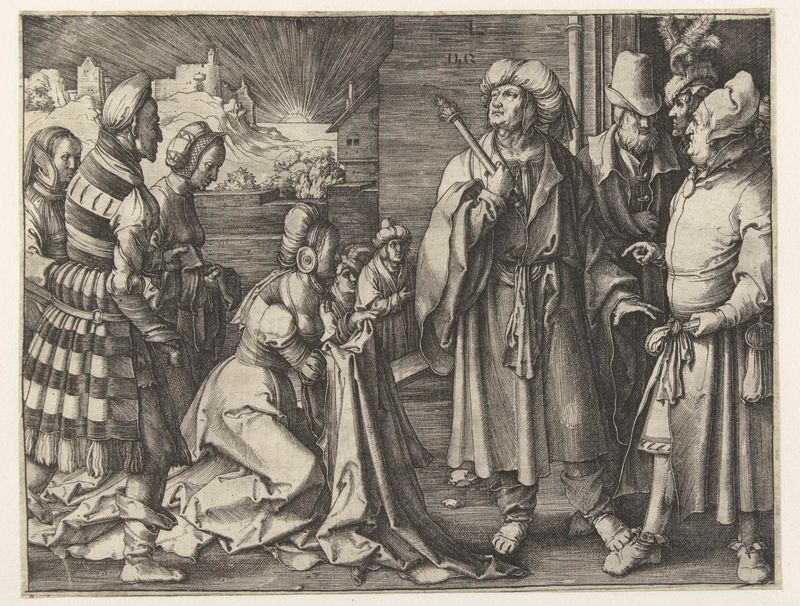
De vrouw van Potifar beschuldigt Jozef
Lucas van Leyden
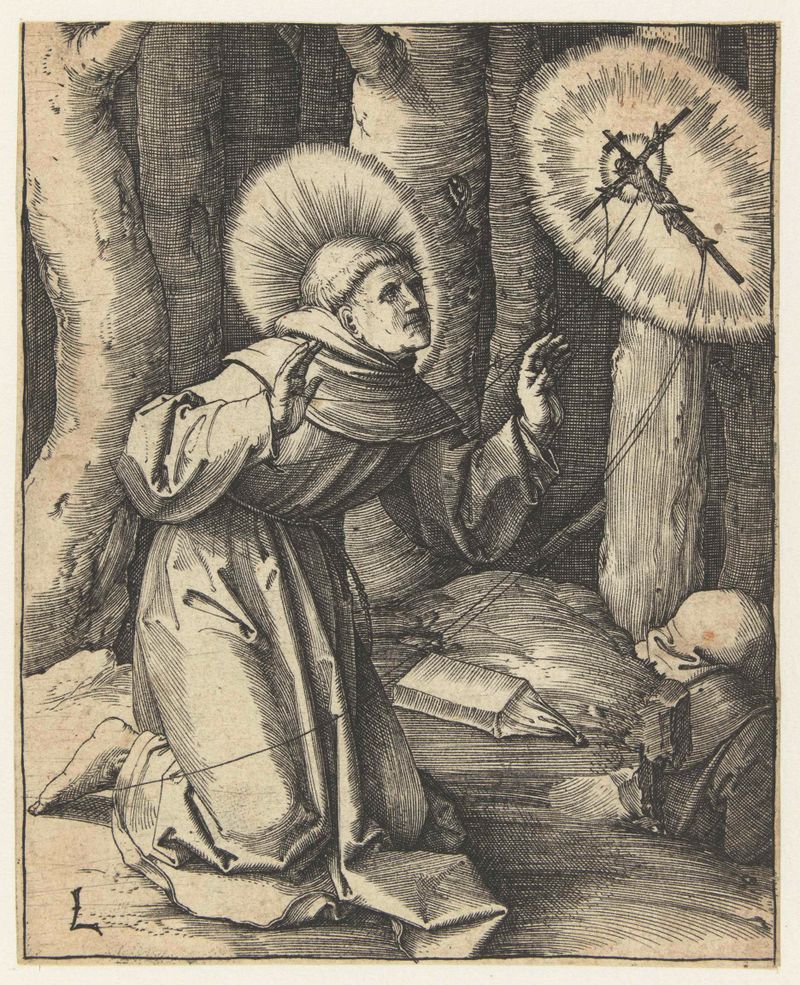
De stigmatisatie van de heilige Franciscus
Lucas van Leyden
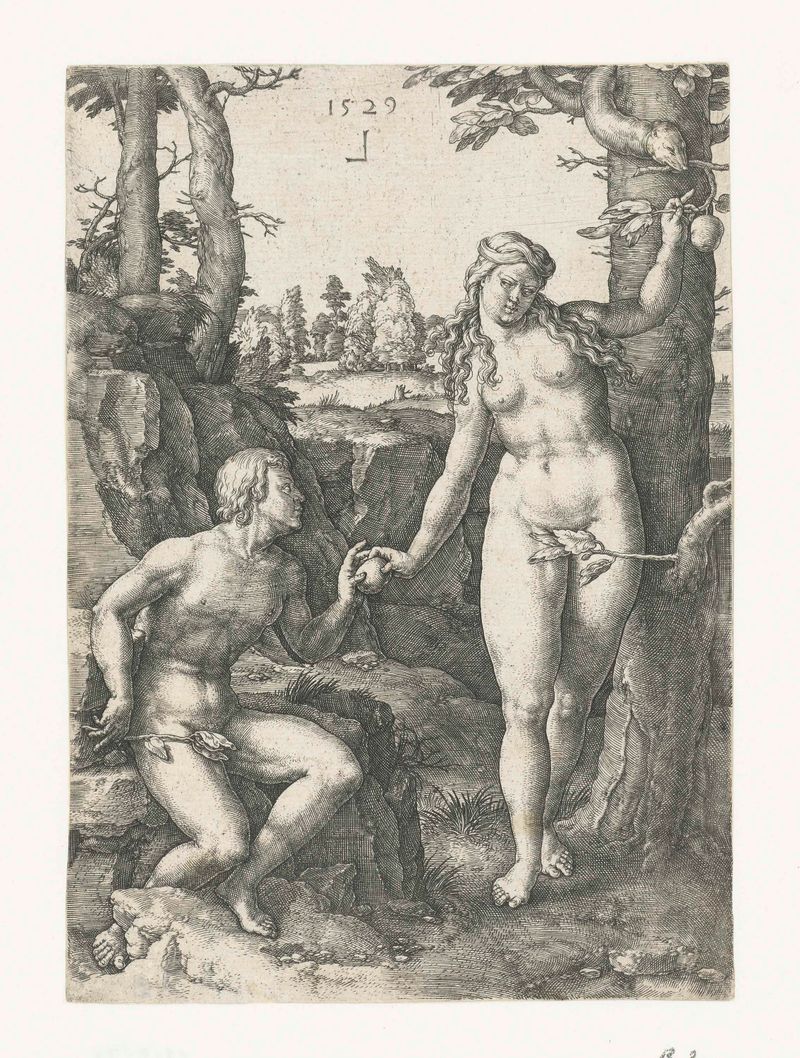
De zondeval
Lucas van Leyden
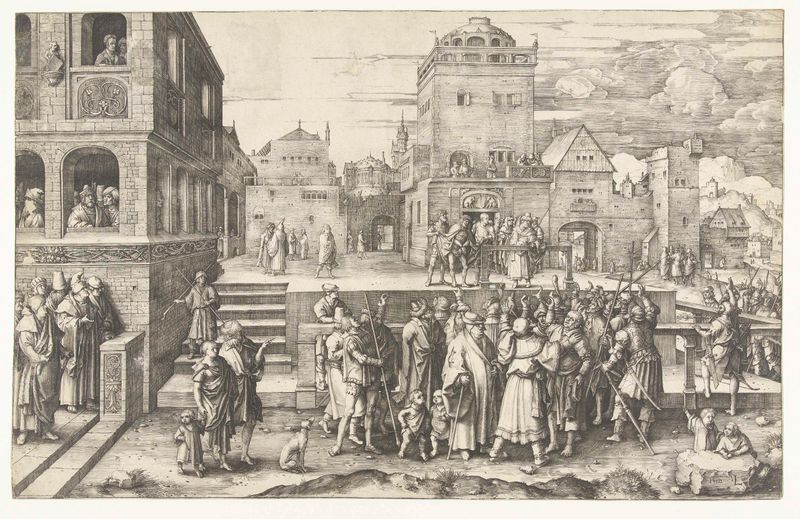
De grote Ecce Homo
Lucas van Leyden
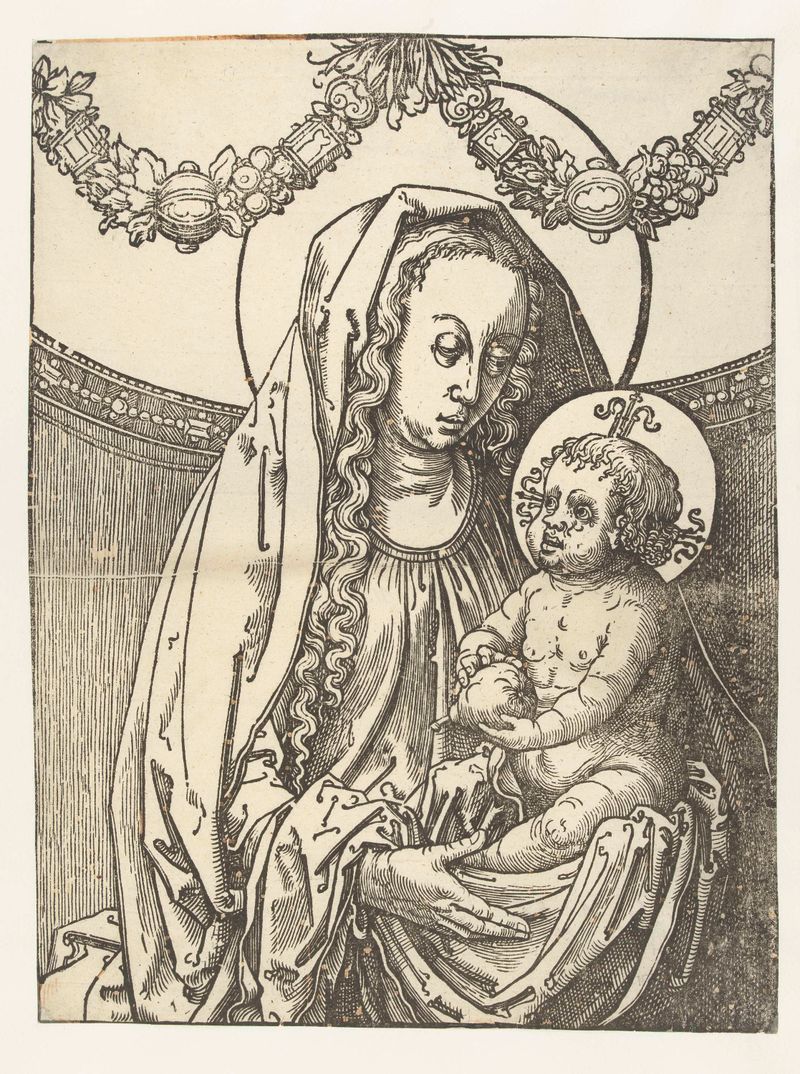
Maria met kind
Lucas van Leyden

Doornenkroning
Lucas van Leyden
More Religious Art
Browse all →
The Return of the Prodigal Son
Rembrandt van Rijn

The Garden of Earthly Delights
El Bosco

Count Orgaz’ funeral
El Greco

The Hundred Guilder Print: the central piece with Christ preaching, the plate arched
Rembrandt van Rijn

The Descent from the Cross
Rogier van der Weyden

The return of the prodigal son
Rembrandt van Rijn