
Koningen David, Salomo en Jerobeam — History & Facts
Who listens when art speaks of silence? In Koningen David, Salomo en Jerobeam, the weight of unvoiced destinies hangs palpably in the air, beckoning the viewer to decode the unspoken narratives woven through the composition. Focus first on the trio of figures at the center, where King David, Solomon, and Jeroboam engage in a silent discourse, their postures exuding a blend of authority and uncertainty. Notice how the interplay of light bathes their faces, accentuating the tension in Solomon’s brow while casting shadows that deepen the intrigue around Jeroboam. The rich hues of the fabric draw the eye, inviting contemplation of status and power within this sacred moment, while intricate details in the background hint at a world bustling with fate's relentless march. Delve deeper into the contrasts present: the certainty in David’s gaze juxtaposed against the apprehension of Jeroboam, whose fate seems to loom ominously over him.
The use of rich, golden tones imparts a regal quality that belies the undercurrents of treachery and ambition brewing in the scene. Each figure embodies a different facet of human ambition and divine providence, drawing the viewer to reflect on the collision of destiny and choice. Created between 1518 and 1522, this work emerged during a time of great artistic exploration in the Northern Renaissance. Lucas van Leyden, working in his homeland of Leiden, was noted for his pioneering prints and intricate paintings, navigating a landscape ripe with religious and political turbulence.
This period of transformation deeply influenced his artistic lens, evident in the emotional depth and narrative complexity of this piece.
More Artworks by Lucas van Leyden
Browse all →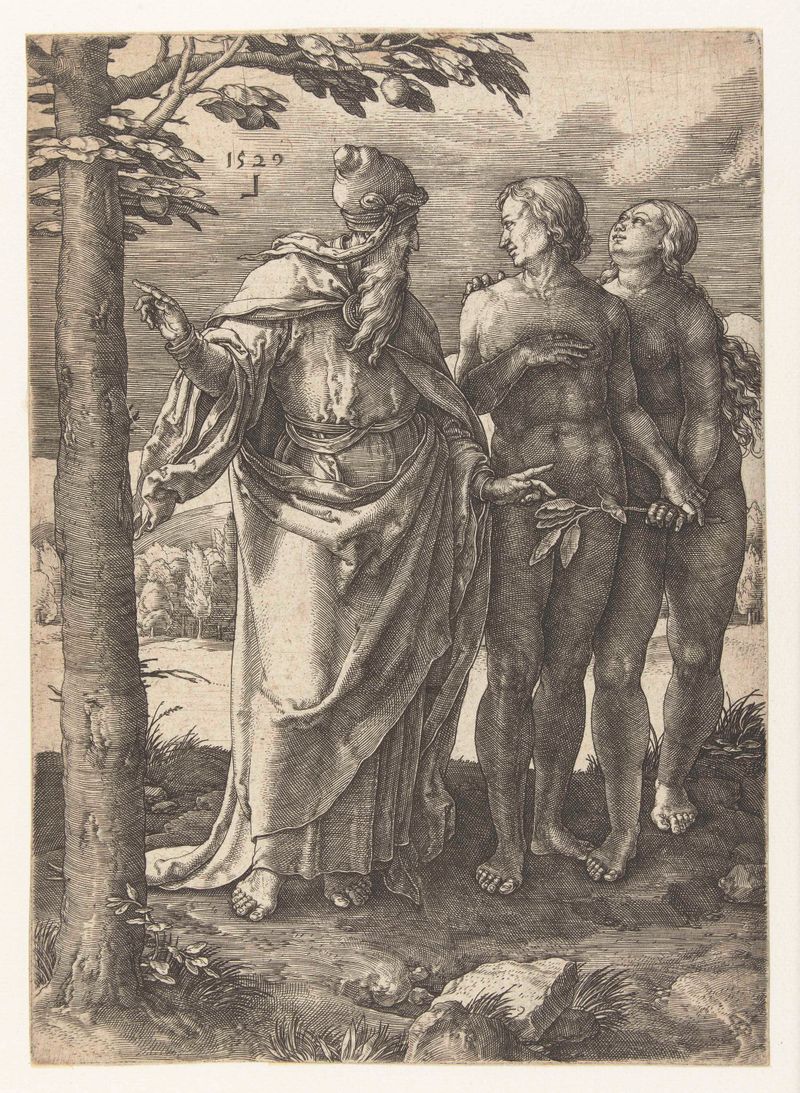
Het eerste verbod
Lucas van Leyden
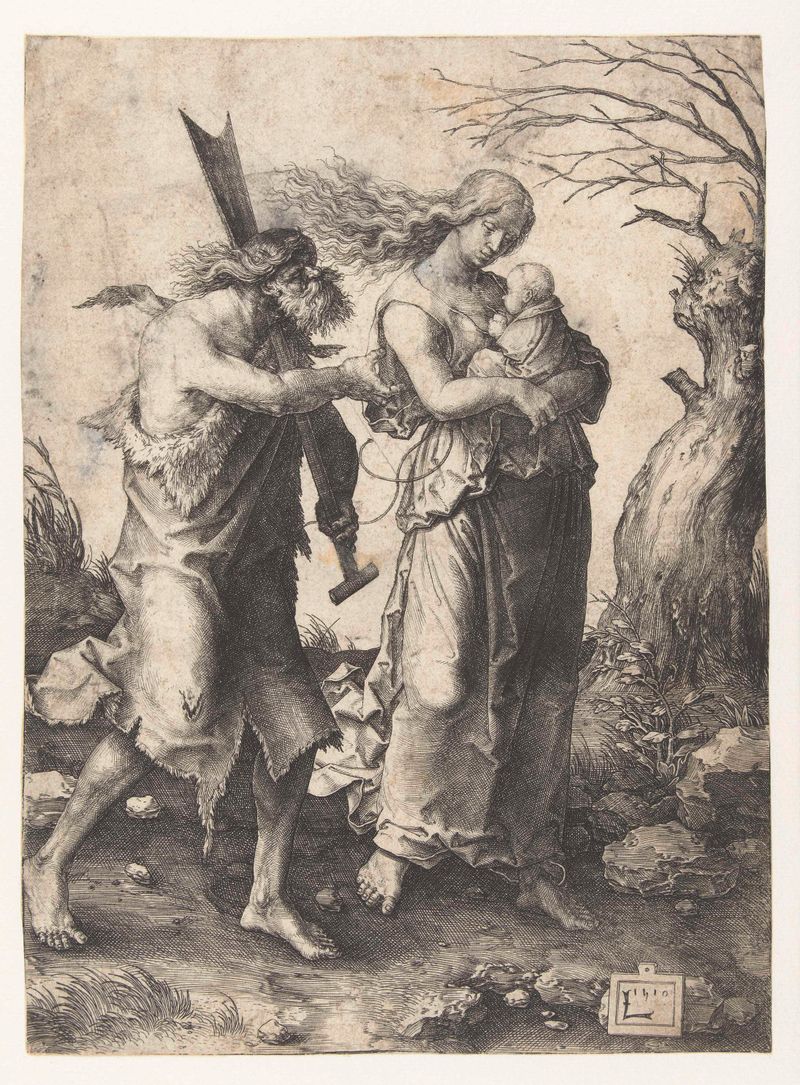
Adam en Eva na de verdrijving uit het paradijs
Lucas van Leyden
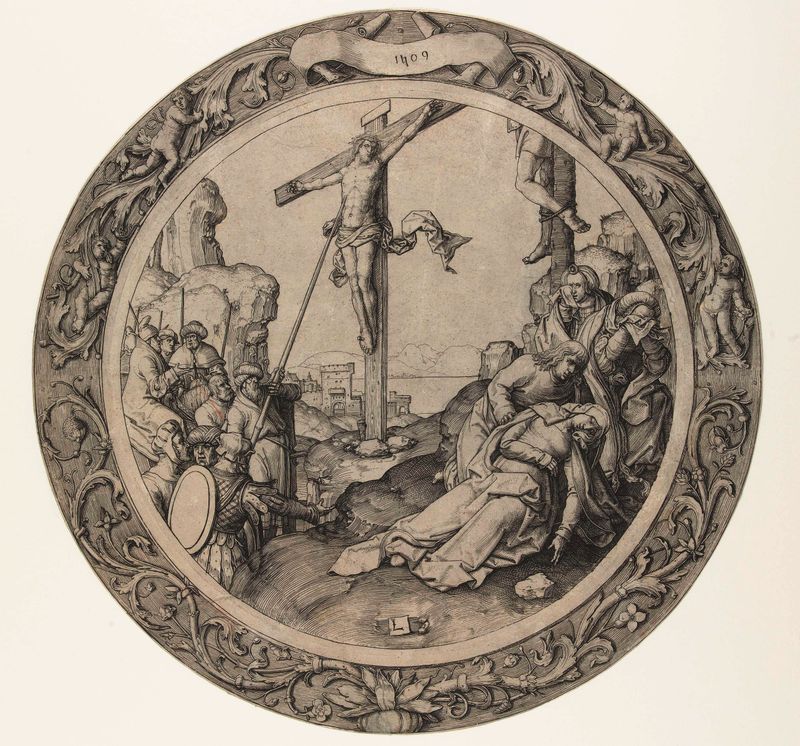
De kruisiging
Lucas van Leyden
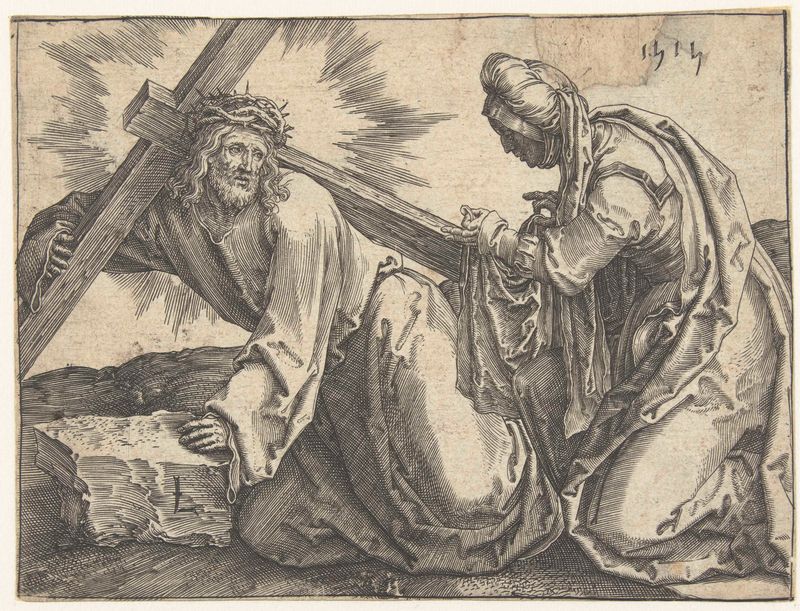
Kruisdraging
Lucas van Leyden
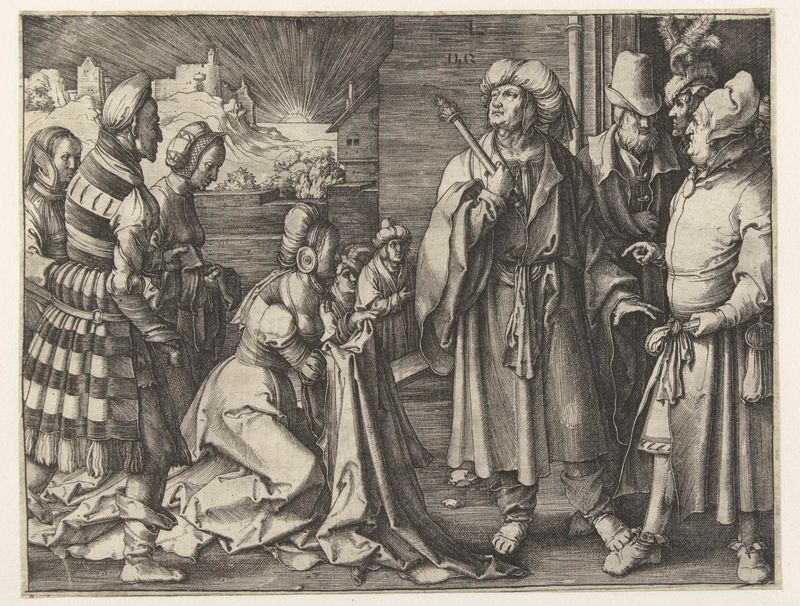
De vrouw van Potifar beschuldigt Jozef
Lucas van Leyden
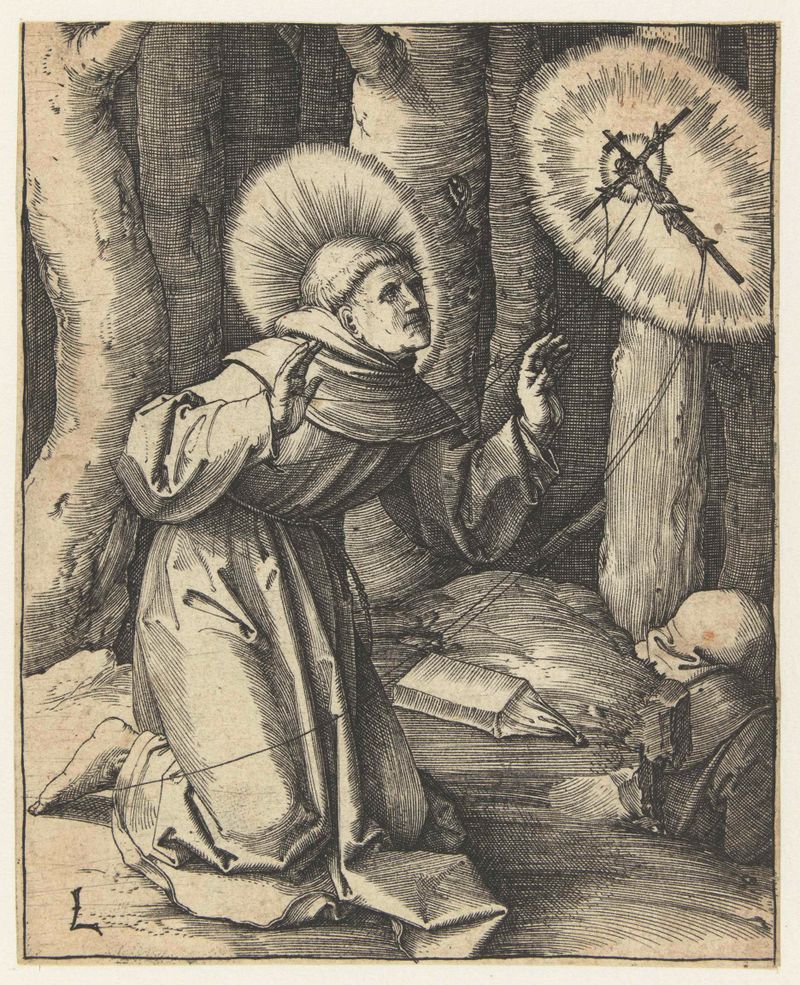
De stigmatisatie van de heilige Franciscus
Lucas van Leyden
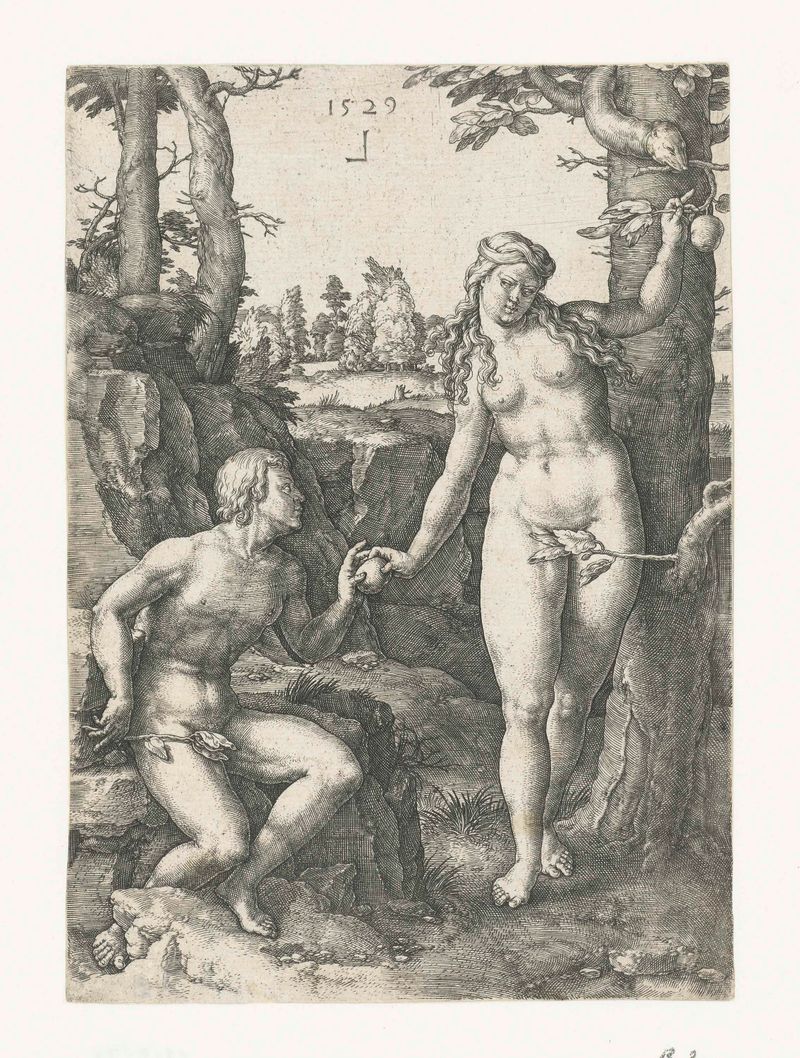
De zondeval
Lucas van Leyden
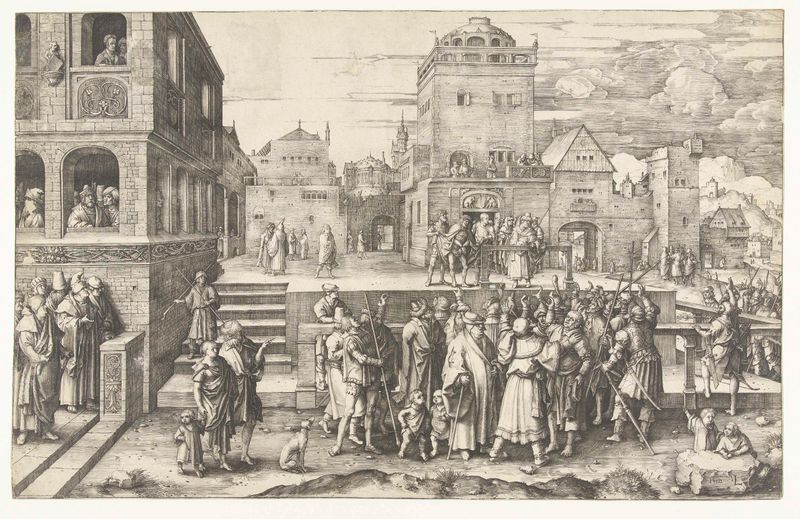
De grote Ecce Homo
Lucas van Leyden
Maria met kind
Lucas van Leyden

Doornenkroning
Lucas van Leyden
More Religious Art
Browse all →
The Return of the Prodigal Son
Rembrandt van Rijn

The Garden of Earthly Delights
El Bosco

Count Orgaz’ funeral
El Greco

The Hundred Guilder Print: the central piece with Christ preaching, the plate arched
Rembrandt van Rijn

The Descent from the Cross
Rogier van der Weyden

The return of the prodigal son
Rembrandt van Rijn