
Koningen Joram, Uzzia en Jonathan — History & Facts
In moments of uncertainty, faith emerges as an unwavering beacon, guiding us through shadows. Look to the center of the canvas, where three kings unite, their postures exuding authority yet marked by an underlying vulnerability. The meticulous detail in their robes, adorned with intricate patterns and rich hues, draws the eye and immerses the viewer in a world of divine regality. Notice how the light dances across their faces, casting subtle highlights that reveal both strength and contemplation—a delicate balance of power and introspection. The juxtaposition of the figures reveals a tension between earthly rule and spiritual conviction.
The somber expressions of the kings invite us to ponder their inner conflicts, as the weight of their crowns seems to burden them with responsibility. Each king, though depicted in splendid attire, is framed against a muted background, suggesting the contrast between their elevated status and the transient nature of worldly power. This visual narrative subtly evokes the fragility of faith in the face of political turmoil. Lucas van Leyden painted this work between 1518 and 1522 in the midst of a shifting artistic landscape, marked by the rise of humanism and the Reformation.
As a prominent figure in the Northern Renaissance, he sought to combine meticulous detail with profound narratives, reflecting the complex relationship between faith and authority during a time of great upheaval.
More Artworks by Lucas van Leyden
Browse all →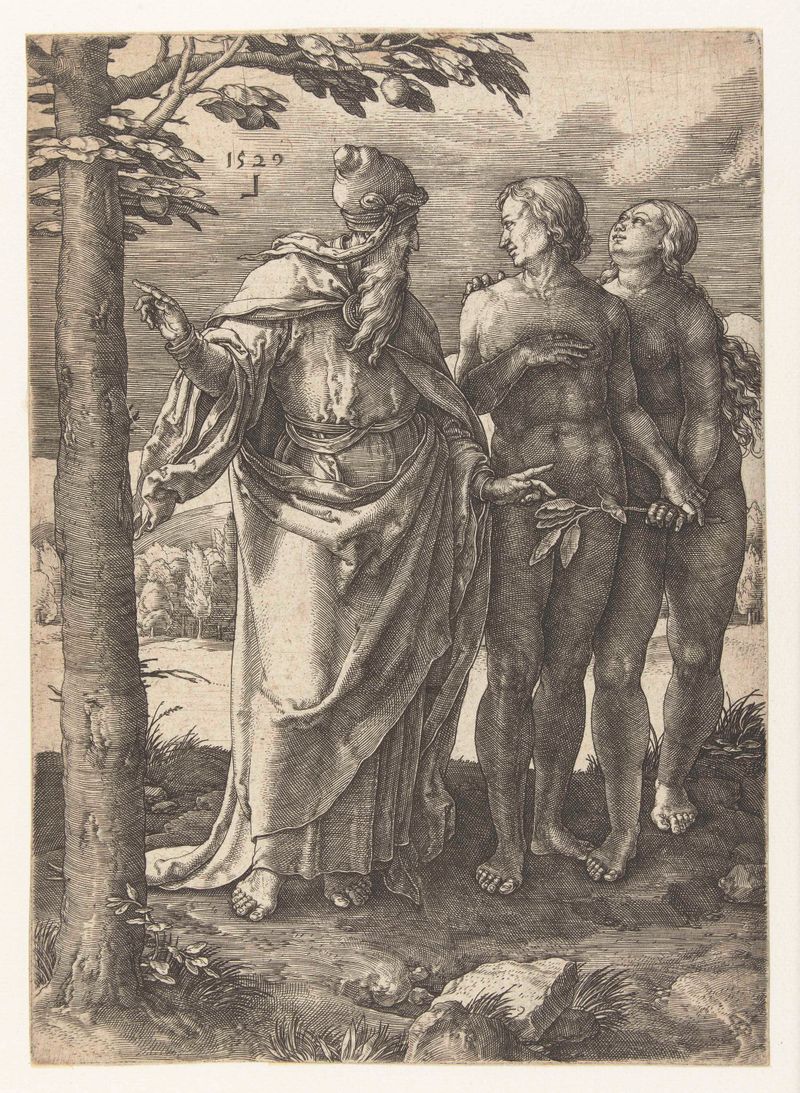
Het eerste verbod
Lucas van Leyden
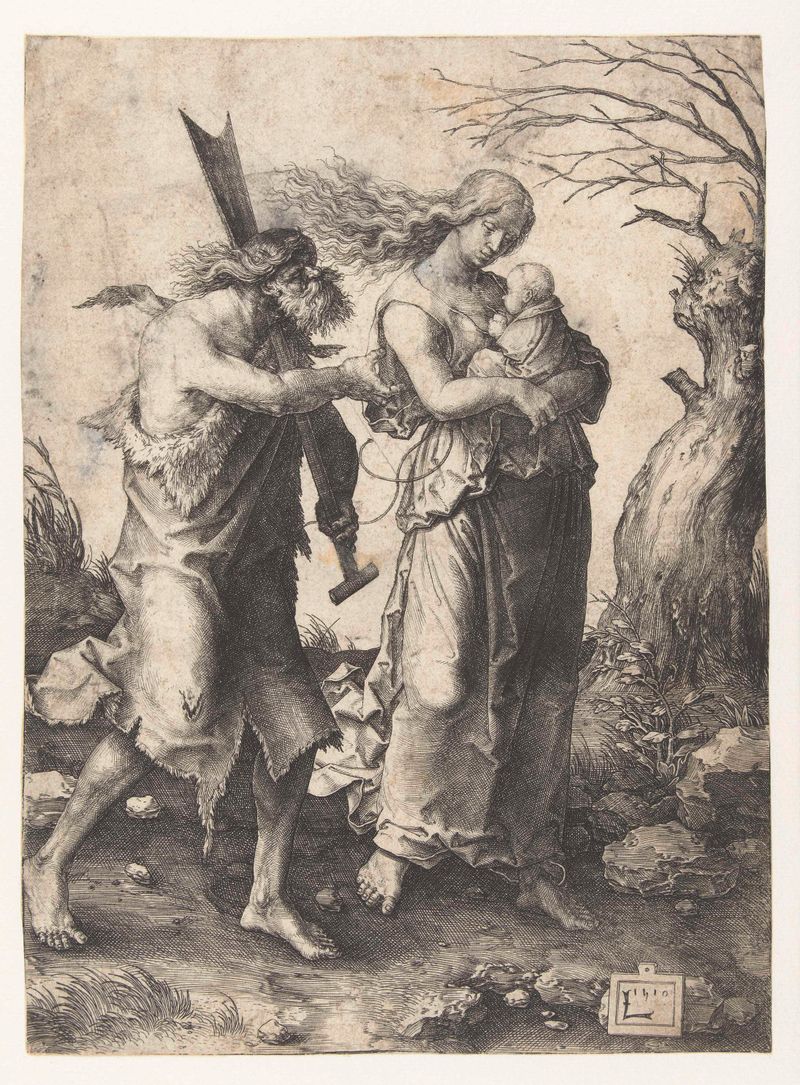
Adam en Eva na de verdrijving uit het paradijs
Lucas van Leyden
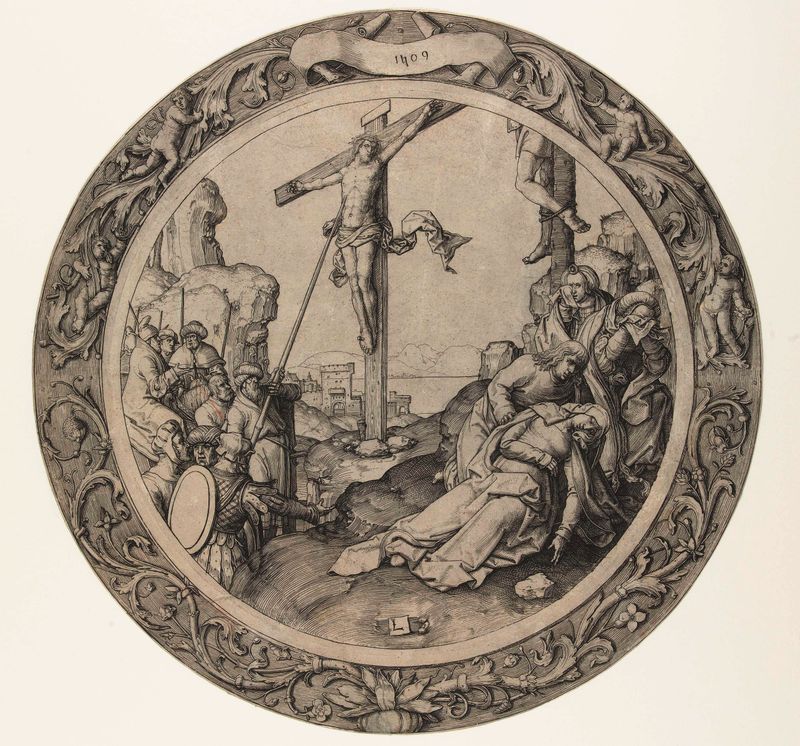
De kruisiging
Lucas van Leyden
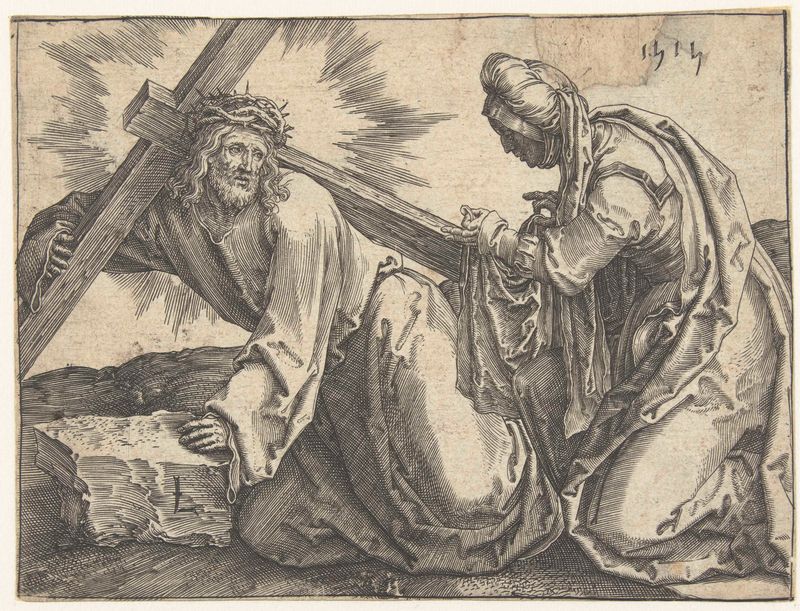
Kruisdraging
Lucas van Leyden
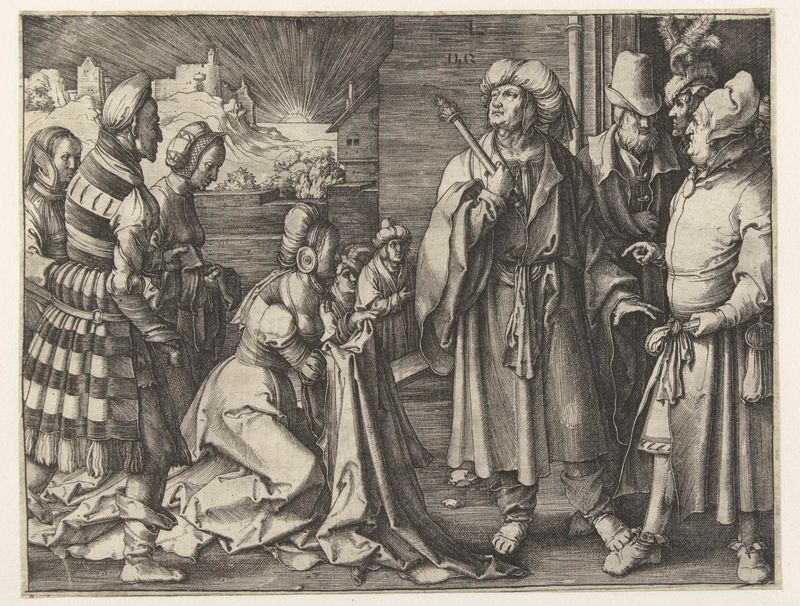
De vrouw van Potifar beschuldigt Jozef
Lucas van Leyden
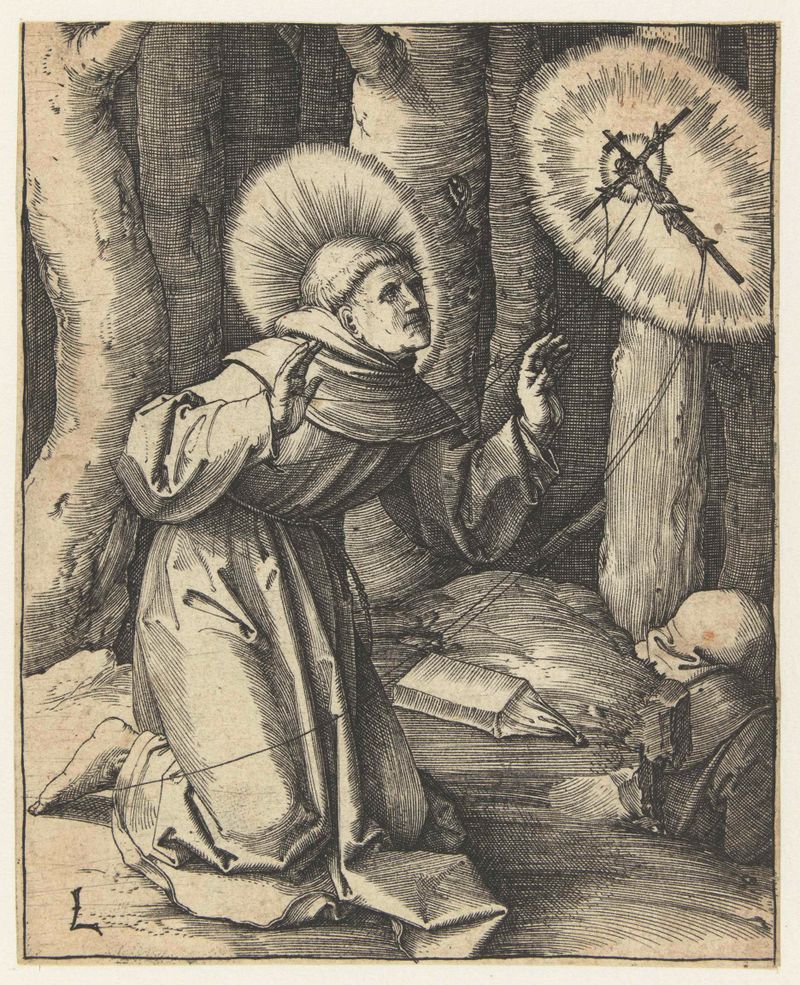
De stigmatisatie van de heilige Franciscus
Lucas van Leyden
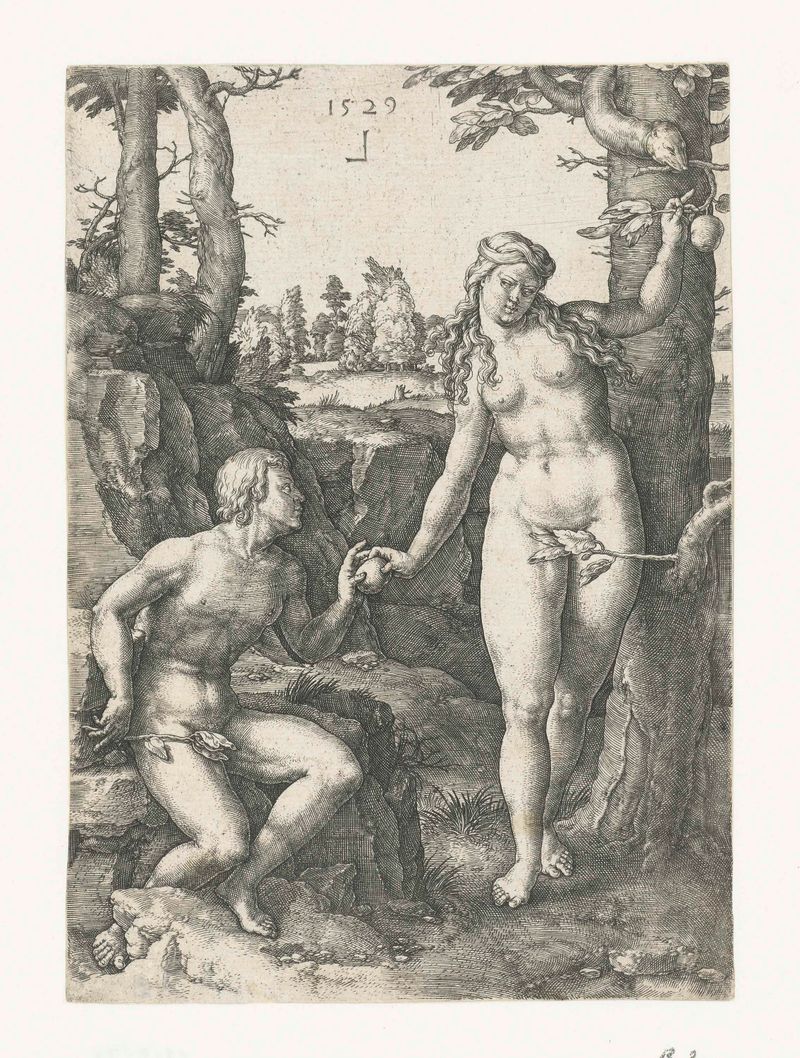
De zondeval
Lucas van Leyden
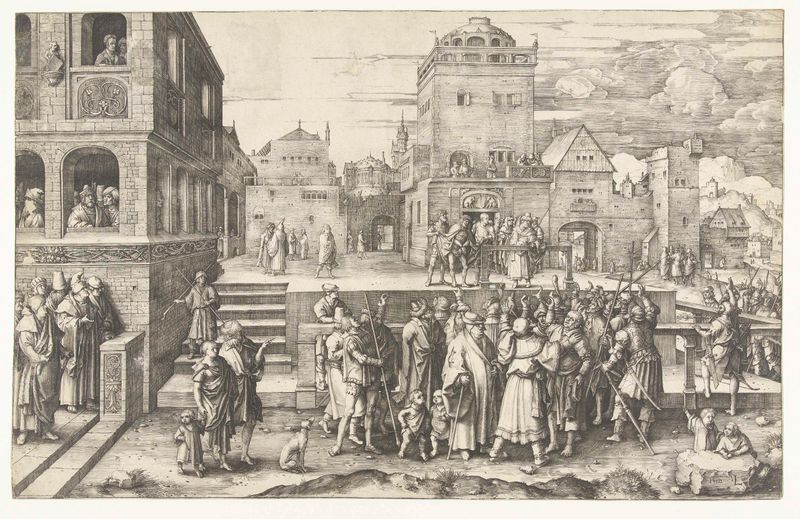
De grote Ecce Homo
Lucas van Leyden
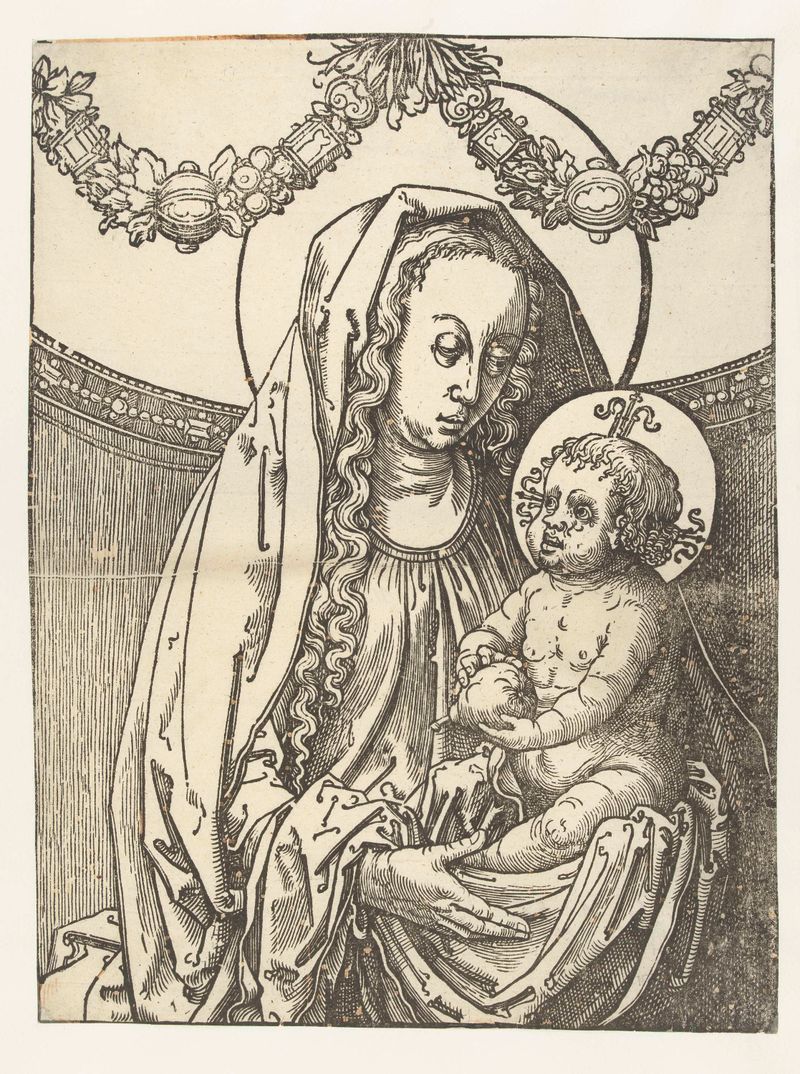
Maria met kind
Lucas van Leyden

Doornenkroning
Lucas van Leyden
More Historical Art
Browse all →
The Night Watch Militia Company of District II under the Command of Captain Frans Banninck Cocq
Rembrandt van Rijn

Lincoln Memorial
Henry Bacon

The Third of May 1808
Francisco de Goya

Isaac and Rebecca, Known as ‘The Jewish Bride’
Rembrandt van Rijn

The Charge of the Mamelukes (1814)
Francisco de Goya

De vier ruiters van de apocalyps
Albrecht Dürer