Koningin Amata en haar dochter Lavinia dansend met de bacchanten — History & Facts
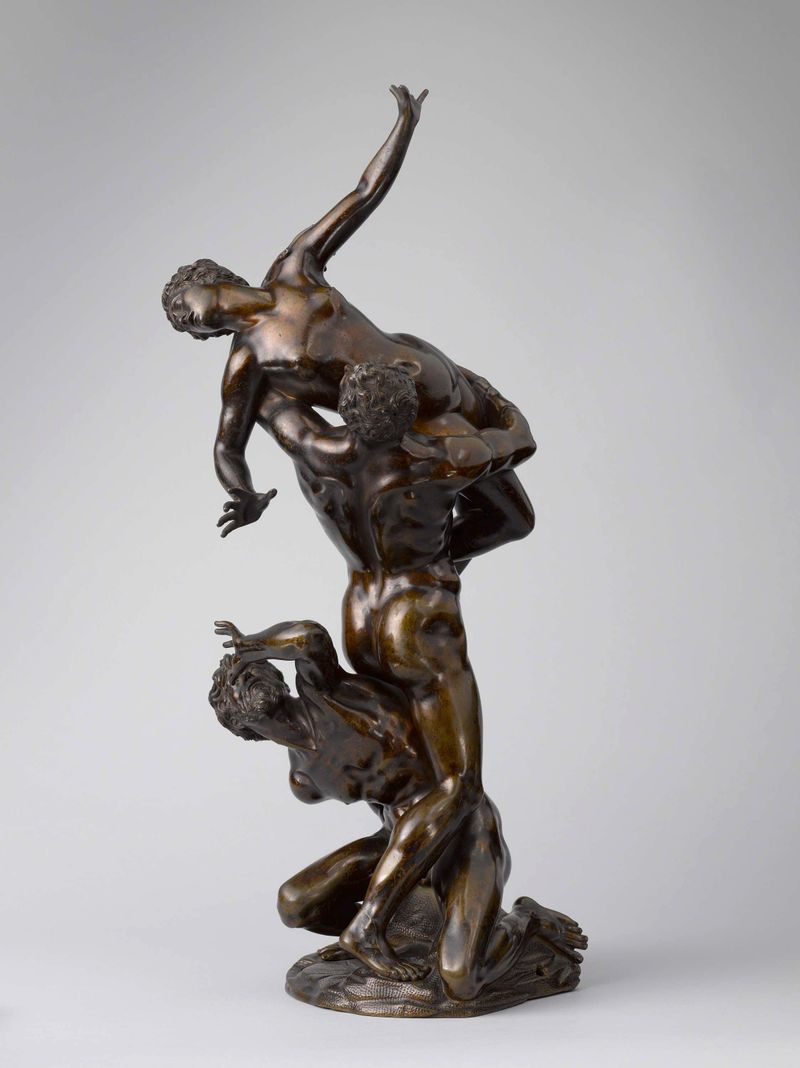
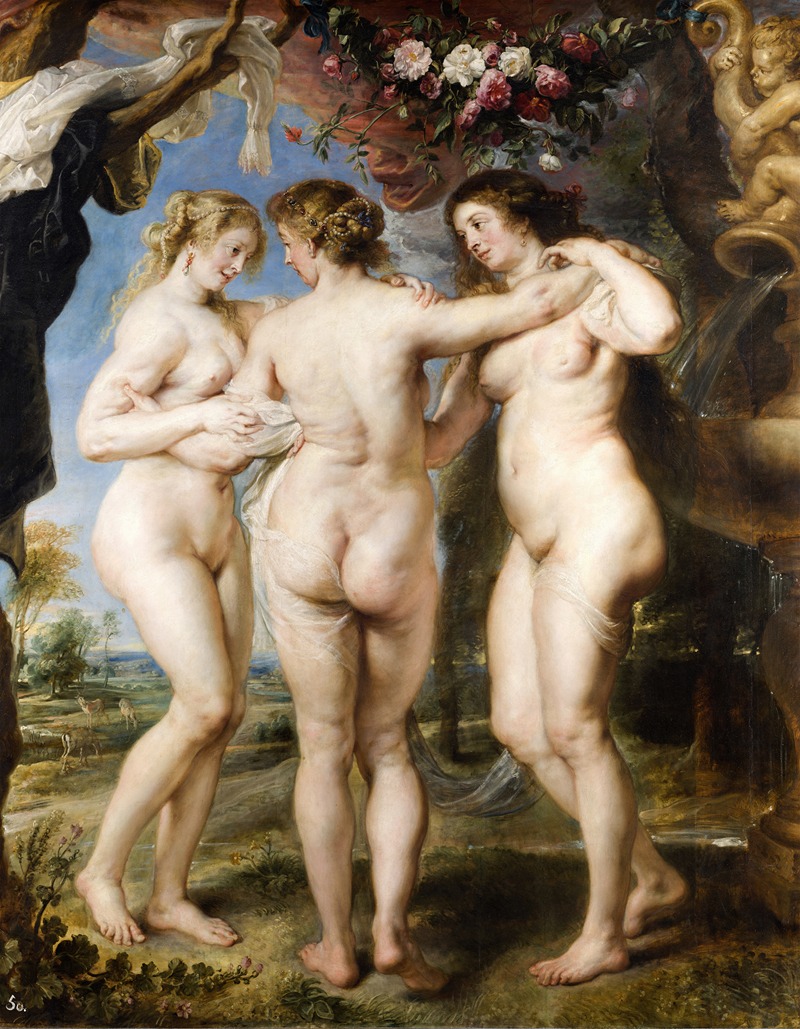
In the delicate dance of life, who holds the weight of revelation—mother or child? Look closely at the graceful figures entwined in a lively embrace, lithe and expressive with rivulets of energy flowing between them. Notice how the colors cascade like a musical score, the hues of gold and green swirling around the figures, imbuing the canvas with vitality and warmth. The fluidity of their movements captures the essence of togetherness, while the bacchantes, with their joyful expressions, enhance the scene with a hint of revelry and liberation. Yet there lies a deeper tension within this composition.
The juxtaposition of the regal figures against the wild bacchantes speaks to the dichotomy of order and chaos, tradition and abandon. The mother’s posture, poised yet vulnerable, mirrors the innocence of Lavinia, whose youthful exuberance contrasts with the sage wisdom encapsulated in her mother. This dynamic encapsulates the essence of their bond—a celebration of generational continuity, echoing themes of freedom and familial duty. Wenceslaus Hollar produced this piece in 1654, during a time when the Baroque movement was flourishing in Europe, emphasizing emotional intensity and movement.
Living in London after fleeing the Thirty Years' War, Hollar was immersed in an environment rich with artistic experimentation. His work often reflected the interplay between the sublime and the mundane, a concept that finds resonance in this vibrant depiction of dance, echoing the dualities of life that shaped his experiences.
More Artworks by Wenceslaus Hollar
Browse all →
Portret van Anna Boleyn, koningin van Engeland
Wenceslaus Hollar
Bird’s eye view of Jerusalem
Wenceslaus Hollar
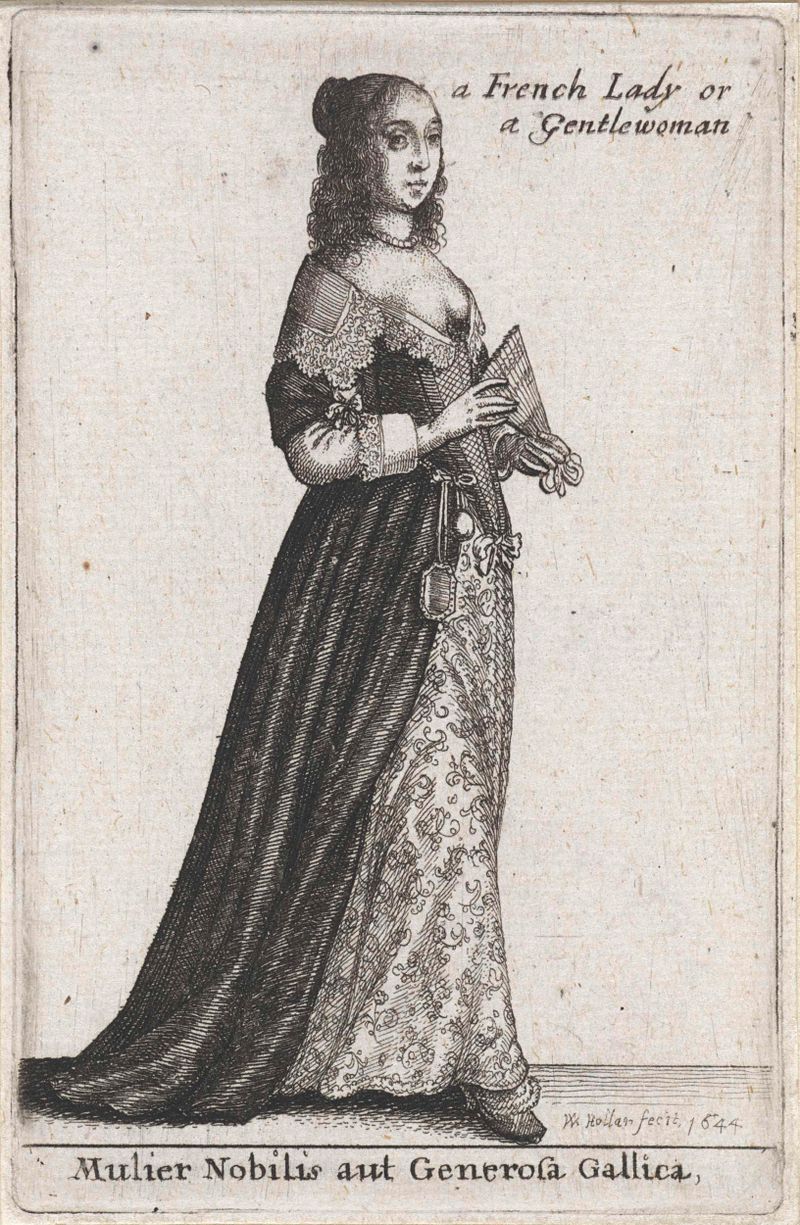
Mulier Nobilis aut Generosa Gallica / a French Lady or Gentlewoman
Wenceslaus Hollar
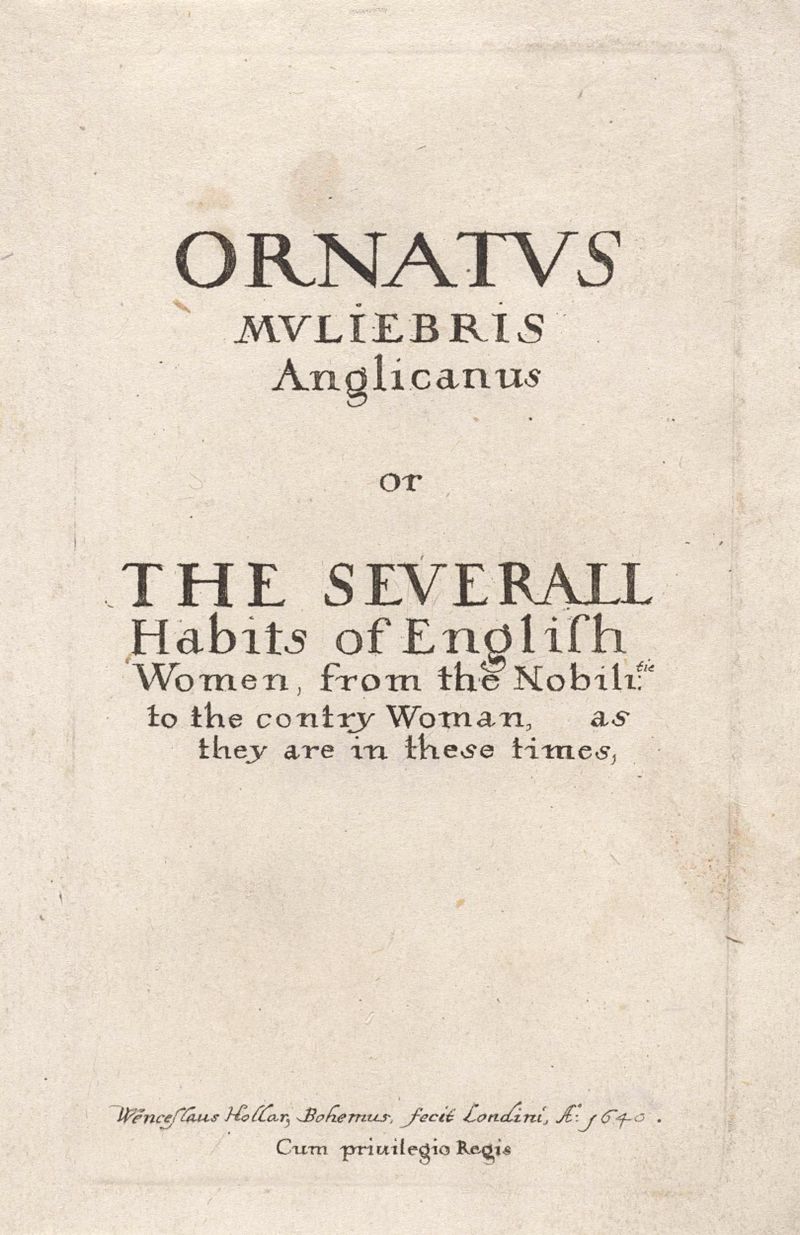
Titelprent voor: Ornatus Muliebris Anglicanus
Wenceslaus Hollar
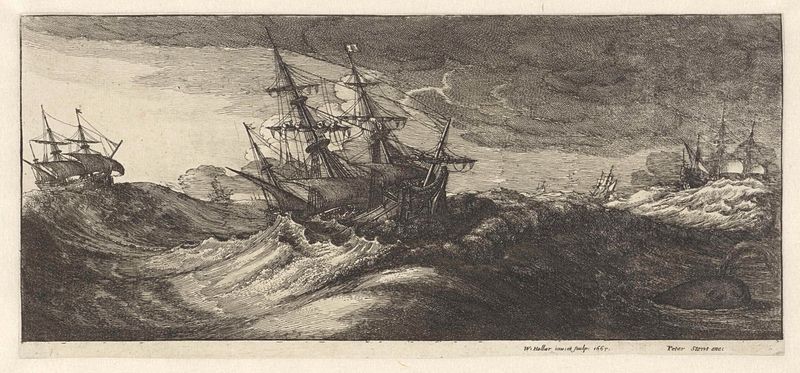
Oorlogsschepen en een walvis in een zeestorm
Wenceslaus Hollar
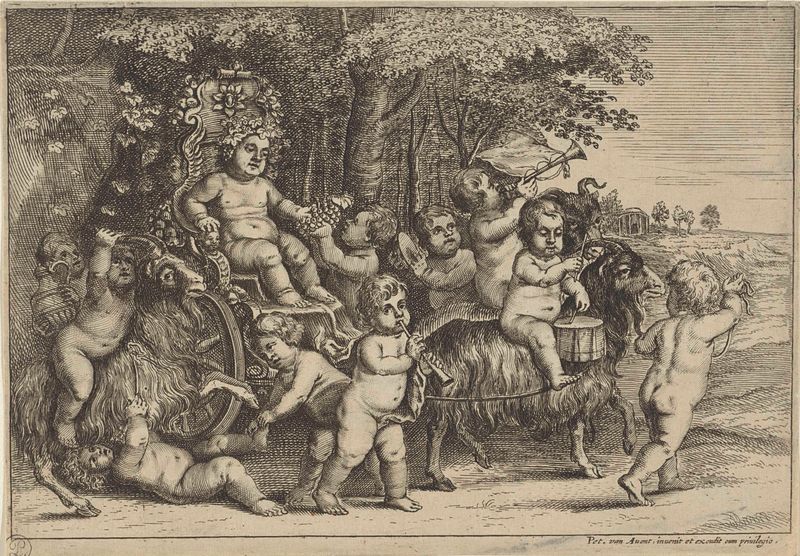
Optocht van bacchant en jongetjes op geiten
Wenceslaus Hollar
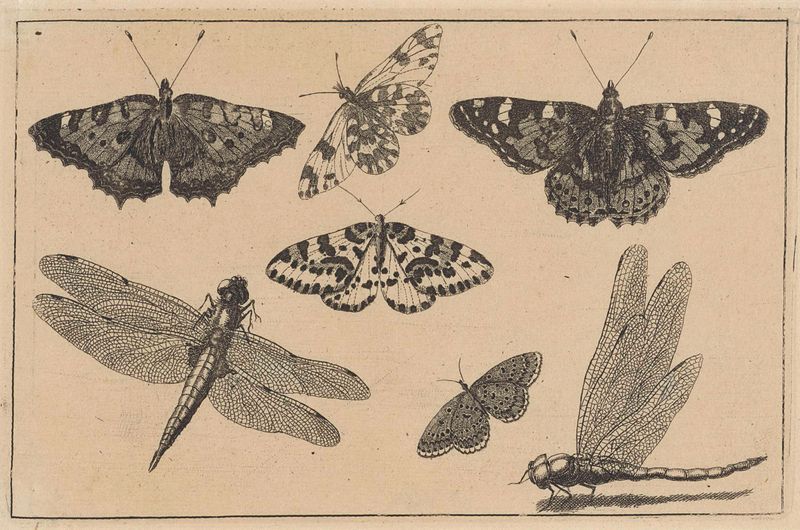
Twee libellen en vijf vlinders
Wenceslaus Hollar
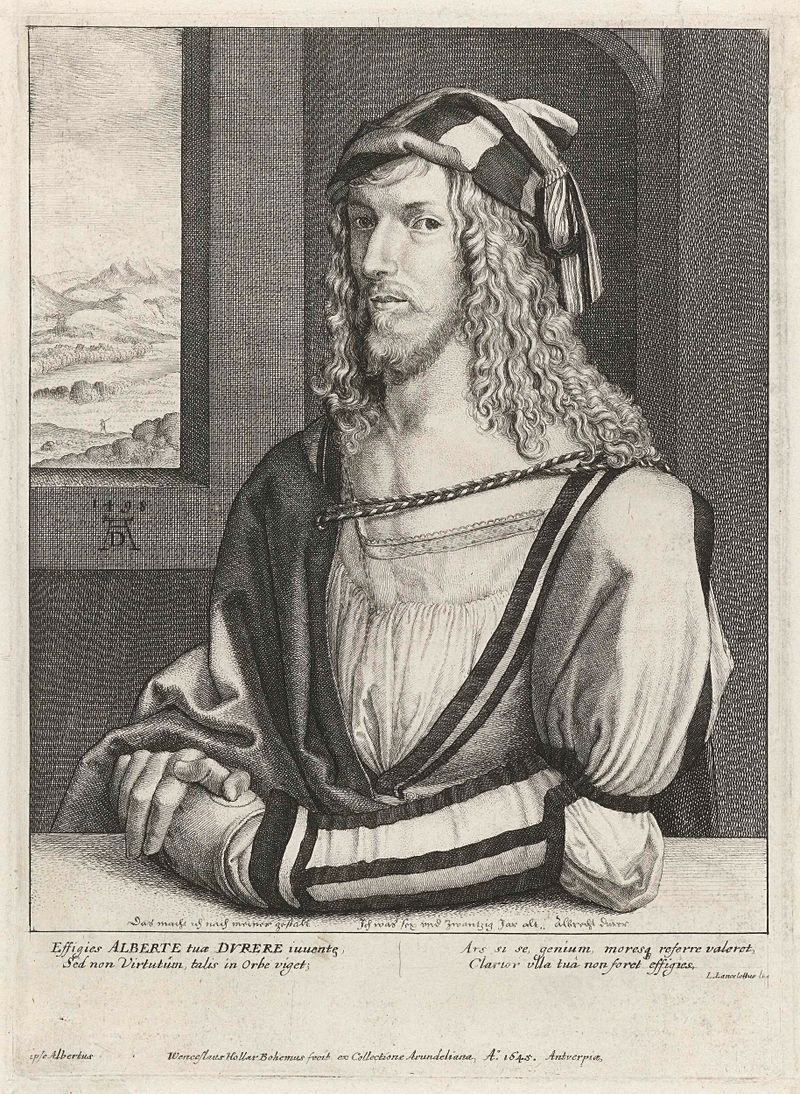
Portret van Albrecht Dürer
Wenceslaus Hollar
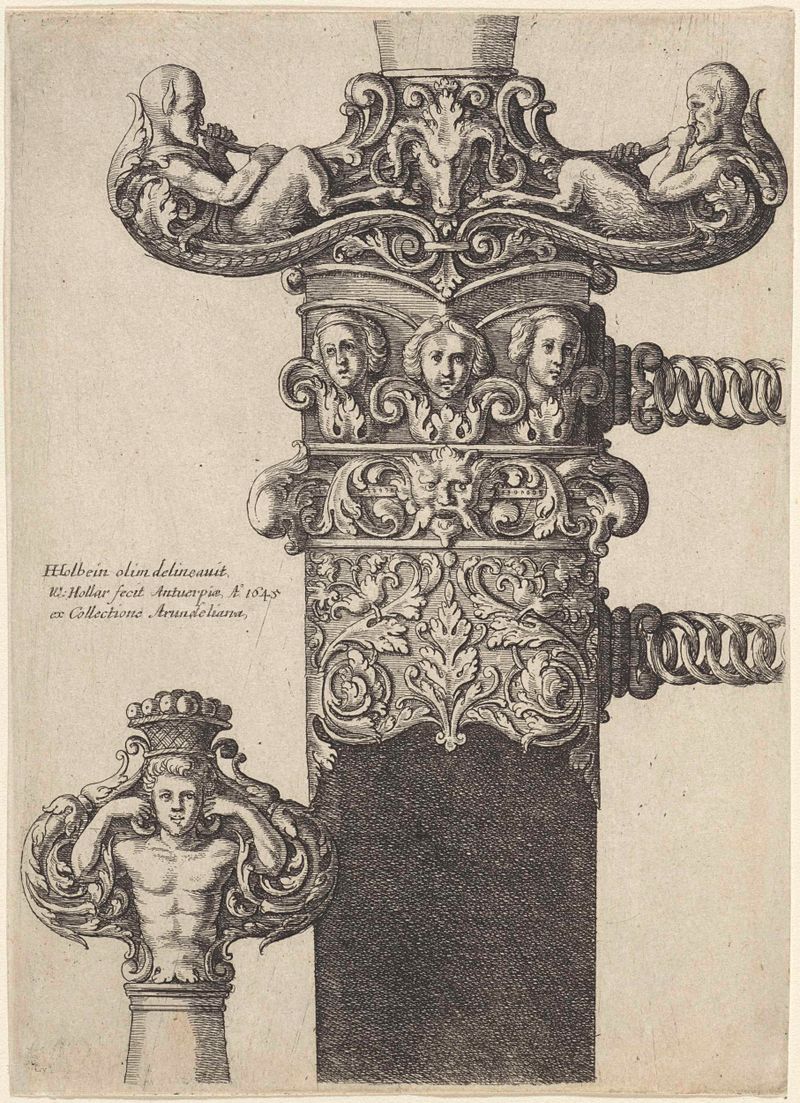
Ornamenteel ontwerp voor een dolk
Wenceslaus Hollar
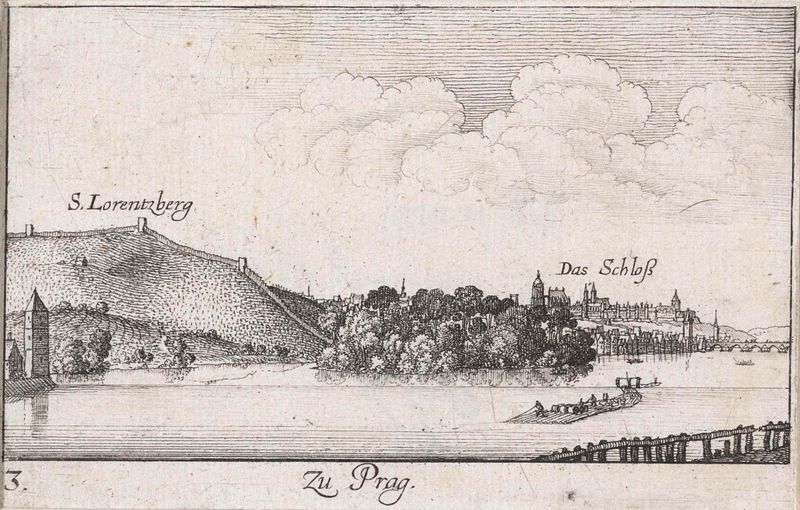
Gezicht op Praag vanaf de Moldau
Wenceslaus Hollar