L'Été, chat sur une balustrade — History & Facts
It is the eyes that hold you first: a green, sidelong gaze, both languid and alert, as if the cat knows something you do not. Draped across a sturdy red balustrade, the animal’s body is a study in relaxed confidence, every muscle at ease but never slack. The dappled light filtering through the leaves above sets off the intricate stripes of its fur, drawing your attention to the play of shadow and pattern that Théophile Alexandre Steinlen so relished.
Notice how the curve of the tail echoes the diagonal of the woodwork, binding the animal to its perch and the whole scene together. This is not a casual snapshot of a pet, but a deliberate composition: the cat is both subject and ornament, a living sculpture poised between domestic comfort and wild watchfulness. Created in 1909, this work belongs to a world that cherished the everyday made extraordinary. In the Paris of Steinlen, images of animals—especially cats—were more than decoration: they were emblems of the city’s character, companions to artists, and muses for collectors like Ernest de Crauzat.
The taste for animal representations flourished in the late nineteenth and early twentieth centuries, as printmakers and illustrators found new audiences and new freedoms in the illustrated press and the burgeoning art market. Little is recorded about the journey of this particular print beyond its home in the Bibliothèque nationale de France, but its quiet authority speaks to an era when even a summer afternoon, and a cat’s lazy sprawl, could become a subject worthy of lasting attention. Look again at those eyes, and wonder what stories they have watched unfold.
More Artworks by Théophile Alexandre Steinlen

Village et charrette
Théophile Alexandre Steinlen
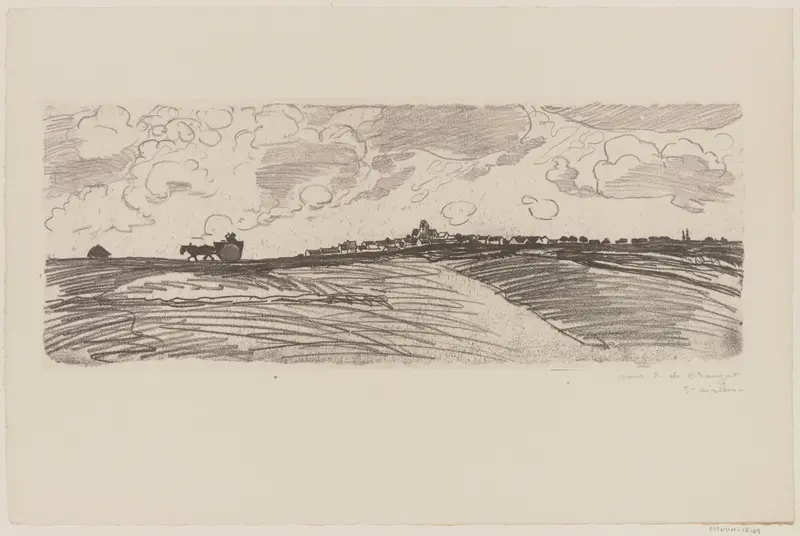
Village et charrette
Théophile Alexandre Steinlen
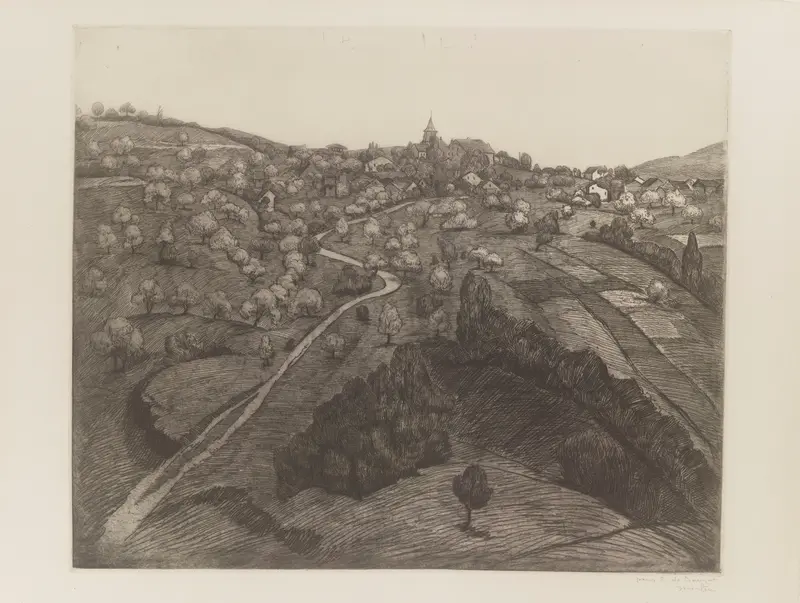
Vue de Belmont, près de Lausanne
Théophile Alexandre Steinlen
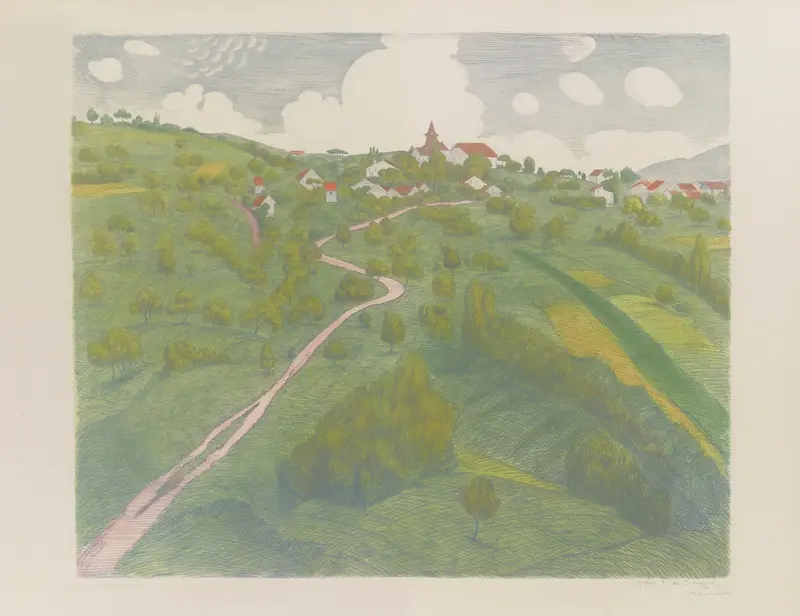
Vue de Belmont, près de Lausanne
Théophile Alexandre Steinlen
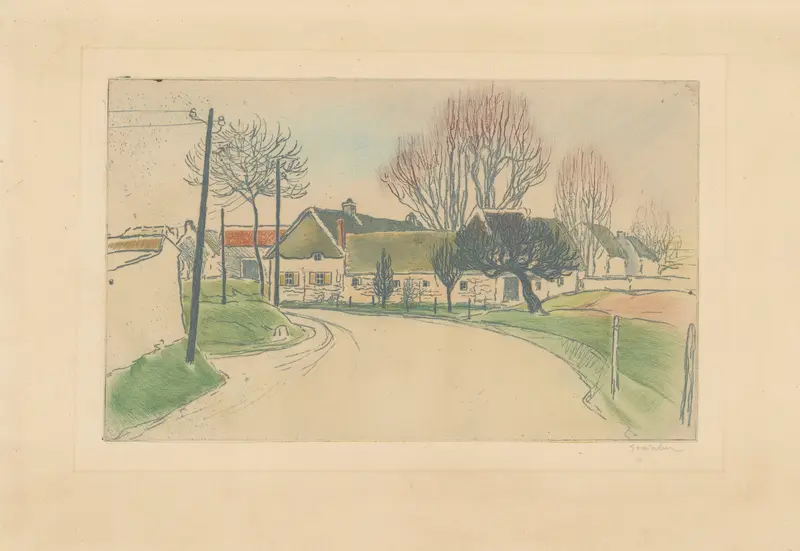
La maison à l’entrée du village
Théophile Alexandre Steinlen
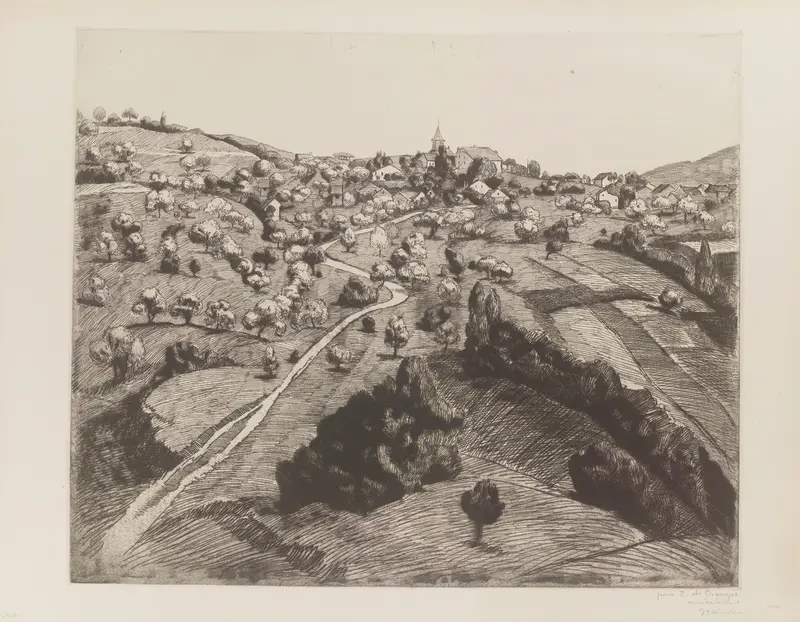
Vue de Belmont, près de Lausanne
Théophile Alexandre Steinlen
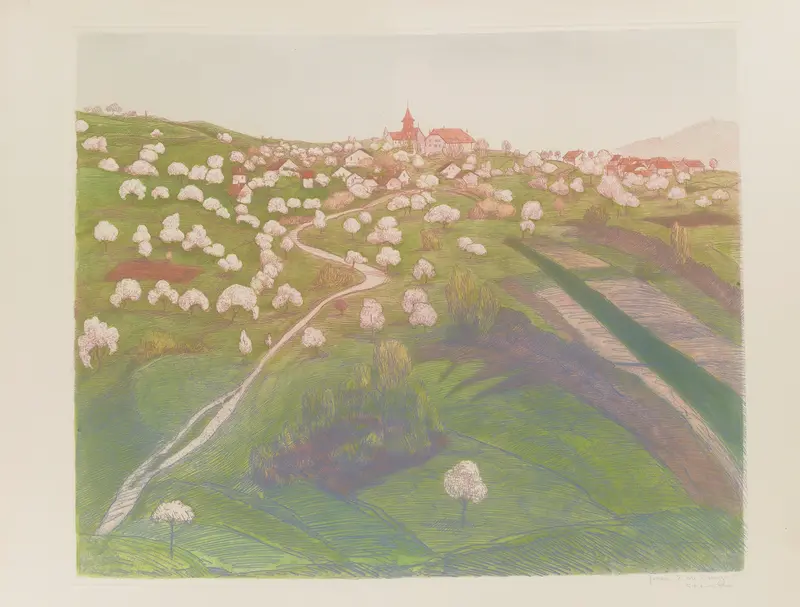
Vue de Belmont, près de Lausanne, n° 2
Théophile Alexandre Steinlen
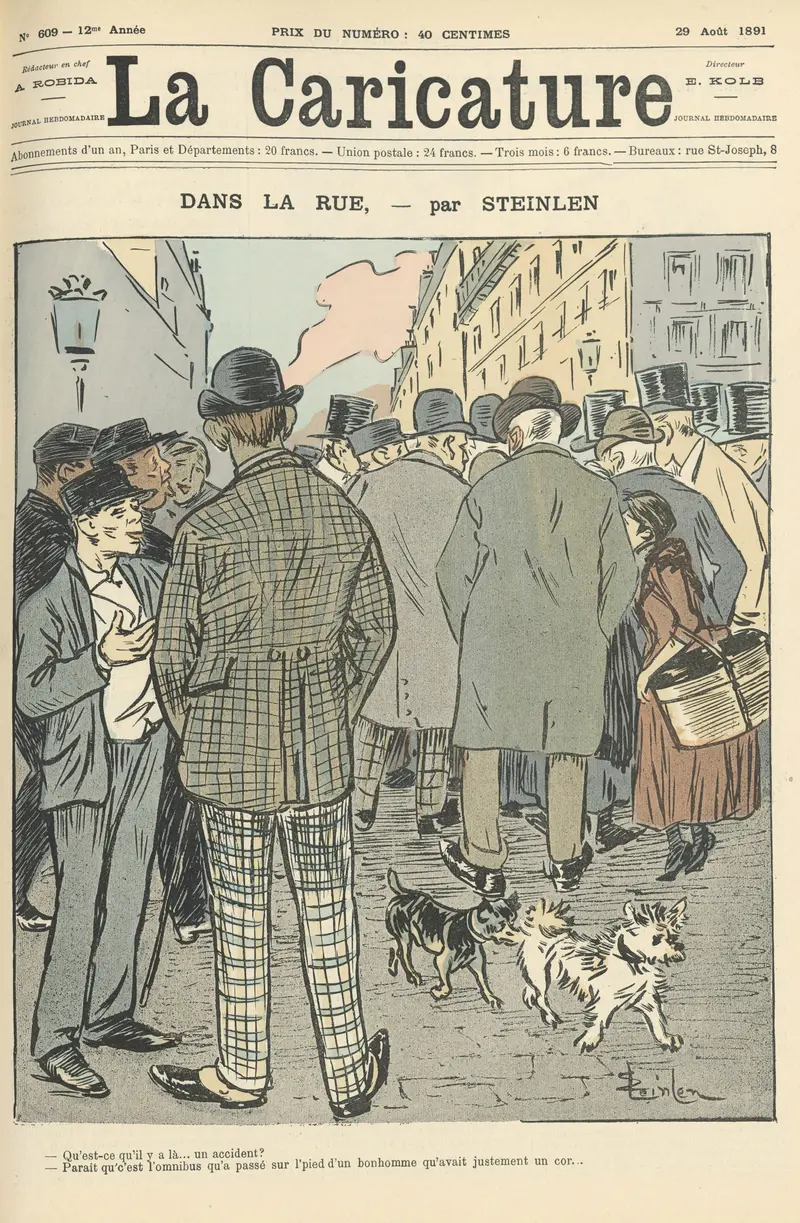
Dans la rue (La Caricature, 29 août 1891)
Théophile Alexandre Steinlen
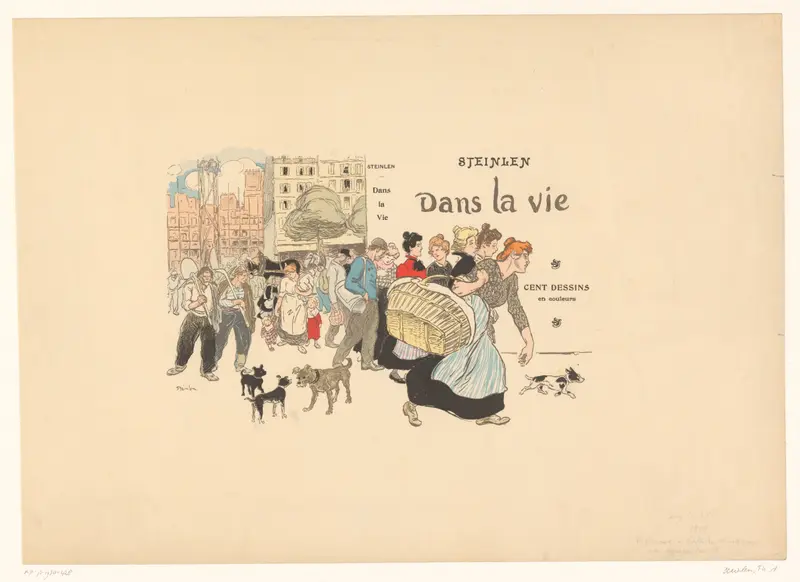
Dans la vie
Théophile Alexandre Steinlen
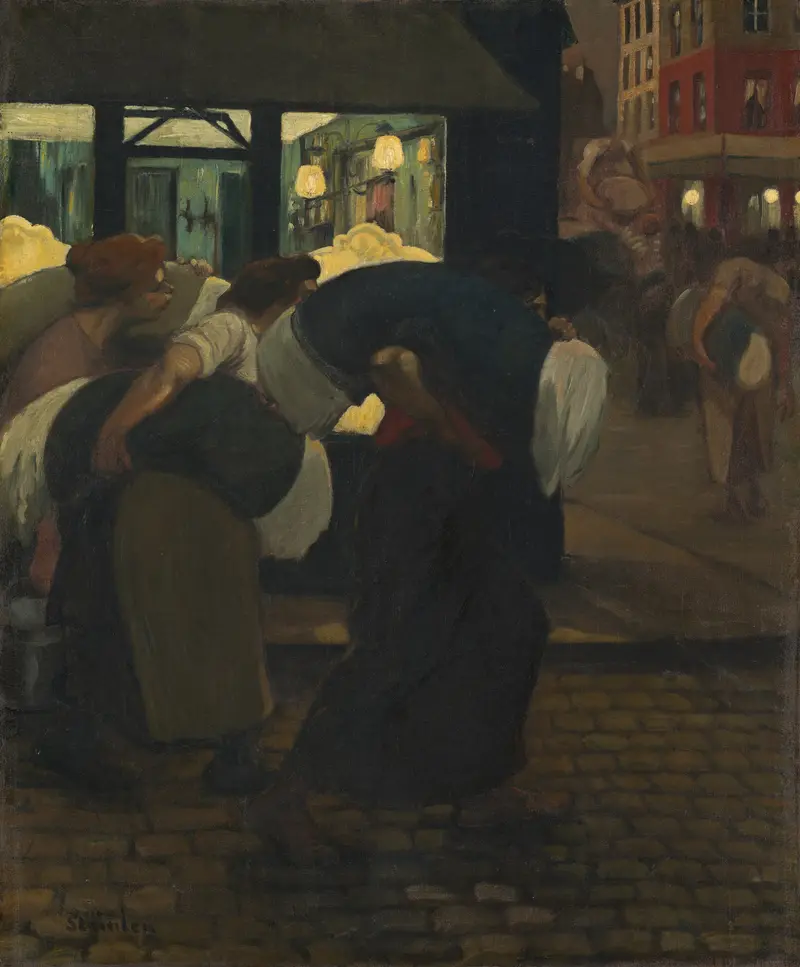
The Laundresses
Théophile Alexandre Steinlen