
La Clairière — History & Facts
Can beauty exist without sorrow? In La Clairière, the delicate interplay of light and shadow evokes a longing that resonates deeply within the viewer's soul. Look to the foreground where lush greenery bursts forth, vibrant and alive, enveloping a serene clearing. The dappled sunlight filters through the trees, casting intricate patterns on the ground and inviting the eye to wander deeper into the scene. Courbet’s masterful brushwork captures the texture of each leaf and blade of grass, creating a tactile experience that draws you in.
The soft hues of green and beige contrast sharply with the dark, looming trees, highlighting the luminous beauty of the glade at its heart. As your gaze travels through the landscape, notice how the radiant light suggests a moment suspended in time, yet also hints at the fleeting nature of beauty. The contrast between the lush vitality of the clearing and the encroaching darkness of the forest speaks to the tension between desire and despair. This juxtaposition captures the essence of longing—a desire for connection amid the isolation of nature. In 1866, while creating this work, Courbet was immersed in the realism movement, seeking to portray the world with authenticity and emotional depth.
He painted this piece during a time of personal upheaval and social change in France, as the country grappled with industrialization and shifting artistic paradigms. This backdrop undoubtedly influenced his exploration of the complex emotional landscape found within La Clairière.
More Artworks by Gustave Courbet
Browse all →
Marine
Gustave Courbet
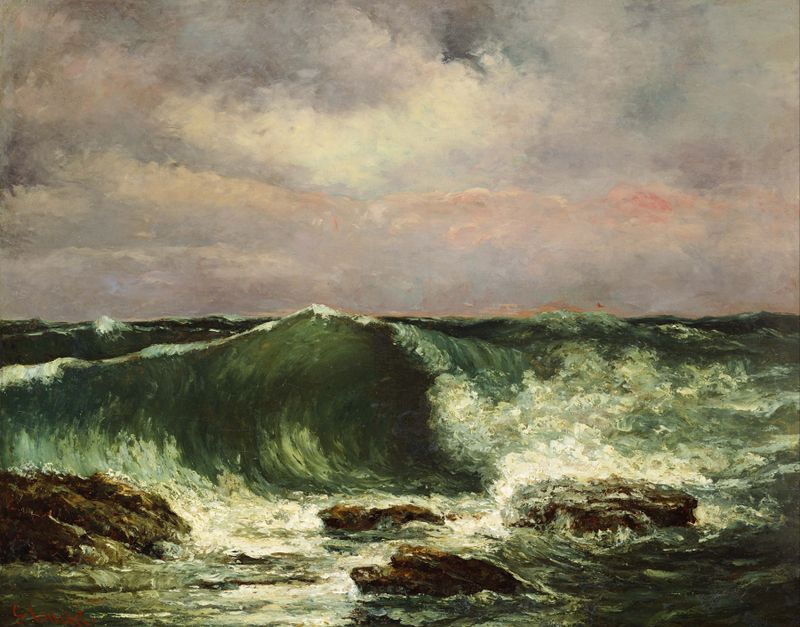
Waves
Gustave Courbet

Étretat; Les Falaises
Gustave Courbet
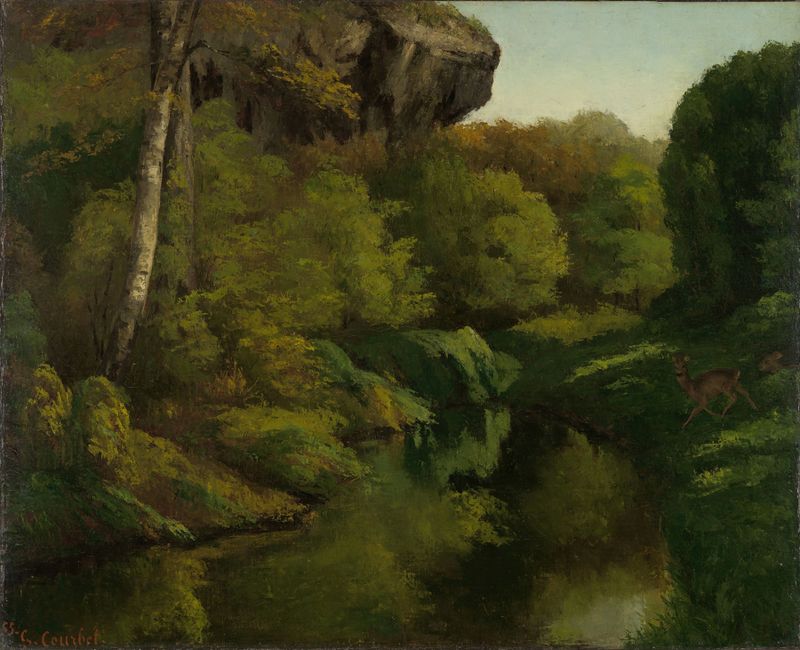
View in the Forest of Fontainebleau
Gustave Courbet
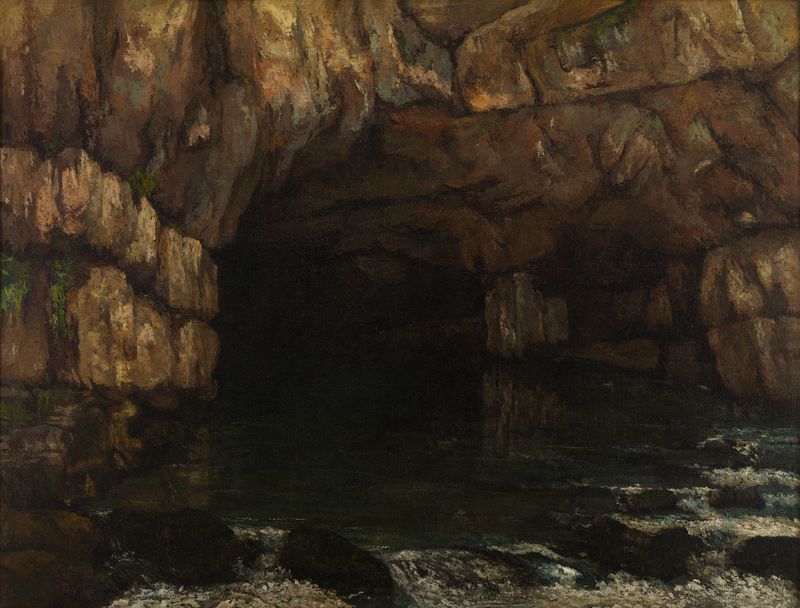
La source de la Loue (The Source of the Loue)
Gustave Courbet

Low Tide at Trouville
Gustave Courbet
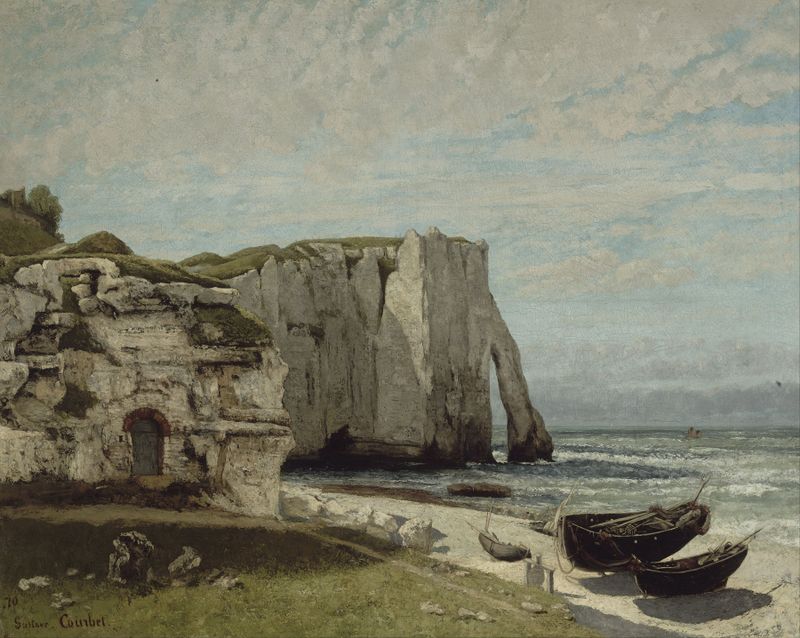
The Etretat Cliffs after the Storm
Gustave Courbet
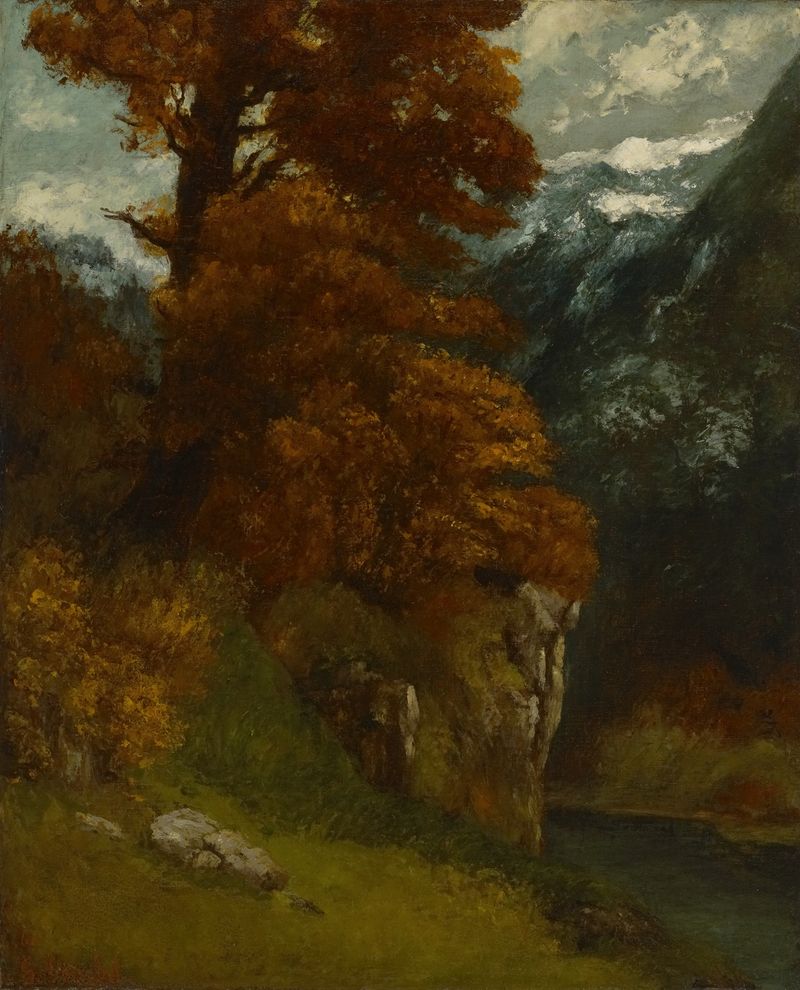
The Glen at Ornans (Bords du Doubs; Effet d’Automne)
Gustave Courbet
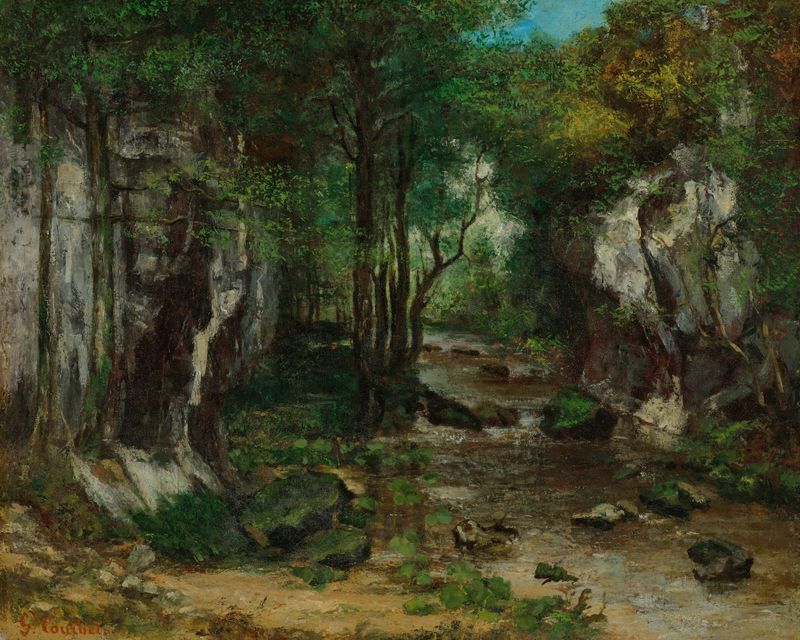
Le Ruisseau de Puits Noir
Gustave Courbet
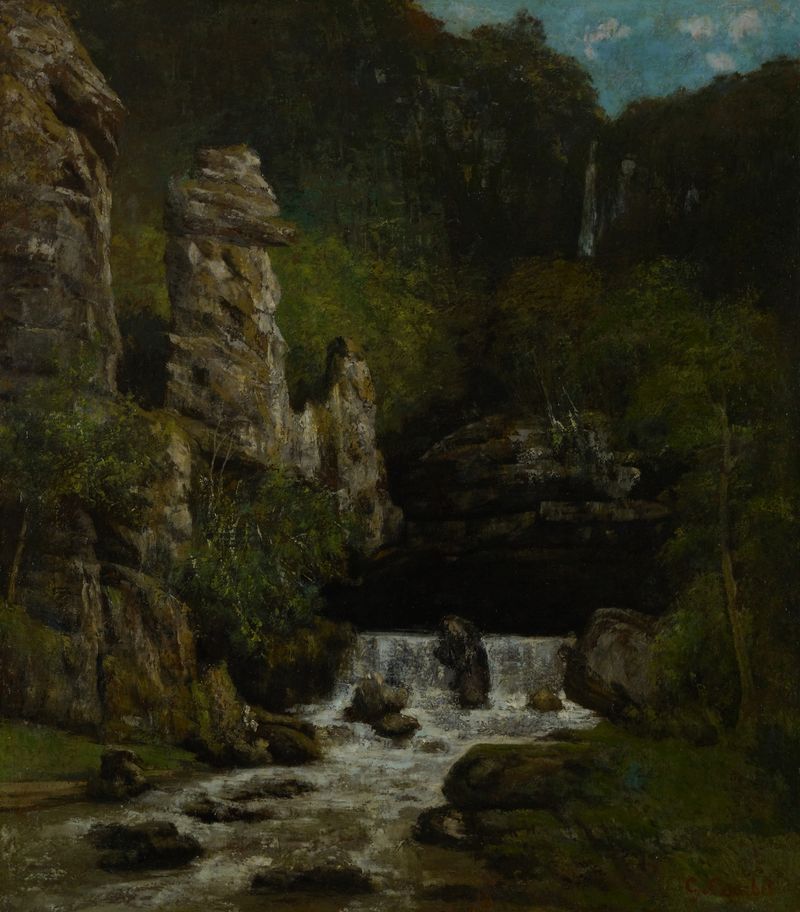
Landscape with a Waterfall
Gustave Courbet





