
La Comtesse Tessin — History & Facts
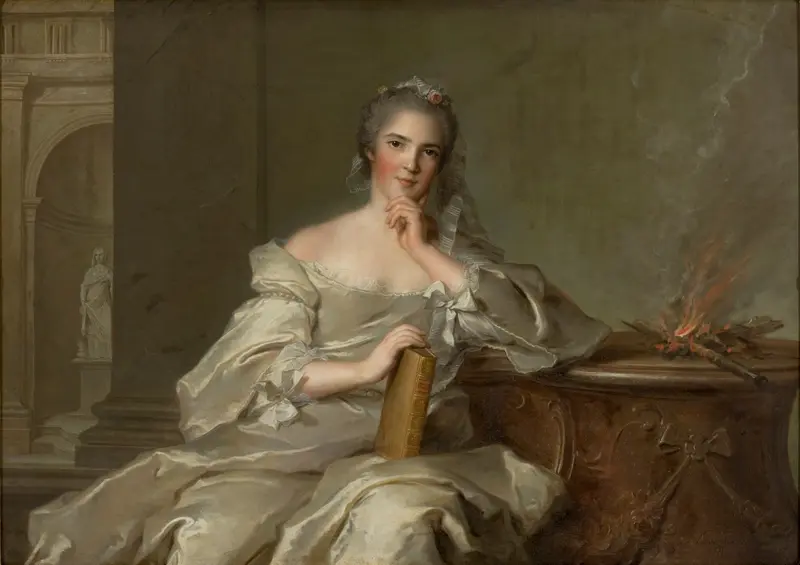
What first draws the eye in La Comtesse Tessin is the gentle candor of its sitter’s gaze—a look that seems to meet the viewer halfway between formality and warmth. The artist, Jean-Marc Nattier, frames Ulla Sparre, wife of Count Carl Gustaf Tessin, in a soft, enveloping light that smooths the passage from the rich fur-trimmed cloak to the delicate lace sleeve. The golden bow at her breast is not only a flourish of color but a flourish of character, its confident size and placement suggesting both status and a certain playfulness.
The muted arch behind her, rendered in subtle tones, encircles her head like a halo, drawing attention to her composed, slightly amused expression. Painted in 1741, this portrait belongs to the world of mid-eighteenth-century France, when the portrait was both a social tool and a declaration of identity. In these years, artists like Nattier were sought after by the European elite to capture not only likeness but the subtleties of personality and rank. Such works were often destined for private salons, where they would speak silently of family alliances and personal virtues.
That La Comtesse Tessin survives today through collections like The Yorck Project reminds us how these images were vehicles of memory and ambition, their surfaces alive with the codes of a vanished world. The sitter’s calm, direct gaze invites us to linger, searching for the person behind the finery.
More Artworks by Jean-Marc Nattier

Madame Crozat de Thiers and Her Daughter
Jean-Marc Nattier
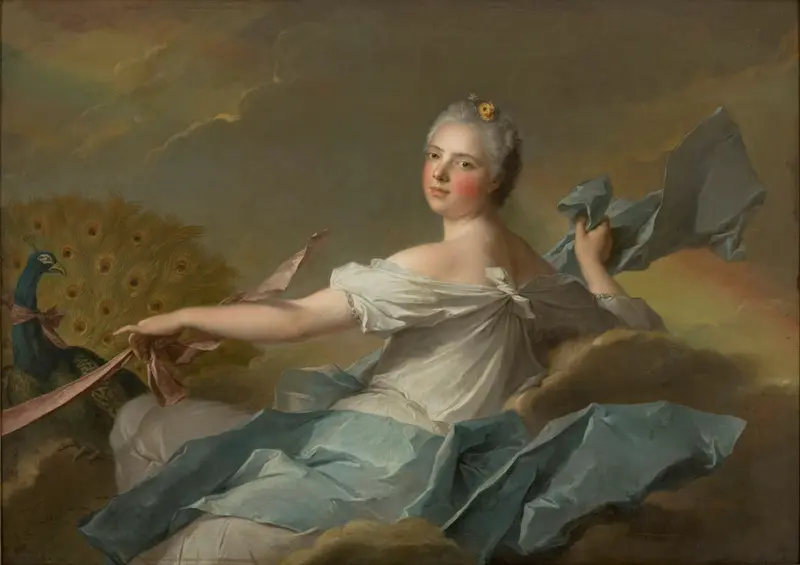
Princess Marie Adélaïde of France - The Air
Jean-Marc Nattier
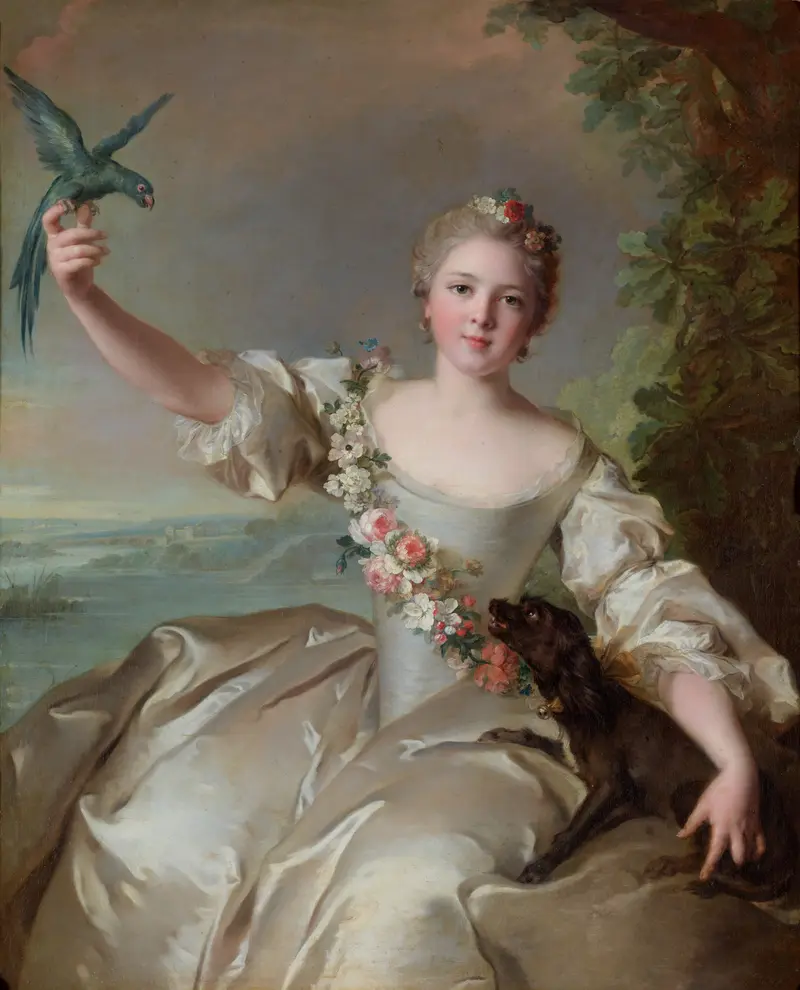
Portrait de Mathilde de Canisy, marquise d'Antin
Jean-Marc Nattier
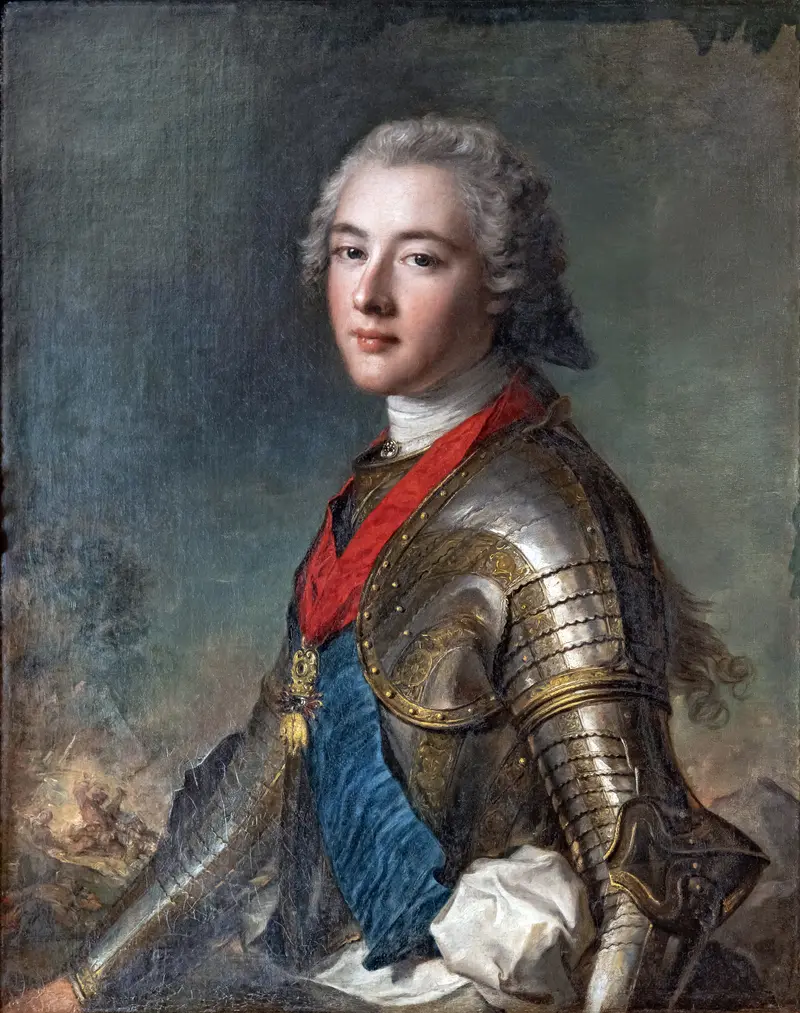
Bemberg Fondation Toulouse - Portrait de Louis Jean Marie de Bourbon, Duc de Penthièvre - Jean Marc Nattier inv.1158 82x65.4
Jean-Marc Nattier
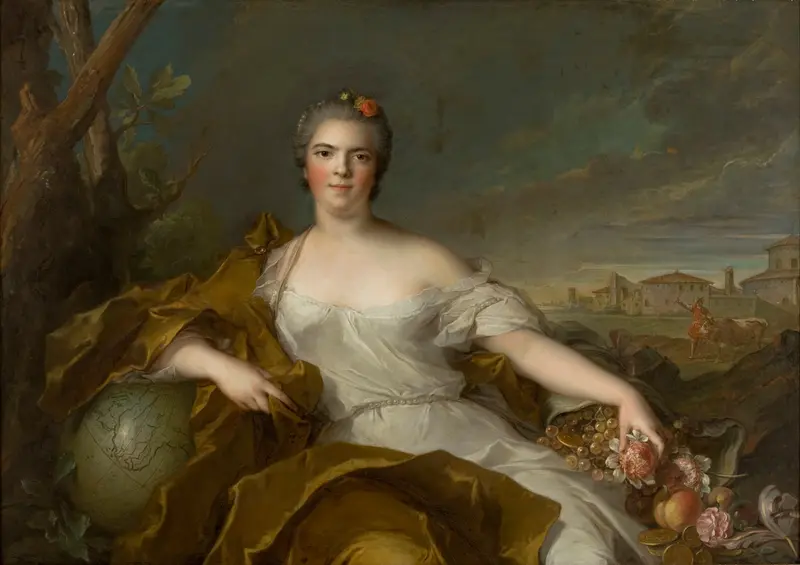
Princess Louise-Élisabeth of France - The Earth
Jean-Marc Nattier
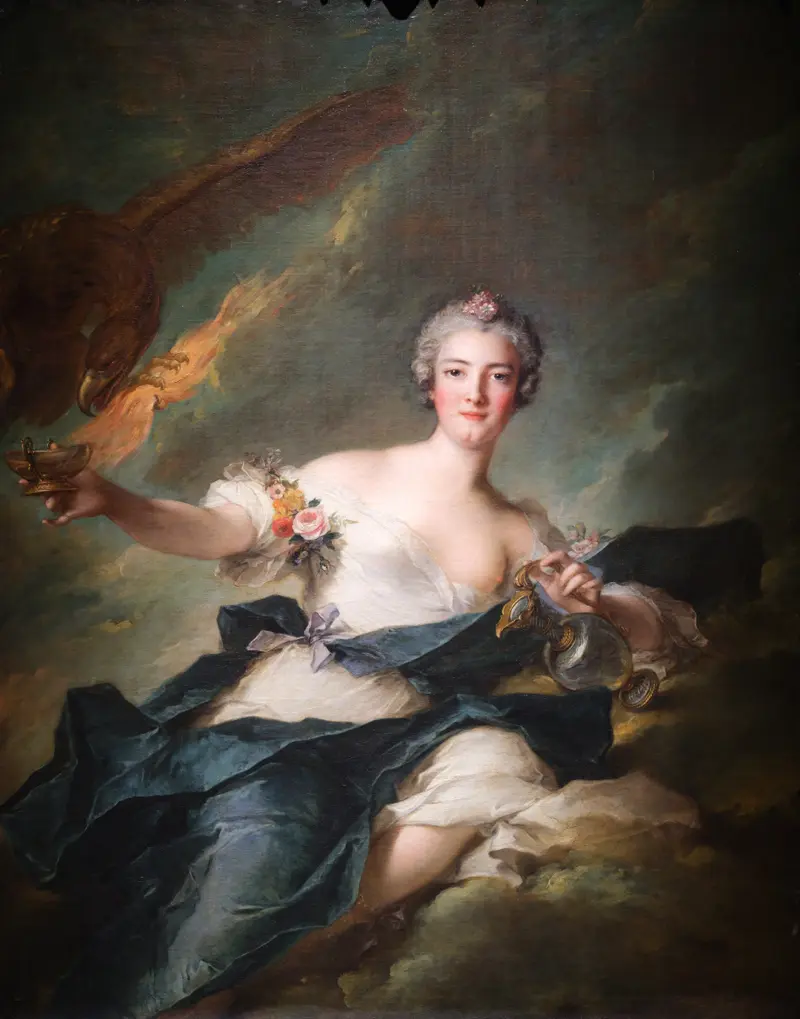
The Duchess of Chaulnes Represented as Hebe
Jean-Marc Nattier
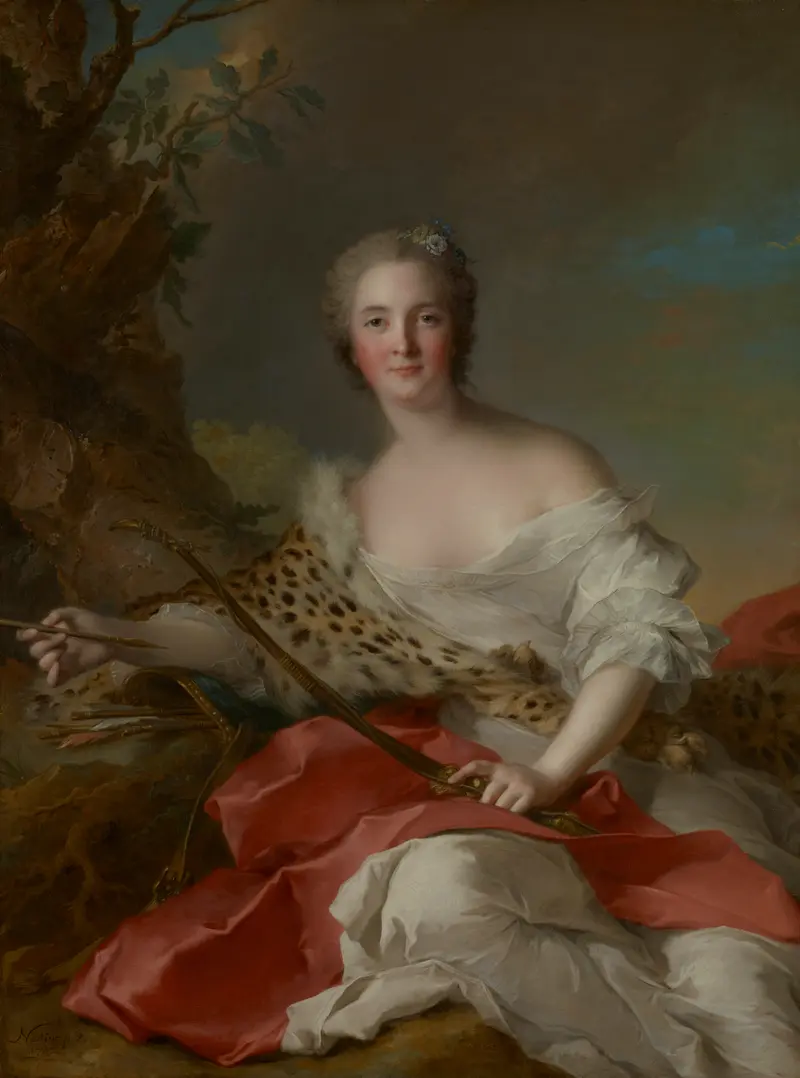
Portrait of Madame Bonnier de la Mosson as Diana (Constance-Gabrielle-Magdeleine du Monciel de Lauraille
Jean-Marc Nattier
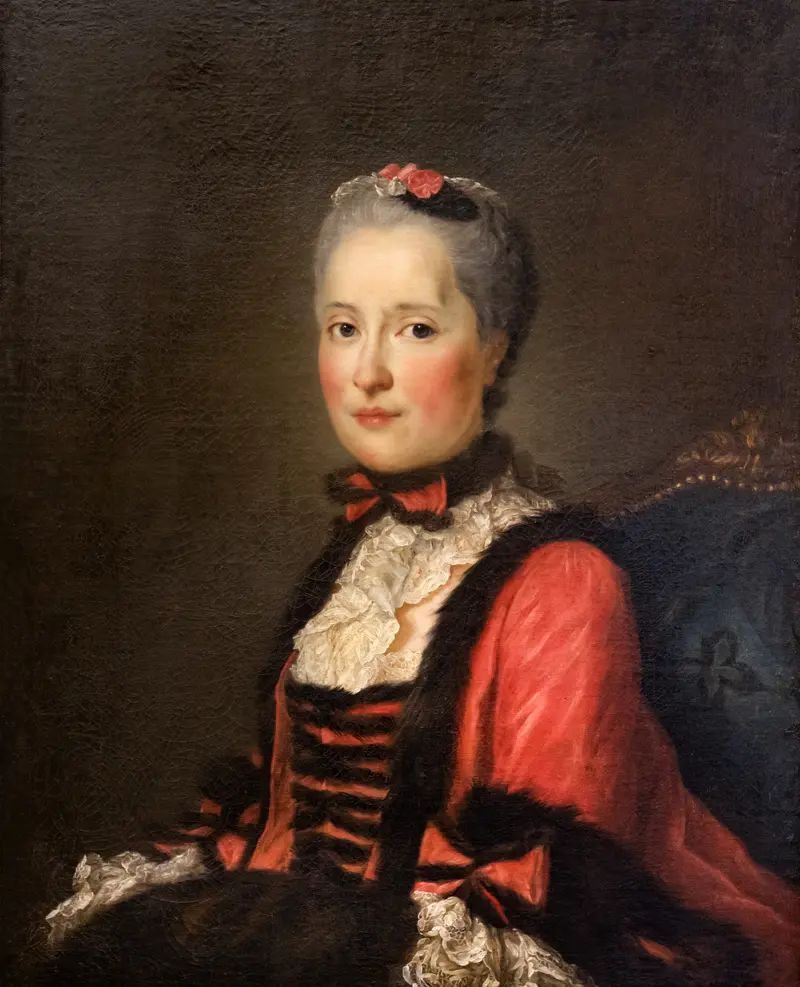
Portrait of Marie-Josephe of Saxony, Dauphine of France
Jean-Marc Nattier
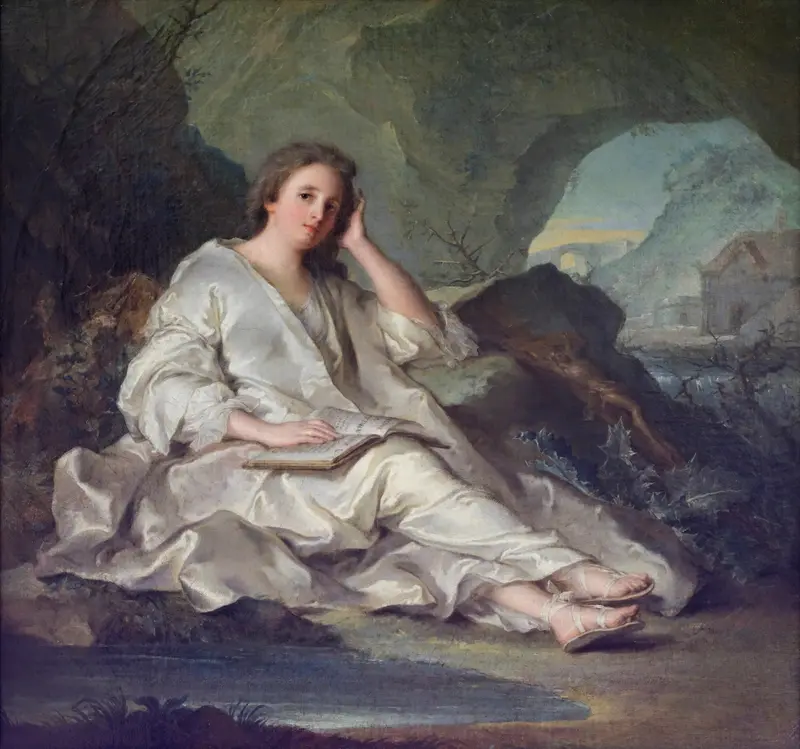
La Madeleine, ou Une Pénitente dans le désert Musée du Louvre Peintures INV 6880 ; MR
Jean-Marc Nattier
Princess Anne-Henriette of France - The Fire
Jean-Marc Nattier





