
La forêt en hive — History & Facts
Is this a mirror — or a memory? In La forêt en hive, the viewer stands at the edge of an ancient woodland, enveloped in a tapestry of vibrant greens and shadowed browns, where the forest breathes with a life of its own. Focus on the textured brushstrokes that depict the thick trunks of the trees, standing sentinel-like against the backdrop of a soft, dappled sky. Notice how the light filters through the canopy, casting an ethereal glow on the underbrush, which invites you to lose yourself in its depth. The interplay of light and shadow creates a rhythm that draws the eye further into the lush foliage, where each leaf tells a story, echoing the quiet whispers of nature. This scene is layered with emotional tension, where the vibrant shades of green juxtapose the muted earth tones, suggesting a balance between life and decay.
The dense forest seems almost alive, evoking a sense of nostalgia for forgotten moments spent in nature. The meticulous attention to detail reveals the artist’s reverence for the natural world, while the slightly chaotic arrangement of the branches hints at an underlying tumult beneath the calm surface of memory. Courbet painted La forêt en hive between 1872 and 1873 during a period of personal reflection following the upheaval of the Franco-Prussian War. This was a time of significant shifts in the art world, as Realism was gaining prominence and pushing against the boundaries of traditional Romanticism.
Courbet sought to capture the essence of reality in his work, and in this painting, he creates an intimate dialogue between the viewer and the serene, yet complex, environment around them.
More Artworks by Gustave Courbet
Browse all →
Marine
Gustave Courbet
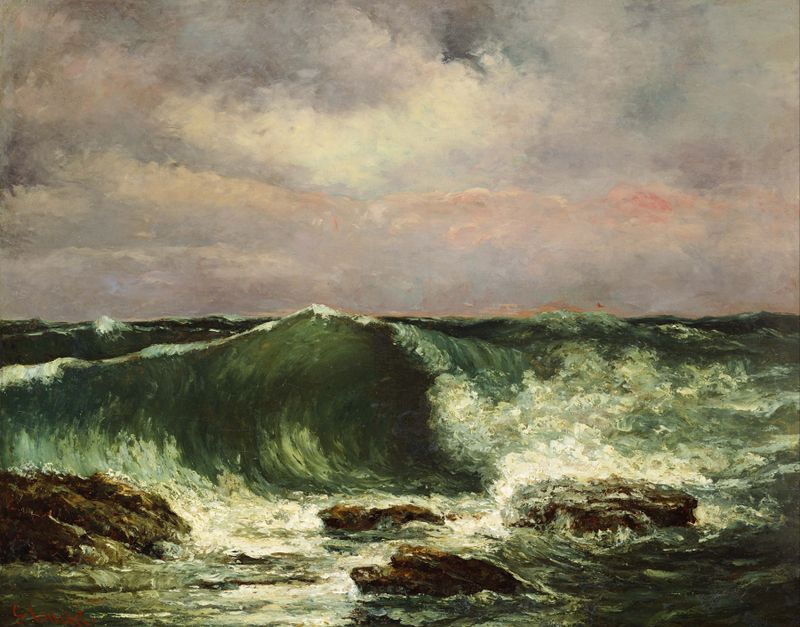
Waves
Gustave Courbet

Étretat; Les Falaises
Gustave Courbet
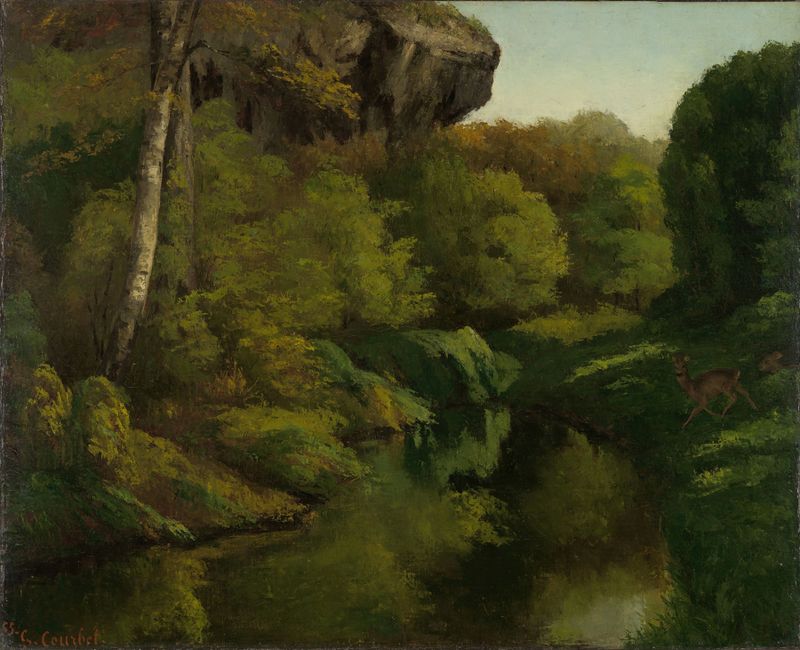
View in the Forest of Fontainebleau
Gustave Courbet
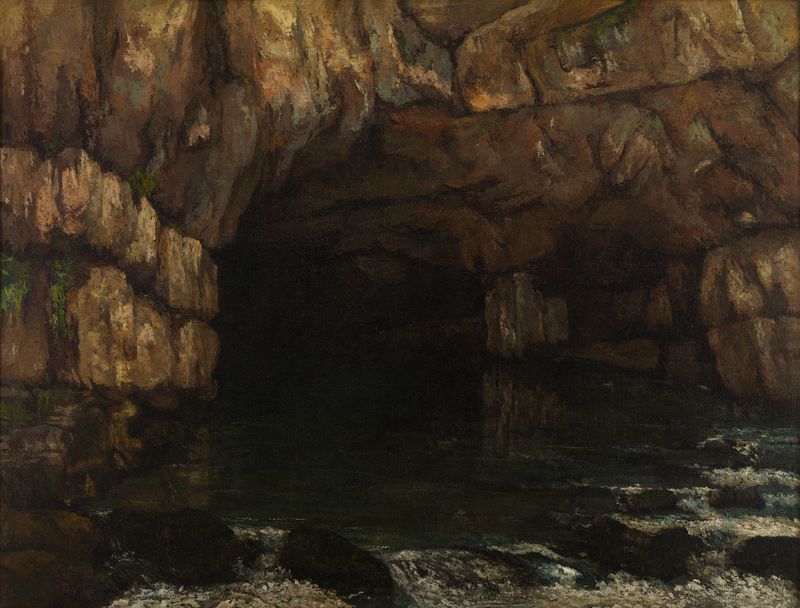
La source de la Loue (The Source of the Loue)
Gustave Courbet

Low Tide at Trouville
Gustave Courbet
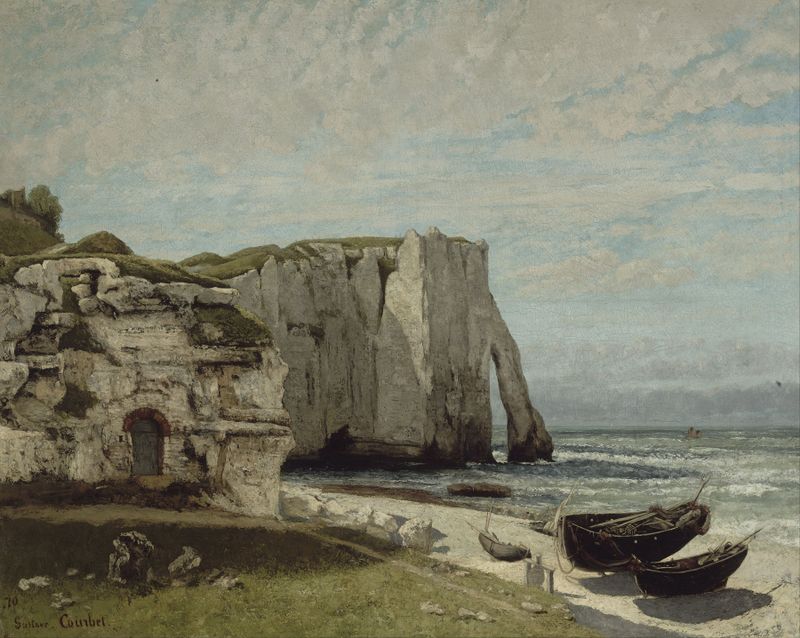
The Etretat Cliffs after the Storm
Gustave Courbet
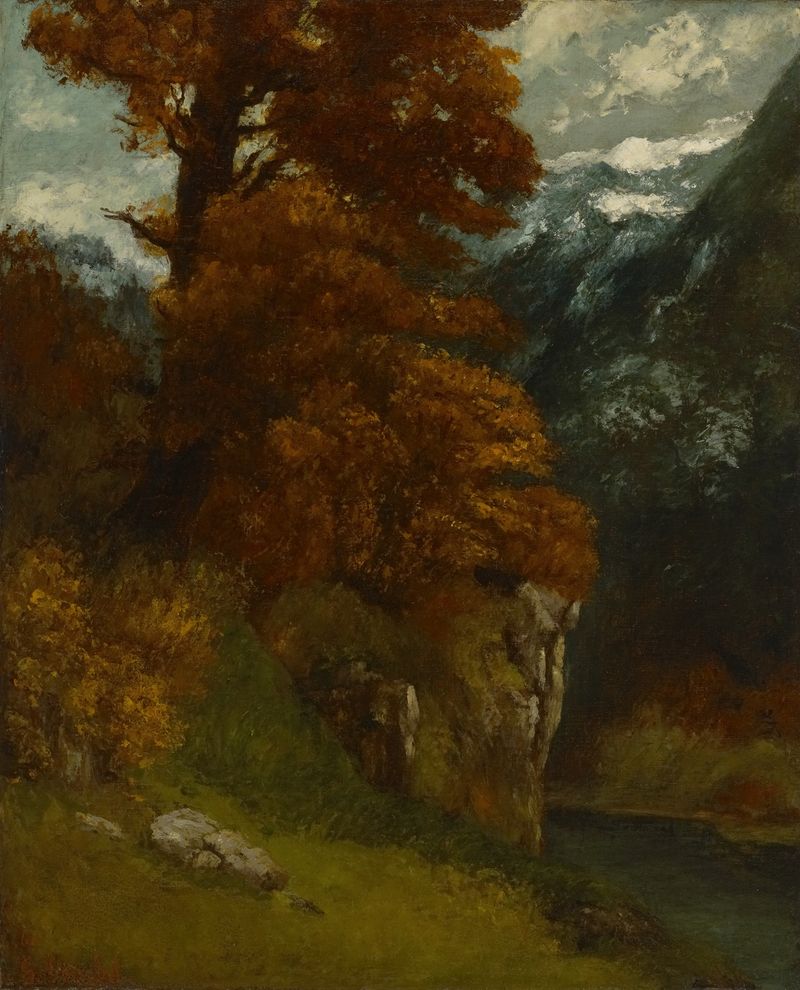
The Glen at Ornans (Bords du Doubs; Effet d’Automne)
Gustave Courbet
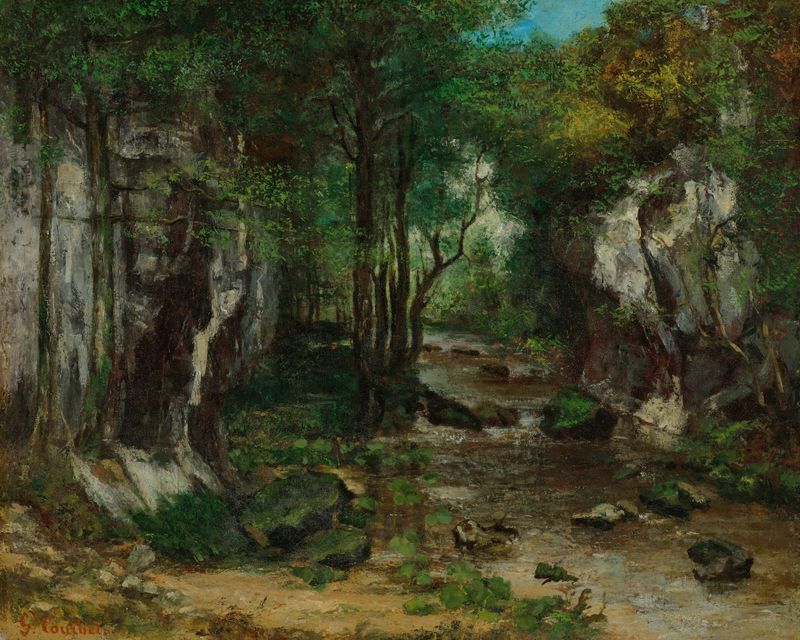
Le Ruisseau de Puits Noir
Gustave Courbet
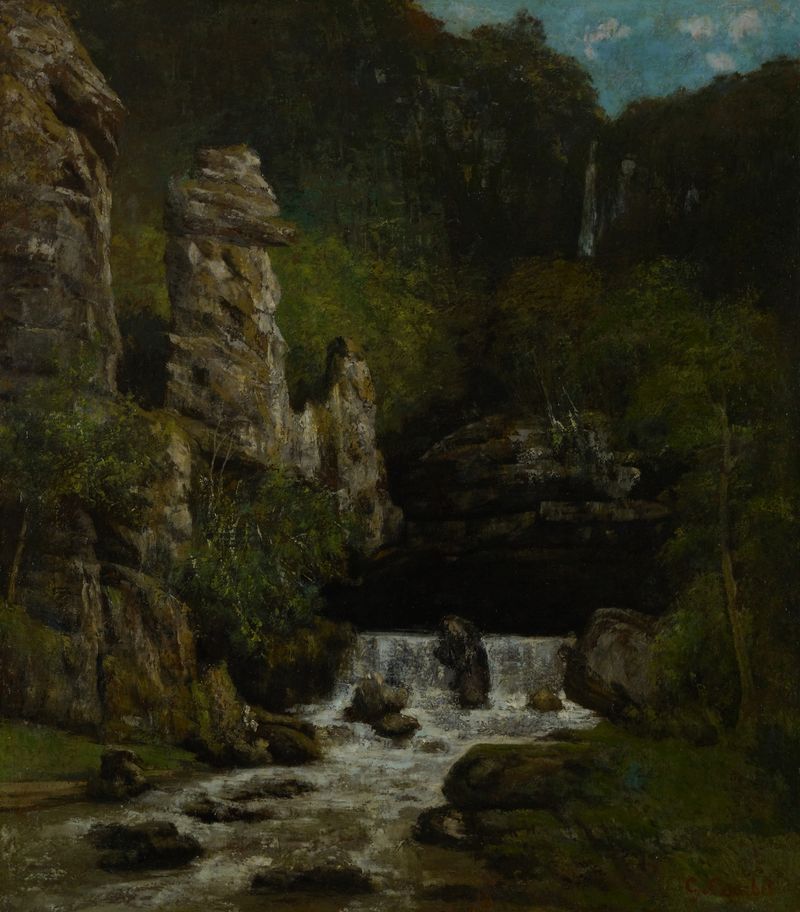
Landscape with a Waterfall
Gustave Courbet





