
La Forêt En Hiver — History & Facts
Where does light end, and longing begin? In the depths of winter’s grasp, nature whispers secrets of resilience and solitude, capturing a moment that straddles the edge between desolation and hope. Look to the foreground where a carpet of untouched snow blankets the ground, reflecting the soft, muted light that filters through the skeletal branches overhead. Notice how Courbet’s brushstrokes create a textured interplay, the roughness of the trees contrasting with the smooth expanse of white. The cool palette of blues and grays evokes a sense of chill, yet hints at the warmth of life hidden beneath the surface, inviting the viewer to ponder what lies beyond the visible. A powerful contrast emerges between the starkness of the barren trees and the untouched snow, symbolizing the tension between despair and the promise of renewal.
The quiet of the scene is palpable, suggesting a moment of introspection amidst the vastness of nature. Each branch, stripped of foliage, expresses the vulnerability of existence while simultaneously boasting an unyielding strength, as if to say that even in winter, life persists in an unseen, potent form. Courbet painted this piece during a time when the art world was shifting towards realism, rejecting the romantic ideals of the past. Created in the mid-19th century, amidst the political upheaval in France, the work reflects his desire to connect with nature and challenge conventional representations.
This period marked a crucial point in his career, as he sought to depict the authenticity of landscapes and human experience, establishing a new path in the realm of art.
More Artworks by Gustave Courbet
Browse all →
Marine
Gustave Courbet
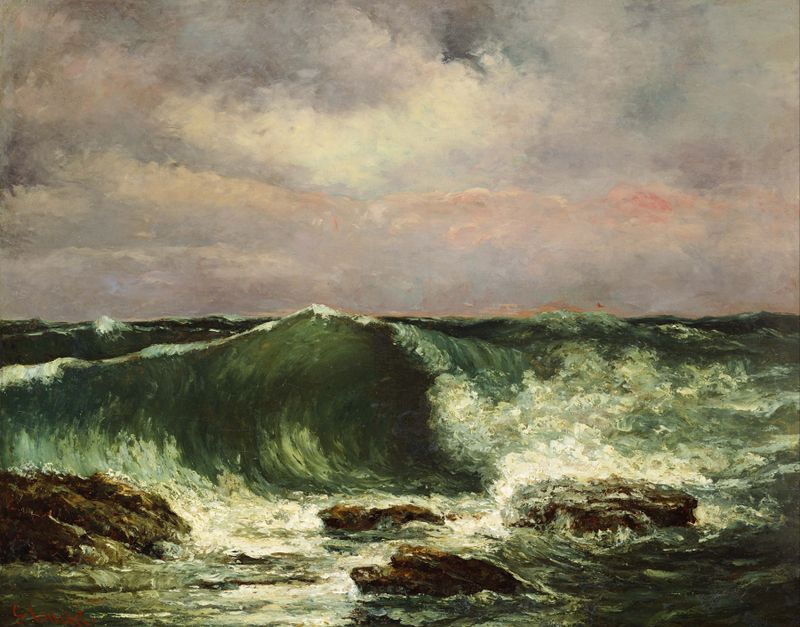
Waves
Gustave Courbet

Étretat; Les Falaises
Gustave Courbet
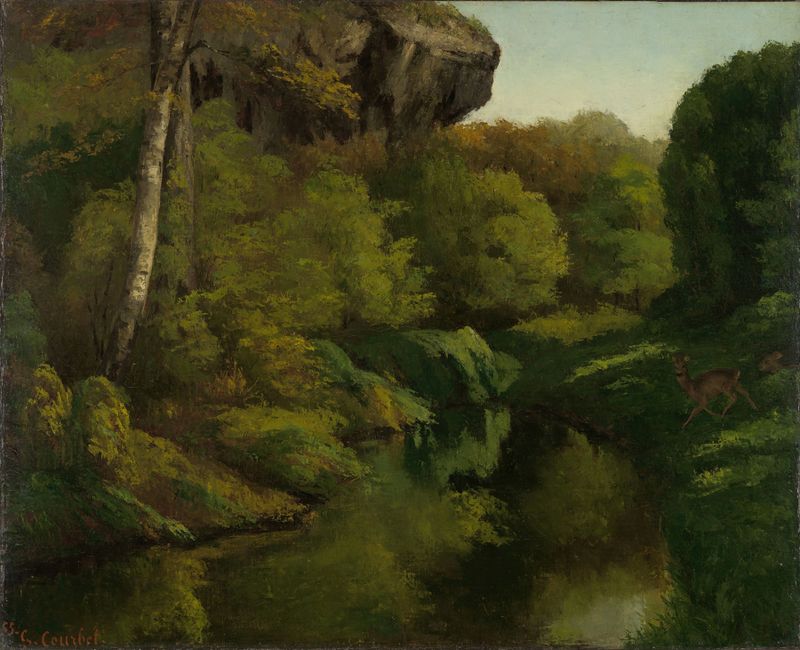
View in the Forest of Fontainebleau
Gustave Courbet
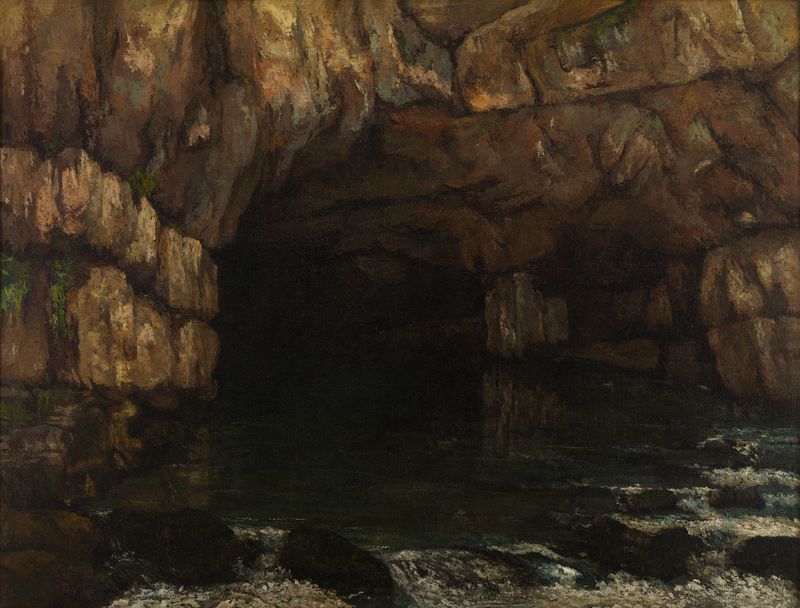
La source de la Loue (The Source of the Loue)
Gustave Courbet

Low Tide at Trouville
Gustave Courbet
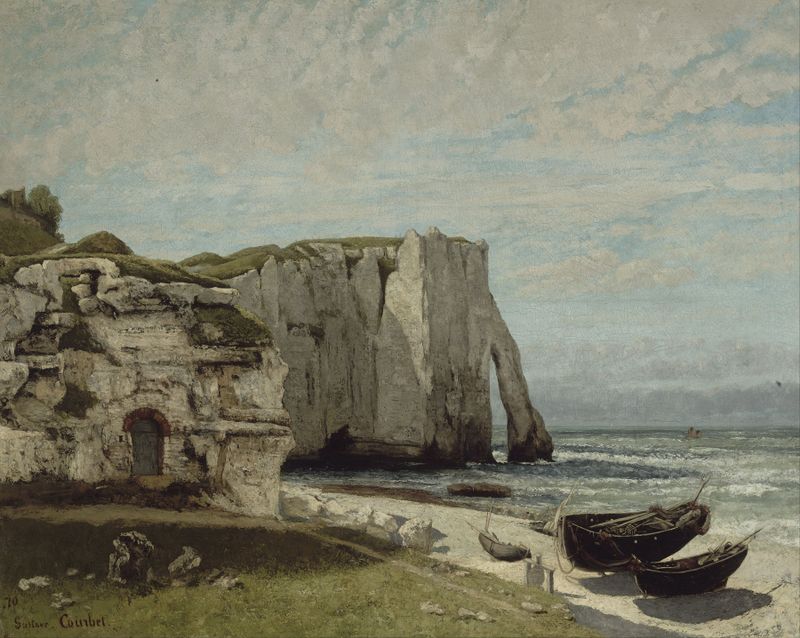
The Etretat Cliffs after the Storm
Gustave Courbet
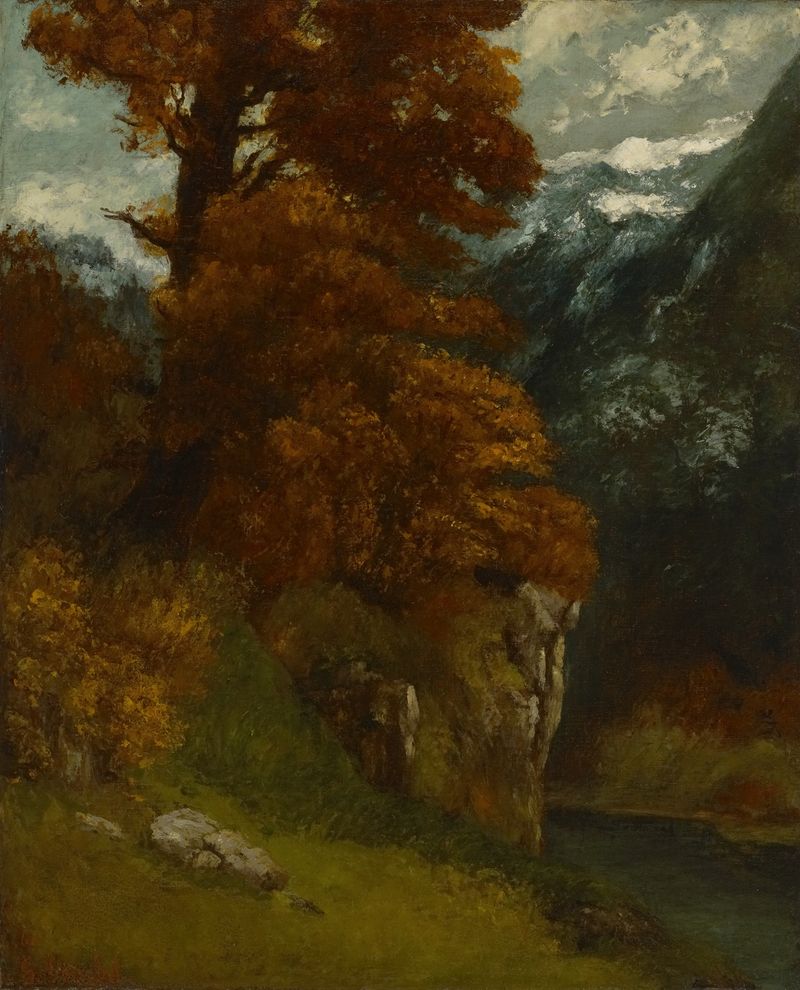
The Glen at Ornans (Bords du Doubs; Effet d’Automne)
Gustave Courbet
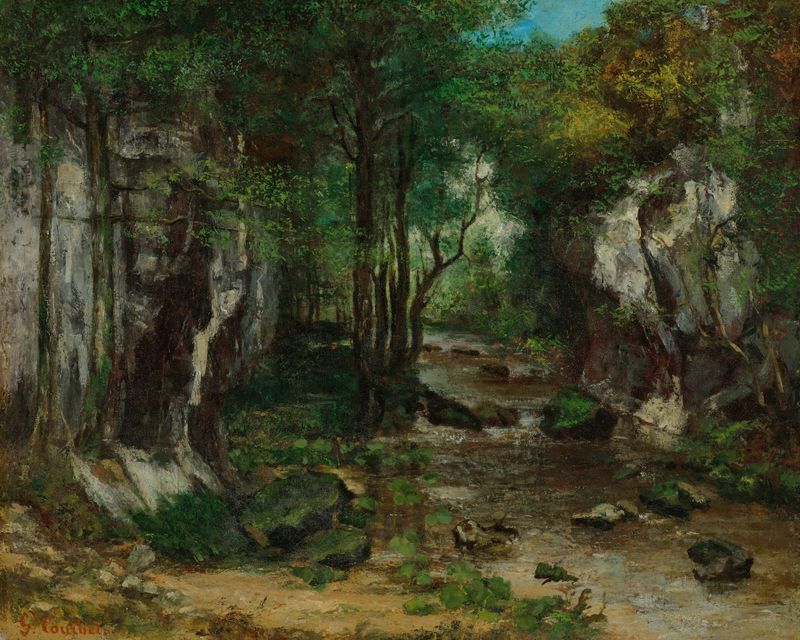
Le Ruisseau de Puits Noir
Gustave Courbet
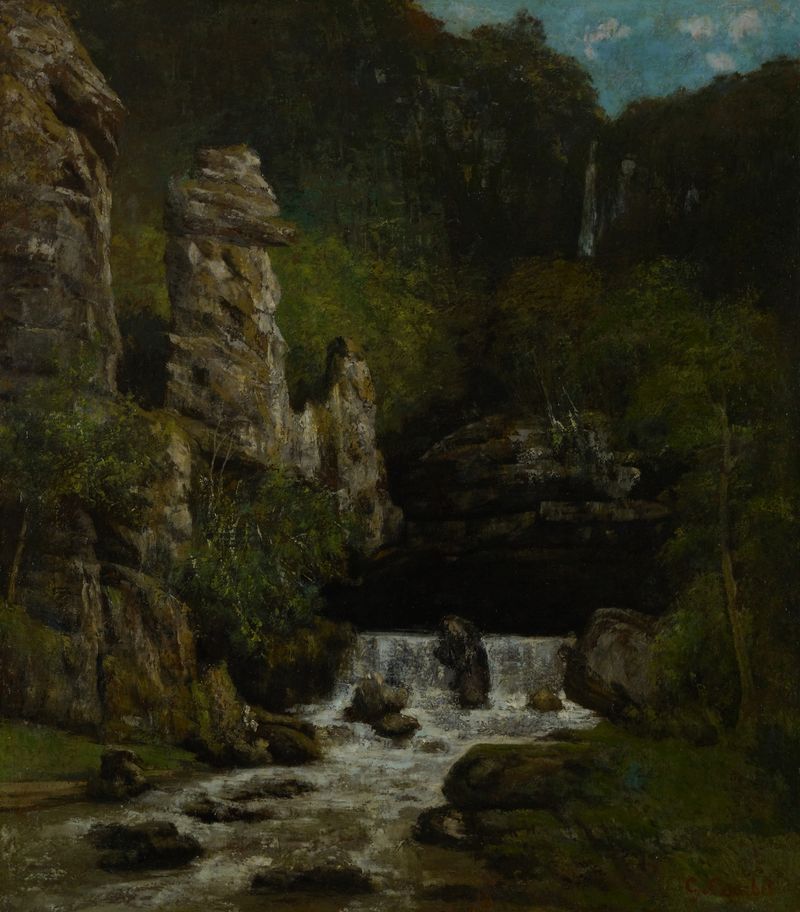
Landscape with a Waterfall
Gustave Courbet





