
La Gare Du Chemin De Fer De Sceaux — History & Facts
Could beauty survive in a century of chaos? Manet’s vision offers a glimpse of innocence amid the tumult of modernity, where the bustle of life both invites and overwhelms. Look to the left at the elegantly poised figures standing on the platform, their attire a mixture of contemporary fashion and timeless grace. Notice how the soft, dappled light filters through the clouds, illuminating the scene with a gentle warmth that contrasts against the stark architecture of the railway station. The warm hues of the figures' clothing stand out against the cooler tones of the iron and stone, revealing a careful balance between humanity and the industrial backdrop. Innocence here is captured in the gaze of a young woman, her profile serene yet contemplative, lost in thought as the world whirls around her.
The juxtaposition of the quiet figures amid the frenetic energy of the train station evokes a tension between stillness and motion, hinting at personal narratives overshadowed by the impersonal rhythm of modern life. Each brushstroke carries a weight of sophistication, yet the unassuming moment hints at deeper stories of longing and hope, juxtaposed against the accelerating march of time. Édouard Manet painted La Gare Du Chemin De Fer De Sceaux in 1870 during a pivotal moment in his career, as he began to embrace the rapidly changing world around him. Living in Paris, he was at the forefront of the Impressionist movement, which sought to capture fleeting moments of contemporary life.
The city was vibrant yet tumultuous, marked by political upheaval and the challenges of modernity, making this work a profound reflection of both personal and societal transformation.
More Artworks by Édouard Manet
Browse all →
Le Déjeuner sur l’herbe
Édouard Manet
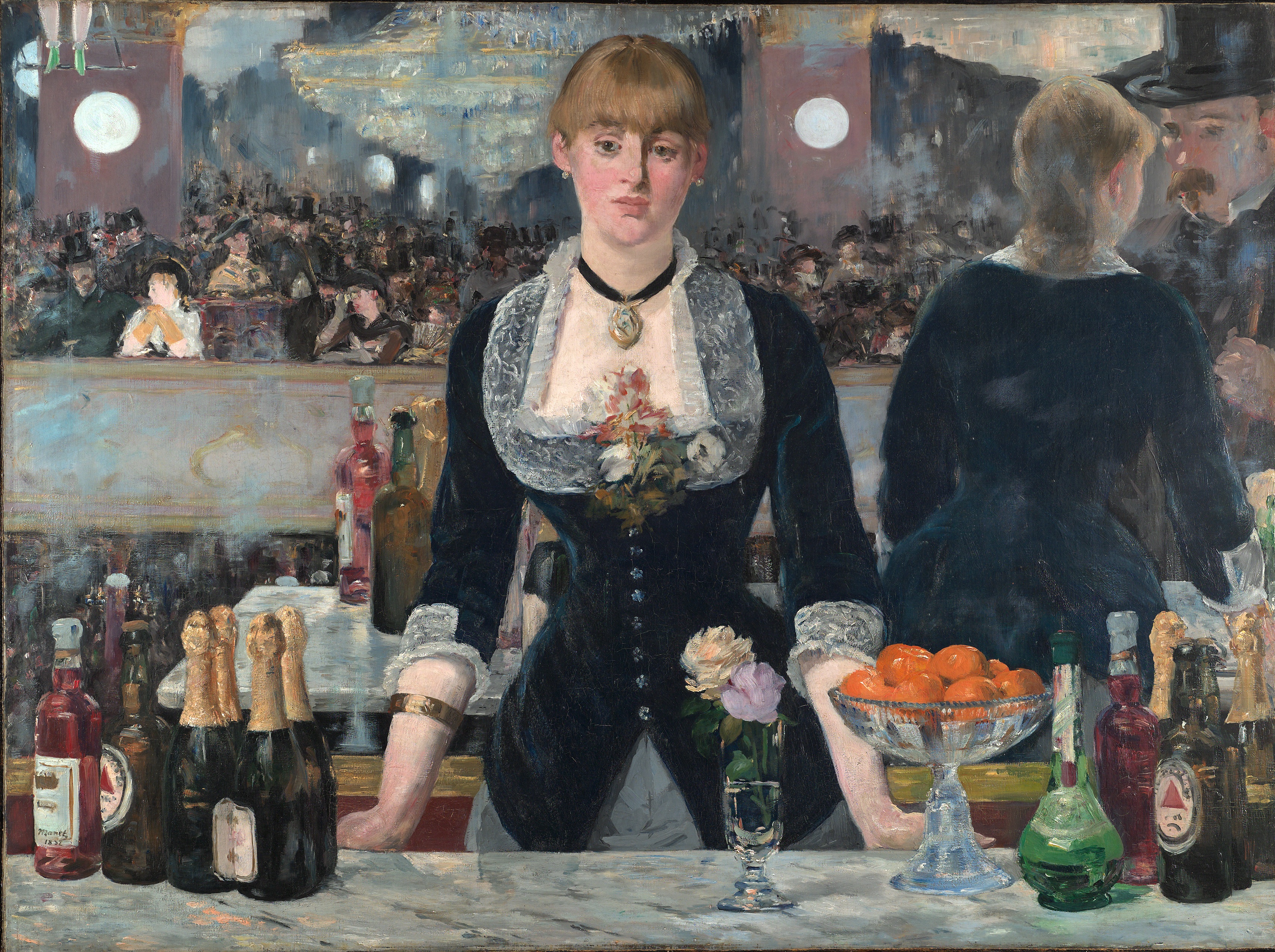
A Bar at the Folies-Bergère
Édouard Manet
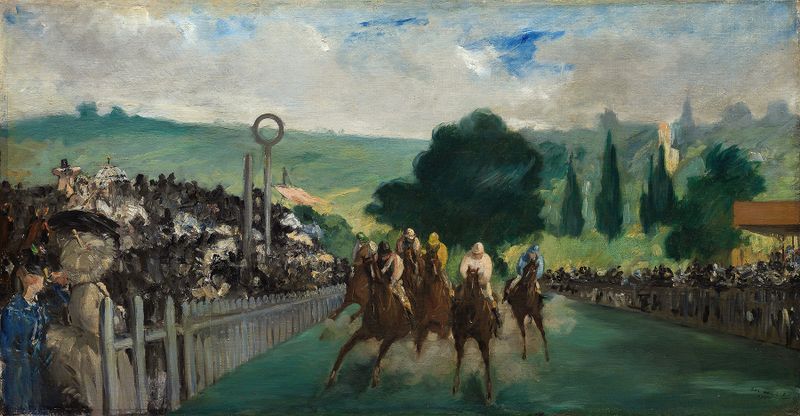
The Races at Longchamp
Édouard Manet
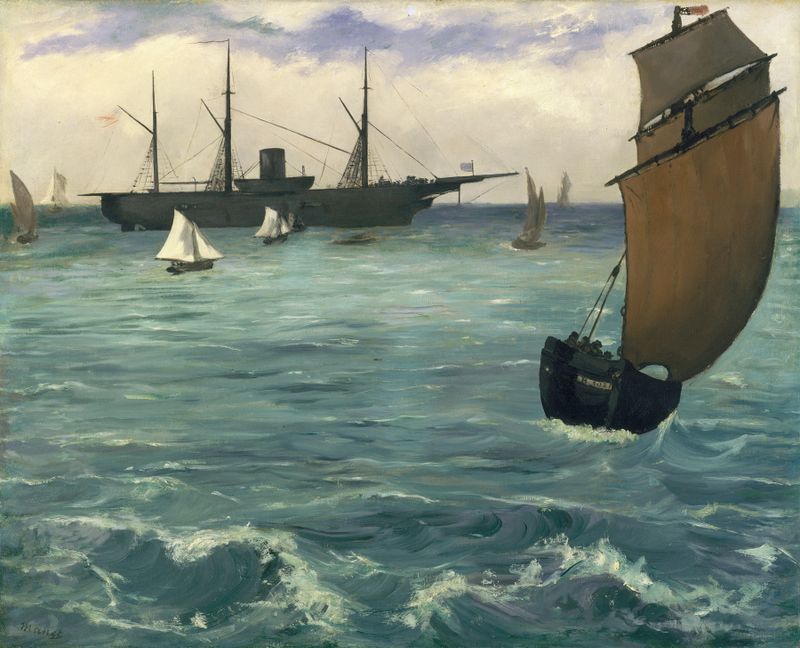
The ‘Kearsarge’ at Boulogne
Édouard Manet
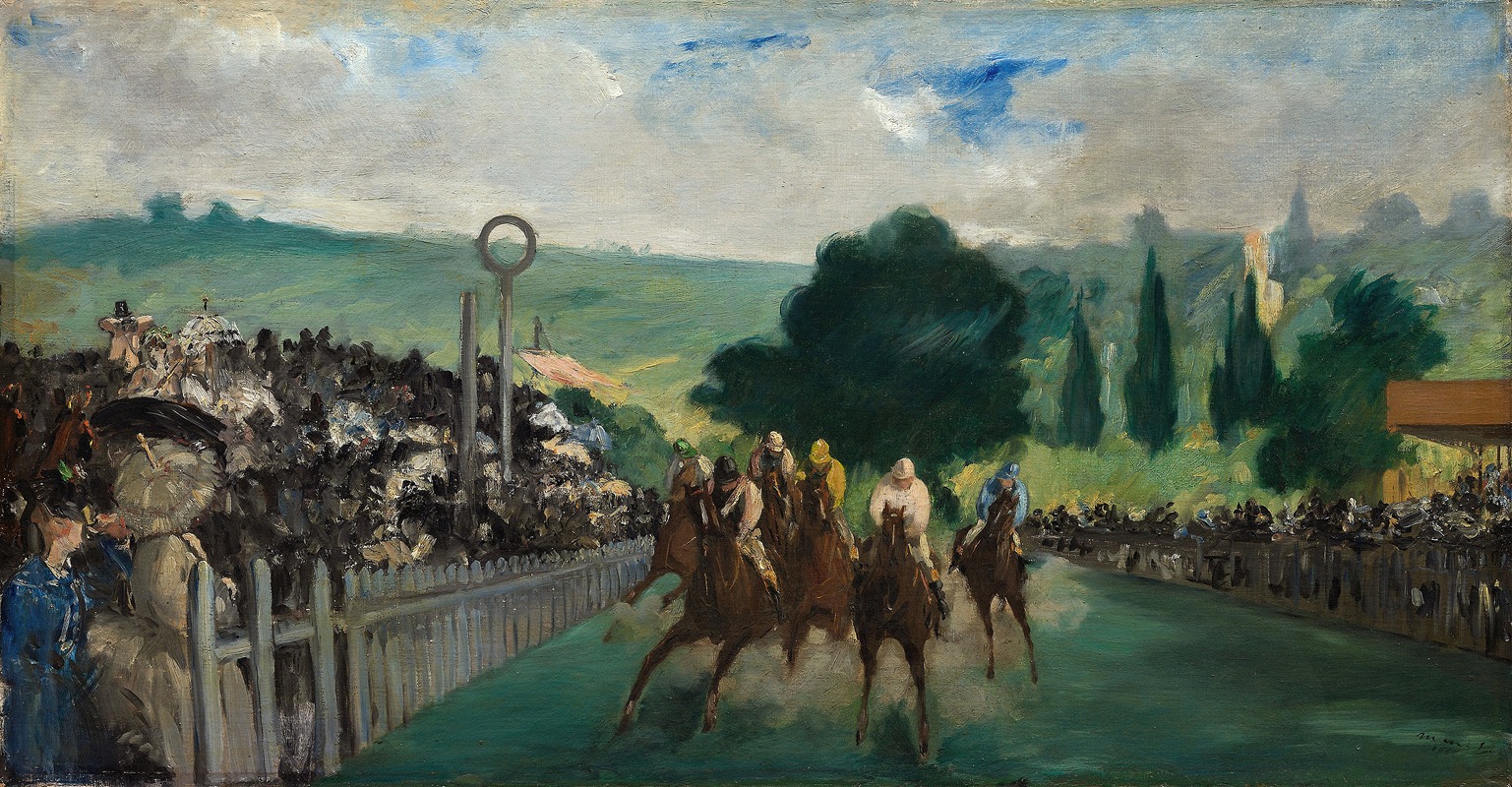
The Races at Longchamp
Édouard Manet
Woman Reading
Édouard Manet
Beggar with a Duffle Coat (Philosopher)
Édouard Manet
Portrait of a Woman with a Black Fichu
Édouard Manet
Bullfight
Édouard Manet
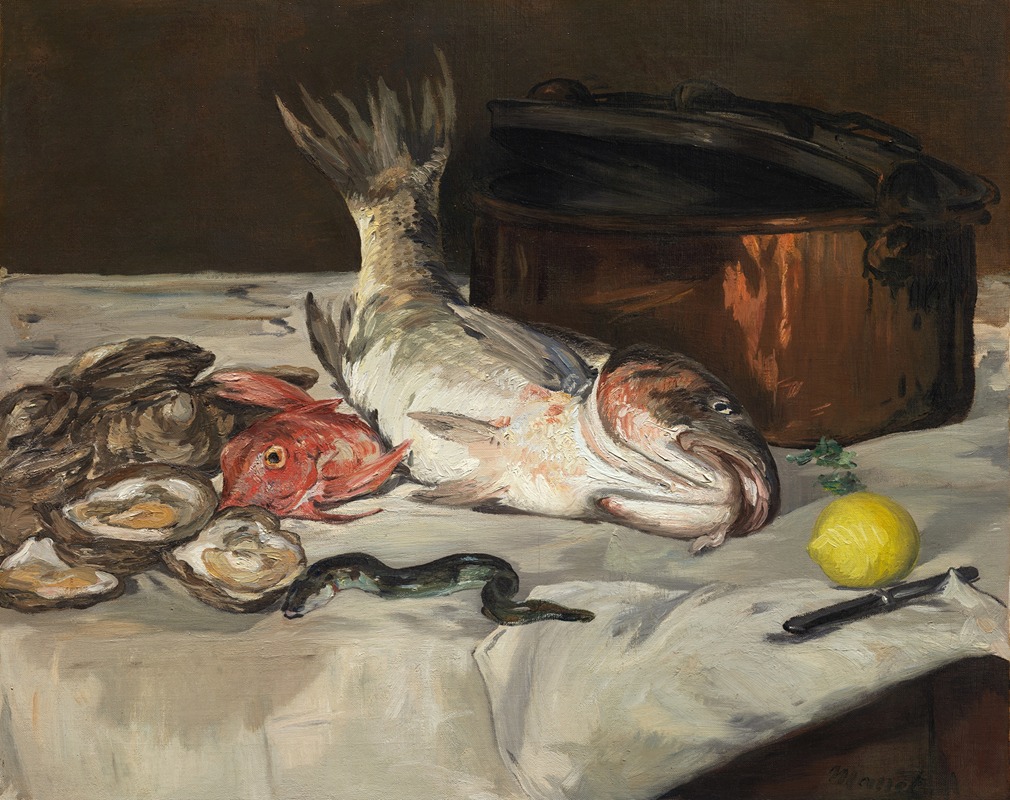
Fish (Still Life)
Édouard Manet




