
La maison de La Crau (The Old Mill) — History & Facts
Can beauty exist without sorrow? In La maison de La Crau, Vincent van Gogh reminds us of the inextricable ties between innocence and the harsher realities of life. Look to the left at the humble structure, its worn walls bathed in the golden light of dusk. The vibrant yellows and gentle blues dance together, creating an idyllic harmony yet hinting at a deeper emotional landscape. The brushwork is alive—bold strokes that convey both the solidity of the mill and the ephemeral quality of the moment.
Focus on the swirling sky above, where clouds gather like whispers, suggesting a change that may soon arrive. Beyond the tranquil exterior lies a narrative of tension. The mill stands as a symbol of labor and resilience, juxtaposed against the fleeting beauty of the landscape surrounding it. The rich earth tones and soft hues capture a fleeting moment of peace, yet the heavy atmosphere hints at the weight of existence.
The scene evokes a sense of nostalgia, a longing for an innocence that may never return, as nature and human handiwork coexist in delicate balance. In 1888, while in Arles, van Gogh painted this work during a prolific period of creativity, seeking to capture the essence of rural life. This was a time of introspection for the artist, grappling with mental health struggles, while he immersed himself in the vibrant colors and textures of the Provence landscape. His exploration of these themes not only defined his oeuvre but also marked a significant shift in the trajectory of modern art.
More Artworks by Vincent van Gogh
Browse all →
Starry Night
Vincent van Gogh
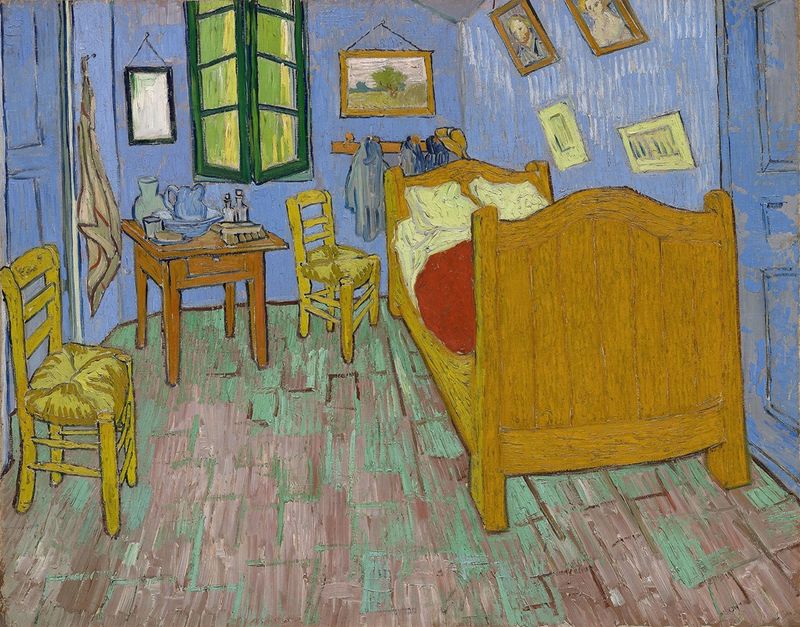
The Bedroom
Vincent van Gogh
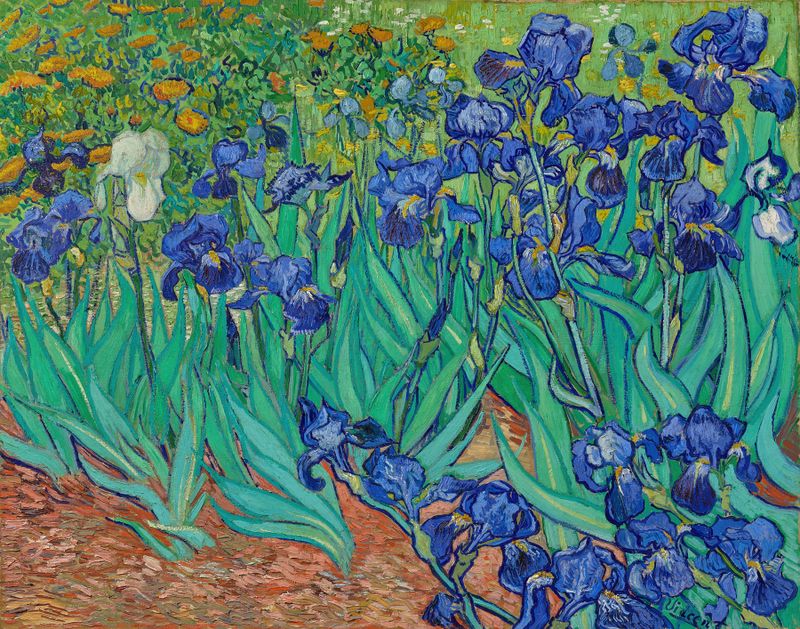
Irises
Vincent van Gogh
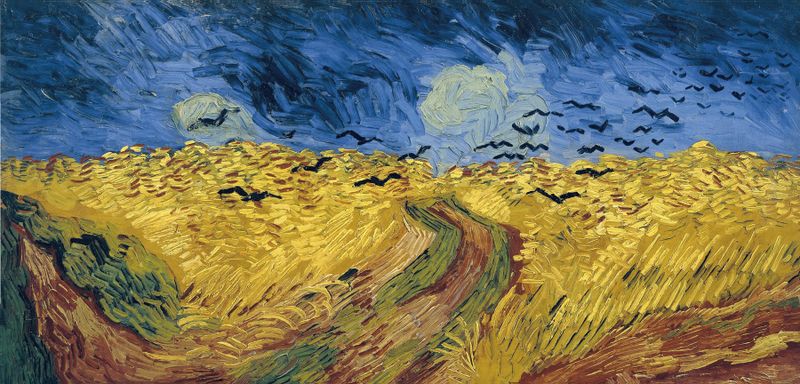
Wheatfield with Crows
Vincent van Gogh
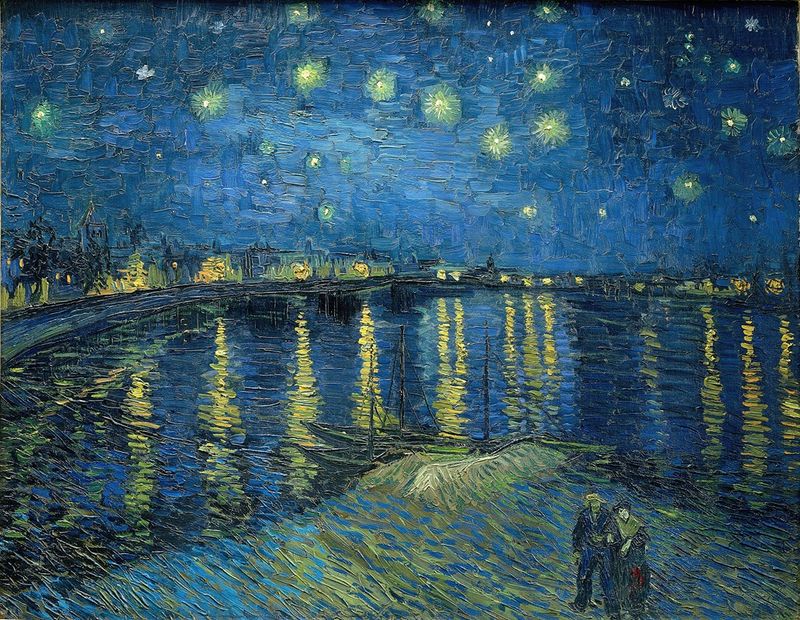
Starry Night over the Rhone
Vincent van Gogh

The yellow house
Vincent van Gogh
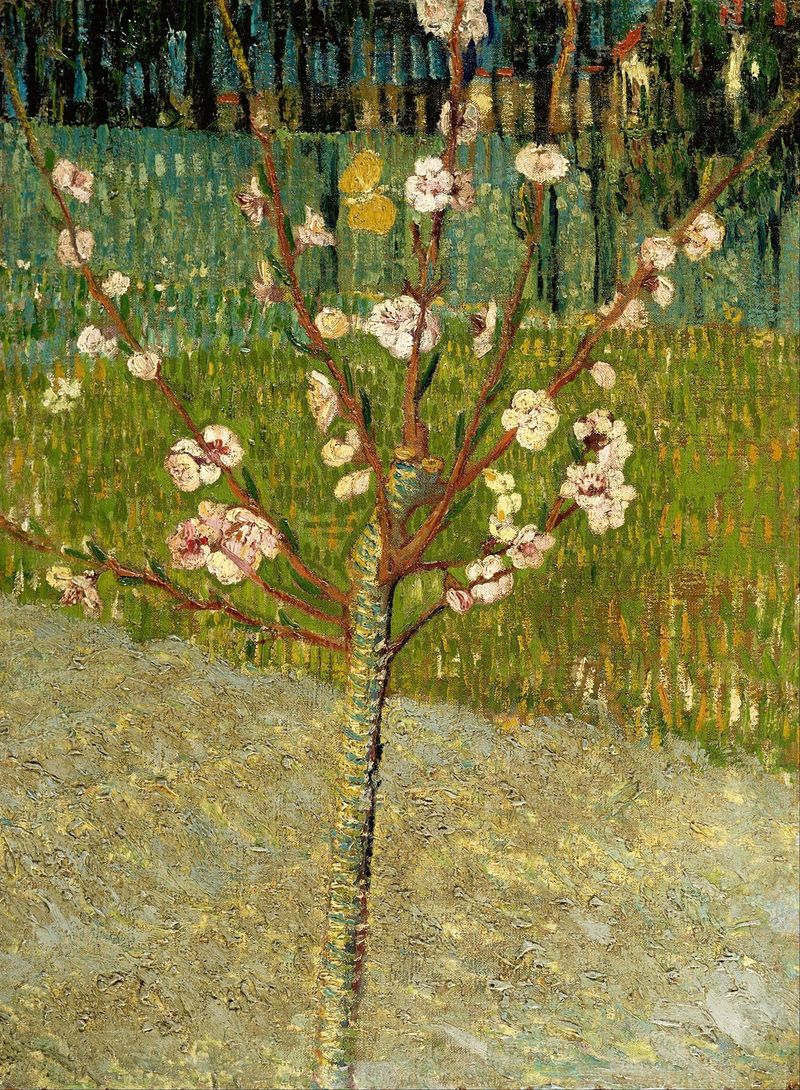
Almond tree in blossom
Vincent van Gogh

Portrait of Dr Gachet
Vincent van Gogh

The Church in Auvers-sur-Oise, View from the Chevet
Vincent van Gogh

Self-Portrait
Vincent van Gogh





