
La mare — History & Facts
When did color learn to lie? In La mare, verdant yellows and deep blues intertwine, crafting an illusion of tranquil beauty that masks an undercurrent of yearning. Look to the center, where the shimmering water invites the viewer's gaze, reflecting a vibrant palette that oscillates between reality and dream. Each brushstroke is deliberate, capturing nuanced ripples that seem alive, suggesting movement beneath the surface. The surrounding foliage, dappled with sunlight, frames this aquatic oasis, drawing the eye outward, yet keeping it anchored in the depths of the water’s allure. As you explore further, notice the juxtaposition between the serene landscape and the hidden tension within.
The luminous colors evoke a sense of desire for something ephemeral, while the stillness of the scene hints at unfulfilled longing. Shadows lurk at the edges of the foliage, suggesting that the beauty before us is tinged with elusive truths, a reminder that not all is as idyllic as it appears. In 1914, Armand Apol created La mare during a period of personal exploration and creative evolution. Living in Belgium, he was influenced by the shift toward modernism in art, capturing the essence of nature with vivid color and emotion.
The world was on the brink of upheaval, and in this moment, Apol sought to convey not just what he saw, but what he felt — a desire for beauty amid uncertainty.
More Artworks by Armand Apol
Browse all →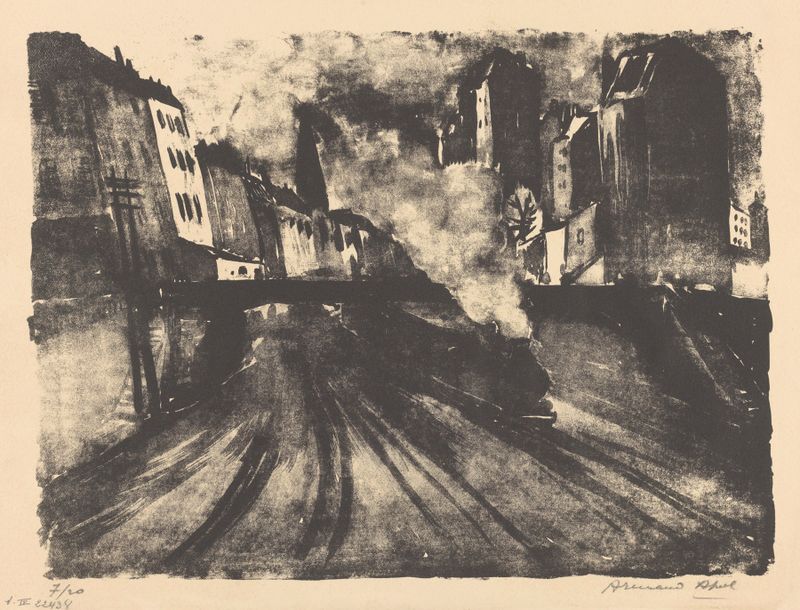
Chemin de fer de ceinture à Paris
Armand Apol
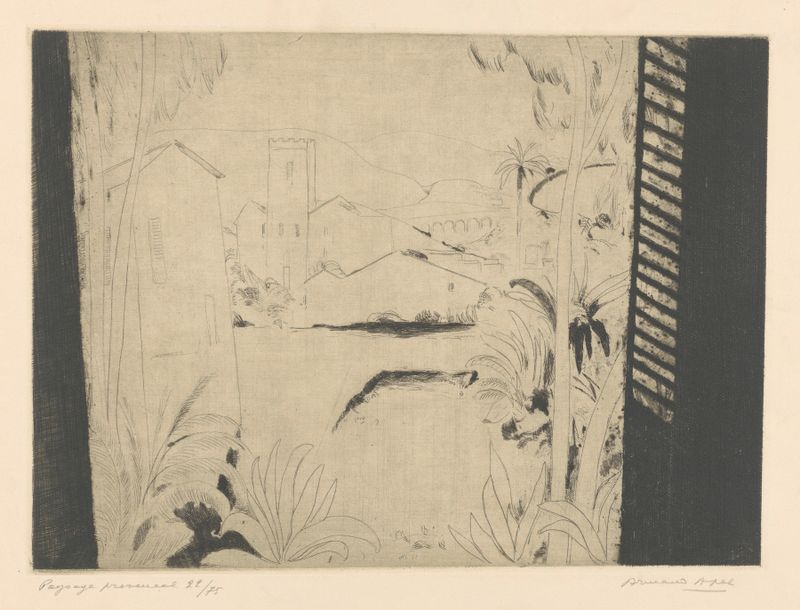
Paysage provençal
Armand Apol
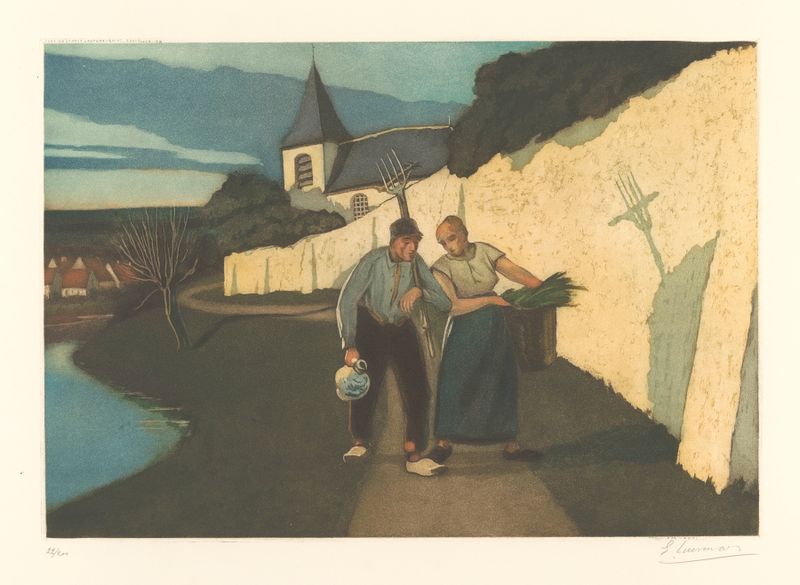
Retour des champs
Armand Apol
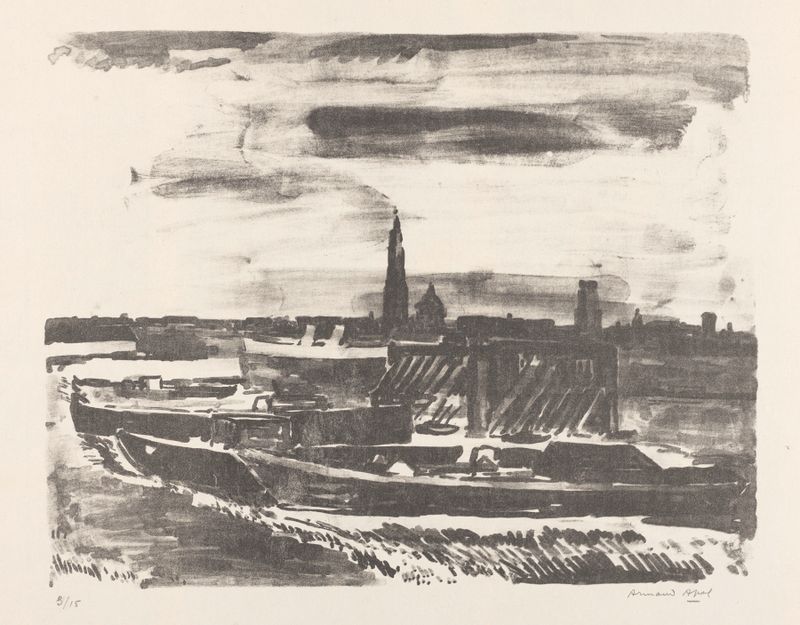
Bateaux à quai à Anvers
Armand Apol
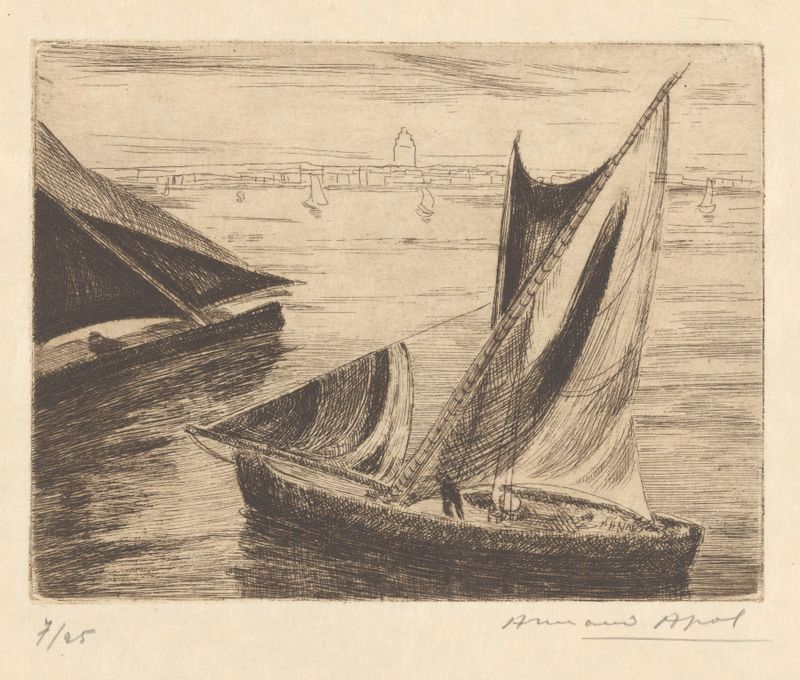
Marseille. Tartanes
Armand Apol
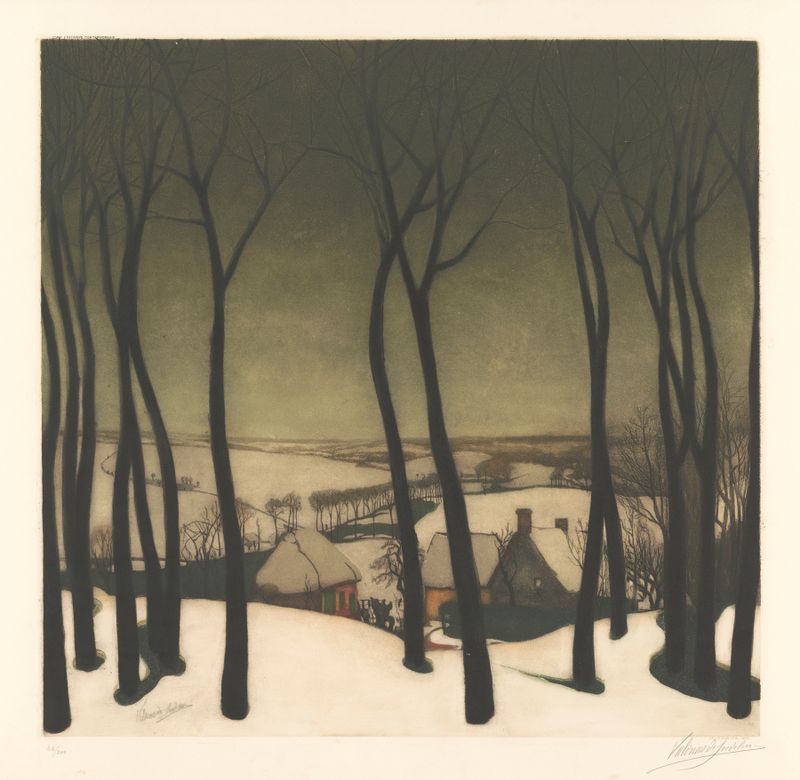
Paysage
Armand Apol
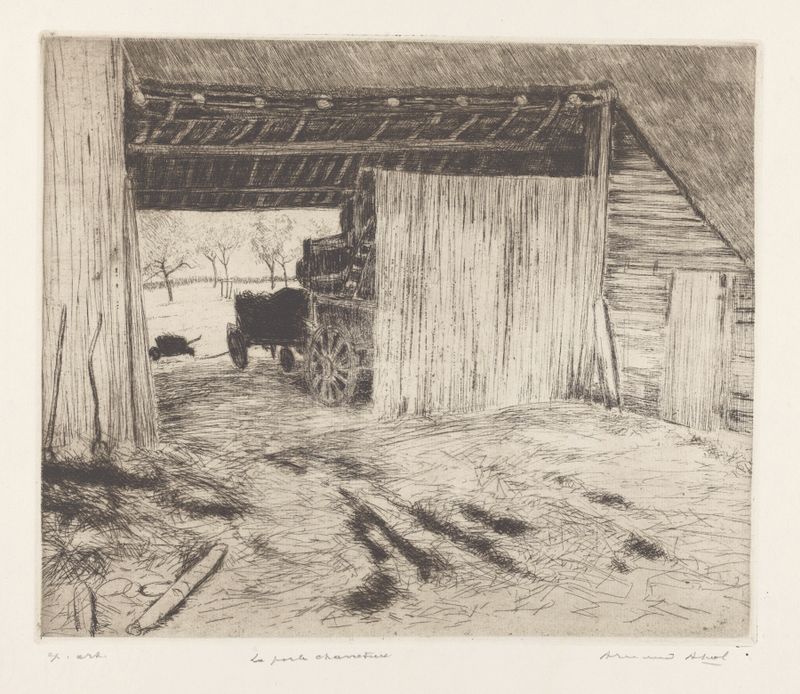
La porte charretière
Armand Apol
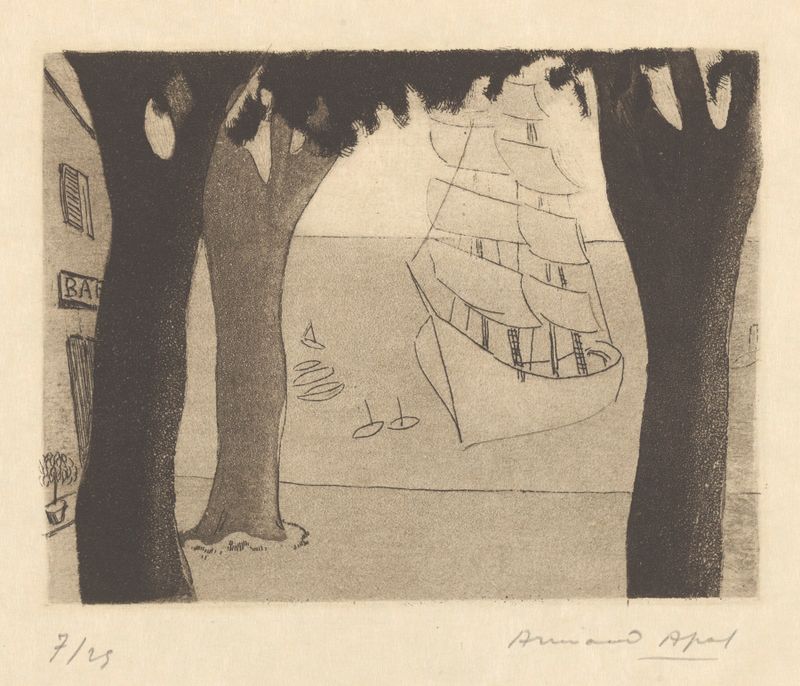
Cassis. Vue sur le port
Armand Apol
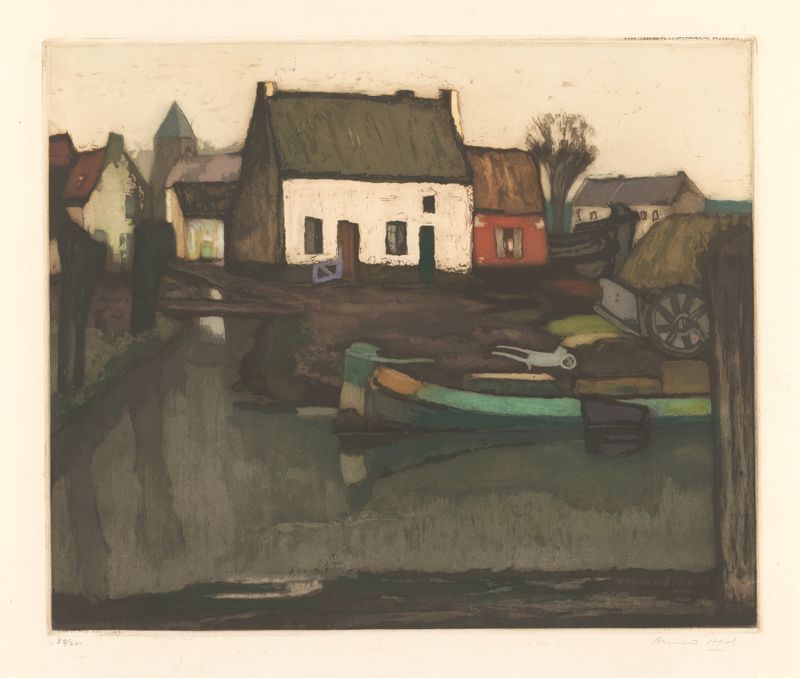
Bord du canal
Armand Apol
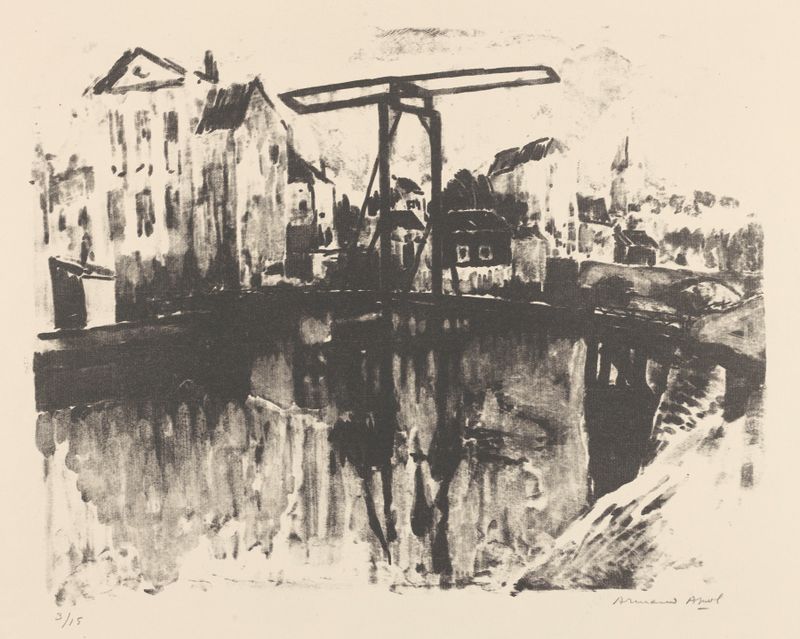
Pont basculant dans une ville
Armand Apol





