
La Marseillaise chantée à la loggia de l’Opéra par Me Chenal le 12 novembre 1918 — History & Facts
Did the painter know this moment would outlive them? The echoes of fervent hopes and collective joy resonate within the frame, capturing a pivotal transition where faith intertwines with fervor in the aftermath of war. Look to the center where a figure stands poised and exuberant, radiating emotion as she sings from the loggia of the Opéra. The vibrant colors of her dress contrast with the muted tones of the surrounding architecture, drawing your gaze immediately. Notice how the light spills from above, creating an ethereal halo around her, amplifying the sense of celebration.
The gathering crowd below swells with anticipation and pride, their faces a tapestry of relief and unshakeable belief in a brighter future. Delve deeper into the expressions of the crowd, each face a unique story of loss, hope, and resilience. The juxtaposition of the singer’s elevated position against the sea of people hints at the unity born from struggle, a reminder of the sacrifices made. The connection between the individual and the collective is palpable—her voice becomes a beacon of faith, signaling not just a song of liberation but a shared emotional rebirth for a nation. In 1918, amidst the end of World War I, Bellan captured this defining moment in Paris, a city alive with the promise of peace.
The artist, influenced by the tumultuous years surrounding the conflict, channeled the spirit of renewal into his work. This period saw a rise in nationalistic sentiment and artistic expression, as communities sought to redefine their identities after devastation.
More Artworks by Louis-Gilbert Bellan
Browse all →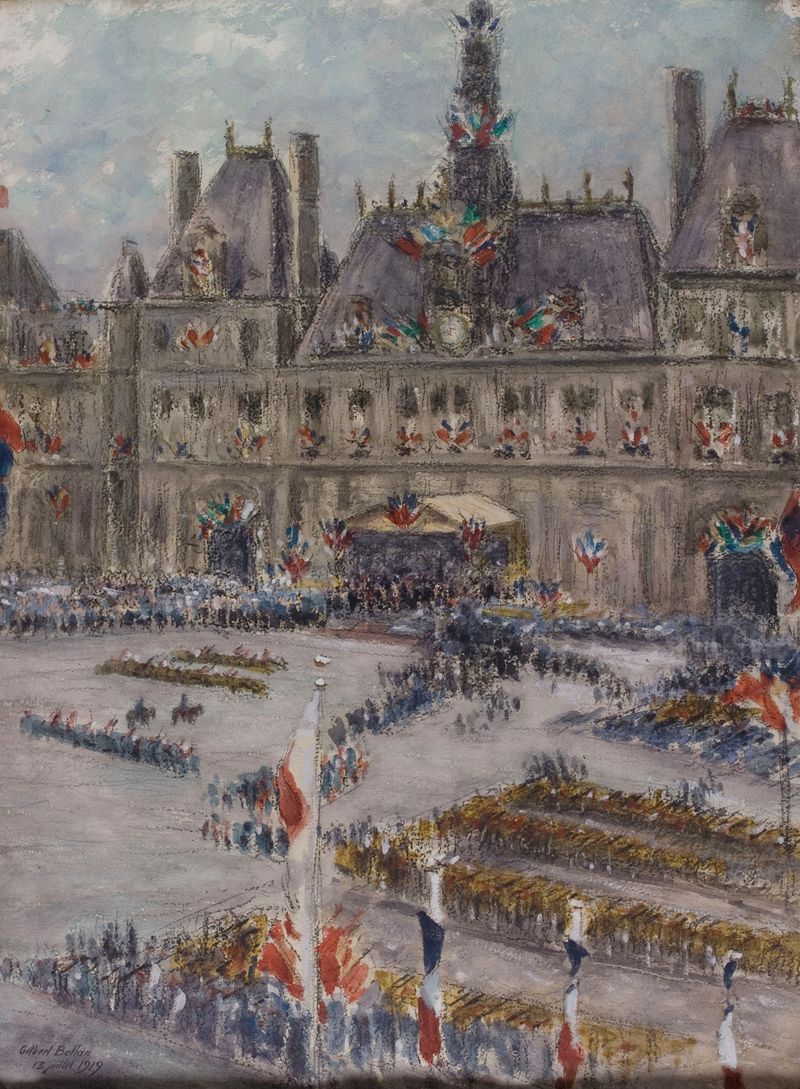
La place de l’Hôtel de Ville le 13 juillet 1919
Louis-Gilbert Bellan
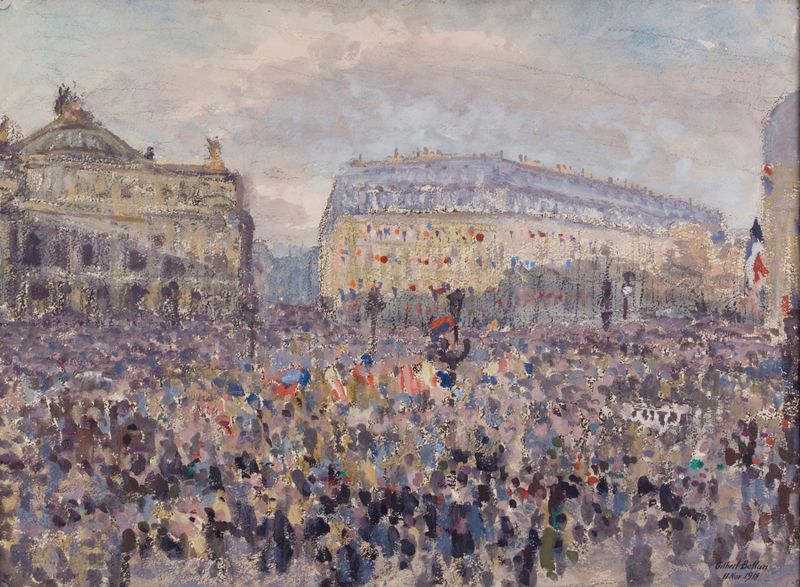
L’Opéra le 11 novembre 1918
Louis-Gilbert Bellan

La place de la Concorde le jour de l’Armistice, le 11 novembre 1918
Louis-Gilbert Bellan
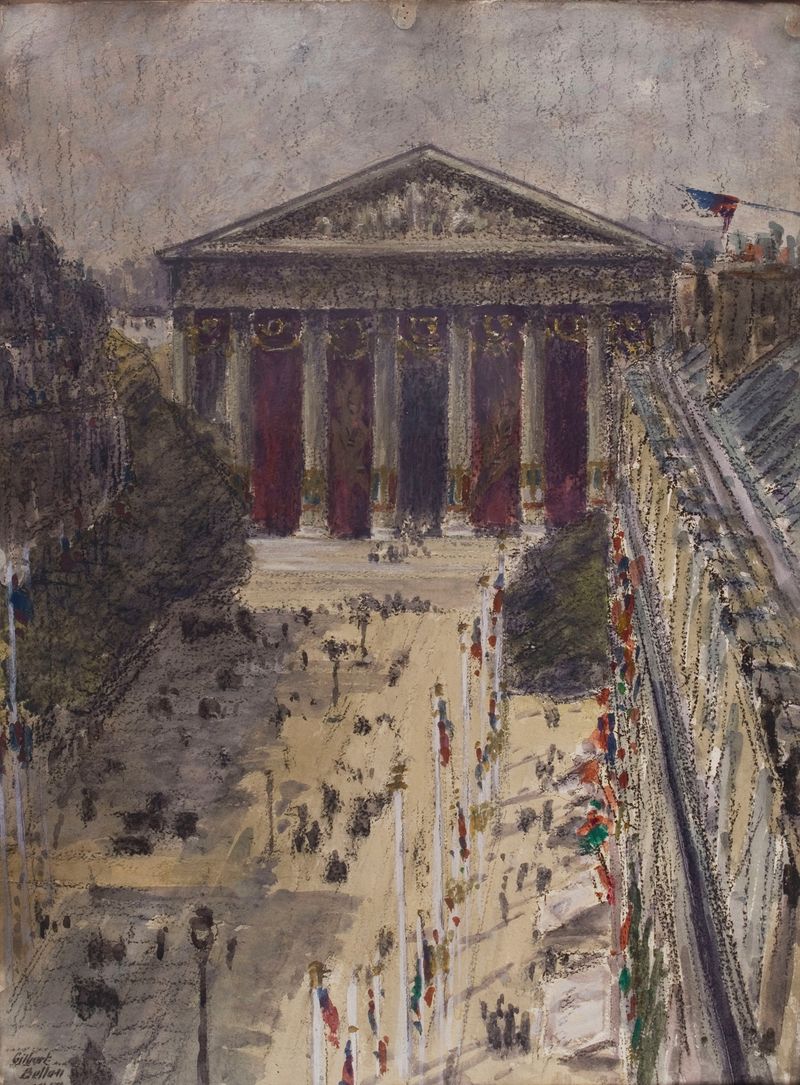
La rue Royale le jour de la Fête de la Victoire
Louis-Gilbert Bellan

La place des Vosges, élément d’un triptyque
Louis-Gilbert Bellan
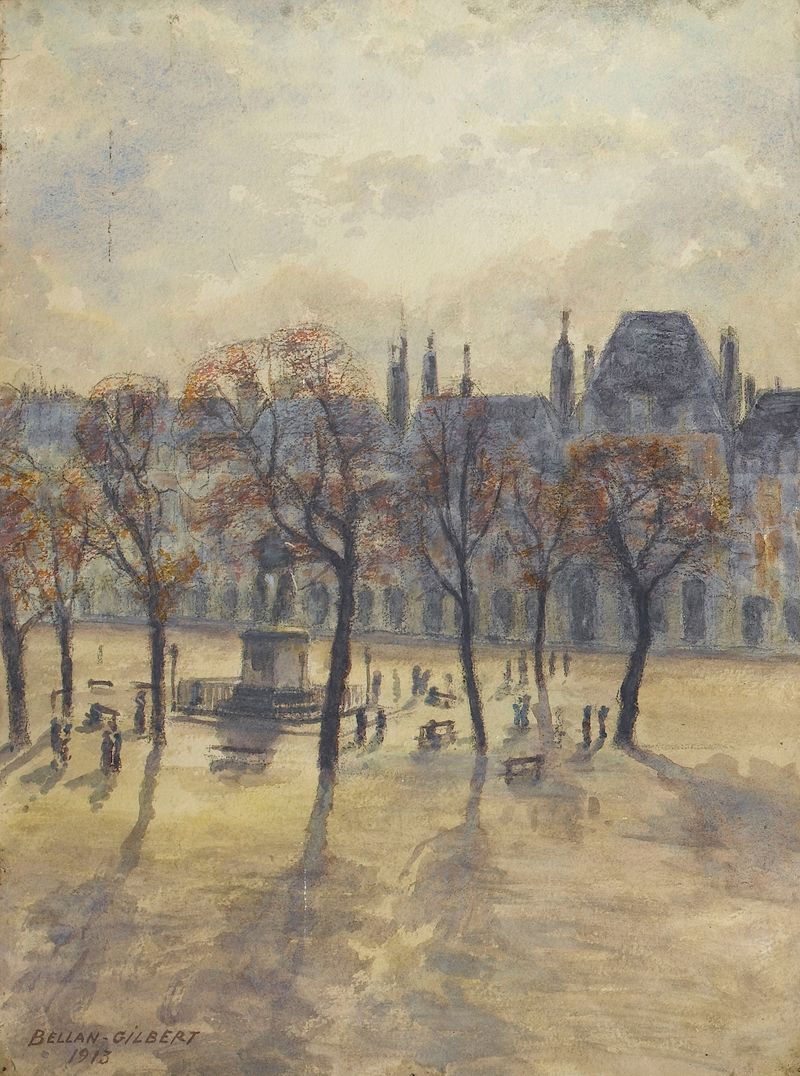
La place des Vosges, élément d’un triptyque
Louis-Gilbert Bellan
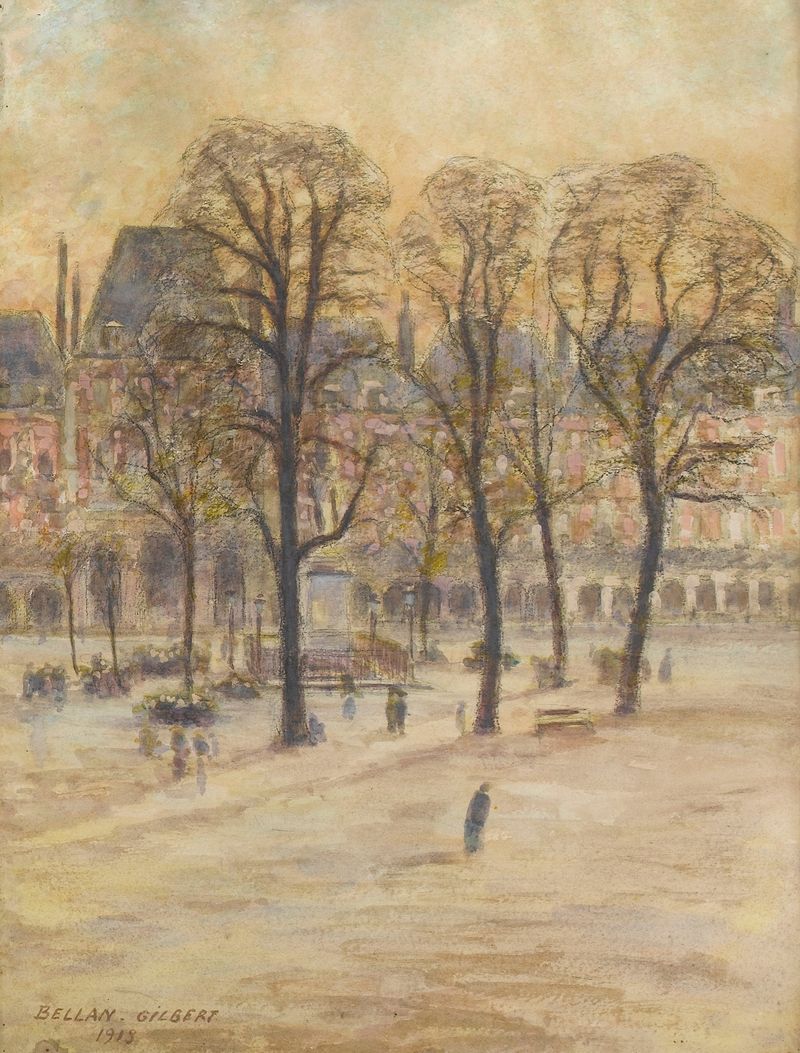
La place des Vosges, élément d’un triptyque
Louis-Gilbert Bellan
More Historical Art
Browse all →
The Night Watch Militia Company of District II under the Command of Captain Frans Banninck Cocq
Rembrandt van Rijn

Lincoln Memorial
Henry Bacon

The Third of May 1808
Francisco de Goya

Isaac and Rebecca, Known as ‘The Jewish Bride’
Rembrandt van Rijn

The Charge of the Mamelukes (1814)
Francisco de Goya

De vier ruiters van de apocalyps
Albrecht Dürer