
L’Opéra le 11 novembre 1918 — History & Facts
Art reveals the soul when the world turns away. In the midst of chaos, a moment frozen in time captures both the fervor of celebration and the shadows of uncertainty that linger just beyond the frame. Look to the center of the composition, where exuberant figures erupt in celebration beneath a grand arch of the opera house. The vivid reds and golds juxtaposed with shadows create a pulsating energy that draws the eye inwards.
Notice how the light dances off the ornate chandeliers, illuminating joyful faces and reflecting a collective spirit of relief and resolve amidst the chaos of war’s end. The artist’s brushwork, both swift and deliberate, encapsulates the frenetic atmosphere as if each stroke vibrates with the echoes of life. Yet, woven within the jubilant throng are subtle reminders of the past. Observe the darker hues at the edges of the canvas, hinting at the war-torn souls who have only just begun to process their grief.
The contrast between the joyous celebration at the opera and the remnants of conflict serves to evoke a bittersweet tension, revealing the emotional landscape of a nation grappling with both hope and sorrow. Each figure is a testament to resilience, yet their expressions hint at untold stories of loss that linger in the air. Created in 1918, L’Opéra le 11 novembre 1918 emerged during a pivotal moment for the artist. Louis-Gilbert Bellan painted this scene shortly after the Armistice, an event that marked the end of World War I.
At this time, France was awakening to the promise of peace, yet the scars of conflict were still fresh across the nation. Bellan’s work captures not only a celebration of victory but also the complexity of emotions experienced as society began to mend.
More Artworks by Louis-Gilbert Bellan
Browse all →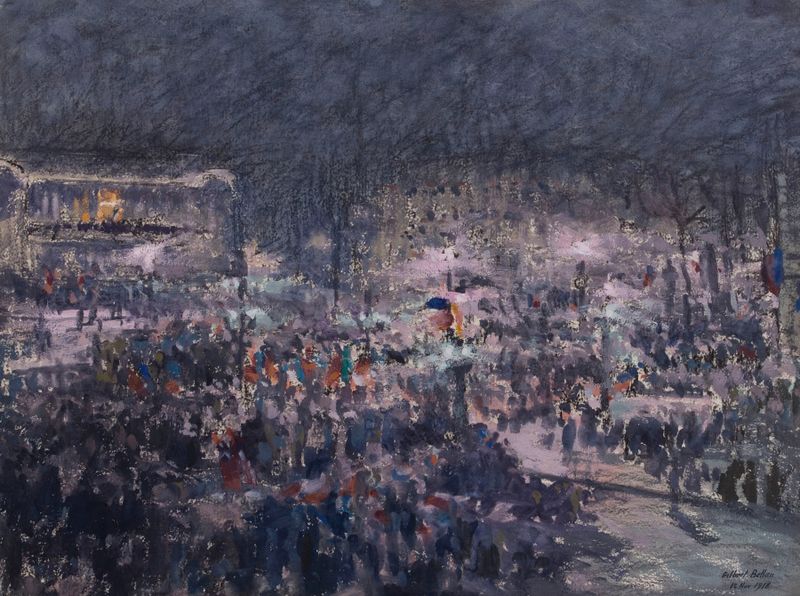
La Marseillaise chantée à la loggia de l’Opéra par Me Chenal le 12 novembre 1918
Louis-Gilbert Bellan
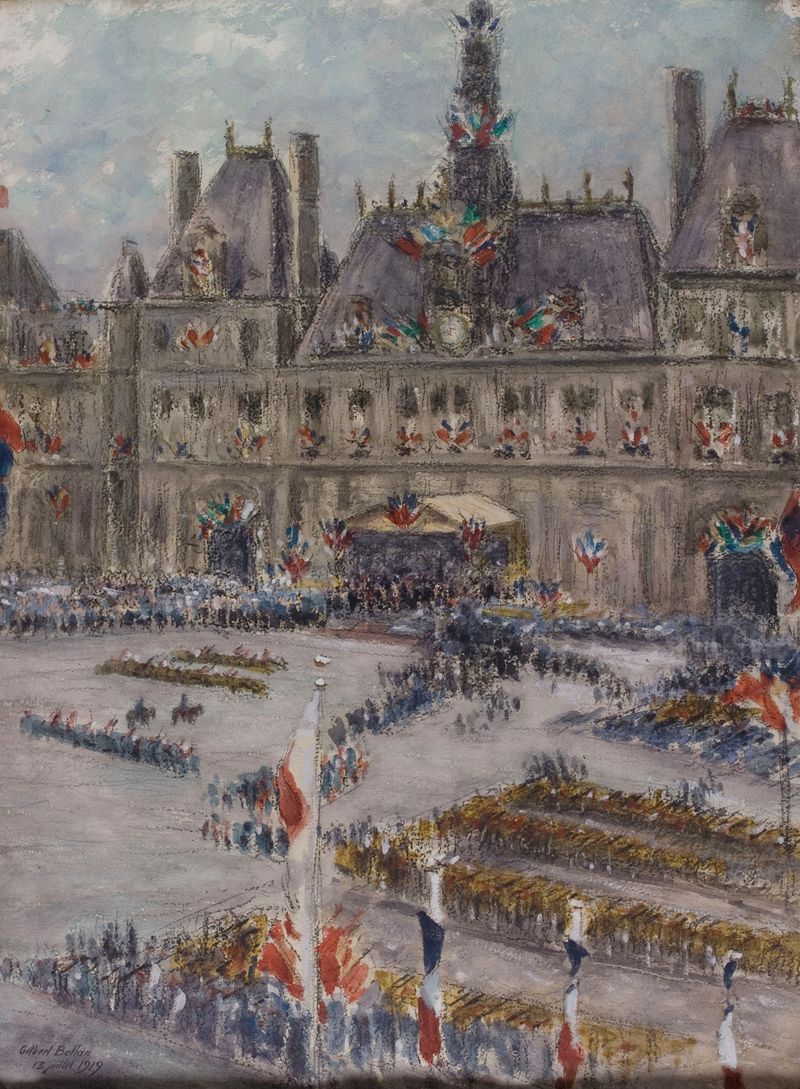
La place de l’Hôtel de Ville le 13 juillet 1919
Louis-Gilbert Bellan

La place de la Concorde le jour de l’Armistice, le 11 novembre 1918
Louis-Gilbert Bellan
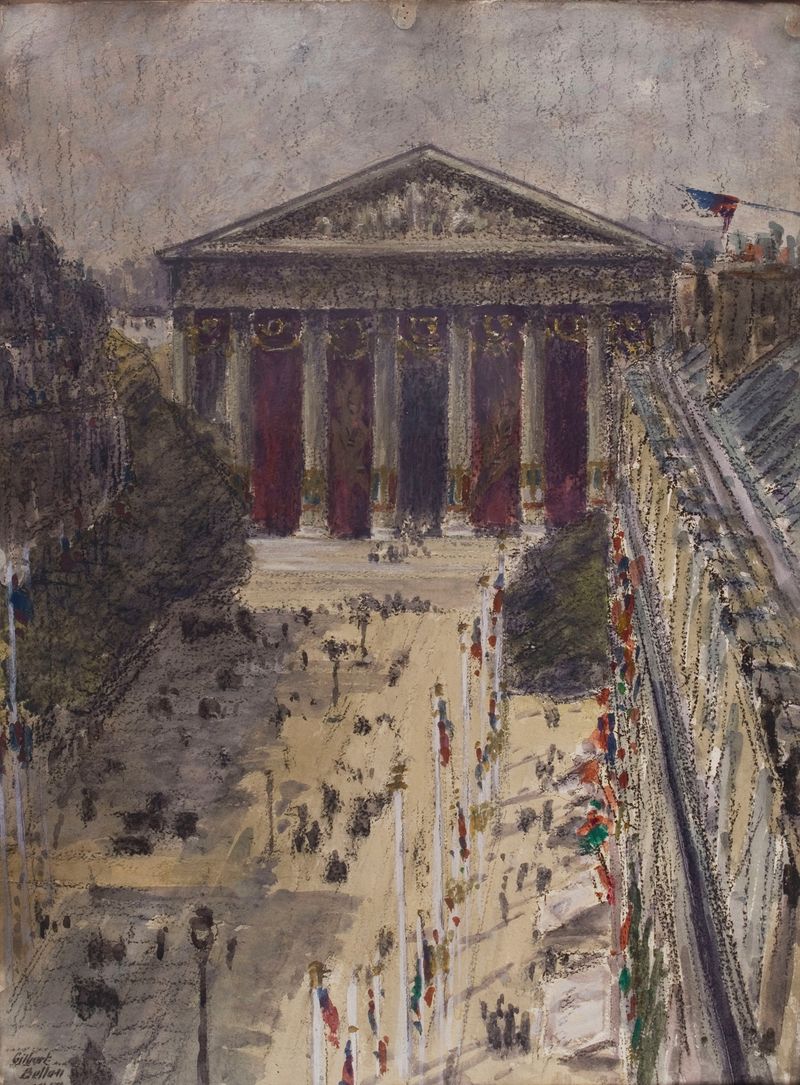
La rue Royale le jour de la Fête de la Victoire
Louis-Gilbert Bellan

La place des Vosges, élément d’un triptyque
Louis-Gilbert Bellan
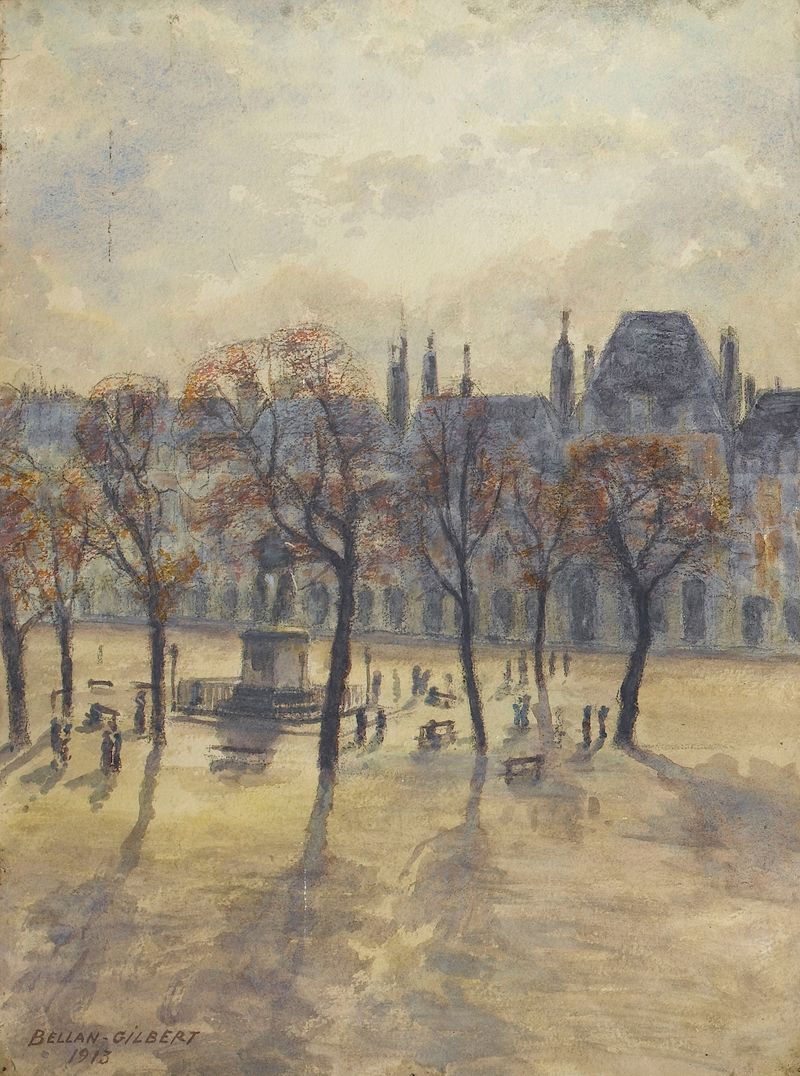
La place des Vosges, élément d’un triptyque
Louis-Gilbert Bellan
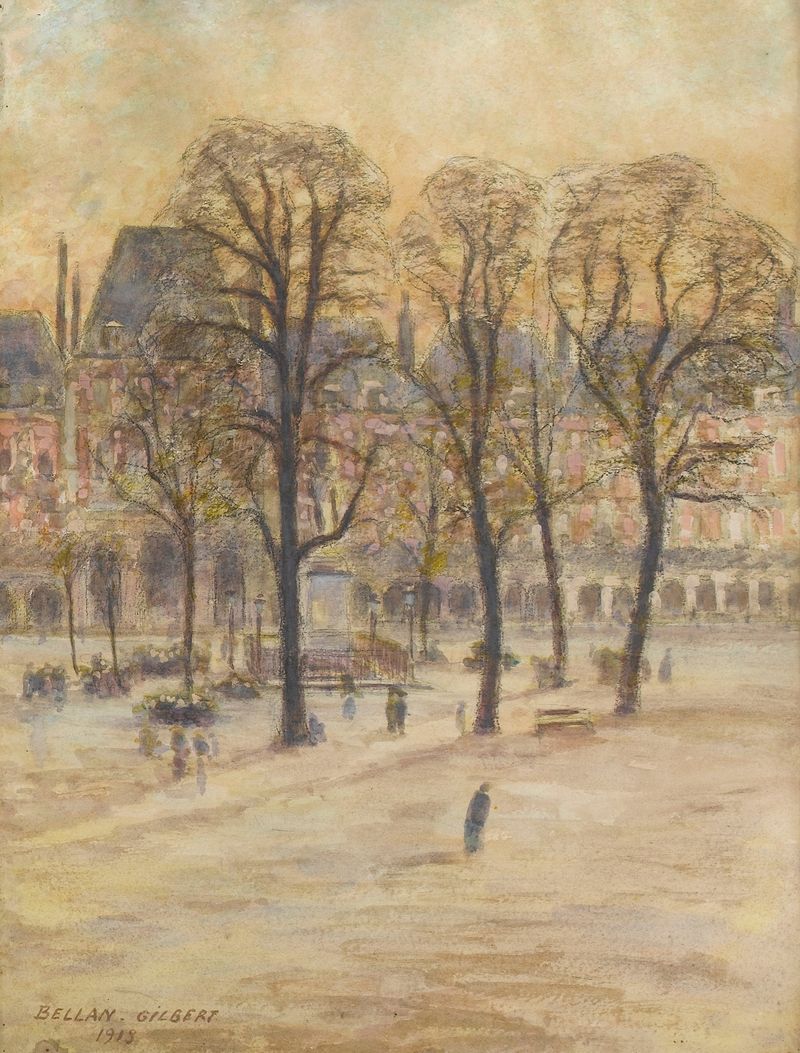
La place des Vosges, élément d’un triptyque
Louis-Gilbert Bellan





