La Misère sous la neige — History & Facts
A river of hunched figures trudges forward beneath a flurry of snow, their faces set in resignation or fatigue, but it is the stark presence of the fallen man in the foreground that grips the eye. His body sprawls across the pale ground, hands clawed in the snow, while the crowd presses on, heads bowed, as if the cold has frozen both their limbs and their hope. The artist’s line is quick, almost impatient, capturing the shivering movement of the procession and the rawness of exposed feet and threadbare coats.
A single red scarf burns against the muted palette, a flash of life in a scene otherwise drained of warmth. The snow falls so thickly it becomes a curtain, separating this world from any comfort that might lie beyond. This work belongs to the world of late nineteenth-century France, when artists like Théophile Alexandre Steinlen wielded the illustrated press as a weapon against social injustice. Created for the socialist magazine Le Chambard socialiste in January 1894, the image is both a record and an accusation, its subtitle biting: “What our upright ministers call ‘criminal associations.’” In this era, prints like this were not simply art objects but urgent interventions—cheap, reproducible, and meant to stir the conscience of the public.
History has kept few traces of the individual stories behind such images, but the print survives in the Rijksmuseum’s collection, its urgency undimmed. Look again at the faces in the snow; each is a silent witness to the world that made this image necessary.
More Artworks by Théophile Alexandre Steinlen

Village et charrette
Théophile Alexandre Steinlen
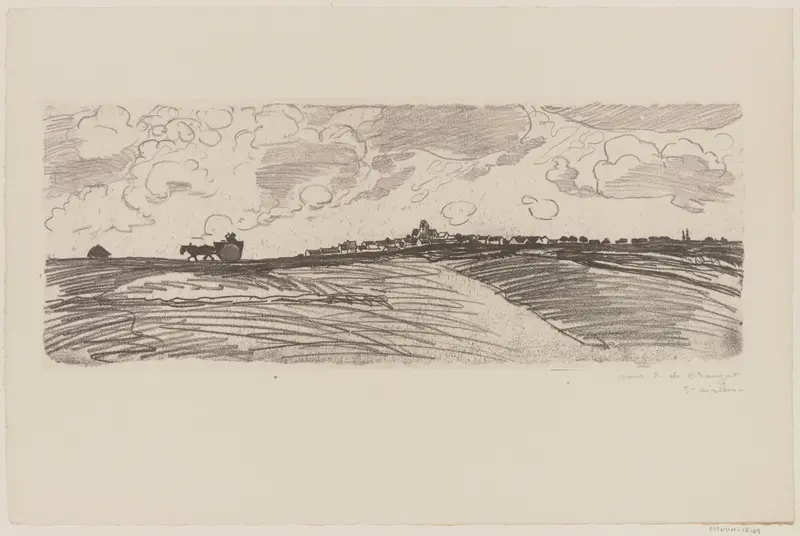
Village et charrette
Théophile Alexandre Steinlen
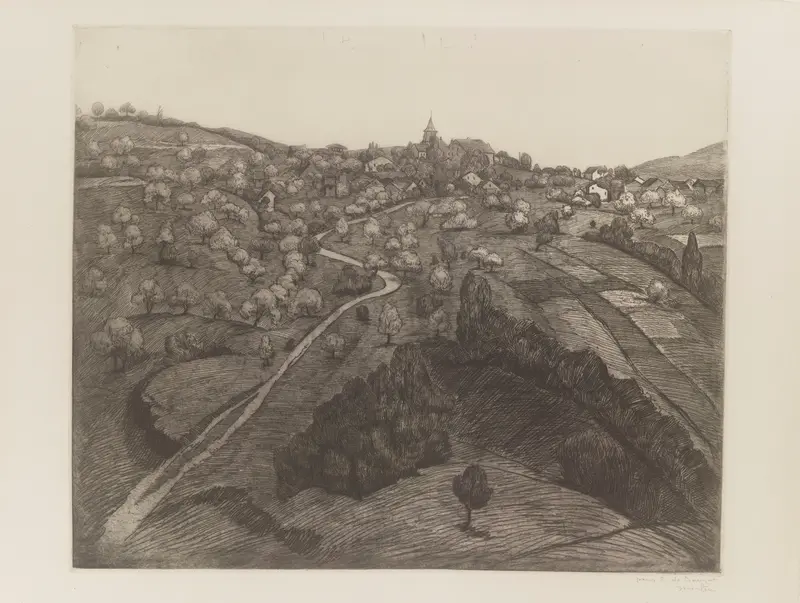
Vue de Belmont, près de Lausanne
Théophile Alexandre Steinlen
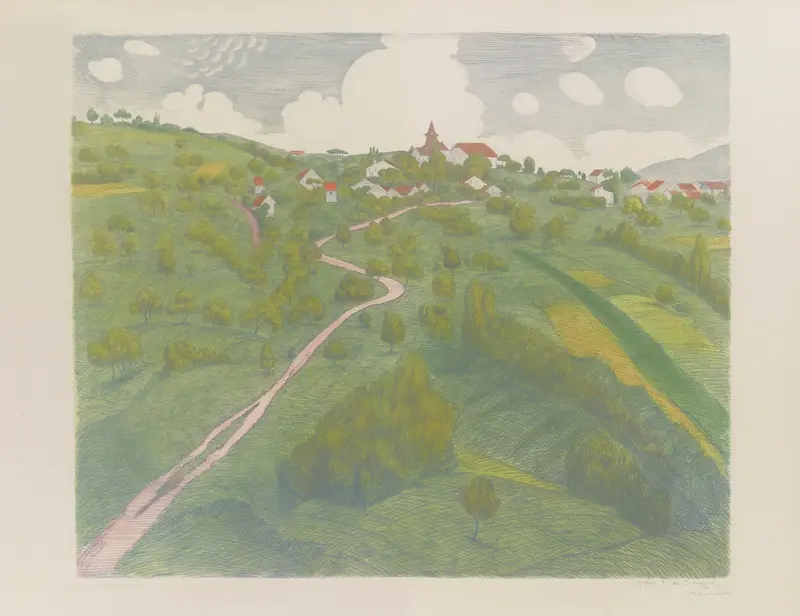
Vue de Belmont, près de Lausanne
Théophile Alexandre Steinlen
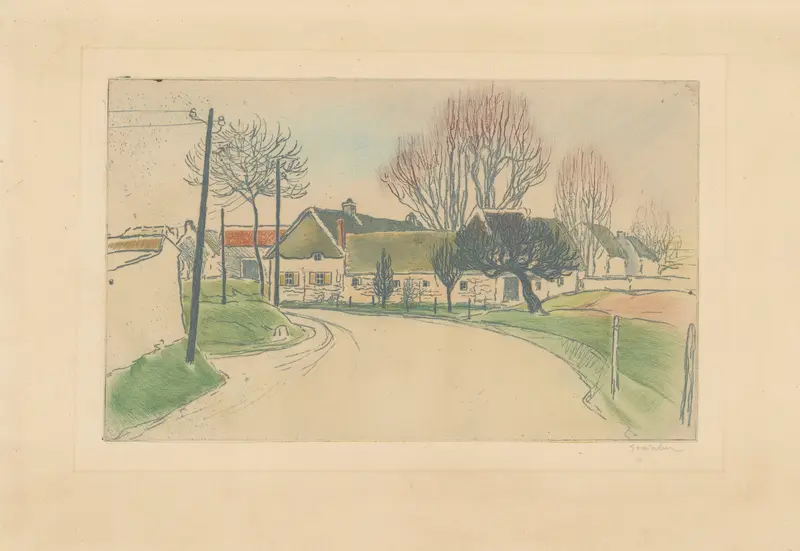
La maison à l’entrée du village
Théophile Alexandre Steinlen
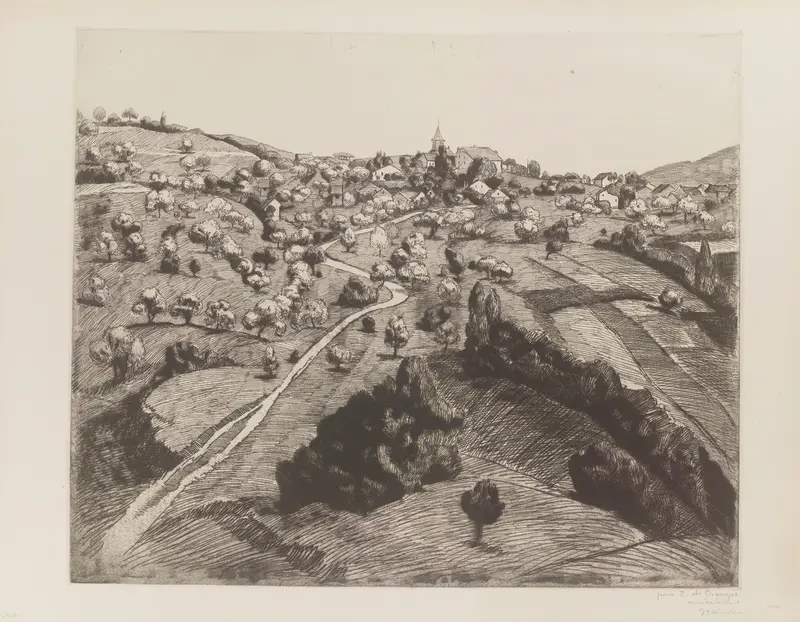
Vue de Belmont, près de Lausanne
Théophile Alexandre Steinlen
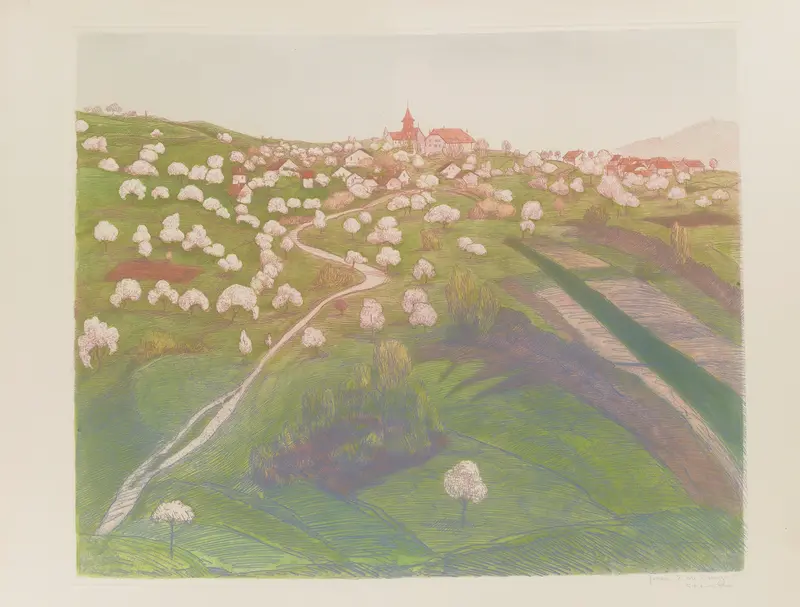
Vue de Belmont, près de Lausanne, n° 2
Théophile Alexandre Steinlen
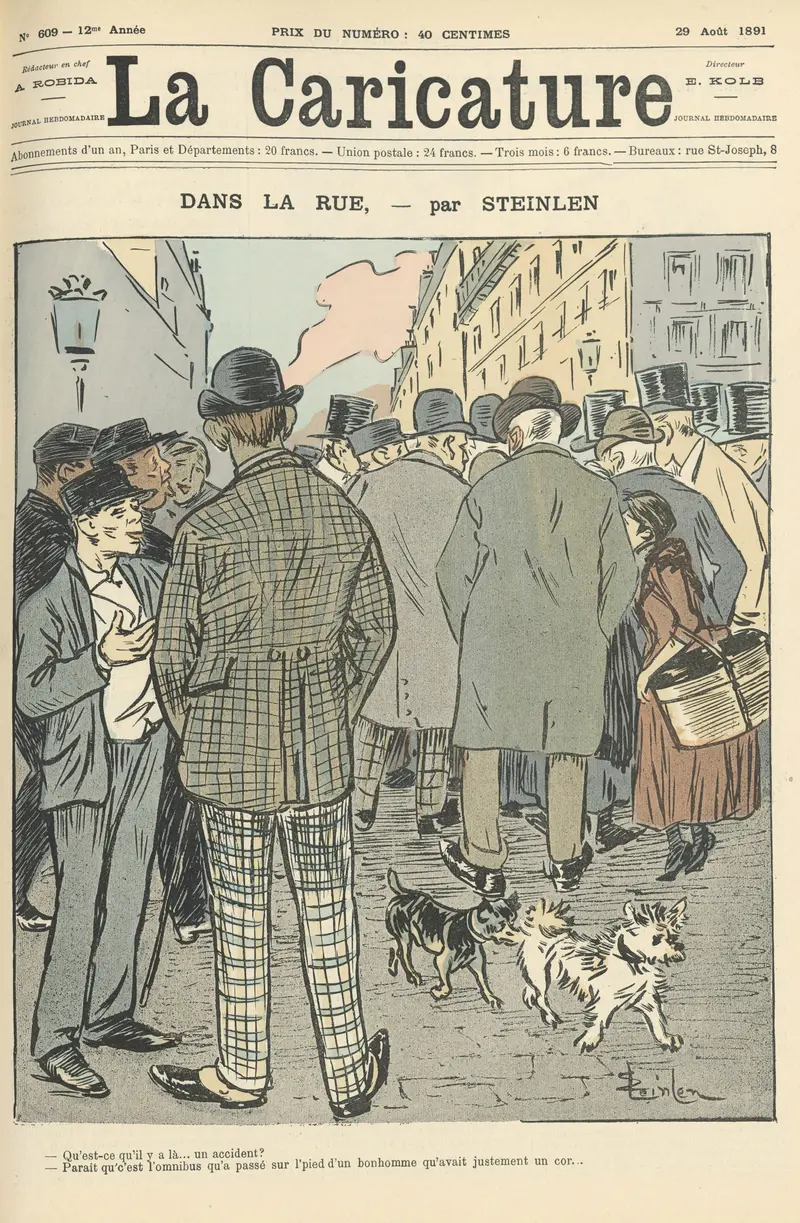
Dans la rue (La Caricature, 29 août 1891)
Théophile Alexandre Steinlen
Dans la vie
Théophile Alexandre Steinlen
The Laundresses
Théophile Alexandre Steinlen