La Montagne Sainte-Victoire — History & Analysis
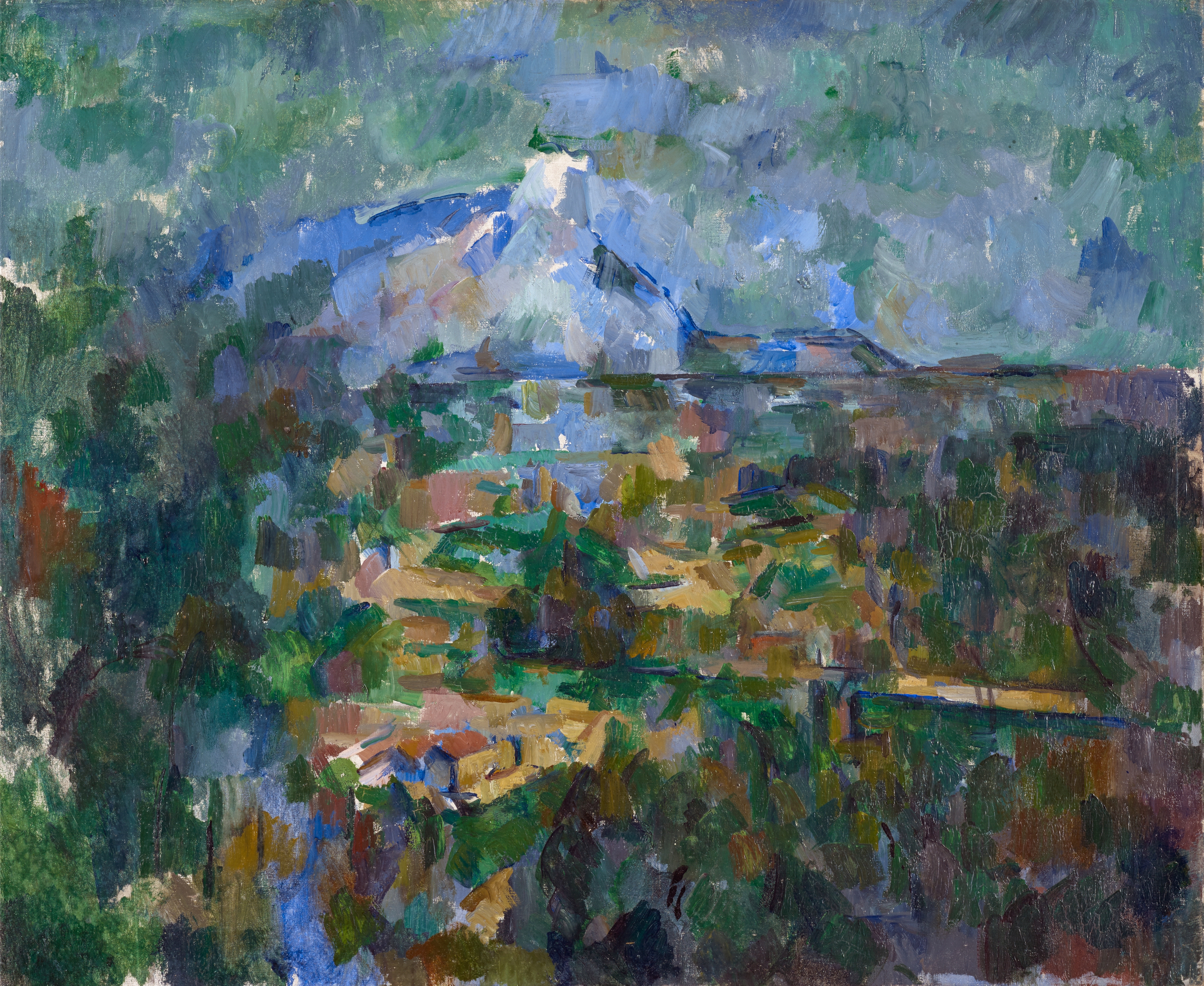
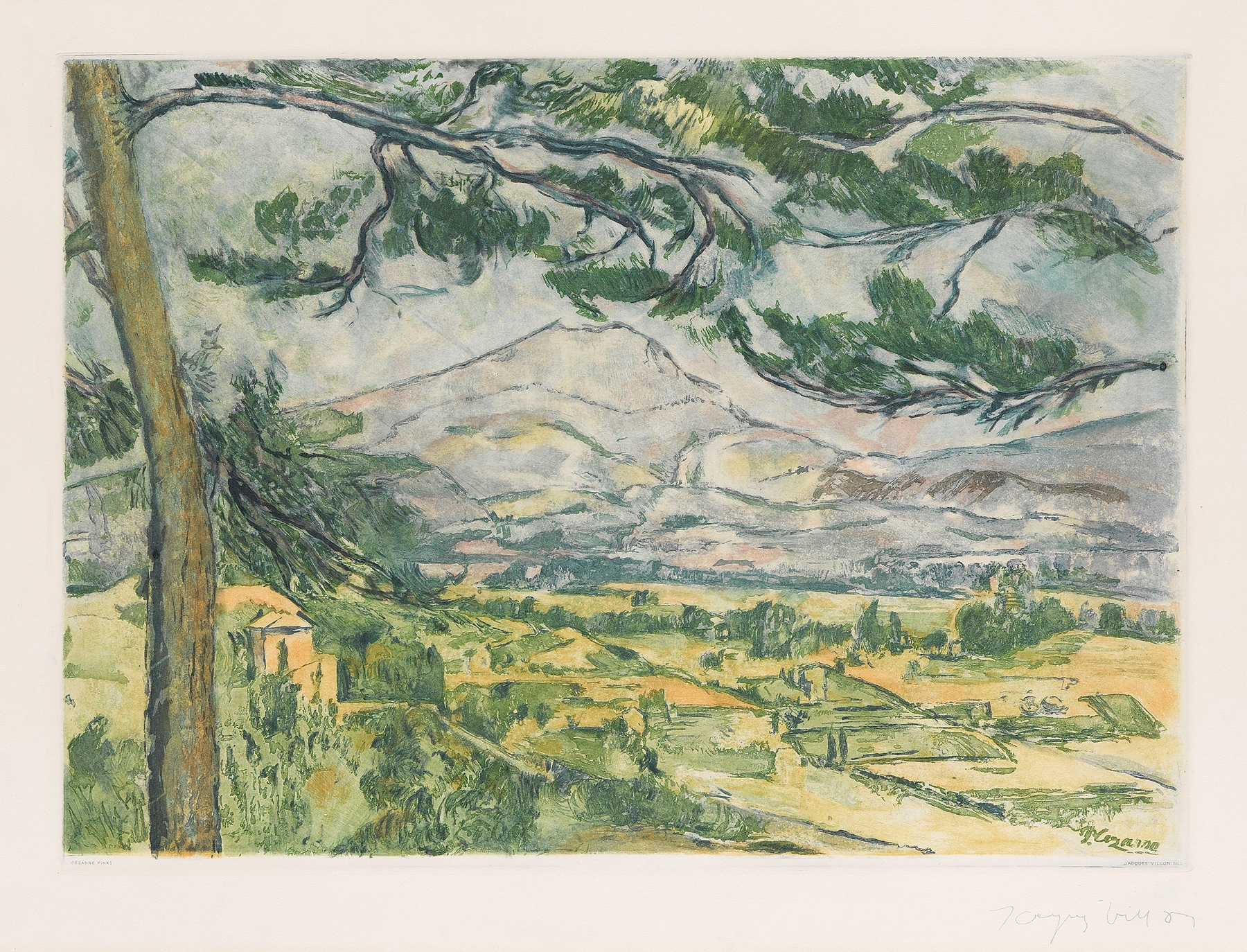
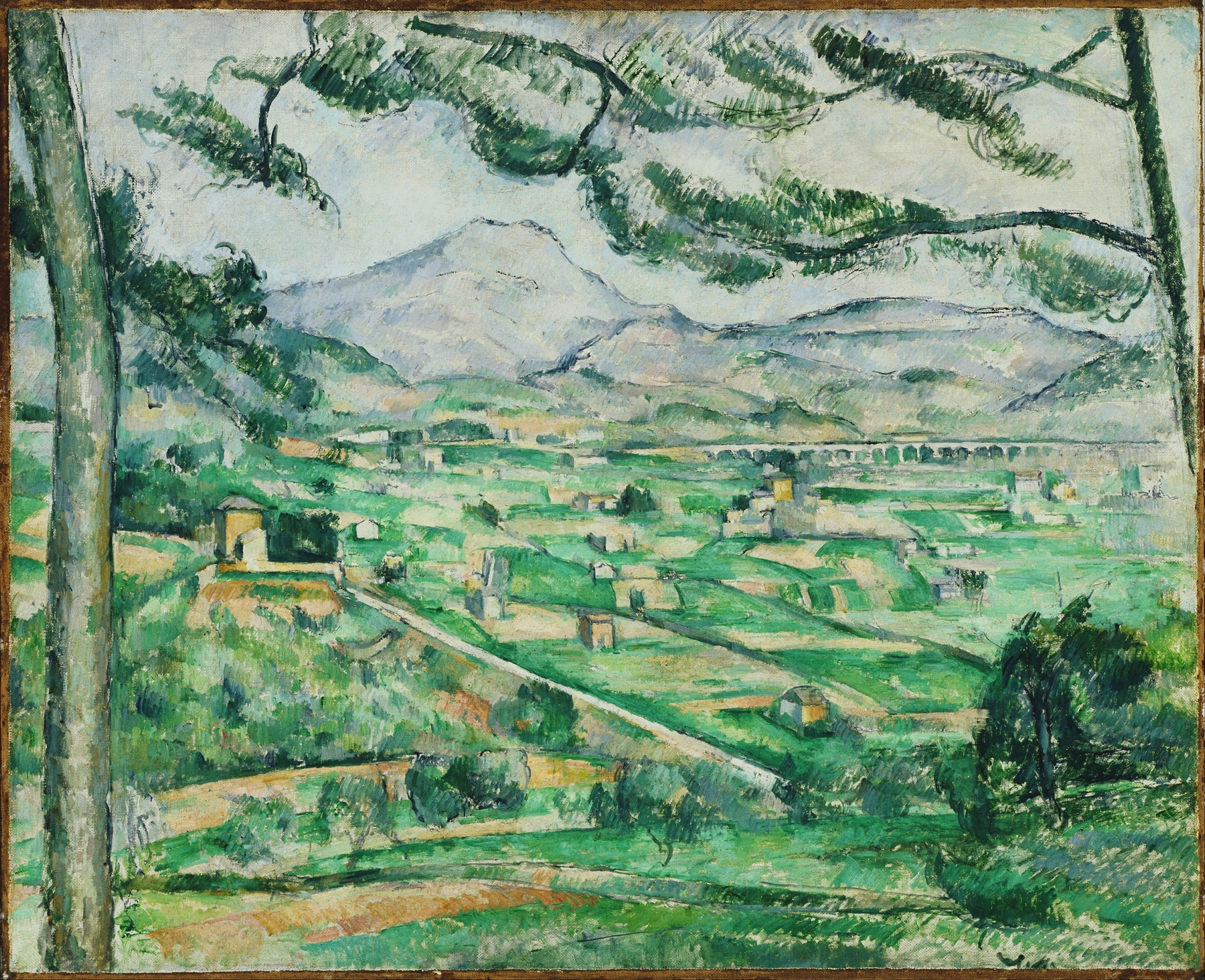
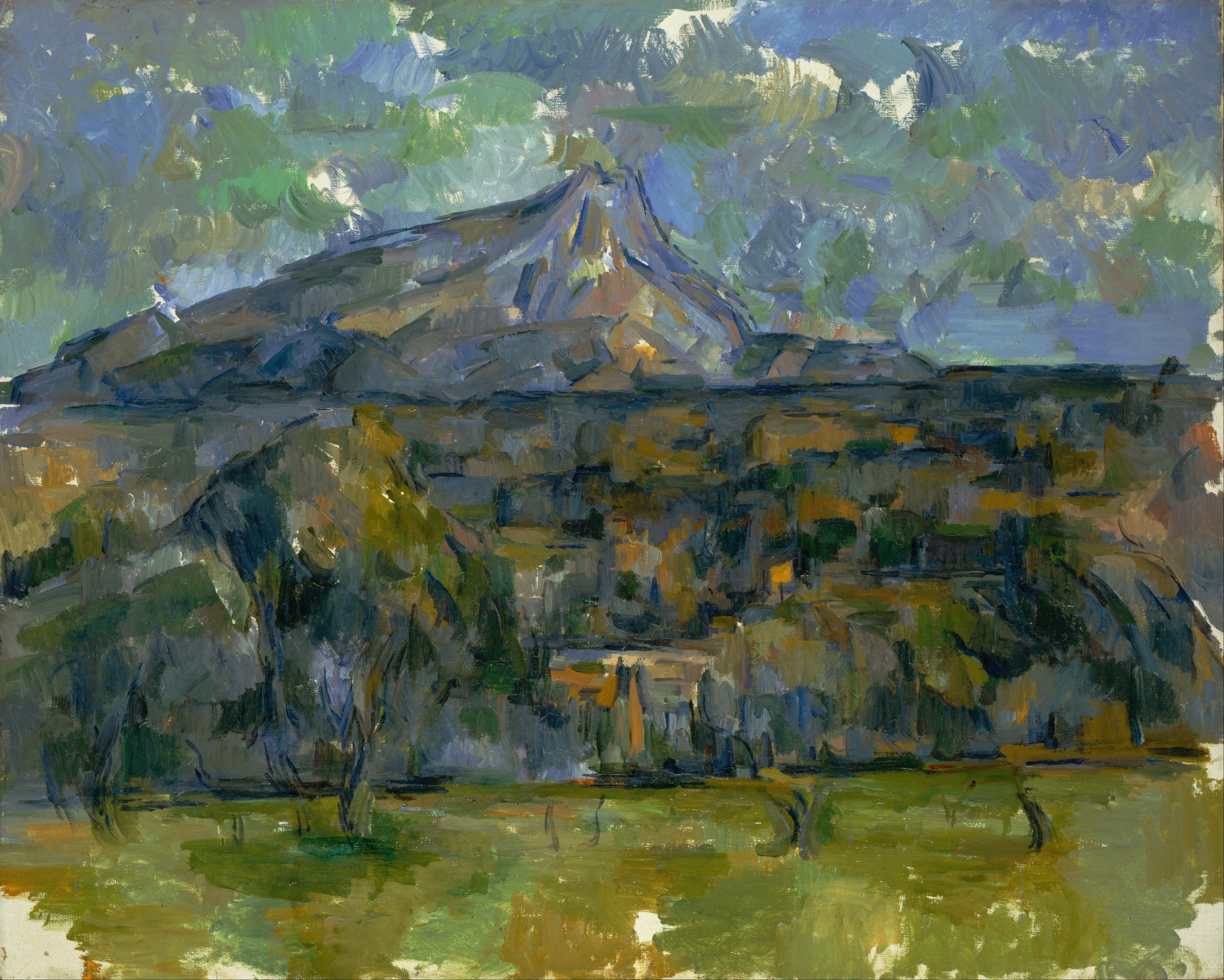
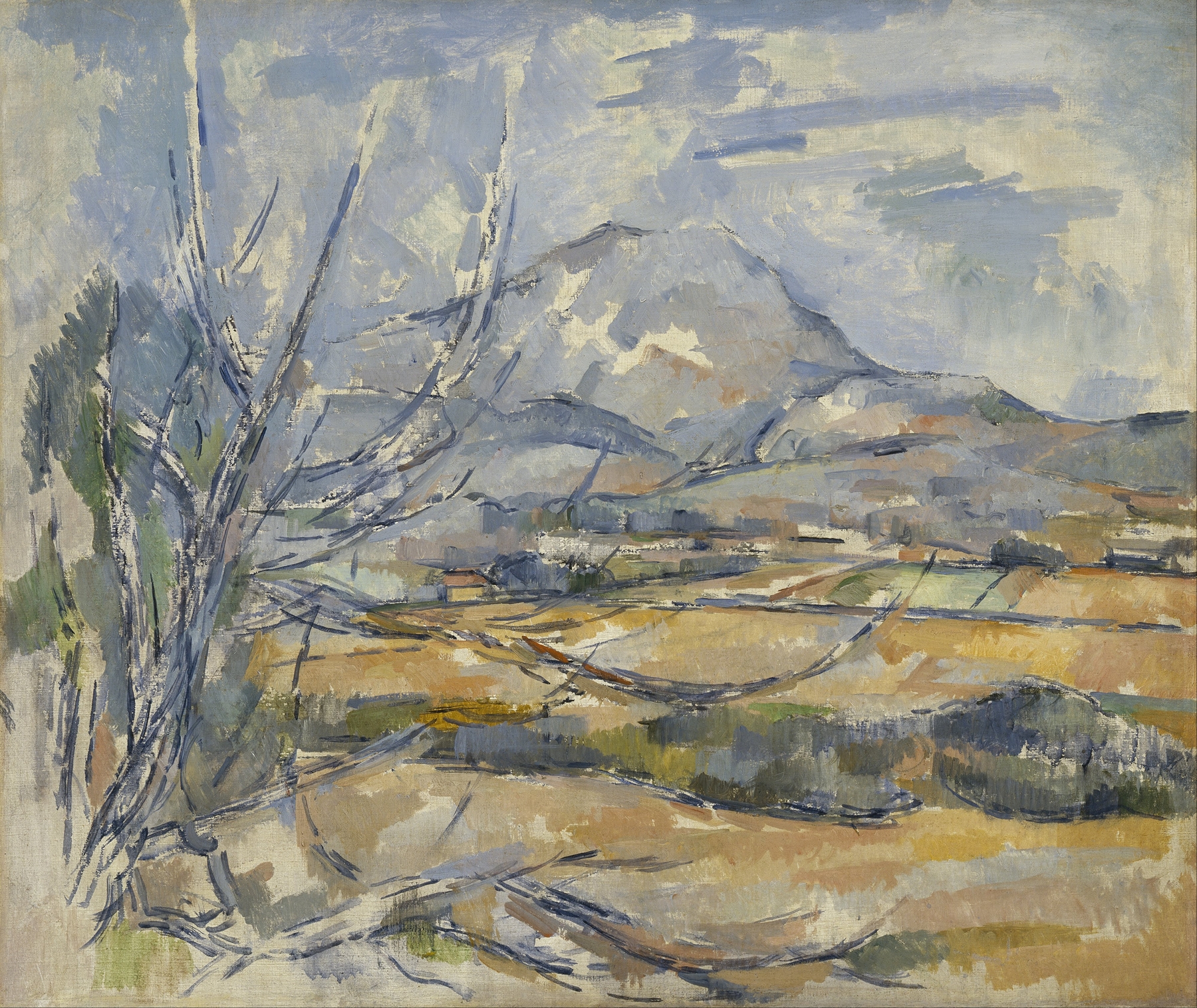
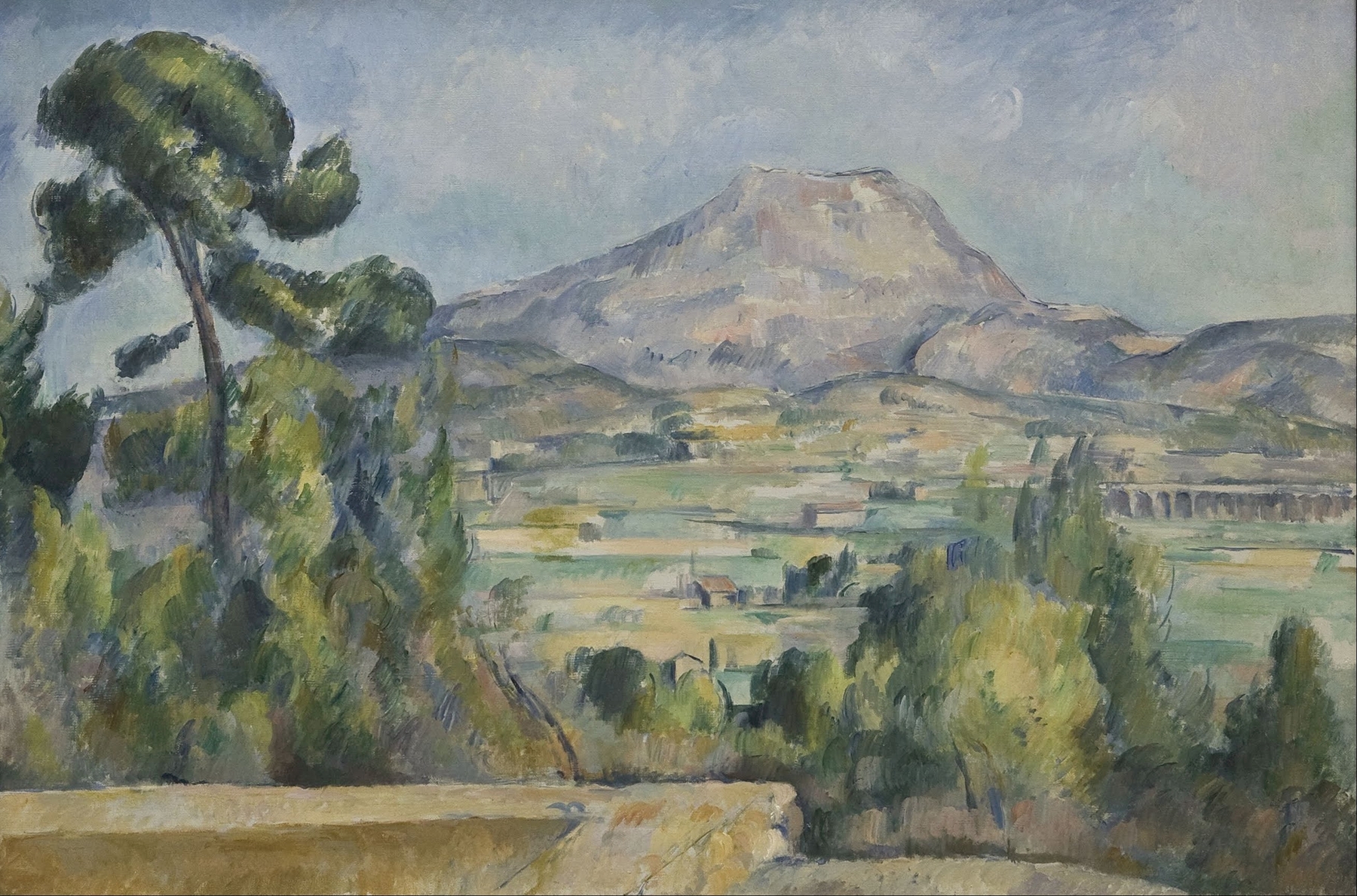
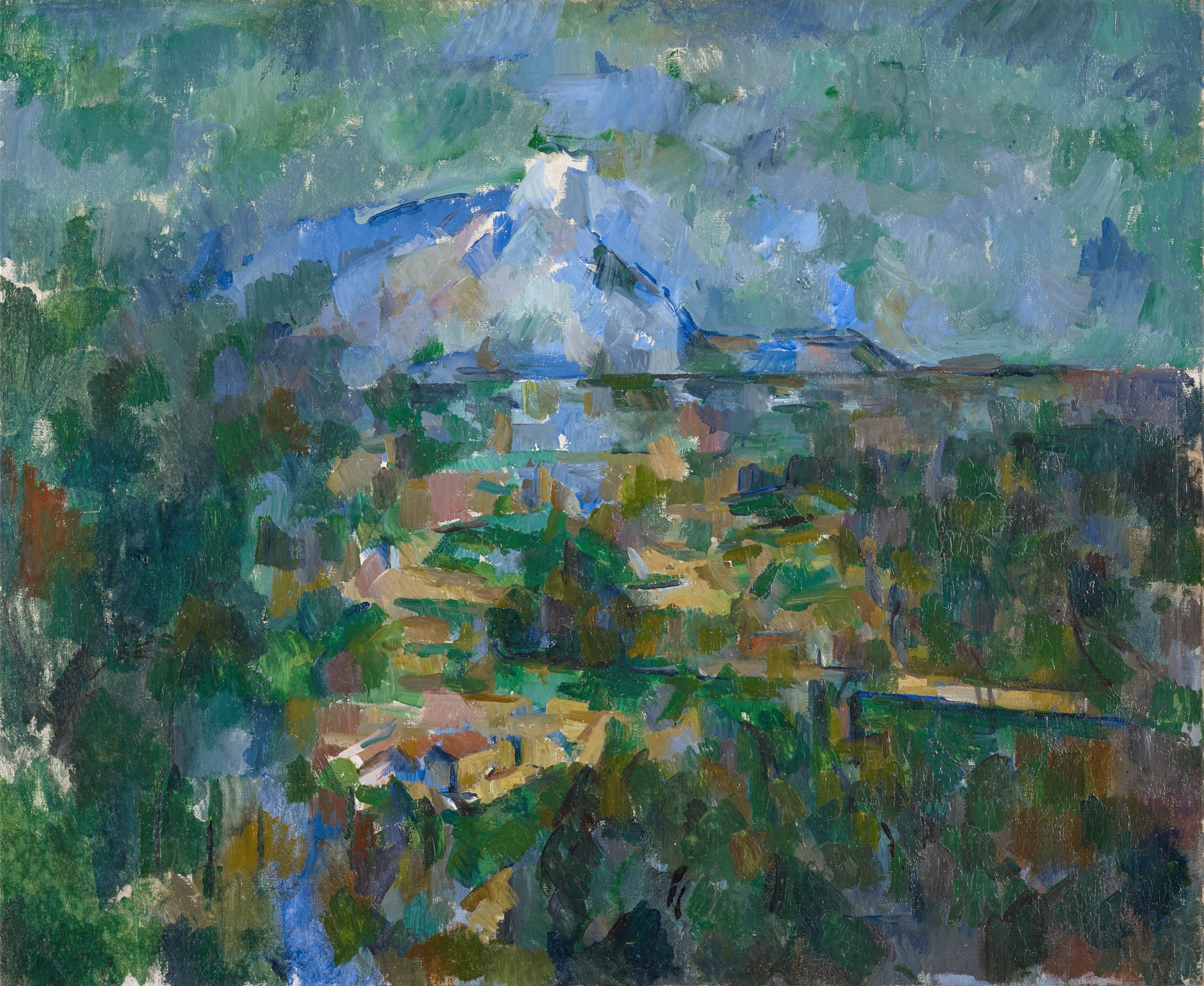
“Art reveals the soul when the world turns away.” In the stillness of La Montagne Sainte-Victoire, innocence and nature converge, revealing a timeless truth that transcends the canvas. Look to the left, where warm ochres and greens intertwine, creating a harmonious base for the iconic mountain rising stoically in the background. Notice how the brushstrokes vary, from the thick, textural application of paint that brings the foreground to life to the softer, blended hues that capture the ethereal skies above. The composition draws your eye inward, inviting you to traverse the undulating hills and valleys, where every element feels inseparable from the whole.
Yet beneath the surface, contrasts emerge—between the solidity of the mountain and the delicate interplay of light and shadow. The gentle variations in color reflect the passage of time, suggesting both permanence and transience. Each stroke embodies a fleeting moment of clarity, as if to say that while the world may often obscure innocence, it is always present, waiting to be discovered. This duality evokes both serenity and longing, echoing the artist’s inner quest for understanding.
In the late 1880s, while working in Aix-en-Provence, Cézanne immersed himself in the landscape that inspired his most famous works. During this period, he grappled with the transition from impressionism to a more structured, geometric approach to nature. The art world was shifting, and he sought to capture the essence of form and color, ultimately solidifying his place in the evolution of modern art.