
La mort de la femme de Darius, Lagrenée (Louvre INV20142) — History & Facts
A sweep of grief and grandeur fills the canvas, drawing the viewer first to the central bed, where a pale figure lies draped in white, her lifelessness the still heart of a storm of emotion. Around her, gestures and glances ripple outward: the woman collapsed in despair at her feet, the child reaching for comfort, the armored men at the left whose hands and faces tell of both command and compassion. The heavy drapery above, parted like a theater curtain, frames this moment as both private tragedy and public spectacle.
Light falls from the left, illuminating the faces and fabrics, emphasizing the drama of loss and the dignity of those who mourn. Every detail, from the golden armor to the lush carpet, signals that this is a story of rulers and their families, where personal sorrow is inseparable from the fate of nations. Painted in 1785 by Louis-Jean-François Lagrenée, this work belongs to the world of late eighteenth-century France, when history painting was the highest calling for an artist. Such scenes, drawn from ancient tales or classical histories, were favored by academies and collectors alike, meant to inspire virtue and reflection in their viewers.
The grand scale and careful choreography of figures reflect the ideals of the Neoclassical movement, which prized clarity, order, and moral seriousness. While little is recorded about the specific journey of this painting, its presence in a major collection today is a reminder of how these visual dramas once shaped conversations about power, loss, and humanity. The viewer is left to wonder: who was lost, and what did that loss mean to those left behind?
More Artworks by Louis-Jean-François Lagrenée
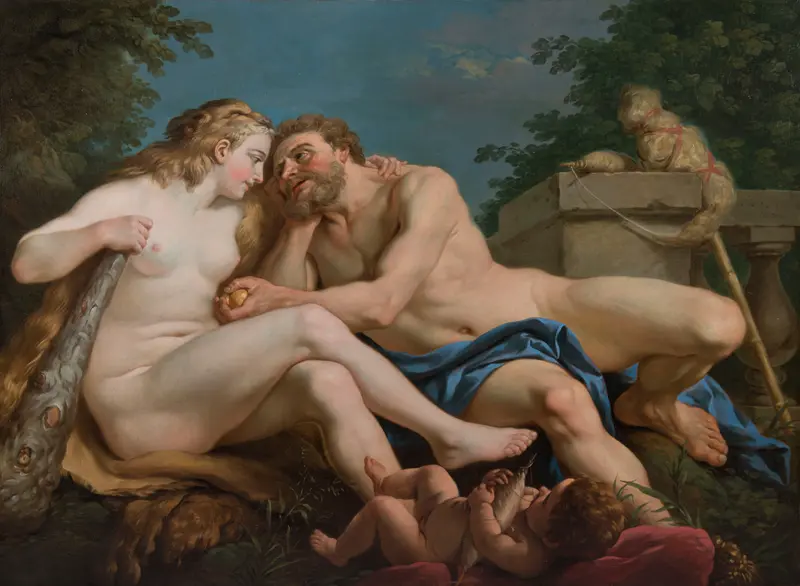
Herkules and Omphale
Louis-Jean-François Lagrenée
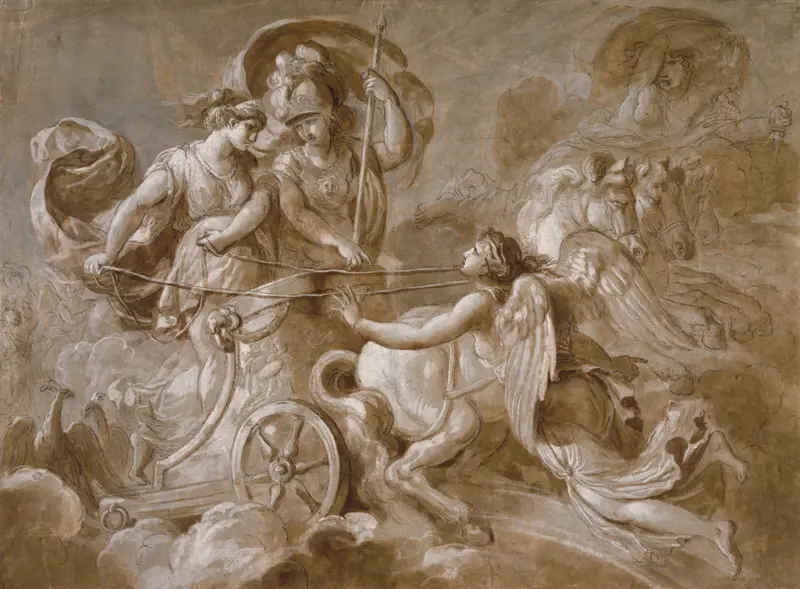
Iris Approaching Athena and Hera
Louis-Jean-François Lagrenée
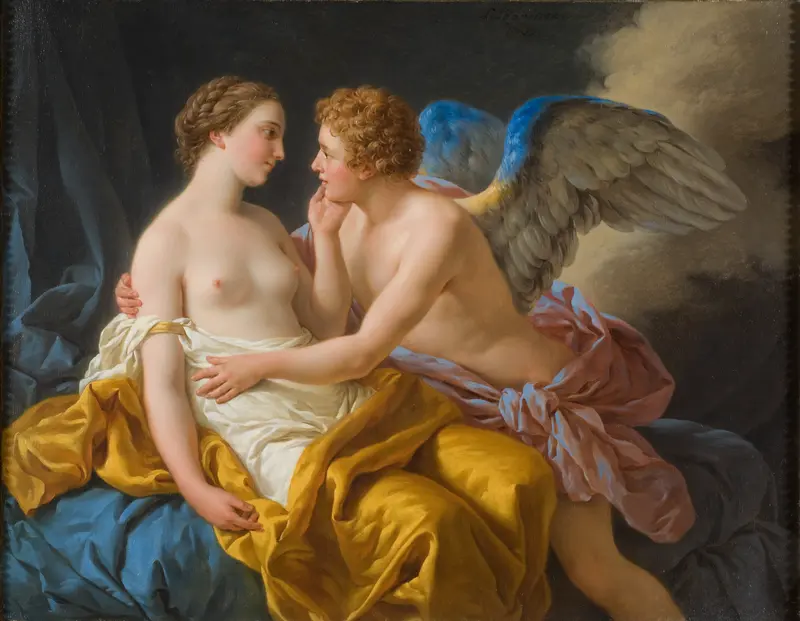
Cupid and Psyche
Louis-Jean-François Lagrenée
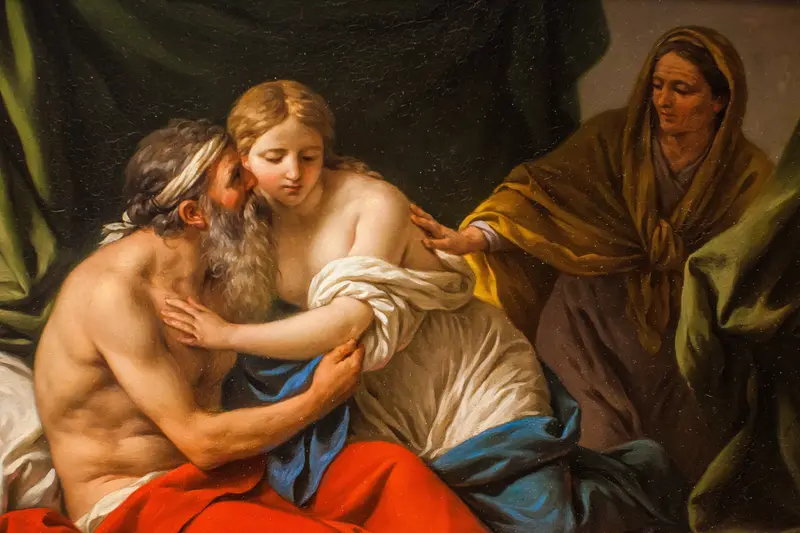
Sarah Presenting Hagar to Abraham
Louis-Jean-François Lagrenée
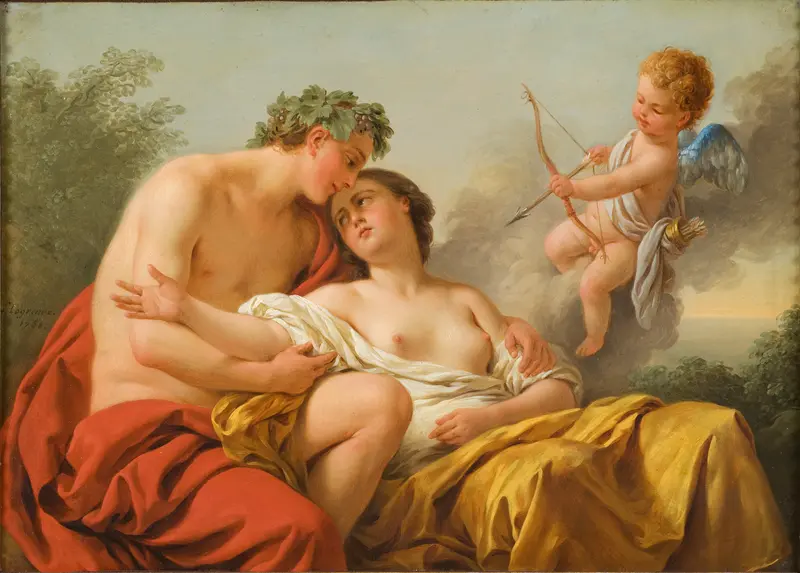
Bacchus and Ariadne
Louis-Jean-François Lagrenée
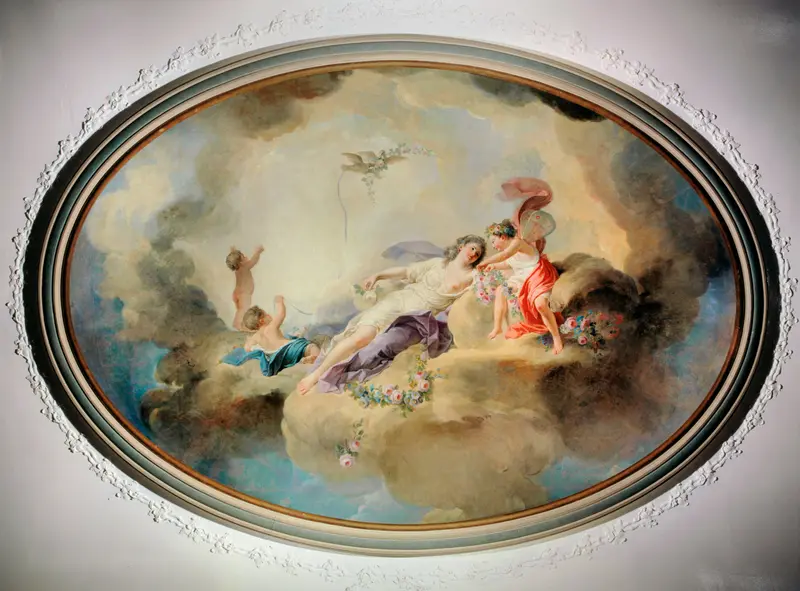
Louis Jean François Lagrenée Le triomphe de Flore P787 Musée Carnavalet
Louis-Jean-François Lagrenée
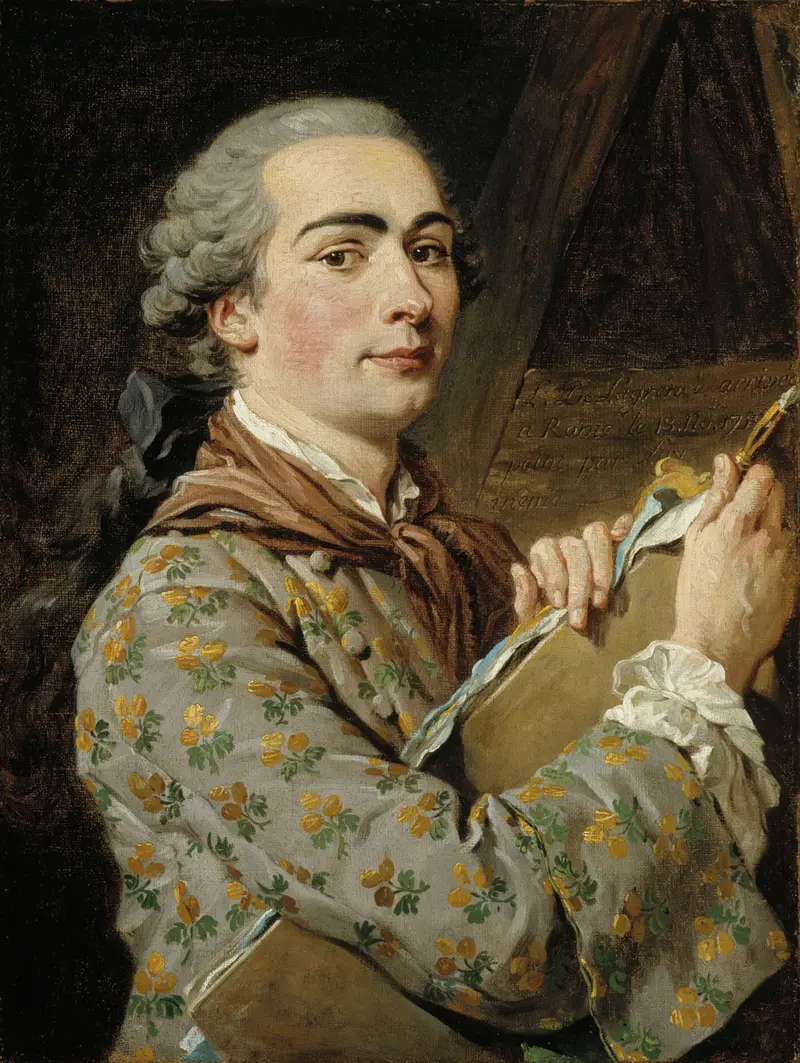
Self-Portrait
Louis-Jean-François Lagrenée
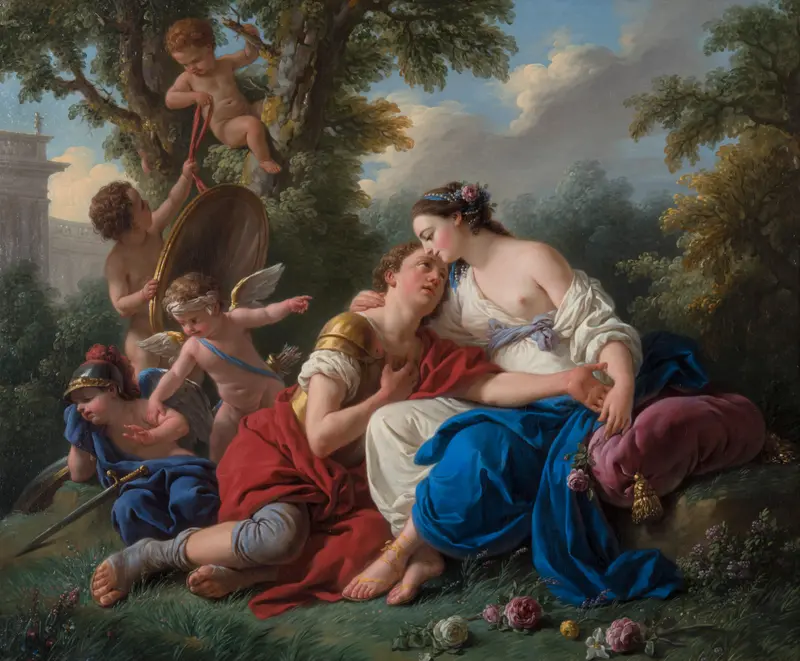
Rinaldo and Armida
Louis-Jean-François Lagrenée
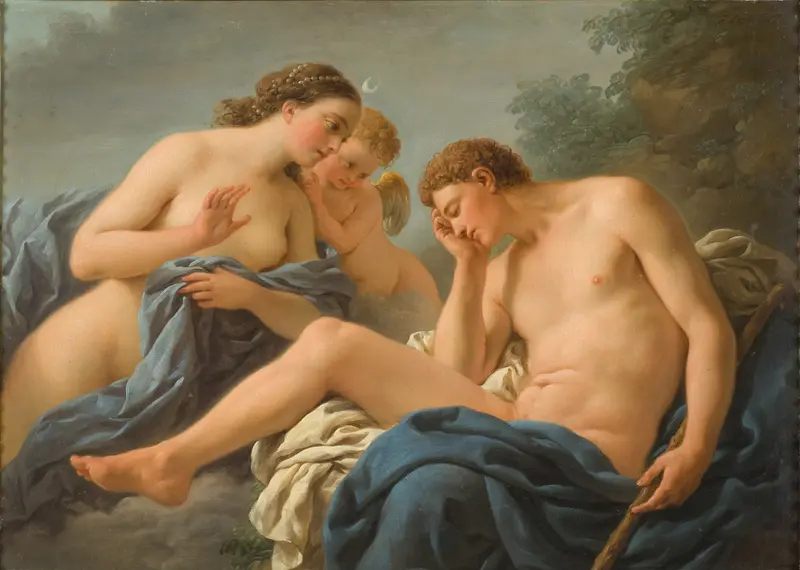
Diana and Endymion
Louis-Jean-François Lagrenée
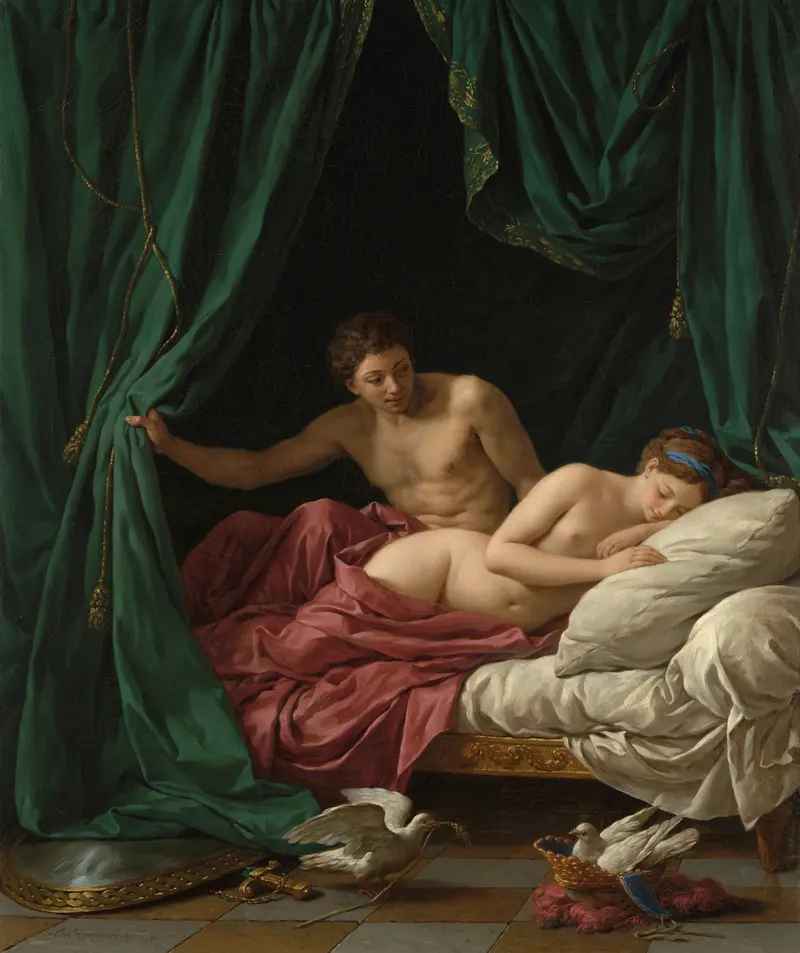
Mars and Venus, Allegory of Peace
Louis-Jean-François Lagrenée





