
La Musique - Monsieur de la breteche — History & Facts
When La Musique - Monsieur de la breteche was first exhibited in 1769, it stood out as one of the rare portraits by Jean-Honoré Fragonard to feature a named sitter, a departure from his usual anonymous allegories and playful genre scenes. The identity of Monsieur de la Breteche remains a point of curiosity—some suggest he was a patron or a close acquaintance of the artist, though no definitive record survives. This personal connection may explain the intimacy and warmth that radiate from the composition, a quality noted by early viewers who were more accustomed to Fragonard’s frothy, mythological fantasies. In the painting, Monsieur de la Breteche is caught mid-performance, his attention absorbed by the music before him.
The sitter’s fingers rest lightly on the keys of a keyboard instrument, while his gaze, thoughtful and serene, suggests both concentration and pleasure. The soft, golden light caresses the folds of his garment and the polished wood, highlighting the tactile richness so typical of Fragonard. Unlike the more formal musical portraits of Greuze or the moralizing scenes of Chardin, Fragonard’s approach is informal, almost conspiratorial: the viewer is invited into a private moment of artistic reverie.
The scattered sheet music and the relaxed pose speak to the sitter’s ease and familiarity with his instrument, turning a simple act of music-making into a celebration of personal delight. The exact circumstances of the painting’s commission are lost, but its intimate scale and subject suggest it was intended for a private interior, perhaps the music room of Monsieur de la Breteche himself. Over the centuries, the work has passed quietly through private collections, seldom appearing in public exhibitions and thus escaping the tumult of revolutionary France and the great art market upheavals of the 19th century. Today, it is recognized as a rare example of Fragonard’s portraiture, offering a glimpse into his circle and the refined pleasures of the late Rococo.
Its gentle informality and focus on personal enjoyment mark a subtle shift in Fragonard’s career, hinting at the more introspective mood that would come to characterize his later works.
More Artworks by Jean-Honoré Fragonard
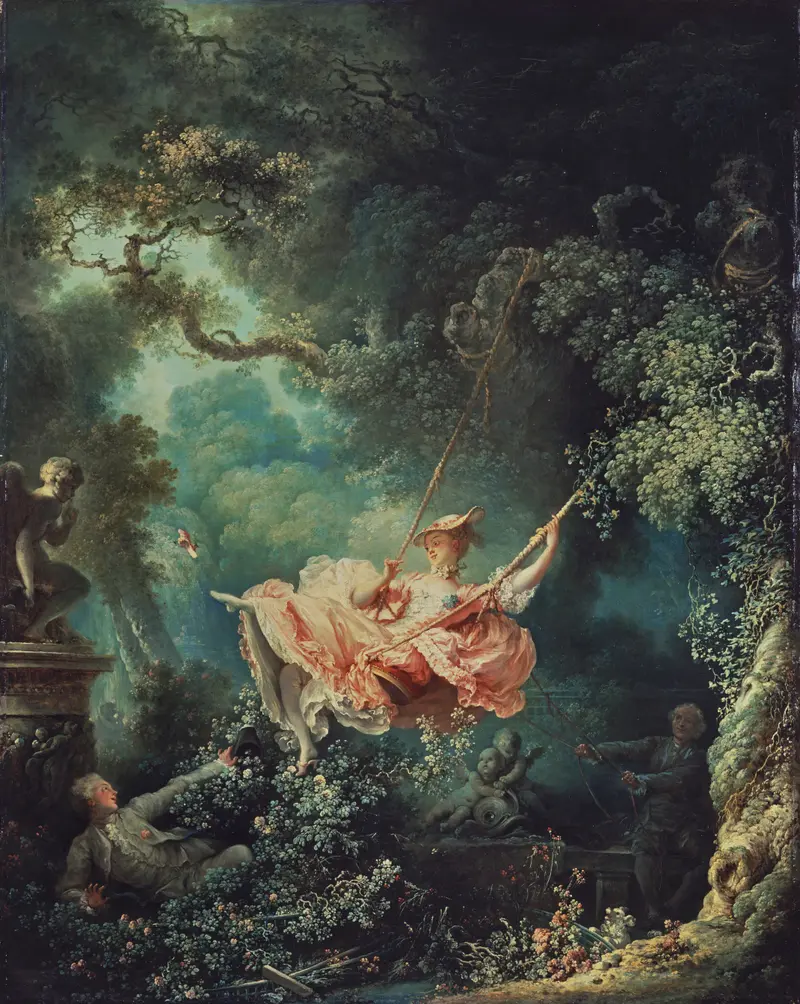
The Swing
Jean-Honoré Fragonard

The Swing
Jean-Honoré Fragonard
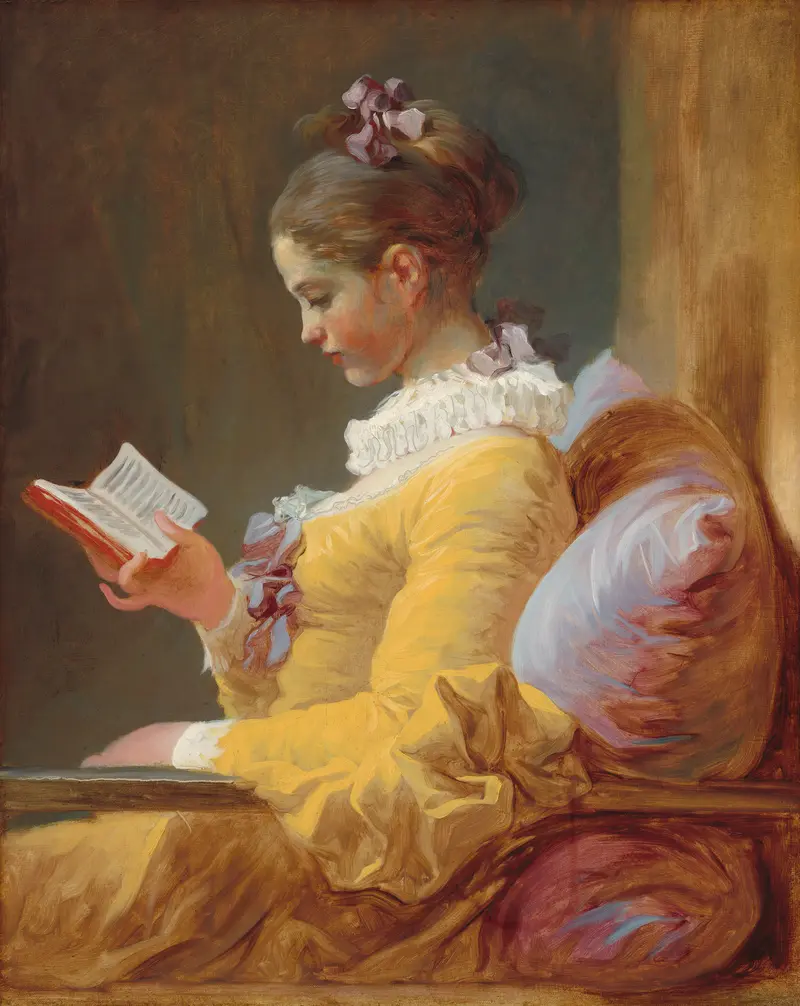
A Young Girl Reading
Jean-Honoré Fragonard
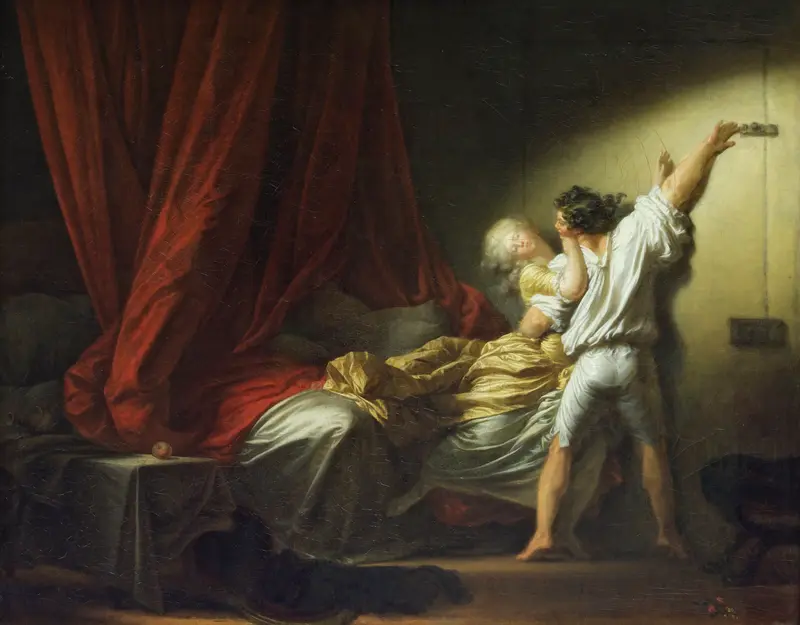
The Lock
Jean-Honoré Fragonard
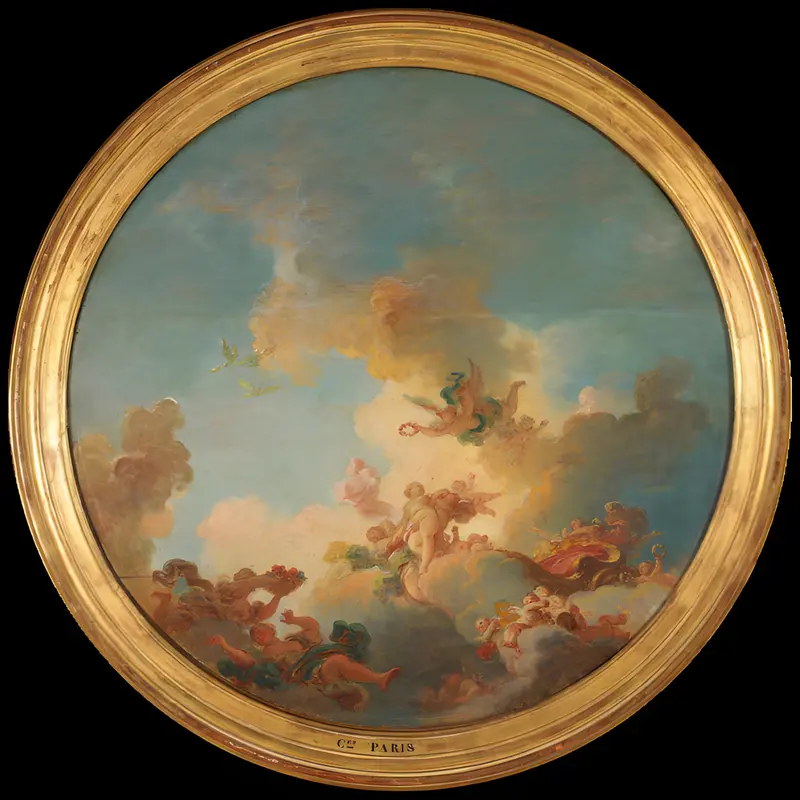
The Triumph of Venus
Jean-Honoré Fragonard
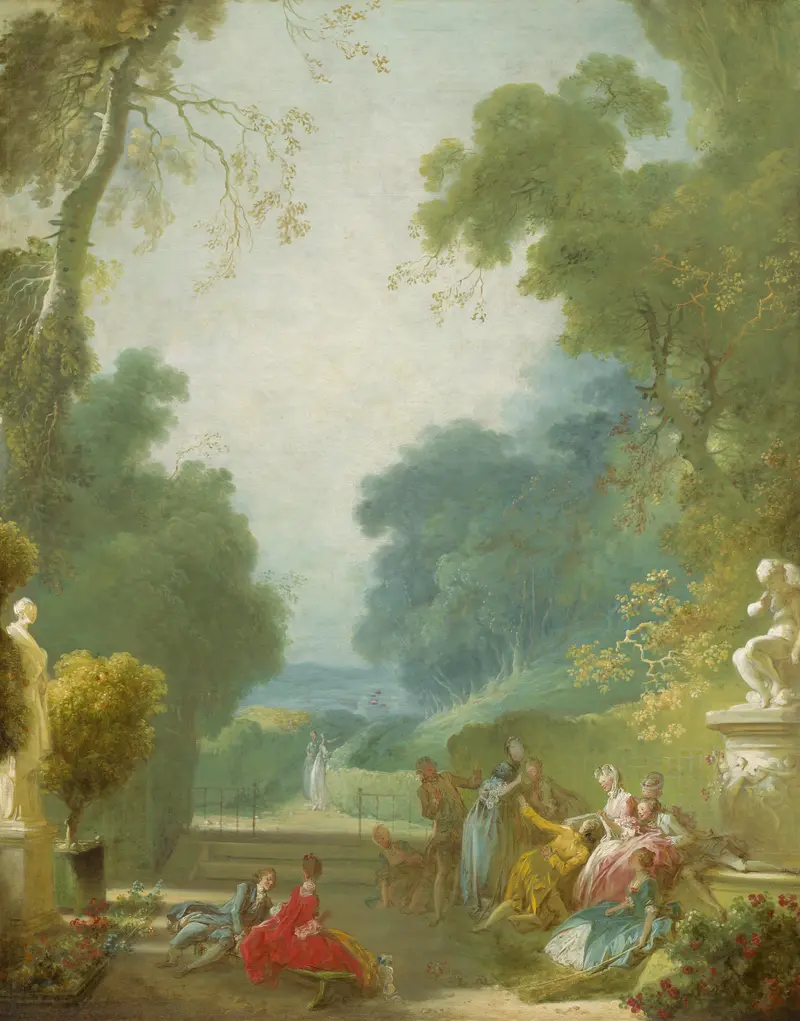
A Game of Hot Cockles
Jean-Honoré Fragonard
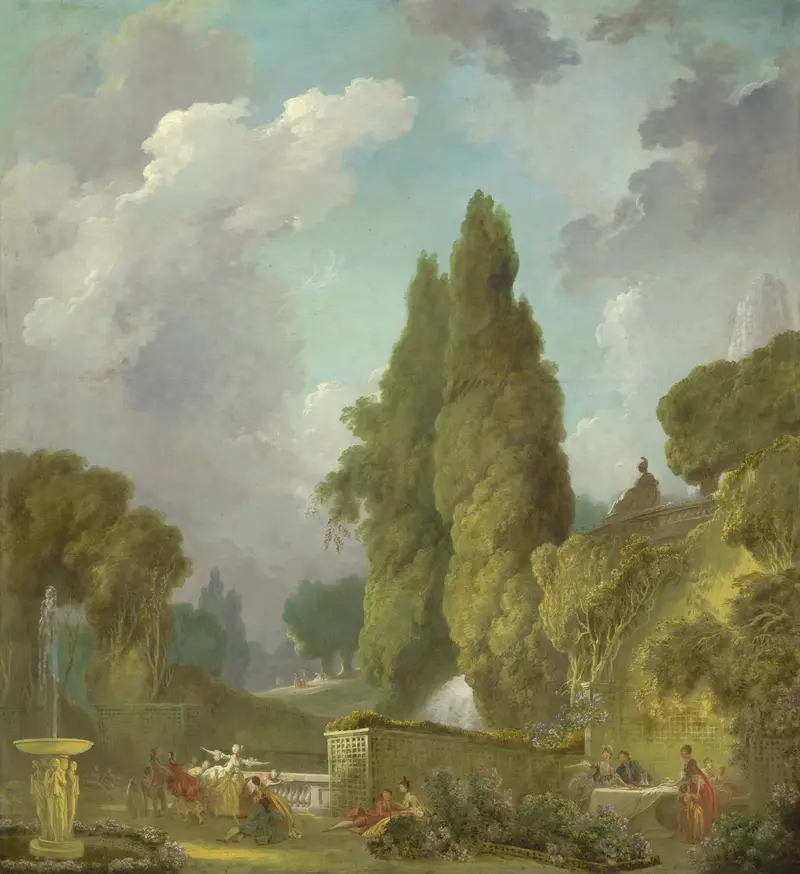
Blindman’s Buff
Jean-Honoré Fragonard
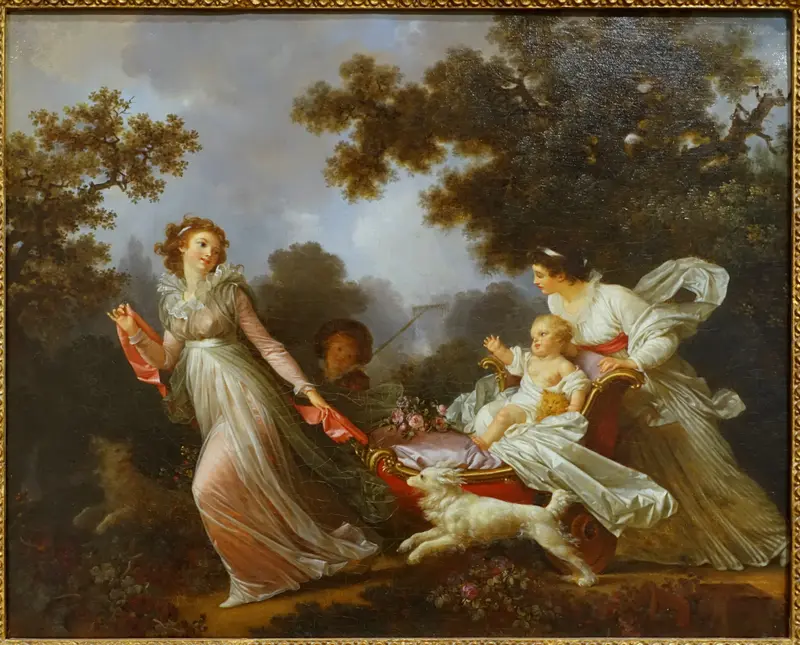
The Beloved Child
Jean-Honoré Fragonard
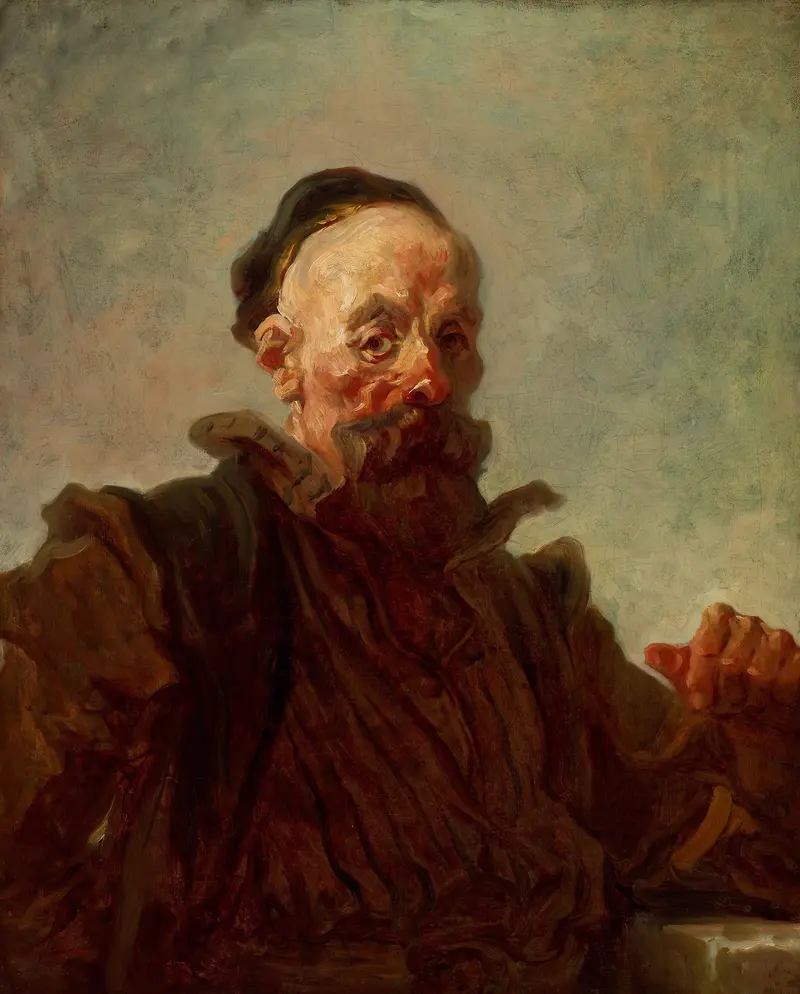
Portrait of a Man in Costume
Jean-Honoré Fragonard
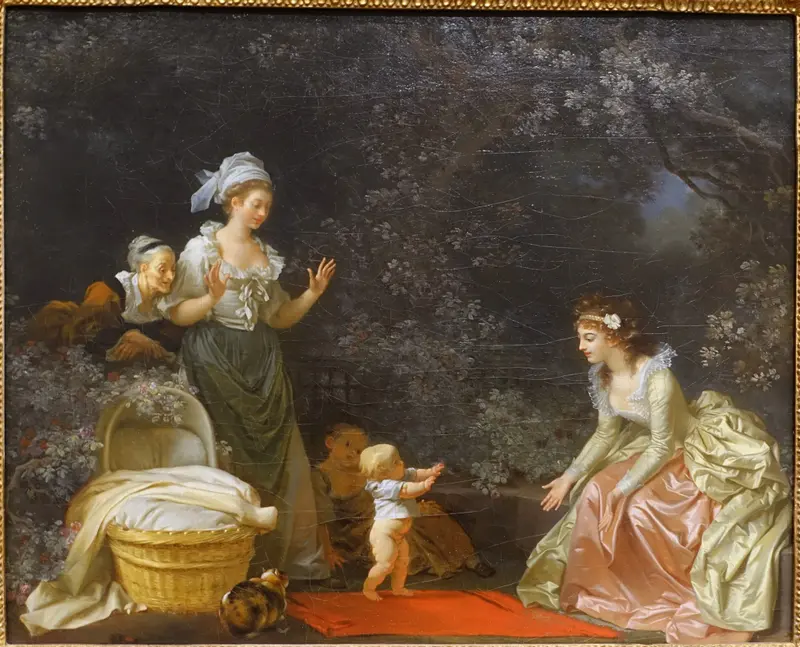
The First Steps
Jean-Honoré Fragonard





