
La place du Tertre, à Montmartre — History & Facts
In an era of bustling modernity, beauty remains a silent observer, capturing the essence of life amid chaos. Look to the center of the canvas, where the vibrant energy of Montmartre springs to life. A myriad of figures flows through the square, their postures alive with animated gestures. Notice how the artist employs soft pastels and warm hues to breathe warmth into the scene, illuminating faces with gentle sunlight.
The interplay of light and shadow dances across cobblestones, inviting you deeper into a moment suspended in time. Yet, beneath the cheerful façade, subtle tensions emerge. The juxtaposition of the lively crowd against the stillness of the café in the background highlights a contrast between the vibrancy of communal joy and the quiet introspection that often accompanies artistic creation. Elements like the solitary painter perched in the corner invite contemplation about the nature of beauty in a world that often overlooks it, while the surrounding activity pulses with a frenetic charm. Ferdinand Boberg painted this evocative scene in 1926, during a period marked by the rising influence of modernism in Paris.
Engaged with the avant-garde movements, Boberg sought to capture the essence of urban life, blending traditional techniques with contemporary themes. It was a time when Montmartre pulsated as an artistic hub, reflecting both the vibrancy of the era and the inner lives of its inhabitants.
More Artworks by Ferdinand Boberg
Browse all →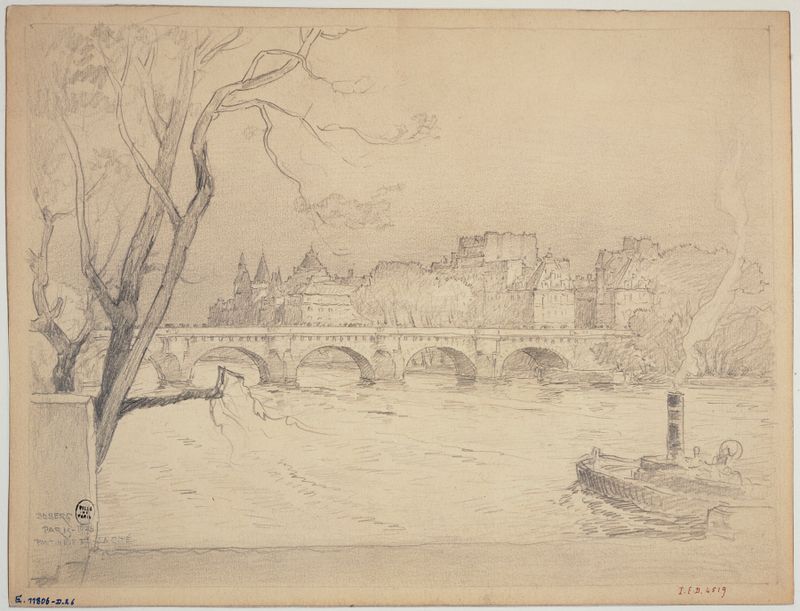
Le Pont-Neuf et la Cité
Ferdinand Boberg
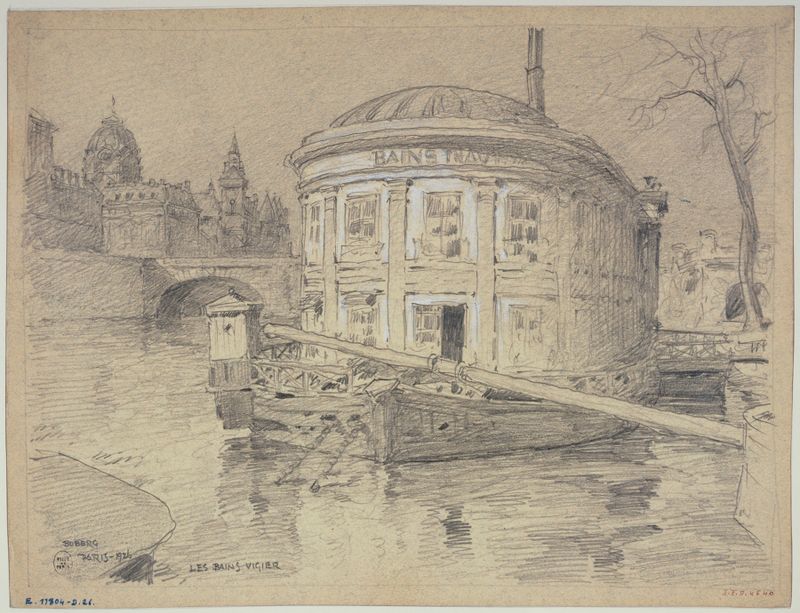
Les bains Vigier au Pont-Neuf
Ferdinand Boberg
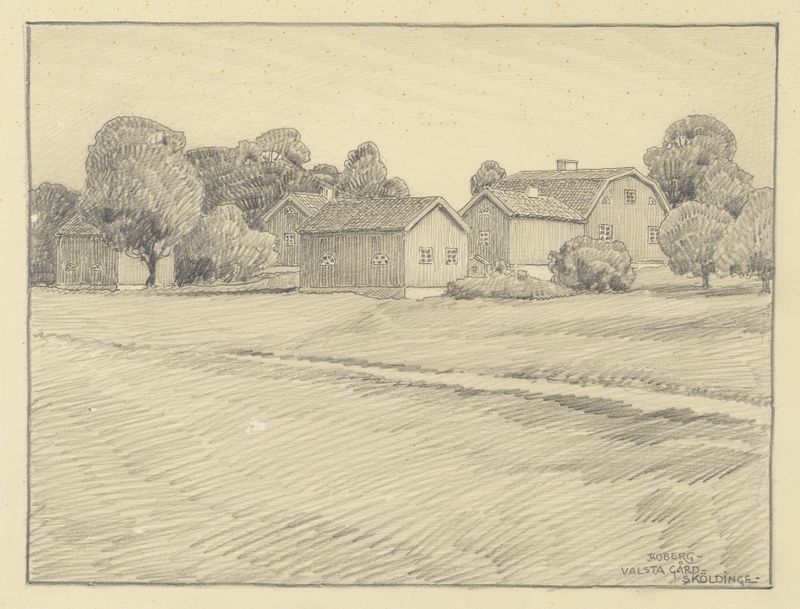
Valsta Gård
Ferdinand Boberg
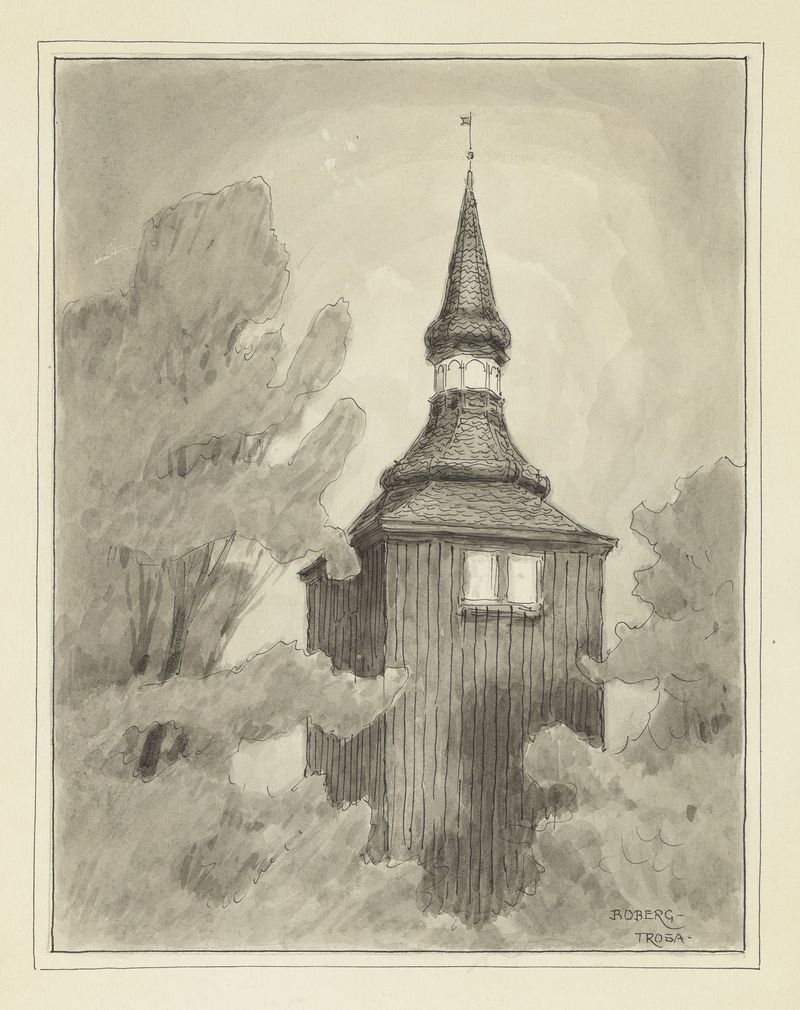
Trosa
Ferdinand Boberg
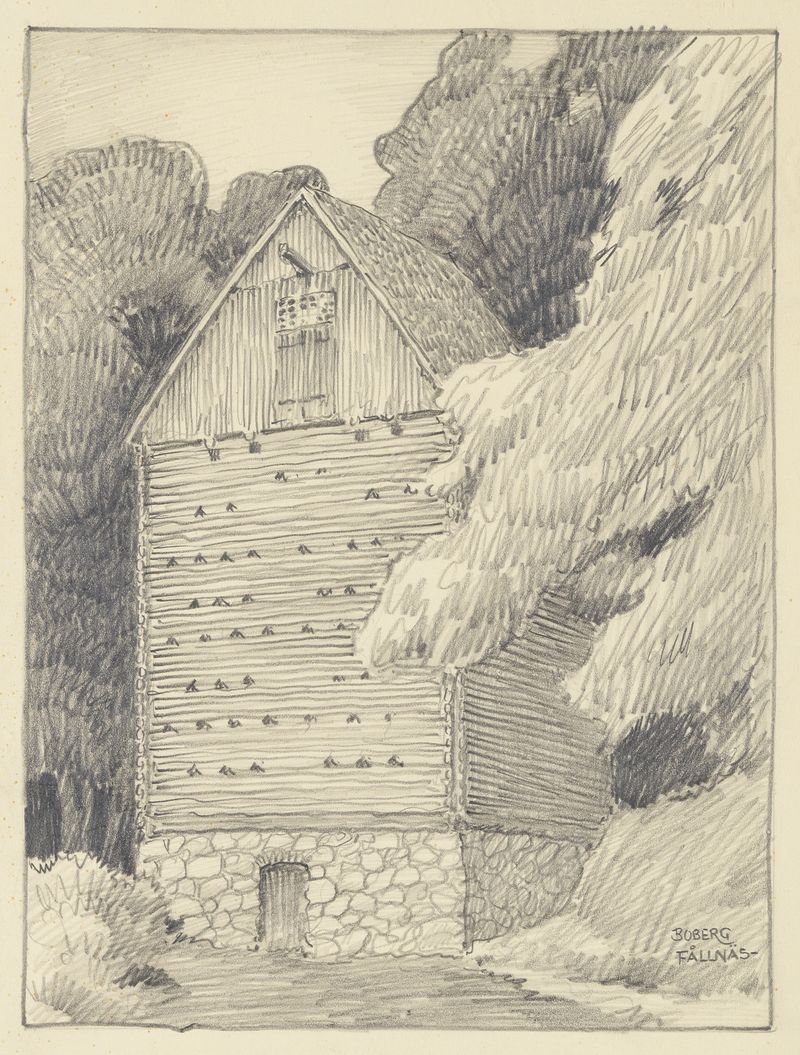
Fållnäs
Ferdinand Boberg
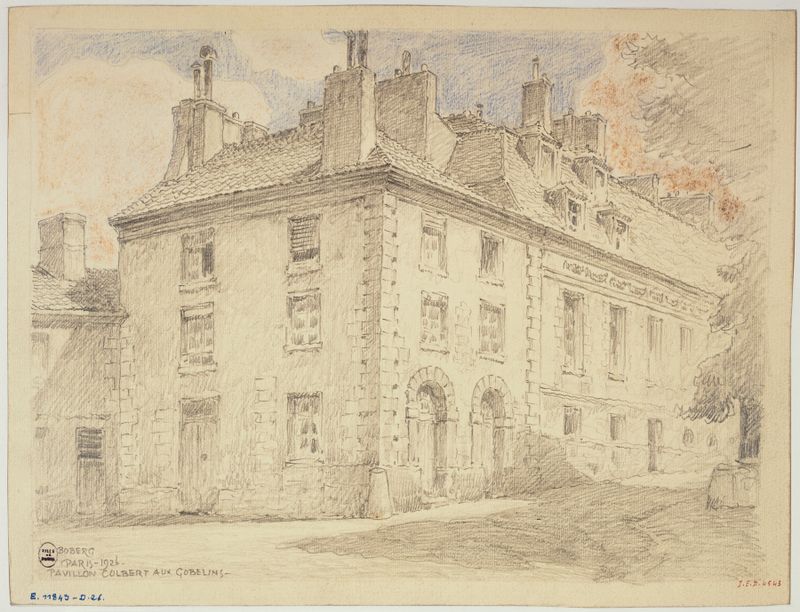
Le pavillon Colbert aux Gobelins
Ferdinand Boberg
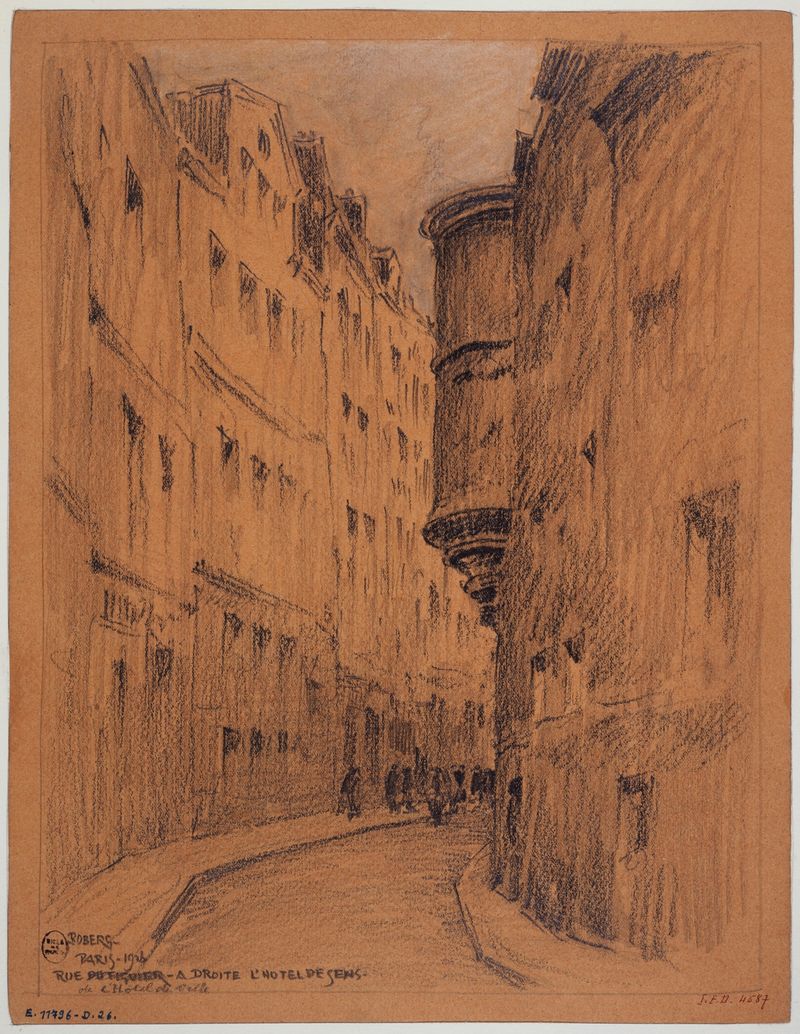
Rue de l’Hôtel de Ville; l’hôtel de Sens
Ferdinand Boberg
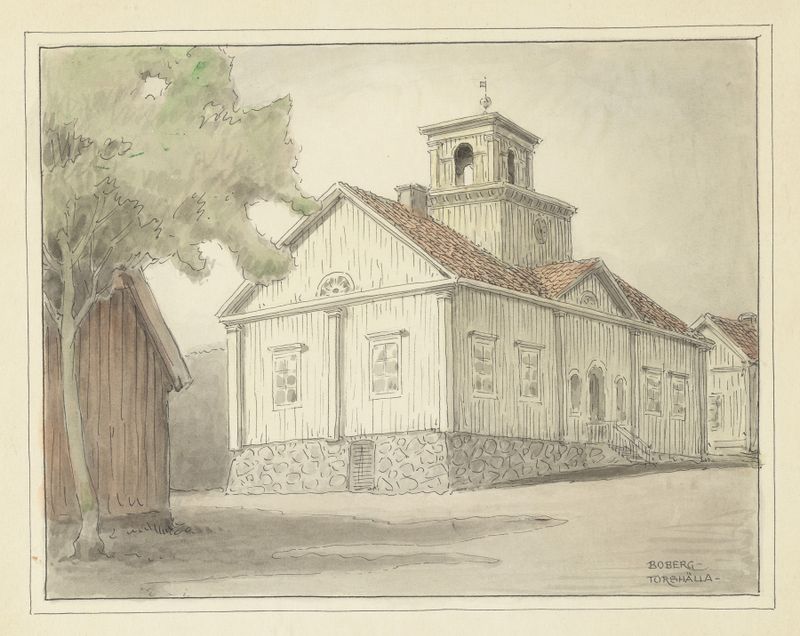
Torshälla
Ferdinand Boberg
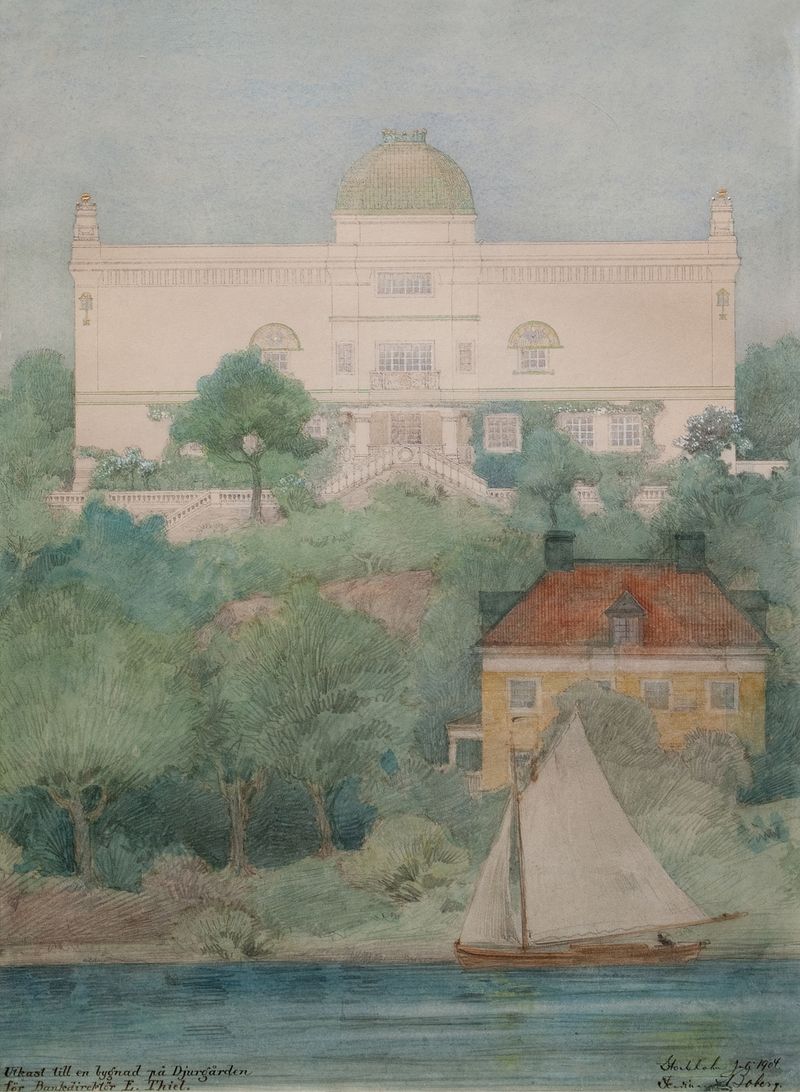
Sketch for a building for Thiel’s Gallery
Ferdinand Boberg
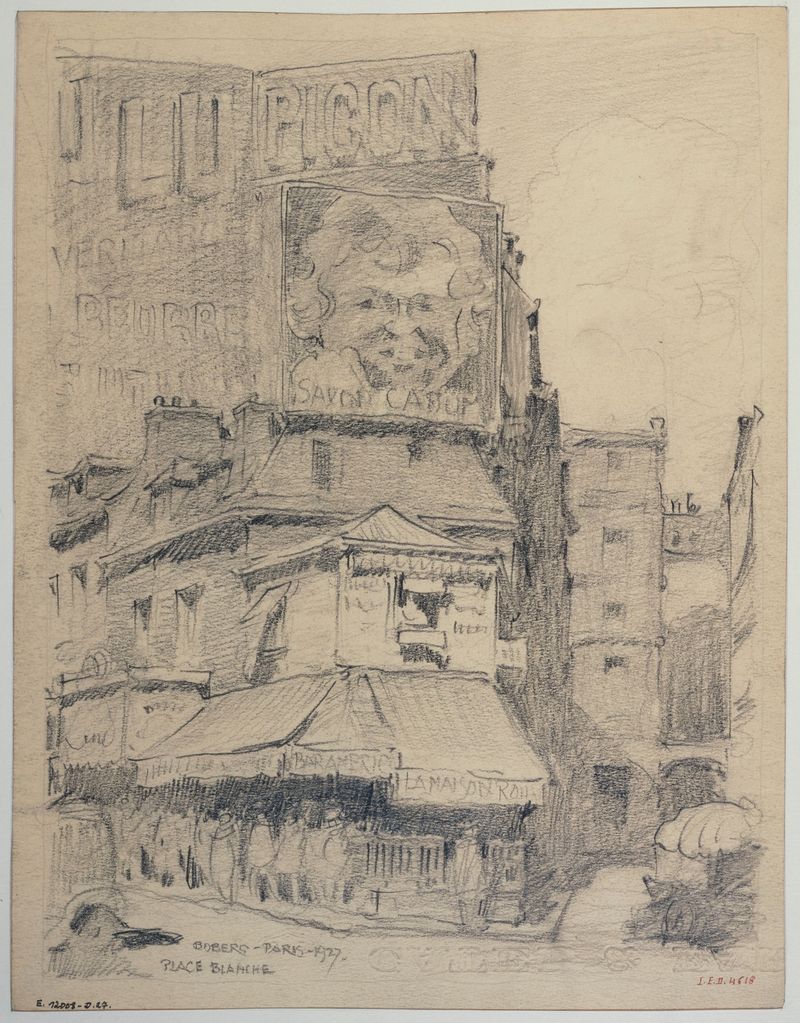
La place Blanche
Ferdinand Boberg





