
La prairie — History & Facts
Is this a mirror — or a memory? In La prairie, the viewer stands at the crossroads of nature and nostalgia, where every blade of grass whispers stories of destiny intertwined with fleeting moments. Focus on the vibrant greens that envelop the scene, drawing your eye to the figures nestled in the meadow. Notice the gentle curves of the landscape, leading your gaze to the dappled sunlight filtering through the trees, casting a soft glow on the people depicted. Renoir's signature brushstrokes create a sense of movement, as if the wind rustles through the leaves and laughter dances in the air.
The colors harmonize beautifully, giving life to each character and infusing the scene with warmth and intimacy. Delve deeper into the emotional layers hidden within the artwork. The juxtaposition of the serene environment against the lively figures suggests a delicate balance between the tranquility of nature and the chaos of human existence. The seemingly simple act of gathering in a meadow becomes a meditation on time, as the fleeting joy of the moment contrasts with the permanence of the surrounding landscape.
Each face tells its own story, reflecting unspoken connections and destinies shaped by the shared experience. Created in 1880, this piece emerged from a period of transition for the artist, who was increasingly celebrated as a leading figure of Impressionism. Renoir painted La prairie during a time when society was embracing leisure and outdoor activities, reflecting the changing norms of the late 19th century. The artwork captures not just a scene, but a snapshot of an era, echoing the pulse of a world stepping into modernity.
More Artworks by Pierre-Auguste Renoir
Browse all →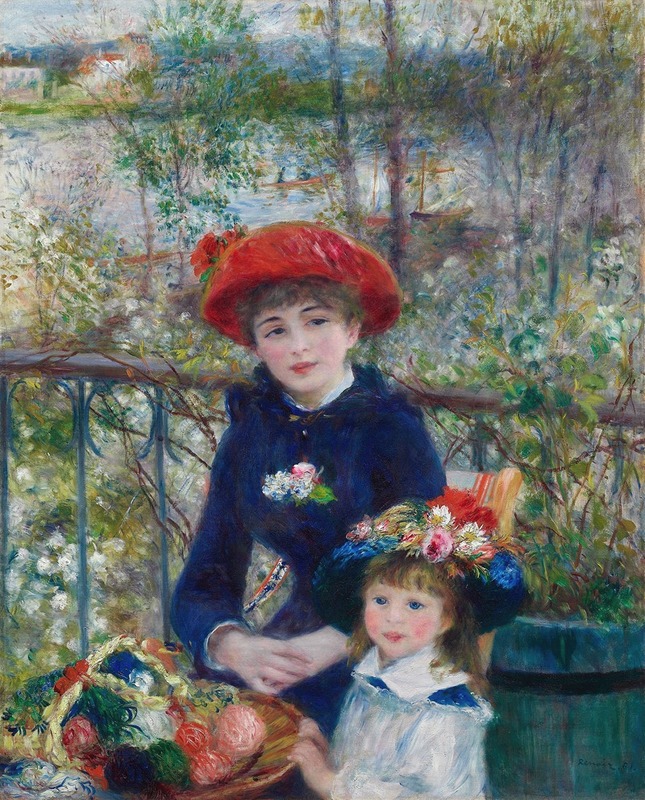
Two Sisters (On the Terrace)
Pierre-Auguste Renoir
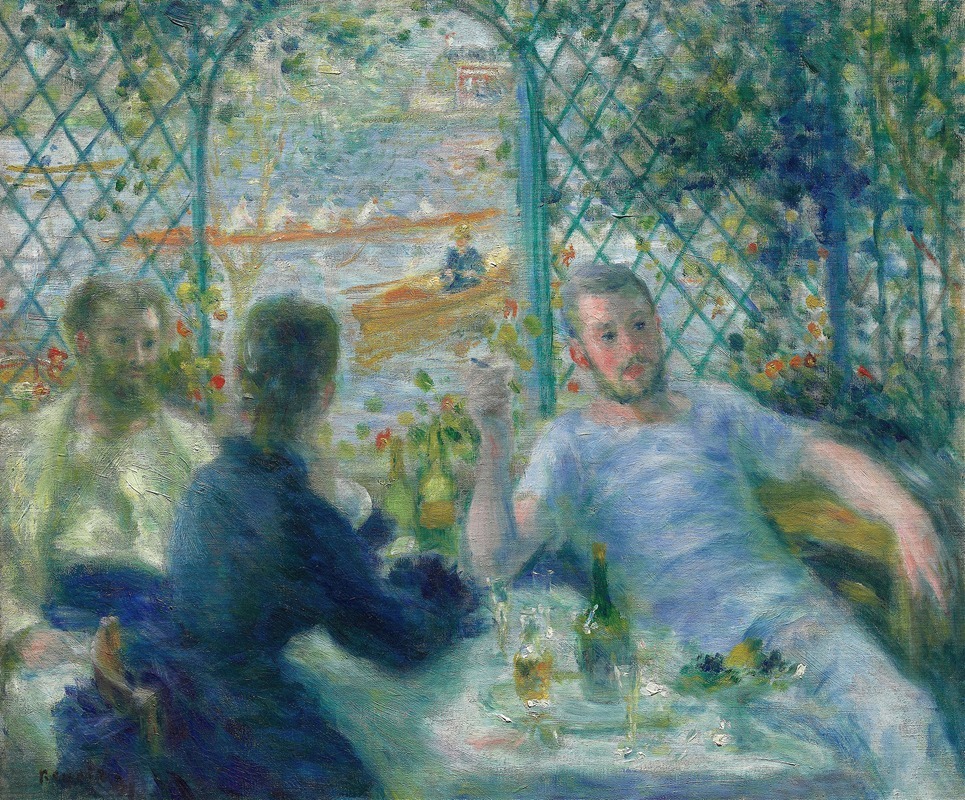
Lunch at the Restaurant Fournaise (The Rowers' Lunch)
Pierre-Auguste Renoir
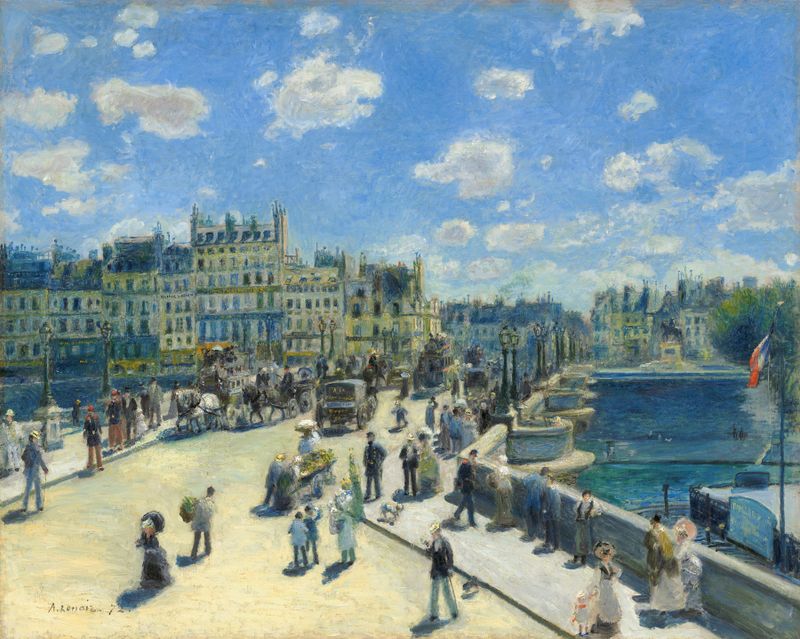
Pont Neuf, Paris
Pierre-Auguste Renoir
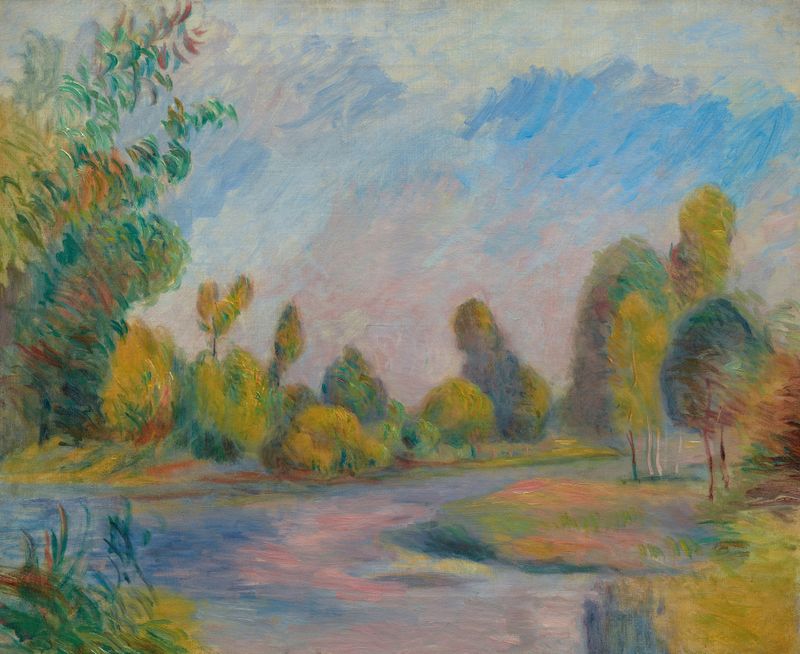
Au bord de la rivière
Pierre-Auguste Renoir

Near the Lake
Pierre-Auguste Renoir
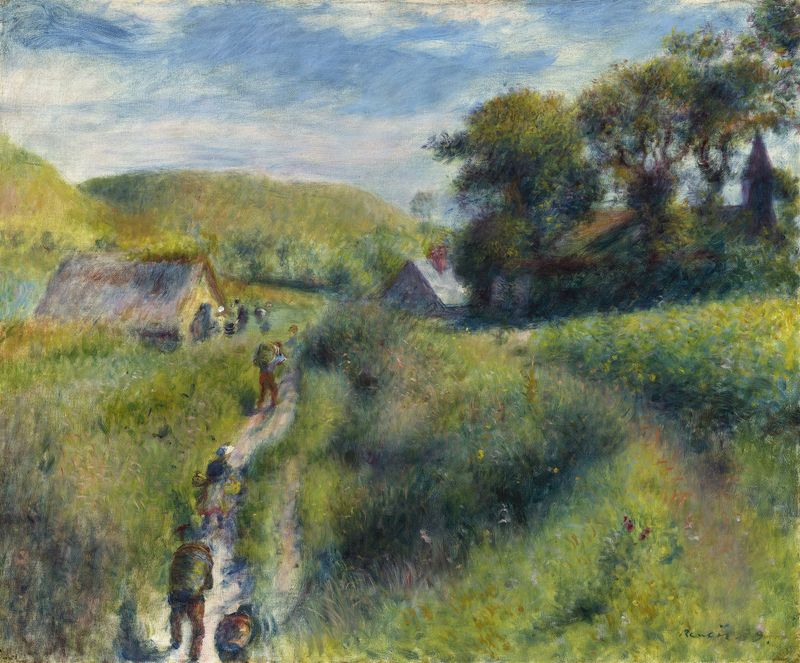
The Mussel Harvest
Pierre-Auguste Renoir

The Seine at Chatou
Pierre-Auguste Renoir
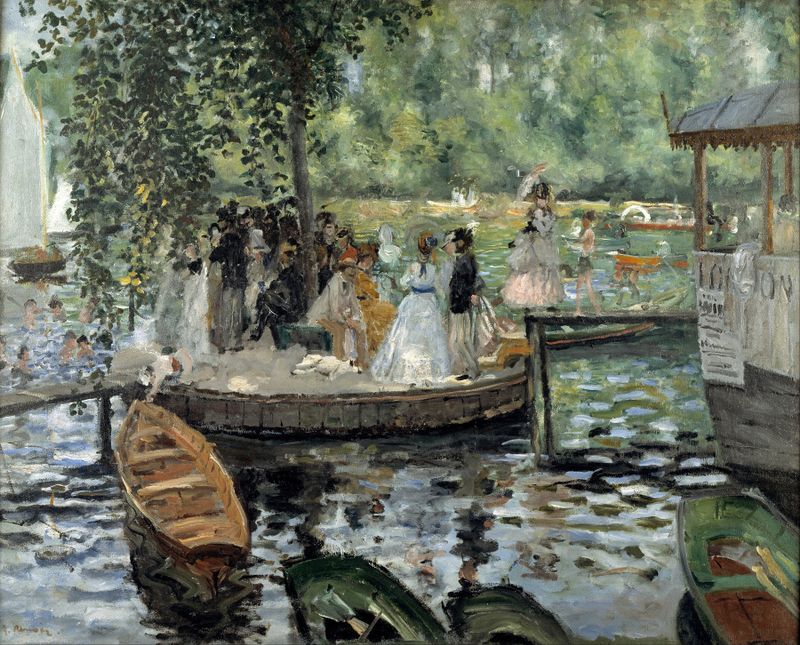
La Grenouillère
Pierre-Auguste Renoir
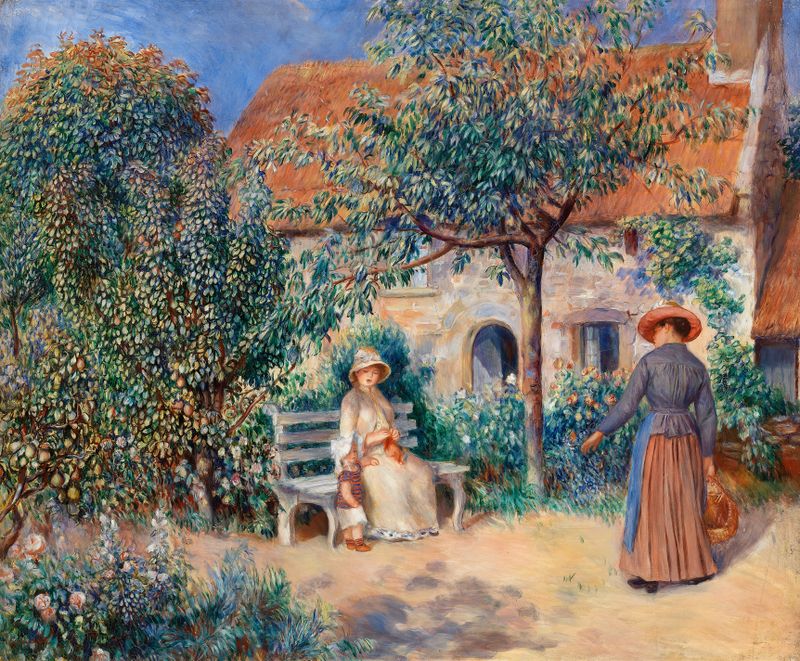
In Brittany (En Bretagne)
Pierre-Auguste Renoir
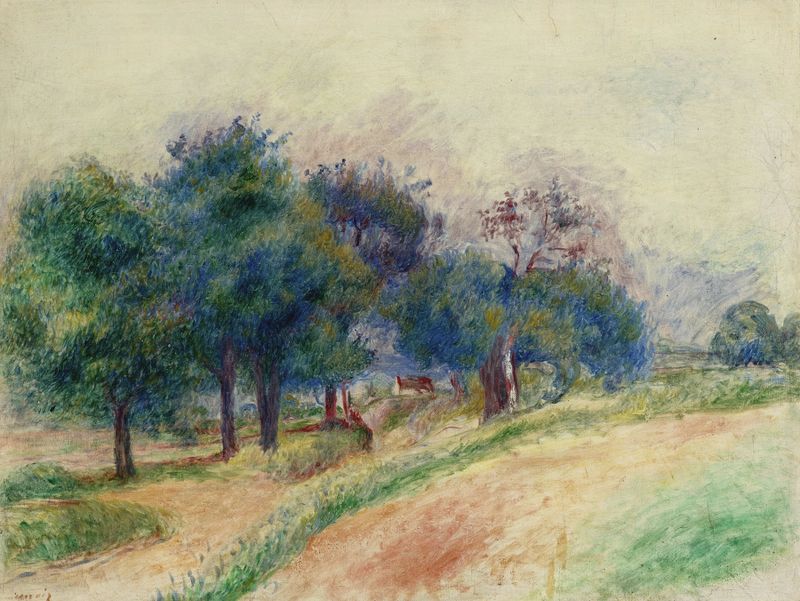
Paysage d’Essoyes
Pierre-Auguste Renoir





