
La Route tournante en sous-bois — History & Facts
Did the painter know this moment would outlive them? In La Route tournante en sous-bois, a quiet path winds through a dense thicket, an invitation to reflect on layers of nature and emotion intertwined. The scene, though serene, carries an undercurrent of tension, evoking feelings of both solace and apprehension. Focus on the winding road that curves gently through the foliage, drawing your eyes deeper into the canvas. Notice how the dappled light filters through the leaves, illuminating patches of the ground while casting mysterious shadows.
The palette harmonizes earthy greens and warm browns, reminiscent of a hidden sanctuary, yet the brushstrokes convey a sense of restlessness, echoing the tumult of the artist's inner world. As you explore further, you'll find a contrast between the calming beauty of the landscape and the sense of isolation that permeates the scene. The winding path, emblematic of life's unpredictable journey, suggests both discovery and betrayal, hinting at an underlying complexity of choice and consequence. The absence of a clear destination adds to this emotional weight, inviting viewers to ponder their own paths through life. In 1873, Cézanne was establishing his distinctive style amidst the evolving landscape of Impressionism in France.
He painted this work while grappling with personal turmoil, as he sought to carve out his artistic identity in a world that often resisted his vision. This piece reflects his commitment to capturing the essence of nature, even as he faced the challenges of acceptance in the art community.
More Artworks by Paul Cezanne
Browse all →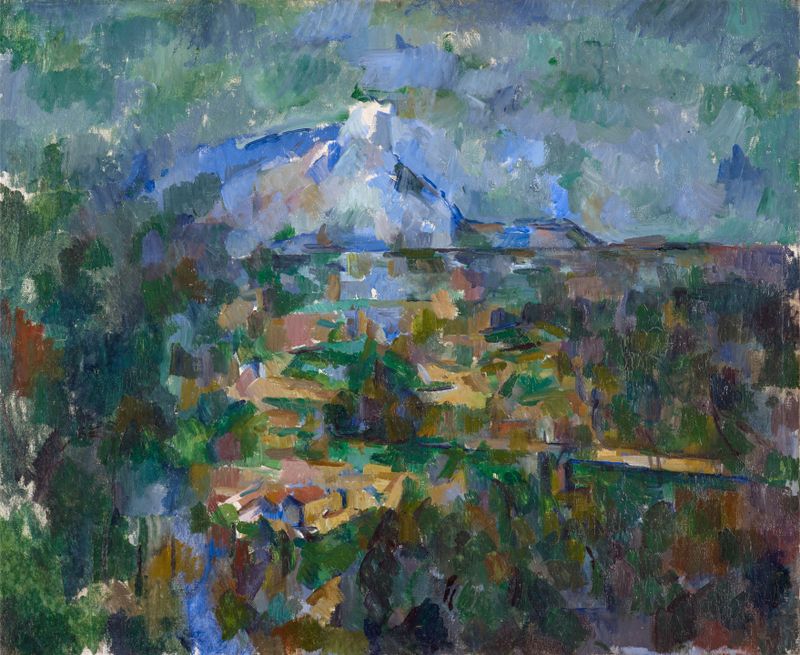
The Mont Sainte-Victoire Seen From Les Lauves
Paul Cezanne
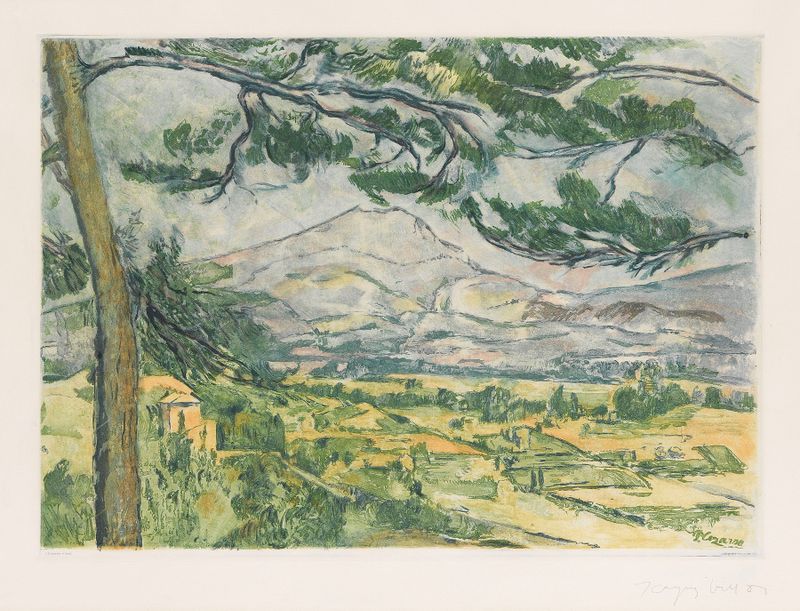
La Montagne Sainte-Victoire
Paul Cezanne
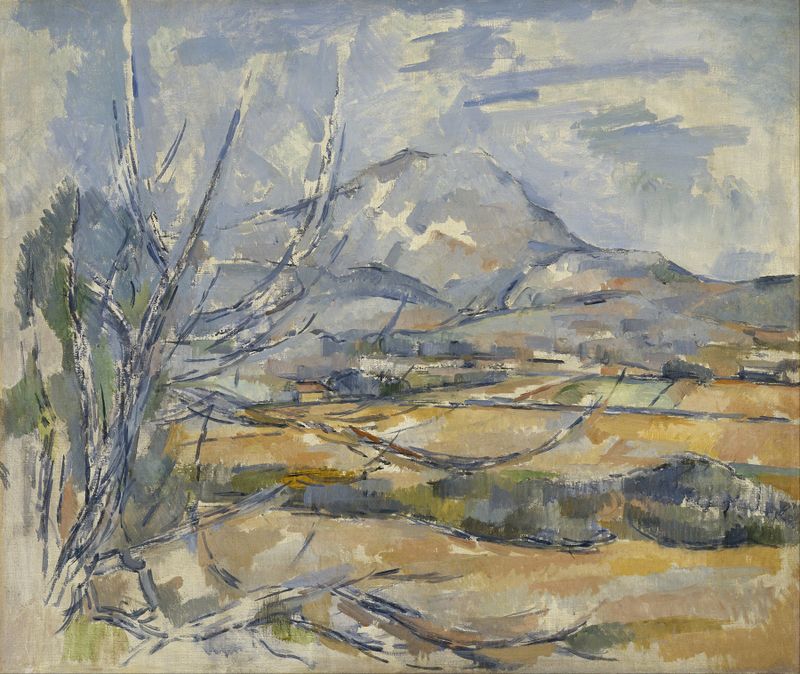
Montagne Sainte-Victoire
Paul Cezanne
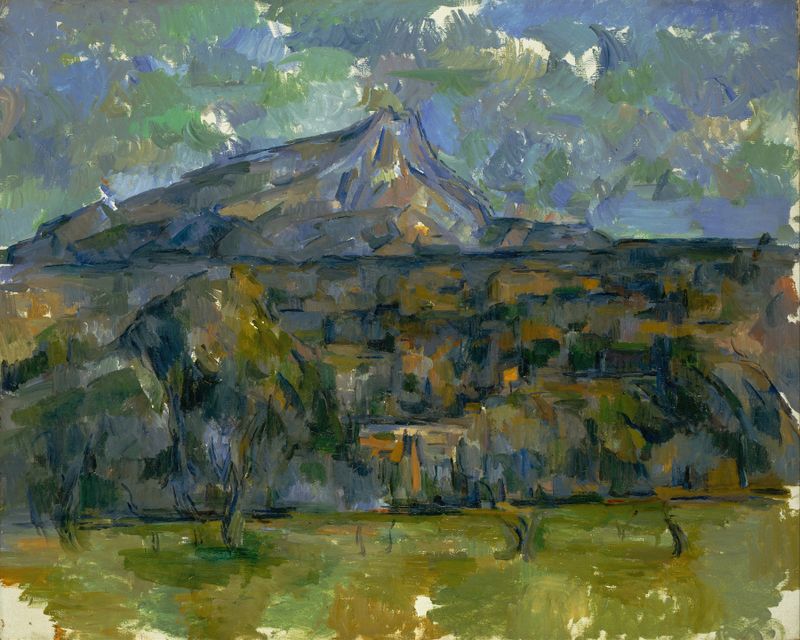
Mont Sainte-Victoire
Paul Cezanne
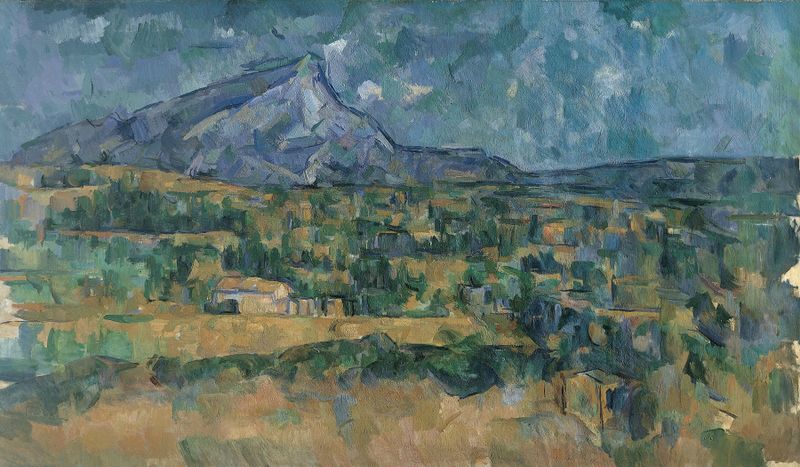
Mont Sainte-Victoire
Paul Cezanne
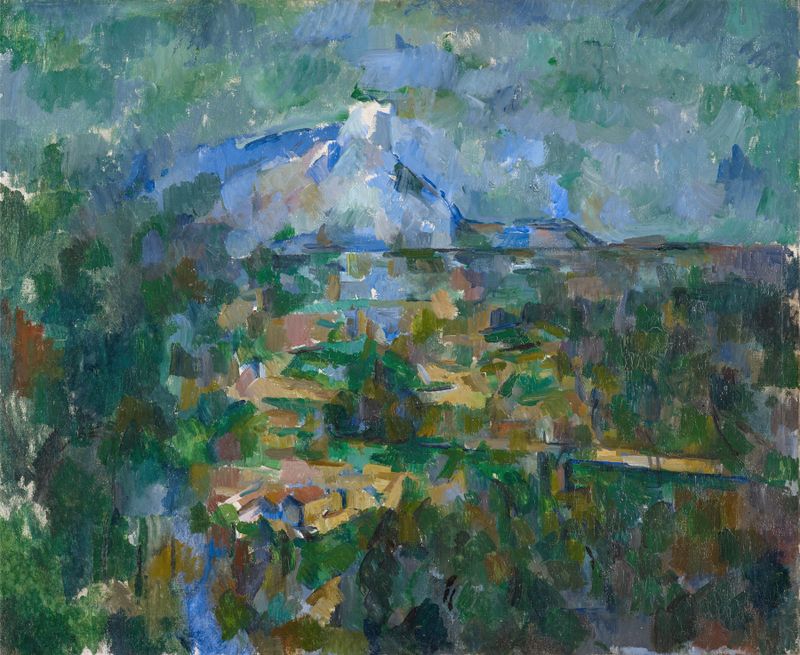
View of Mount Sainte-Victoire from Les Lauves
Paul Cezanne
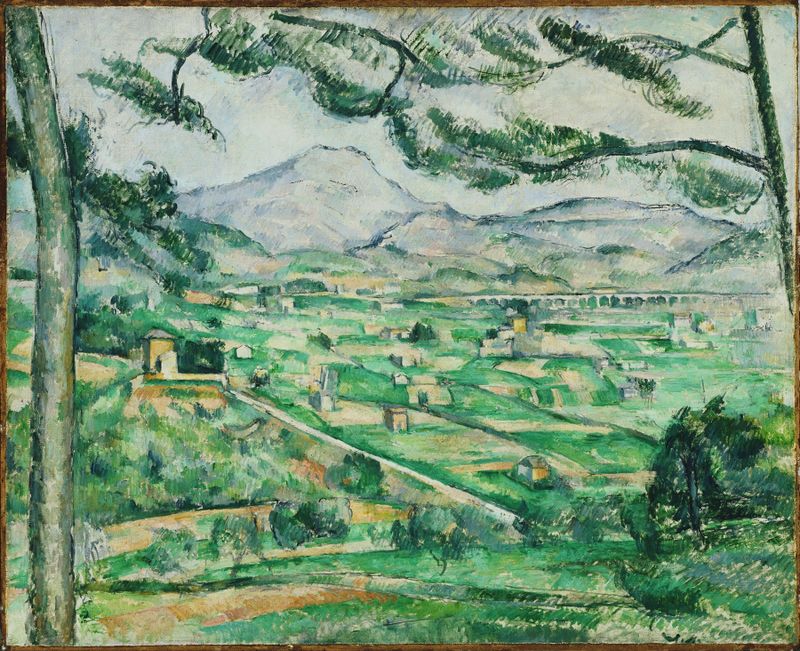
Mont Sainte-Victoire 2
Paul Cezanne

The Basket of Apples
Paul Cezanne

Mount Sainte-Victoire
Paul Cezanne
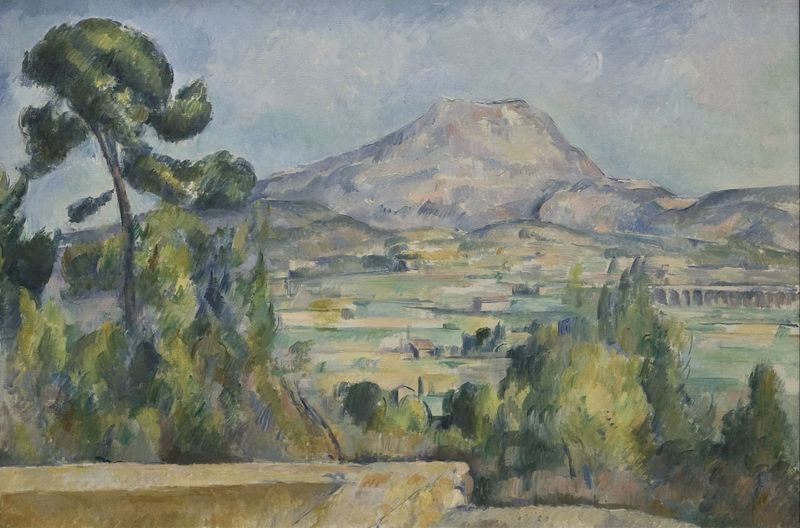
Montagne Saint-Victoire
Paul Cezanne





