
La rue de la Bonne à Montmartre — History & Facts
What if beauty was never meant to be finished? In La rue de la Bonne à Montmartre, shadows dance along the cobblestones, whispering secrets of an era suspended between light and mystery. Focus first on the subtle interplay of light and shade on the street, where ever-so-slightly muted colors create a dreamlike atmosphere. The warm tones of ochre and terracotta rise from the facades, inviting the eye to trace the contours of buildings that lean into one another like old friends. Notice how the shadows elongate and twist, breathing life into the scene, suggesting movement and history that echo through the narrow lane. Within this visual symphony lies a poignant contrast: the vibrant life of Montmartre’s streets against the somber shadows that cling to every corner.
Each shadow seems to tell a story, capturing moments of solitude amid the bustling life. Perhaps it evokes the fleeting nature of creativity itself, reminding us that even beauty, when illuminated, is always accompanied by darkness—an eternal dance between joy and melancholy. In 1926, the artist painted this scene during a time of burgeoning modernism in Paris, where the vibrant art community was shifting from tradition to experimentation. Boberg, deeply influenced by the interplay of light and shadow, sought to capture the essence of Montmartre, a neighborhood pulsating with life yet steeped in history.
This work reflects not only his artistic vision but also the broader cultural transformations that defined an era.
More Artworks by Ferdinand Boberg
Browse all →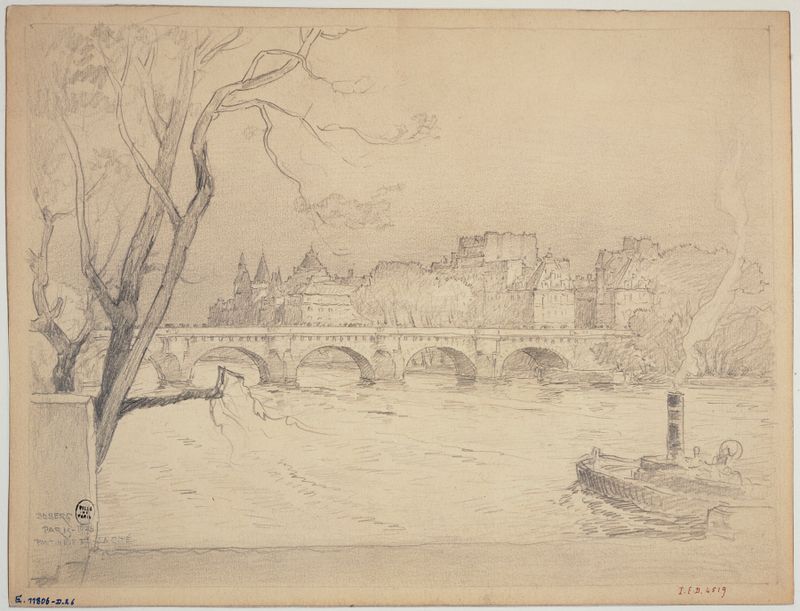
Le Pont-Neuf et la Cité
Ferdinand Boberg
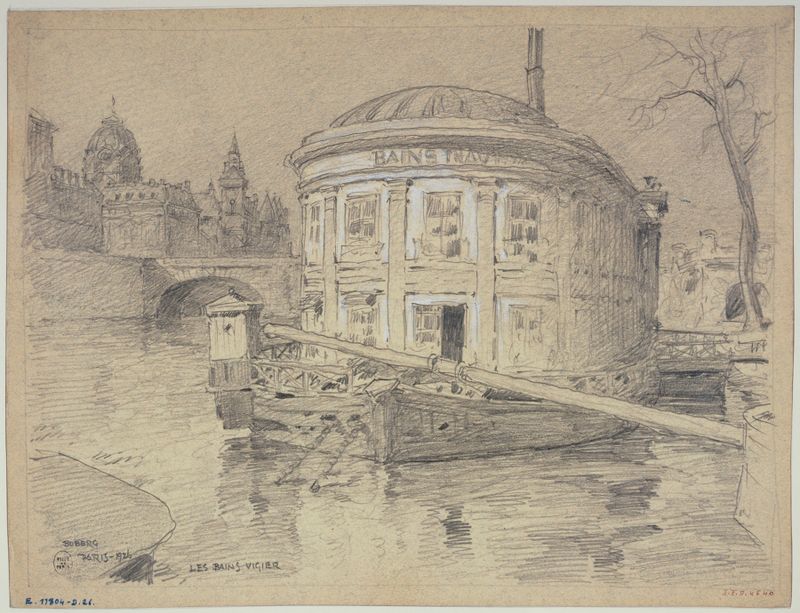
Les bains Vigier au Pont-Neuf
Ferdinand Boberg
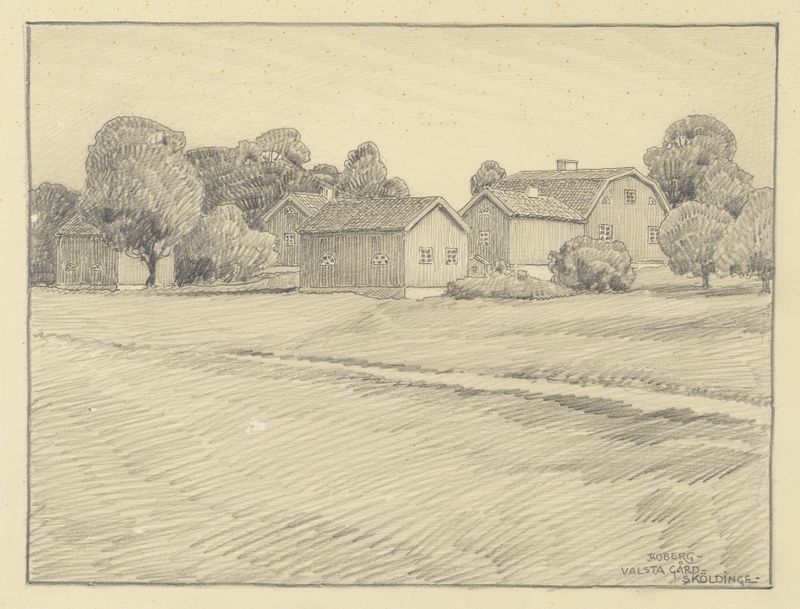
Valsta Gård
Ferdinand Boberg
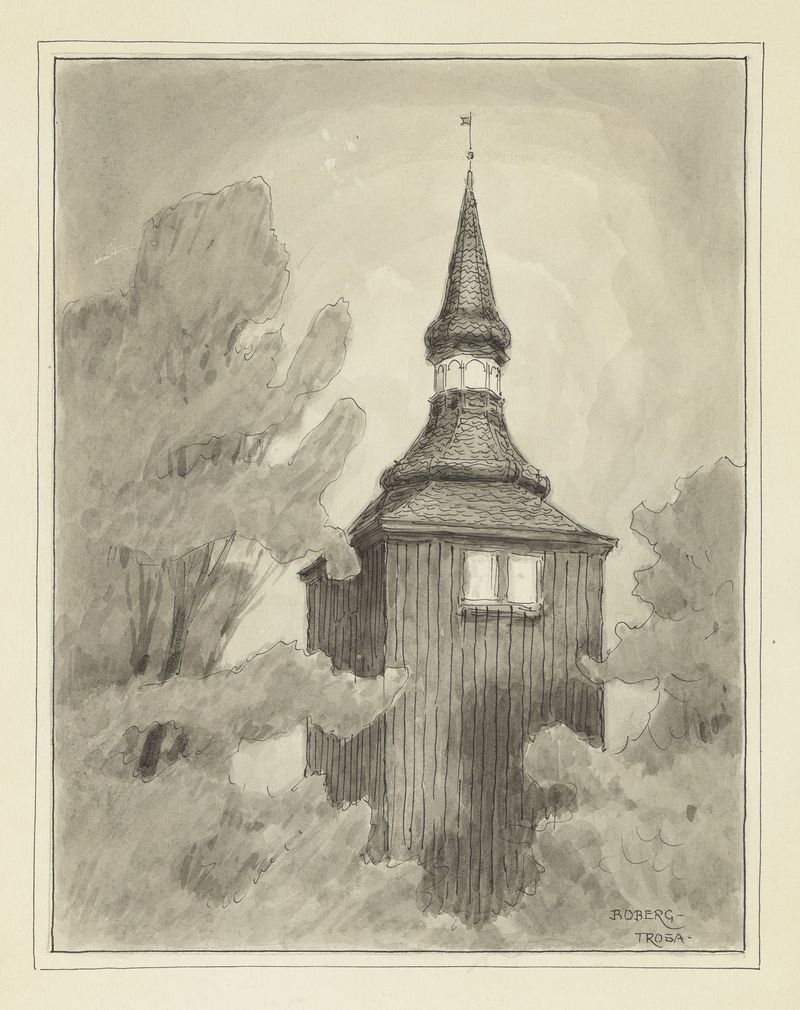
Trosa
Ferdinand Boberg
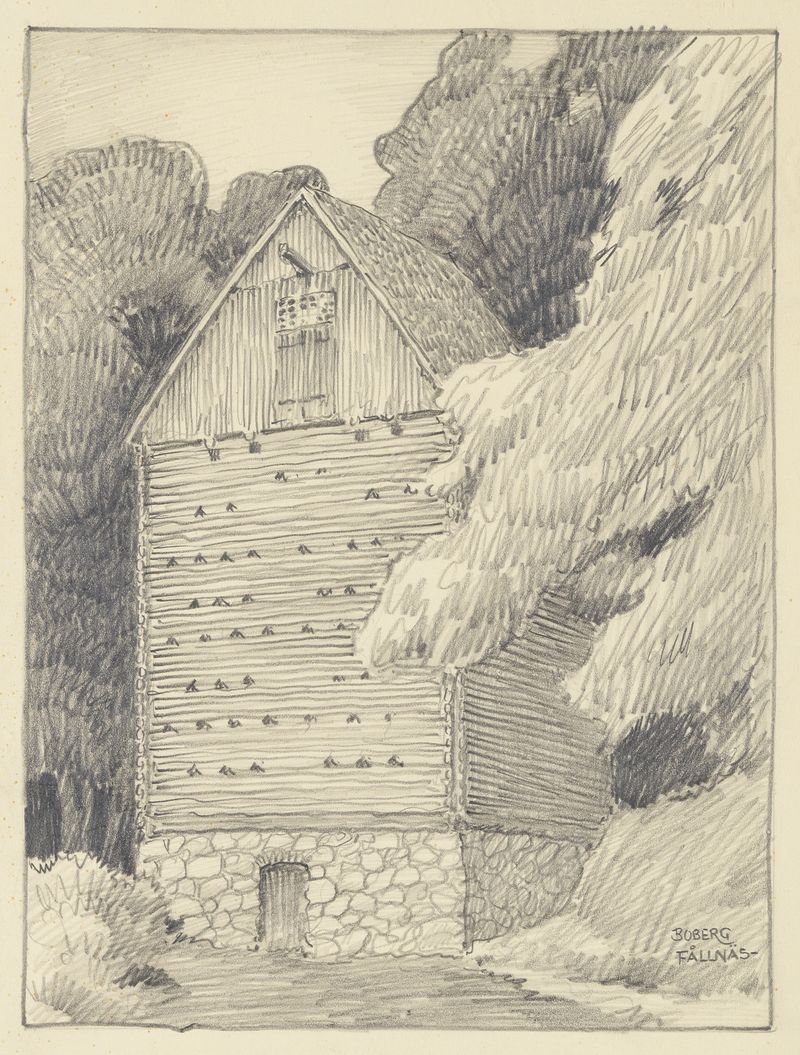
Fållnäs
Ferdinand Boberg
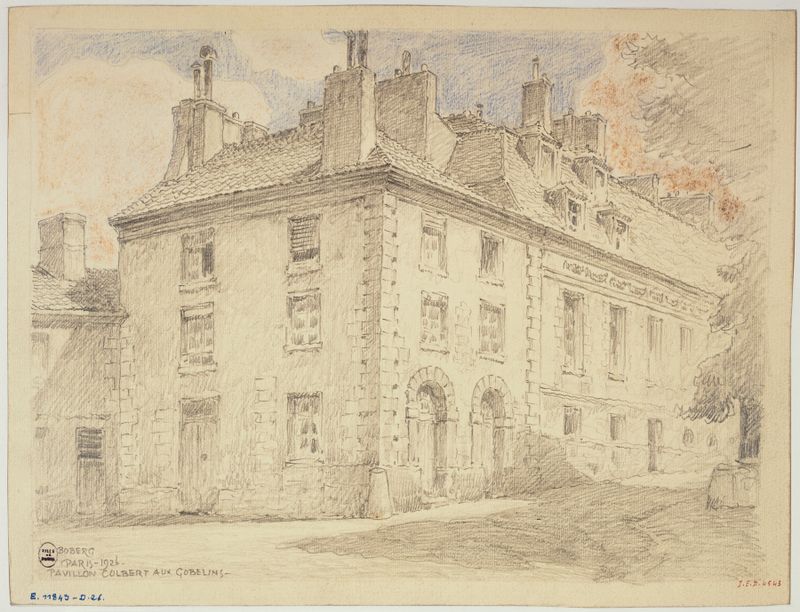
Le pavillon Colbert aux Gobelins
Ferdinand Boberg
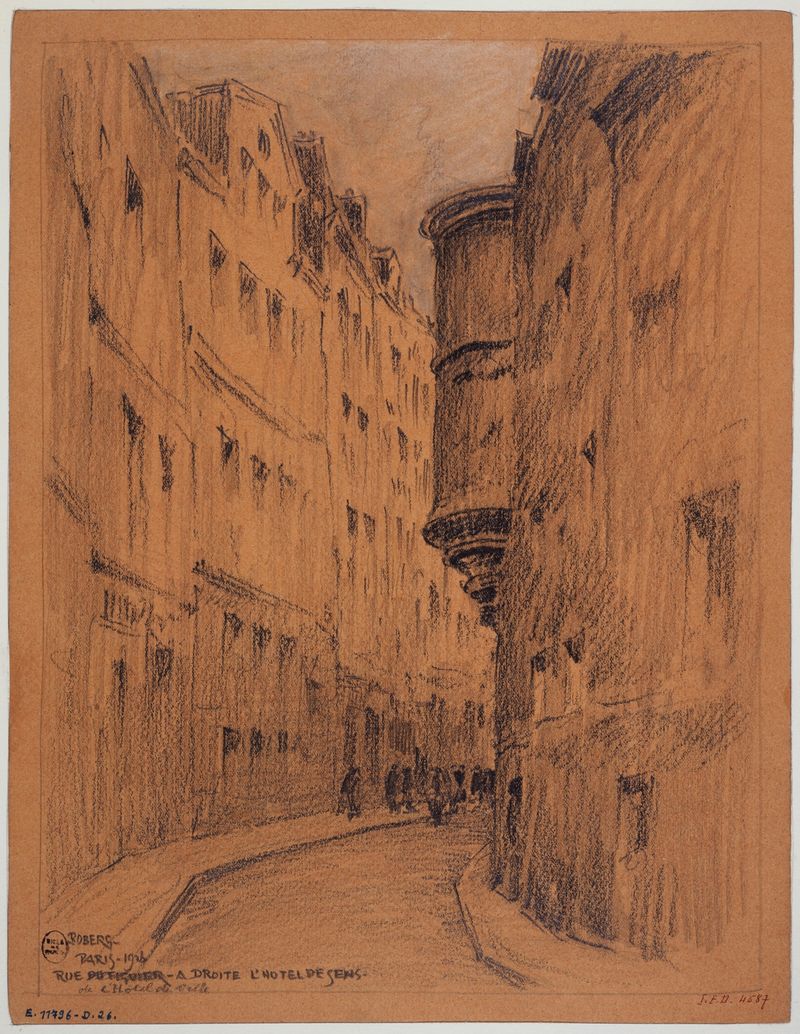
Rue de l’Hôtel de Ville; l’hôtel de Sens
Ferdinand Boberg
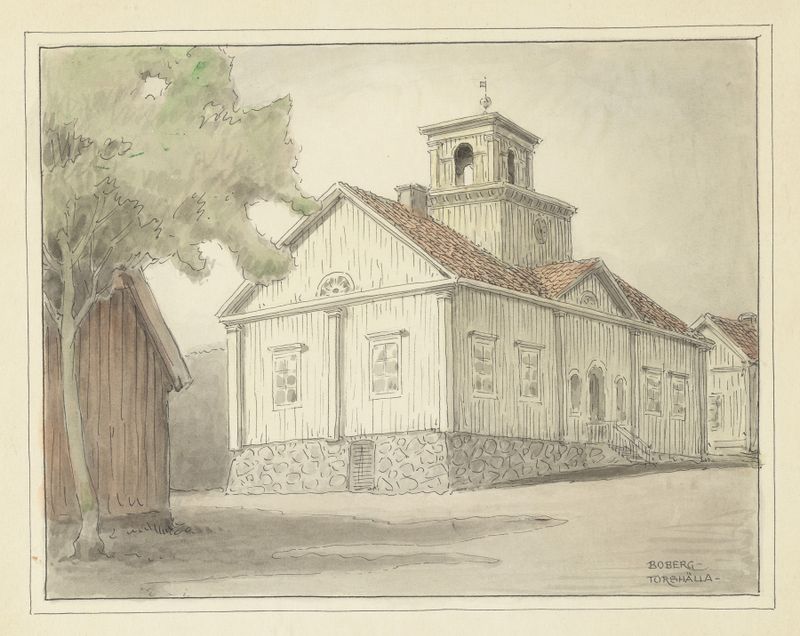
Torshälla
Ferdinand Boberg
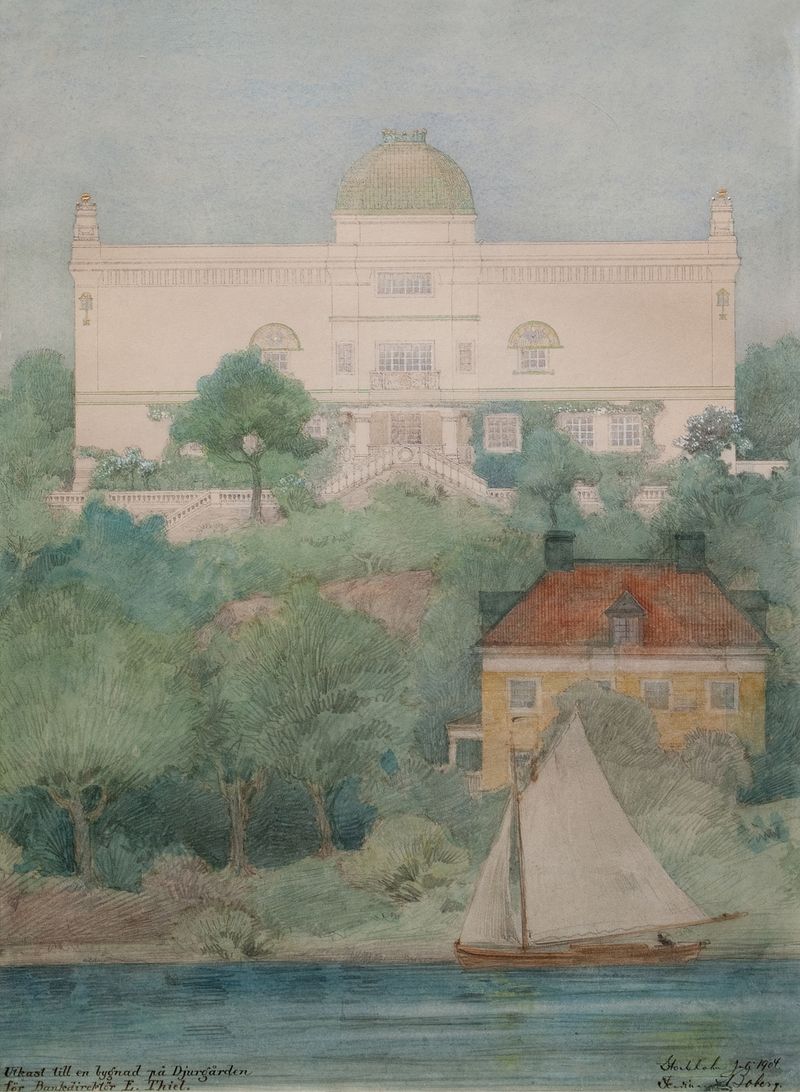
Sketch for a building for Thiel’s Gallery
Ferdinand Boberg
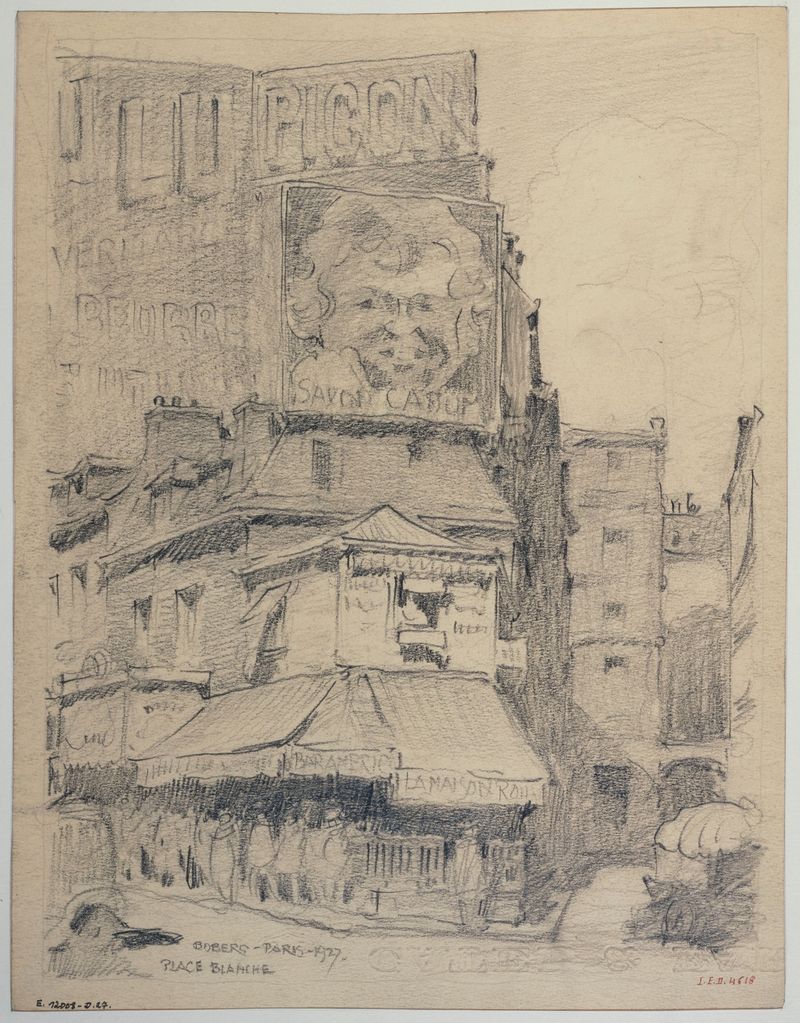
La place Blanche
Ferdinand Boberg





