
La rue Quincampoix, prise de la rue de La Reynie — History & Facts
Did the painter know this moment would outlive them? In the heart of Paris, where cobblestones meld with stories, life pulses through the streets, forever transformed by the artist's hand. Look to the center of the canvas, where the bustling figures emerge, their forms animated as they navigate the winding streets. Notice the warm, golden hues that bathe the scene in late afternoon light, casting soft shadows that dance across the façades of quaint buildings. The composition draws your eye along the alley, where a subtle play of perspective invites you deeper into the vibrant life of the city, each character brimming with anticipation and purpose. As you explore the details, you’ll uncover the contrast between the rigid architecture and the fluidity of movement.
The juxtaposition of the serene buildings against the tangled energy of the people suggests a tension between permanence and transience. In the artist's delicate brushwork, the transformative nature of urban life comes alive – each figure is not just a passerby but a fragment of a greater narrative, a testimony to a city in flux. F. Séguin created this vivid scene in 1896 while living in Paris, a city in the throes of modernization and artistic experimentation.
During this period, the art world was shifting, influenced by burgeoning movements like Impressionism, which sought to capture the essence of moments in time. Séguin’s work reflects this transition, immortalizing a slice of life that reveals not only the streets of Paris but also the spirit of an era on the brink of transformation.
More Artworks by F. Séguin
Browse all →
Rue Brantôme. (anciennement rue des Petits Champs donnant rue Saint Martin et rue Beaubourg)
F. Séguin
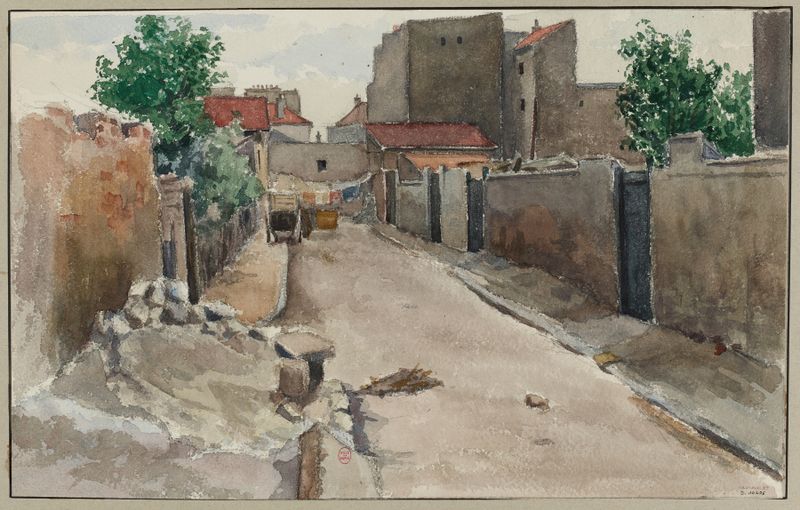
La rue de Chambéry, prise de la rue de Nice la Frontière
F. Séguin
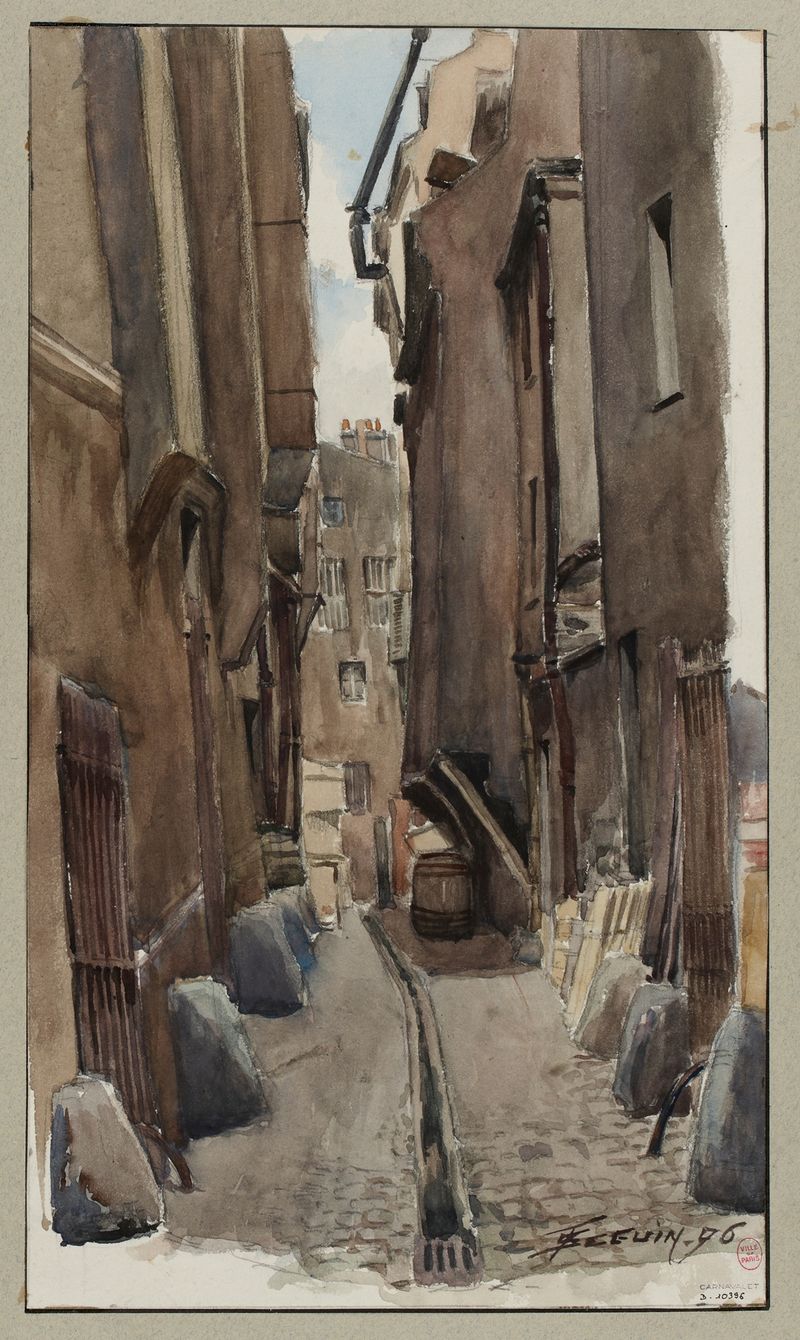
Le Cul de sac du Bœuf, (rue Saint Merri)
F. Séguin

Rue Descartes
F. Séguin
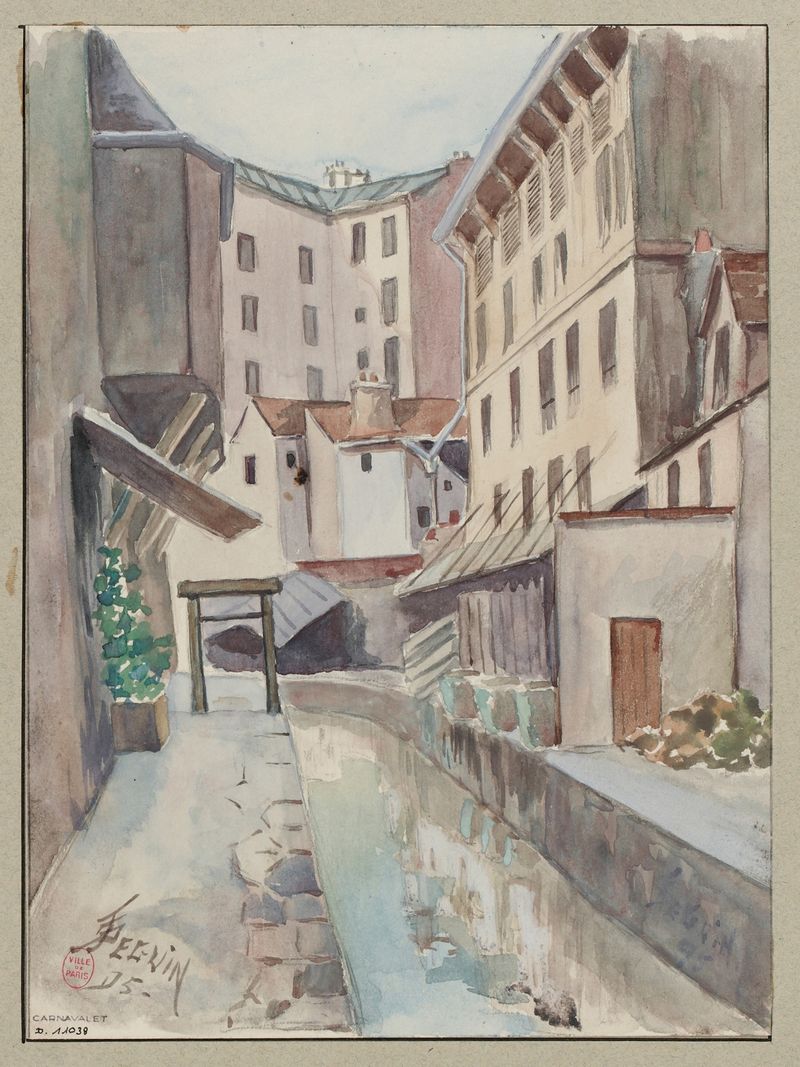
Le bord de la Bièvre à l’avenue des Gobelins
F. Séguin

Villa des Otages mur où furent fusillés les 52 derniers otages de la Commune, rue Haxo
F. Séguin
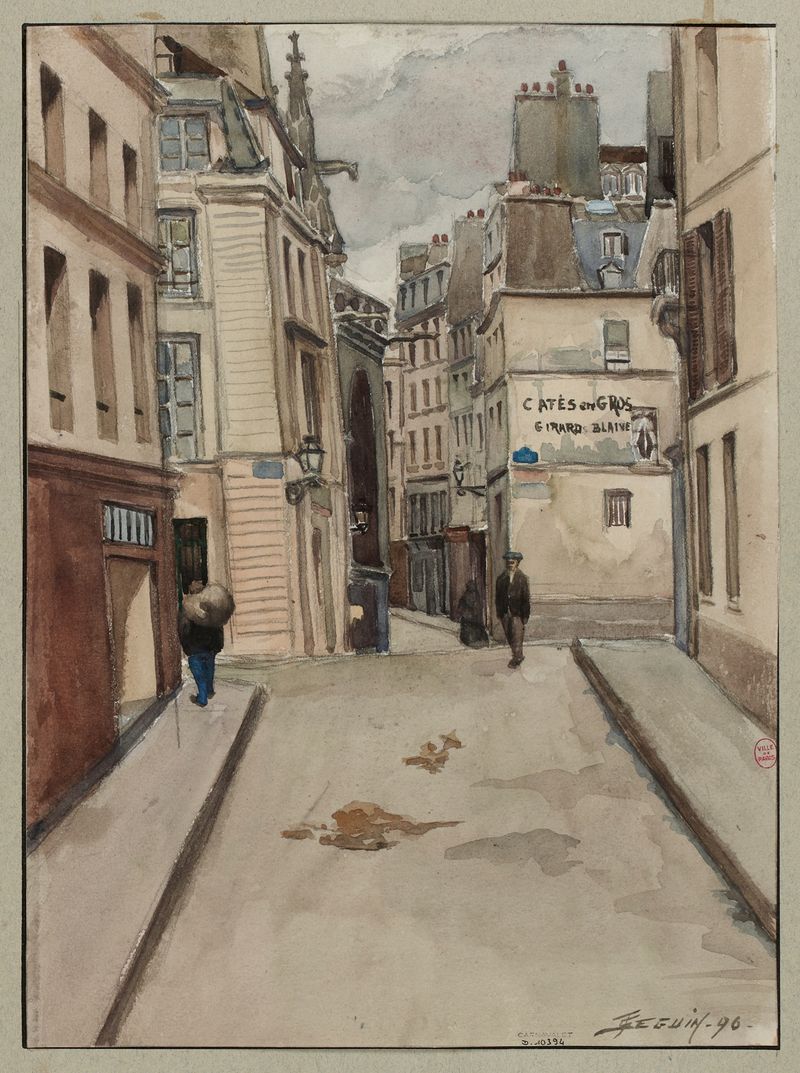
Rue du Cloître Saint Mérry, de la rue du Renard à la rue Saint Martin
F. Séguin
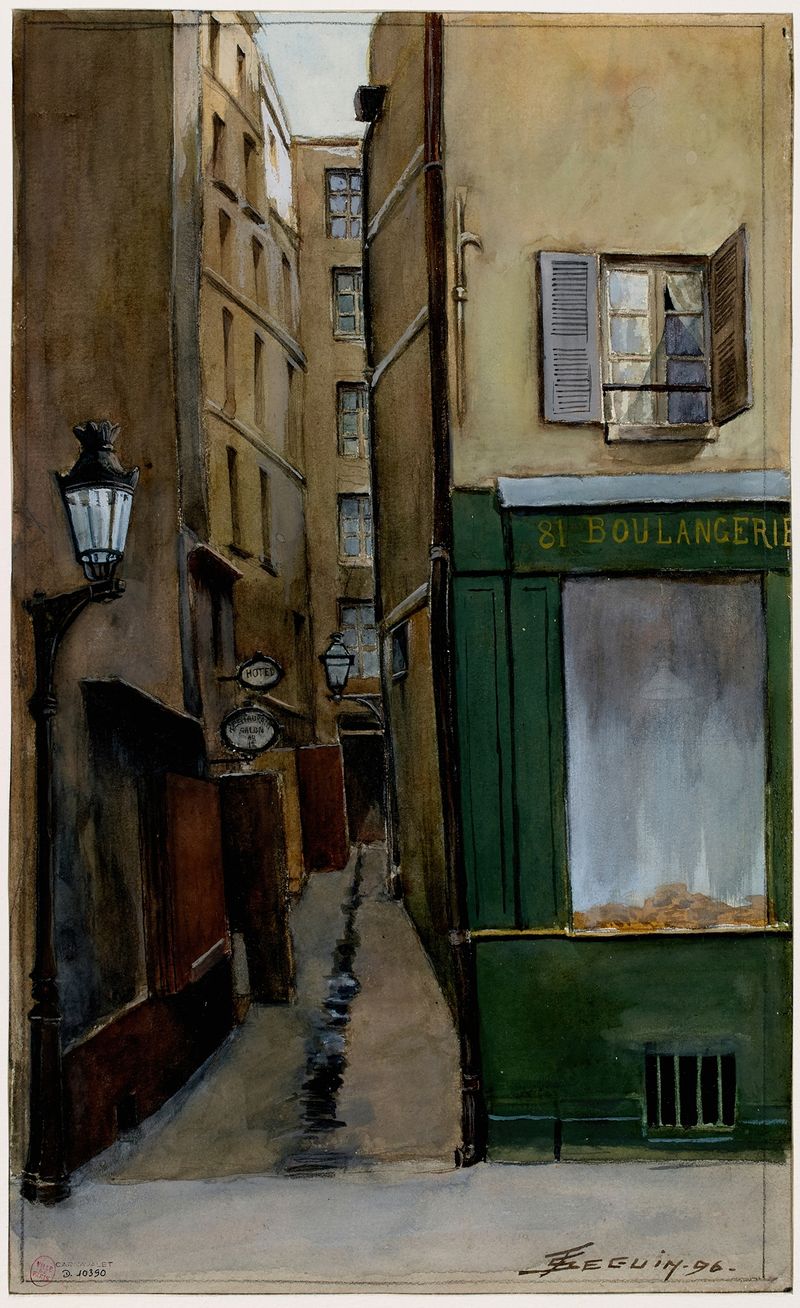
Cul de sac du Fiacre, 81 rue Saint Martin
F. Séguin
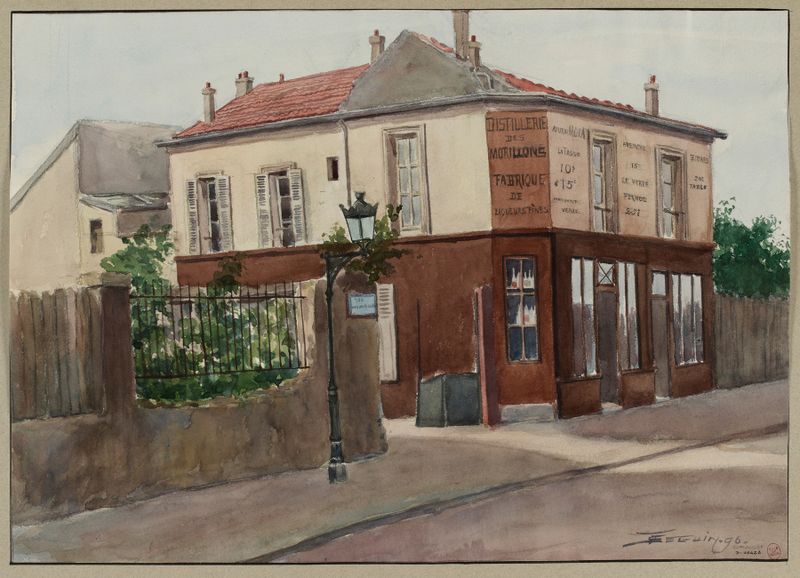
Angle de l’impasse Carlier et au 24 rue des Morillons, Vaugirard
F. Séguin
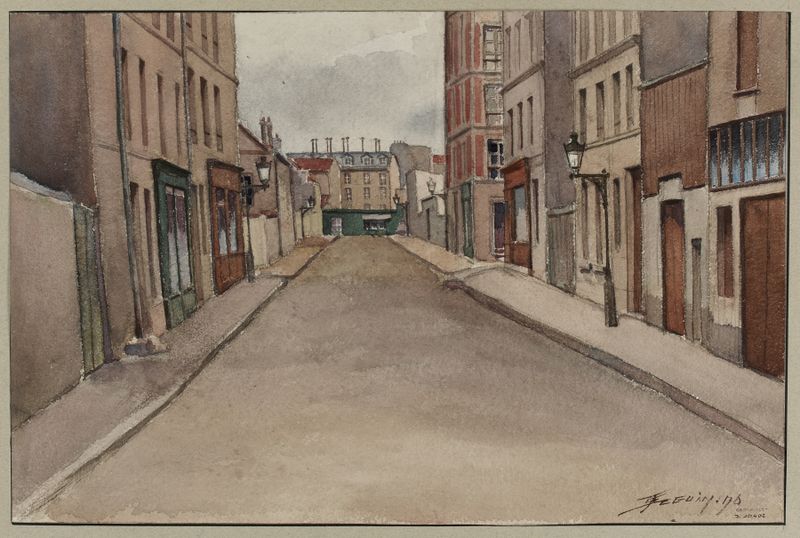
Rue Franquet
F. Séguin





