
La Vallée De L’yerres — History & Facts
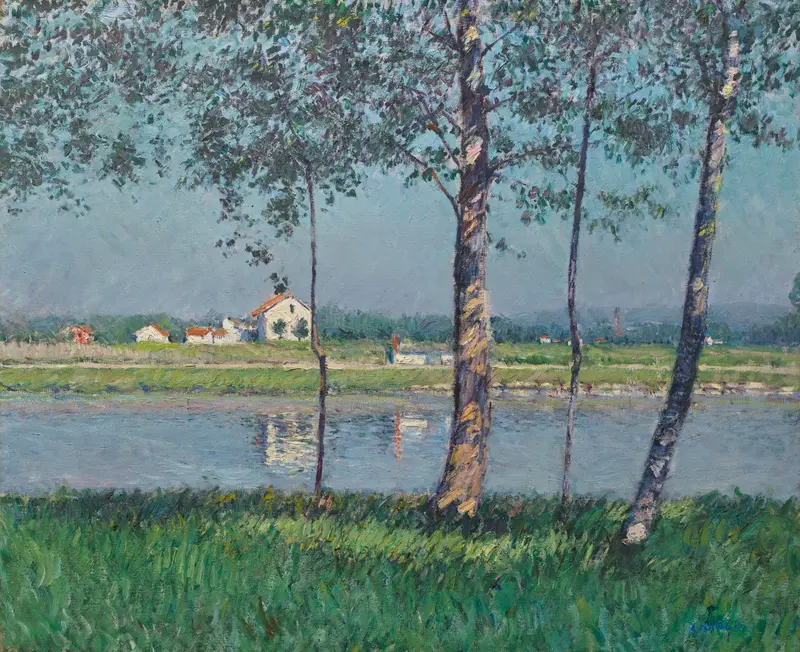
In La Vallée De L’yerres, Gustave Caillebotte presents a tranquil landscape filled with lush greenery and a serene river. The painting features a variety of greens, blues, and soft earth tones, creating a harmonious atmosphere. The figures in the foreground appear to be enjoying the natural surroundings, adding a sense of life to the scene.
The overall composition invites the viewer to immerse themselves in this peaceful setting. The painting is executed in oil on canvas, showcasing Caillebotte's skill in blending colors and capturing light. The brushwork is loose and fluid, characteristic of the Impressionist style, allowing for a sense of movement in the foliage and water. Viewers can observe the way light dances on the surface of the river, reflecting the surrounding landscape.
The dimensions of the work are approximately 73 x 92 cm, making it a sizable piece that commands attention. Gustave Caillebotte was a key figure in the Impressionist movement, known for his unique perspective on urban and rural life. This work, painted in the 1870s, reflects his interest in capturing the beauty of nature and the everyday moments of life. An interesting fact about La Vallée De L’yerres is that it highlights Caillebotte's ability to blend realism with impressionistic techniques, creating a bridge between the two styles.
Today, this painting is housed in the Musee d'Orsay, a fitting location for such an important work.
More Artworks by Gustave Caillebotte
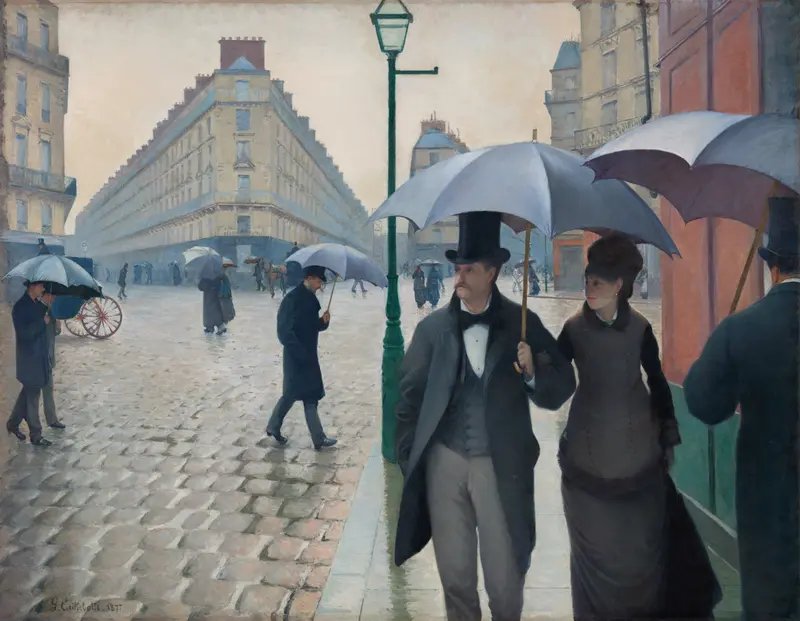
Paris Street; Rainy Day
Gustave Caillebotte
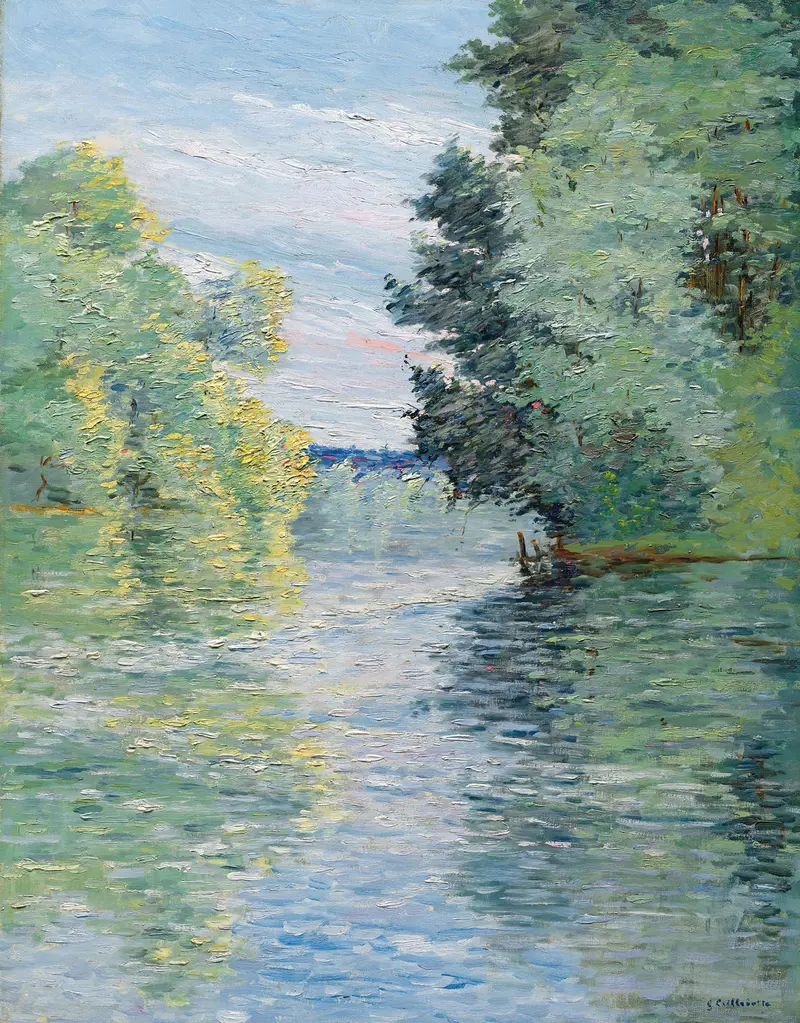
Le Petit bras de la Seine à Argenteuil
Gustave Caillebotte

La Vallée De L’yerres
Gustave Caillebotte
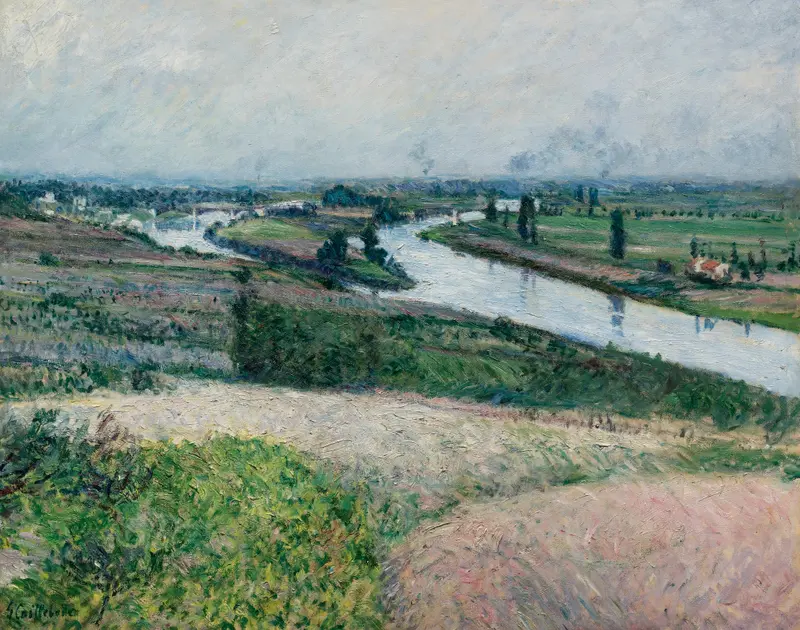
La Seine À La Pointe D’epinay
Gustave Caillebotte
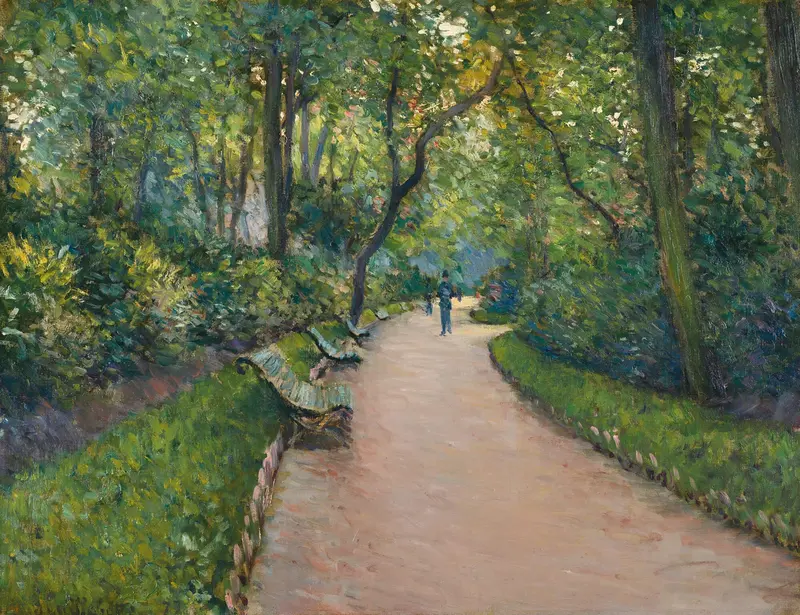
Le Parc Monceau
Gustave Caillebotte
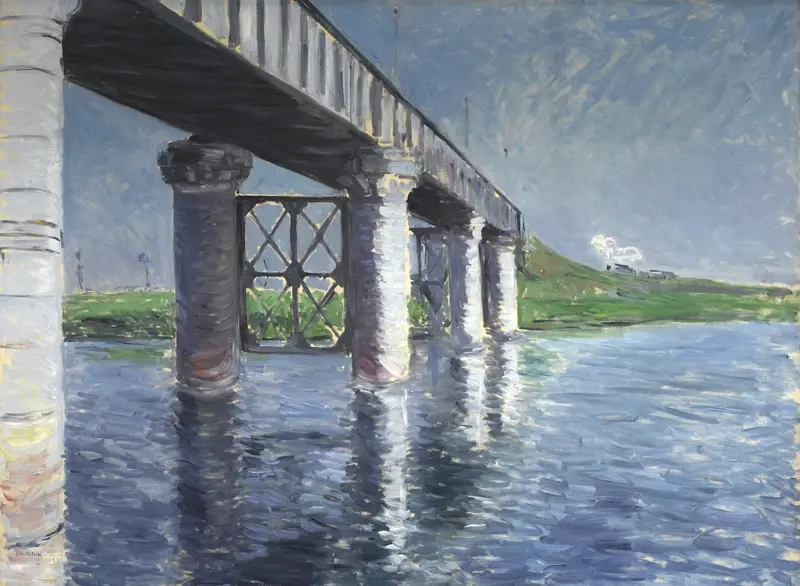
The Seine and the Railroad Bridge at Argenteuil
Gustave Caillebotte
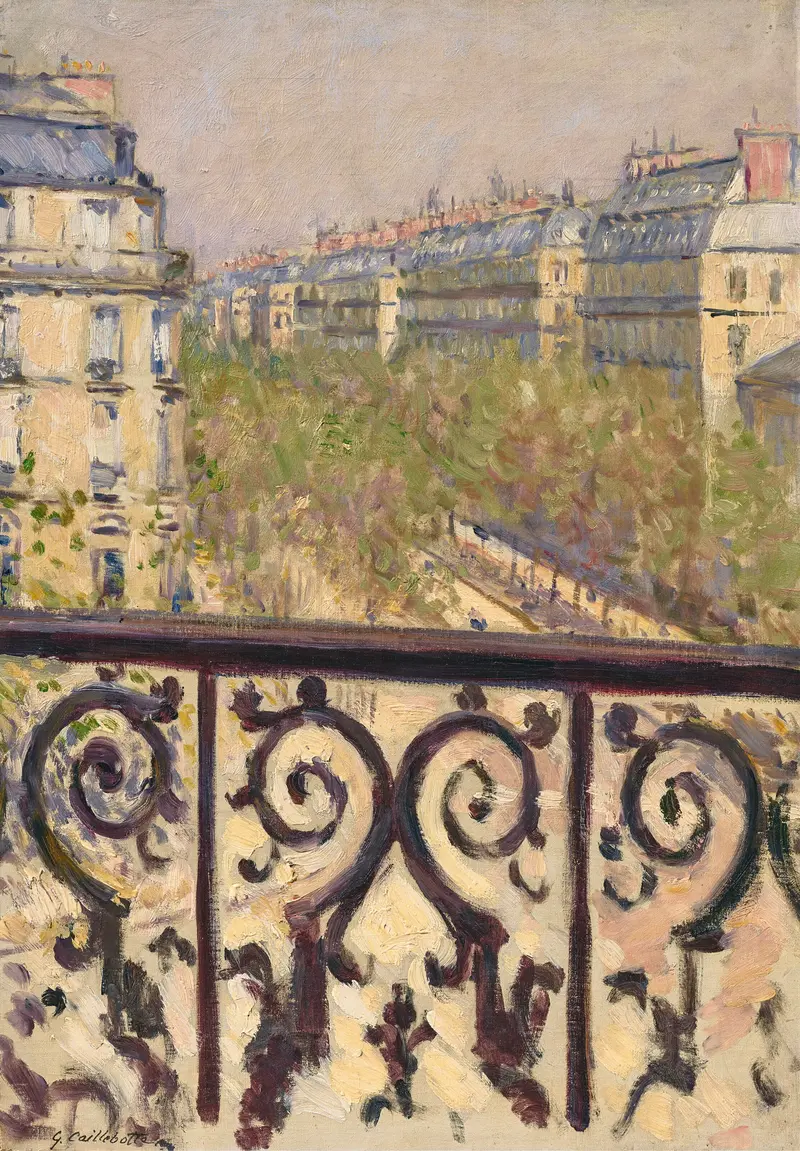
Un Balcon, Boulevard Haussmann
Gustave Caillebotte
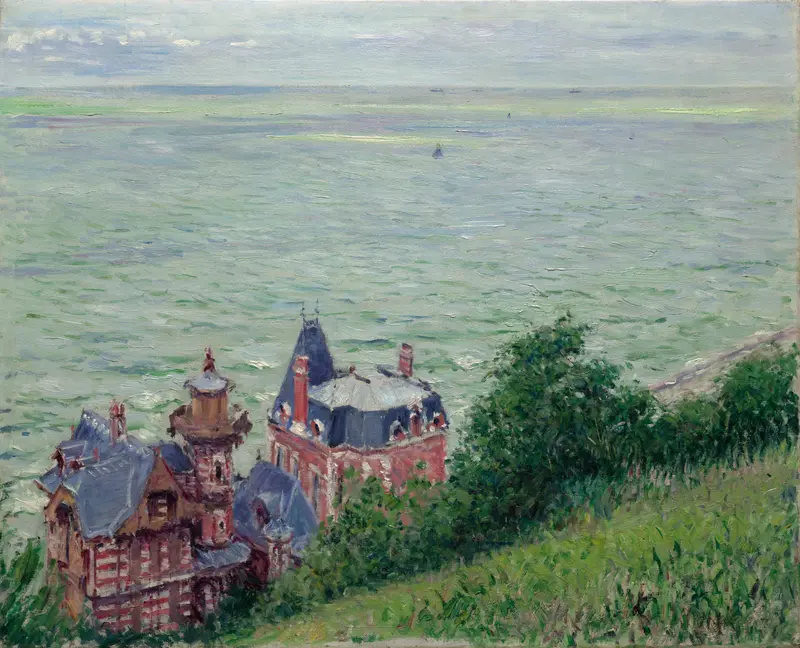
Villas at Trouville
Gustave Caillebotte
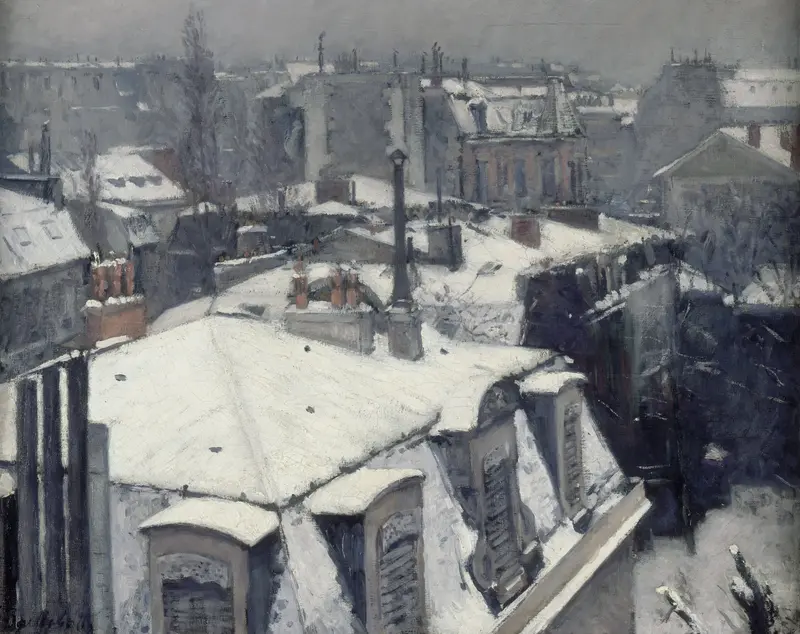
Rooftops in the Snow (Snow Effect)
Gustave Caillebotte
Rive de la Seine au Petit-Gennevilliers
Gustave Caillebotte
More Landscape Art

The Starry Night
Vincent van Gogh

View of Delft
Johannes Vermeer

Water Lilies
Claude Monet

The Grand Canal, Venice, looking north-west from the Ca' Corner to the Ca' Contarini degli Scrigni, with the campanile of Santa Maria della Carità
Canaletto

Windsor Castle
Canaletto

The Grand Canal looking North-East from the Palazzo Dolfin-Manin to the Rialto Bridge
Canaletto