
La vanne — History & Facts
Is this a mirror — or a memory? The question lingers in the air, inviting us to explore the boundary between reality and nostalgia. Focus first on the central figure, draped in delicate fabrics that both shimmer and absorb light. The soft palette, dominated by hues of gentle blues and earthy browns, creates a serene backdrop, urging the viewer's gaze to linger. Notice how the subtle brushstrokes evoke depth, drawing you into the layers of fabric and the play of shadows across the skin.
Each fold tells a story, each shadow a whisper, as if the very essence of the moment is captured just before it slips away. The juxtaposition of clarity and ambiguity invites contemplation: is the figure lost in reverie, or is she confronting the viewer with her gaze? The contrast between the vibrant foreground and the muted background suggests a world both intimate and distant, where the subject exists beyond the confines of her own reflection. This tension reveals a deeper exploration of identity and the passage of time, bridging the gap between who we are and who we remember ourselves to be. In 1914, when this work was created, Armand Apol was immersed in the dynamic art scene of Belgium, grappling with the onset of World War I. As modernism began to challenge traditional forms, he sought to blend realism with emotional depth.
The tumult of the world outside is palpably absent here, instead replaced by a contemplative stillness that reflects both personal and collective introspection, capturing a moment that resonates across time.
More Artworks by Armand Apol
Browse all →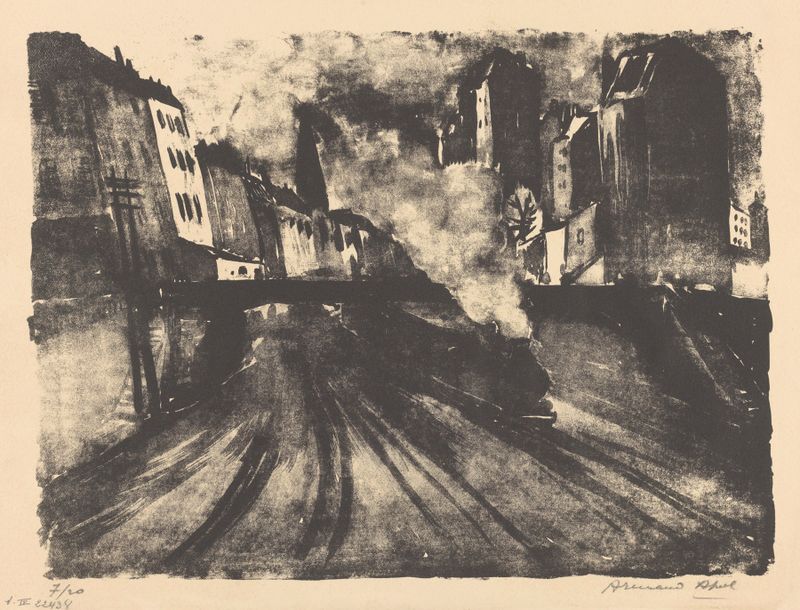
Chemin de fer de ceinture à Paris
Armand Apol
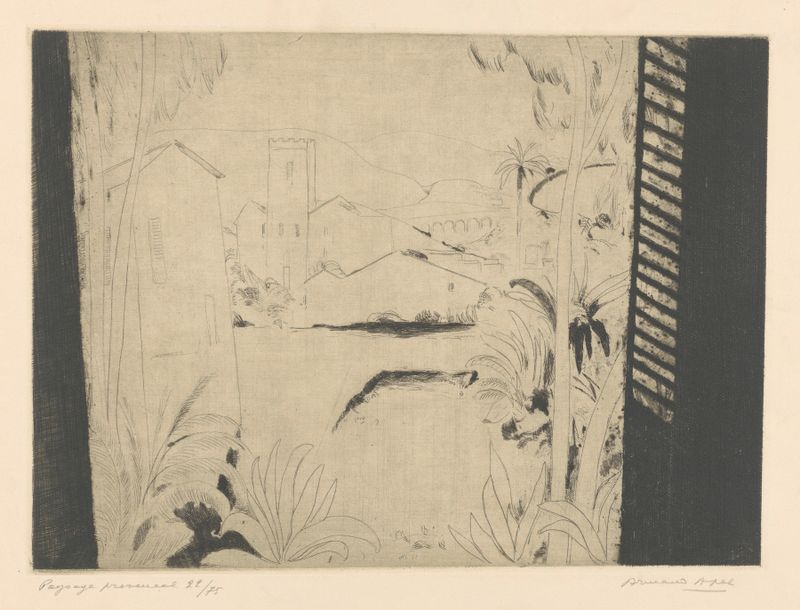
Paysage provençal
Armand Apol
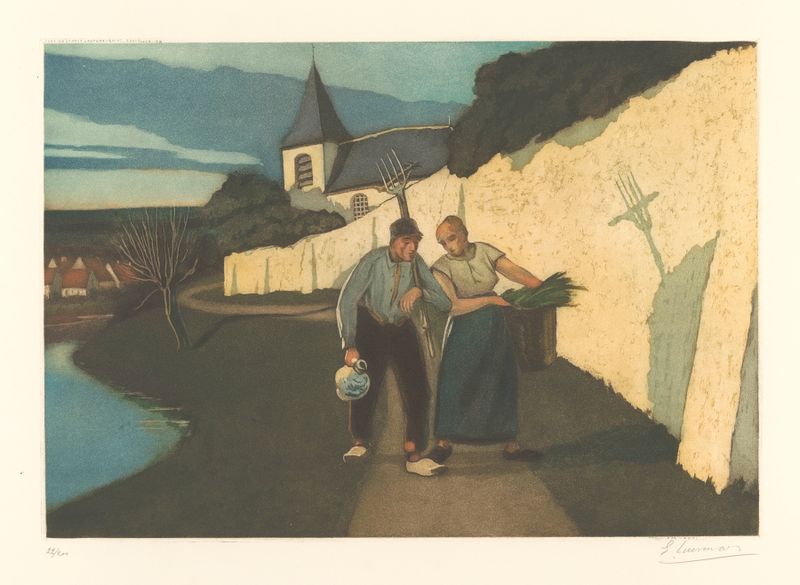
Retour des champs
Armand Apol
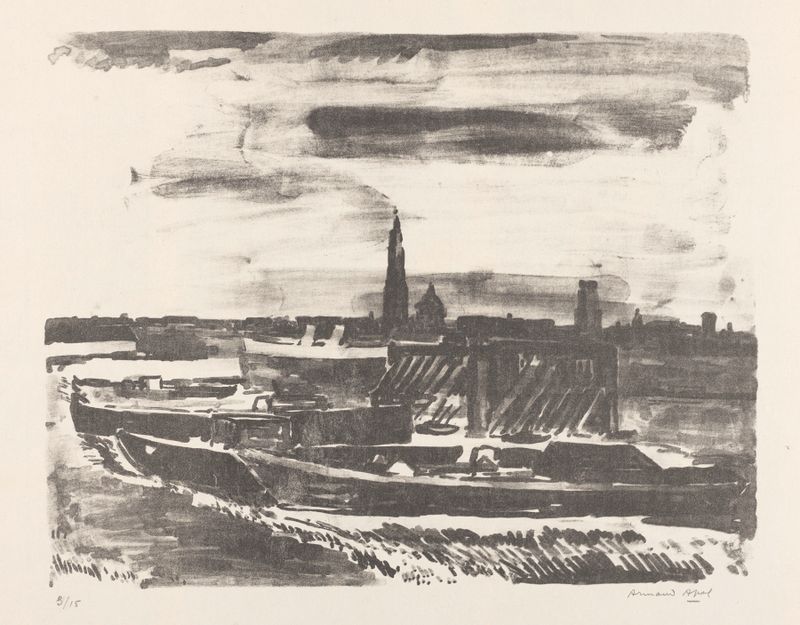
Bateaux à quai à Anvers
Armand Apol
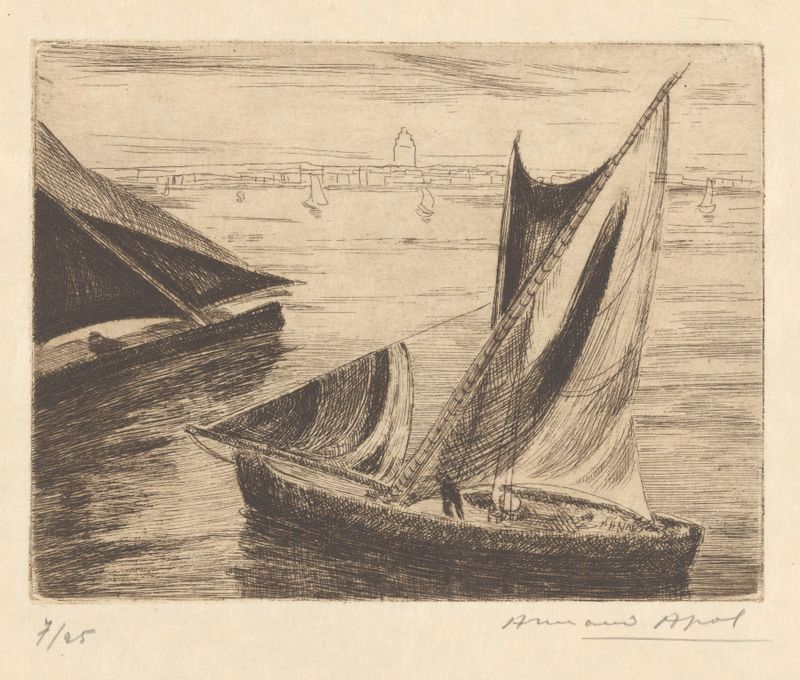
Marseille. Tartanes
Armand Apol
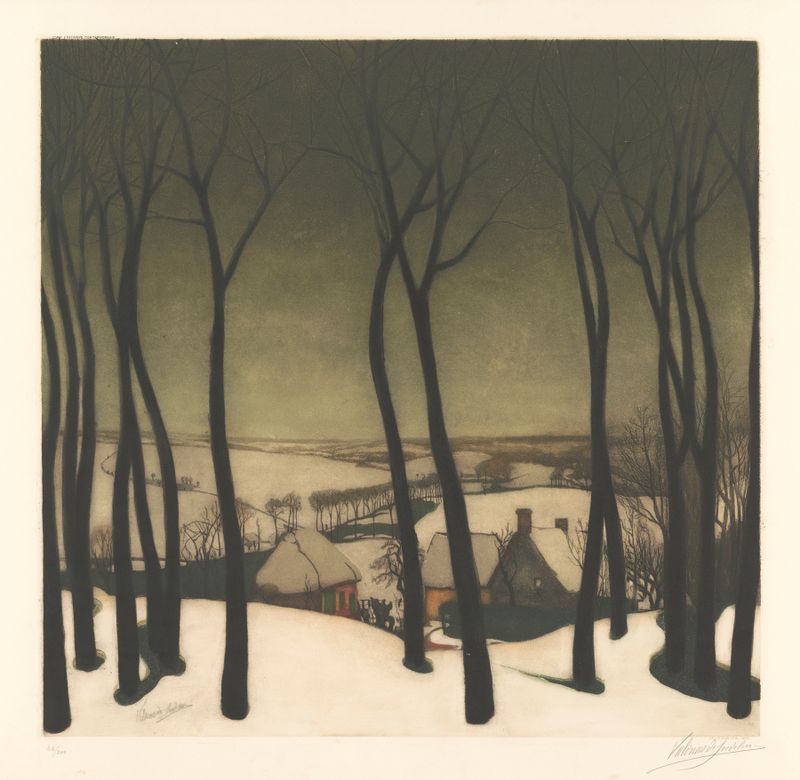
Paysage
Armand Apol
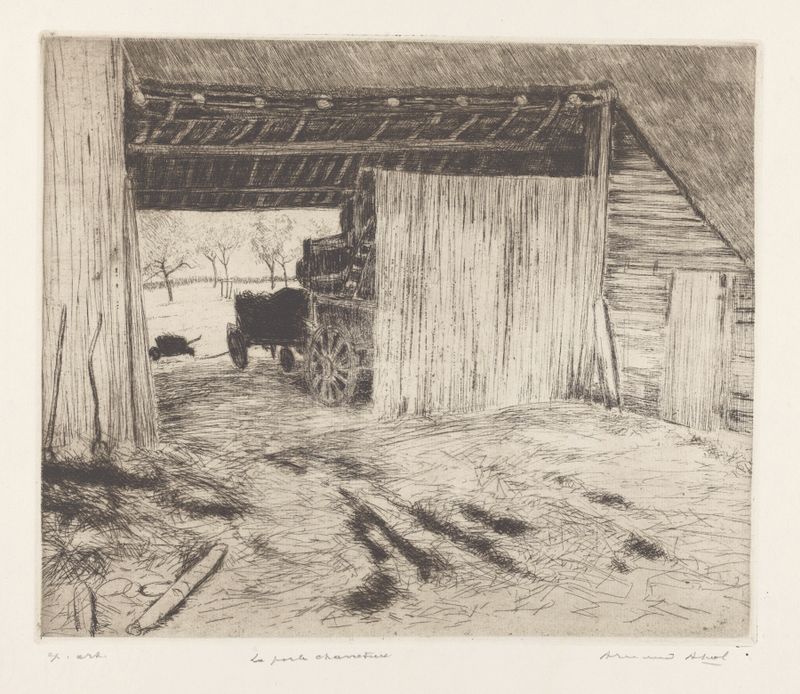
La porte charretière
Armand Apol
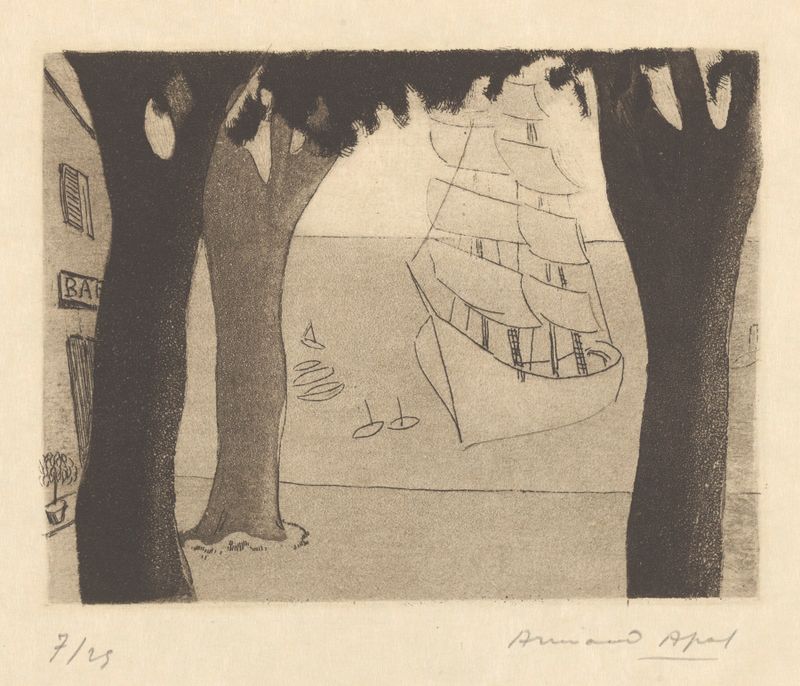
Cassis. Vue sur le port
Armand Apol
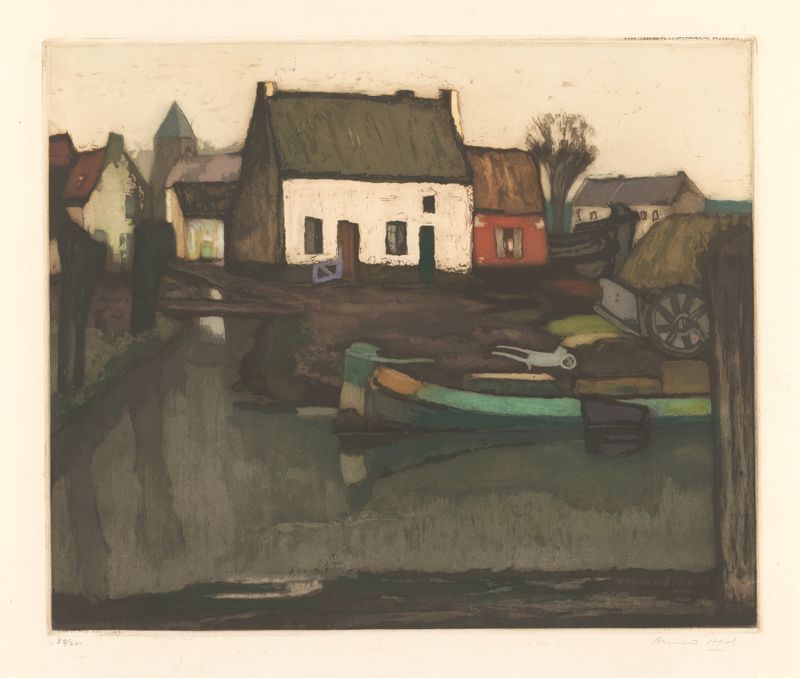
Bord du canal
Armand Apol
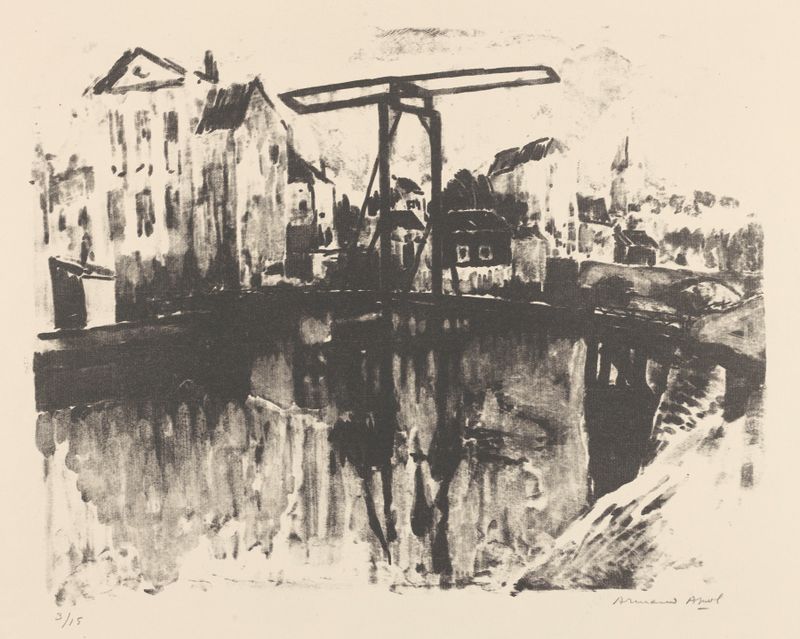
Pont basculant dans une ville
Armand Apol





