
Laatste avondmaal — History & Facts
Who listens when art speaks of silence? In Laatste avondmaal, the stillness of the moment invites contemplation and transformation, urging viewers to reflect on the profound depths hidden within its intricate details. Look to the center of the composition, where an ethereal light bathes the figures gathered around the table. Notice how each individual is rendered with a distinctive gesture, emblematic of their emotional state — some appear contemplative, others anxious, and a few resigned. The artist employs a rich palette of muted tones, allowing the gold accents of the tableware to shine, drawing your eye to the sacramental bread and wine.
The careful arrangement of the figures leads the viewer’s gaze around the tableau, revealing the layered complexity of human interaction. Delve deeper into the subtle contrasts presented in the work. The tension between the joyous celebration of communion and the looming shadow of betrayal resonates powerfully, embodying the duality of human nature. The expressions captured on each face reflect a narrative of anticipation and foreboding, preparing the observer for the transformation that the moment signifies — the shift from fellowship to sacrifice.
Each detail, from the delicate folds of clothing to the interplay of light and shadow, contributes to a profound dialogue about faith and doubt. Lucas van Leyden painted Laatste avondmaal in 1521 during a period marked by religious turmoil and artistic innovation in Europe. Working in his native Leiden, he was deeply influenced by both Northern Renaissance humanism and the emerging Reformation. This context not only shaped his artistic style but also infused his work with themes of moral complexity and a quest for spiritual truth, reflecting the struggles of a society on the brink of transformation.
More Artworks by Lucas van Leyden
Browse all →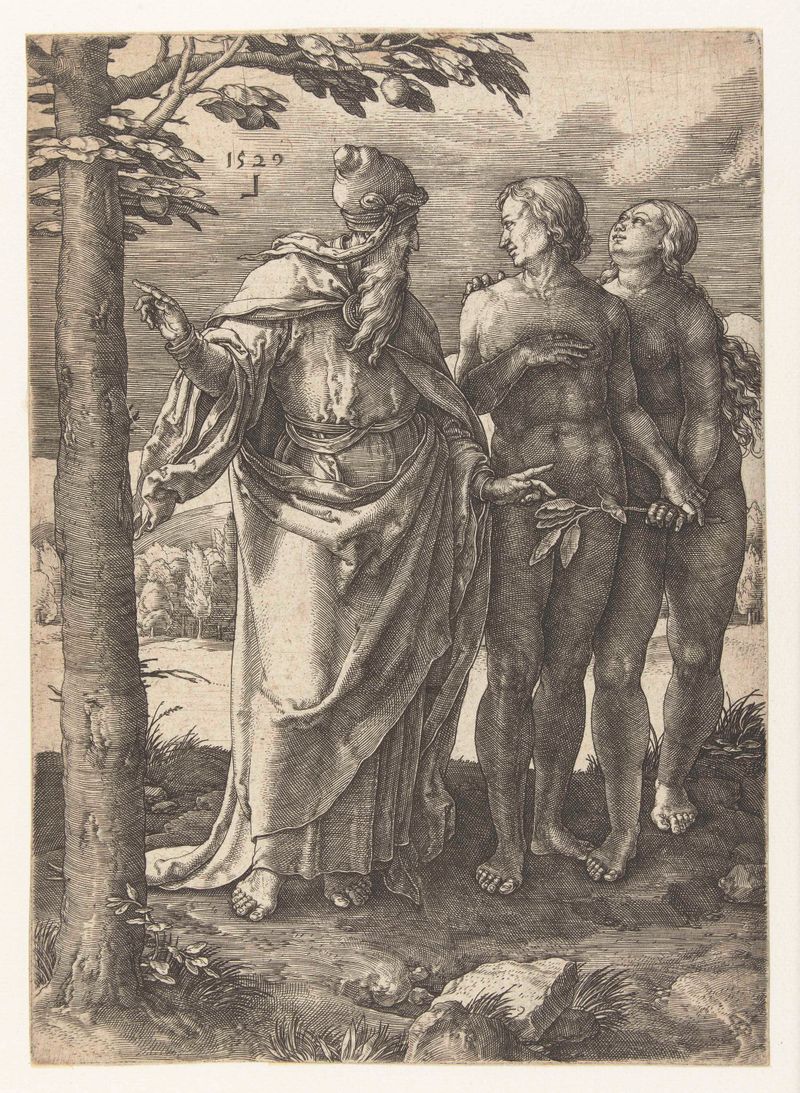
Het eerste verbod
Lucas van Leyden
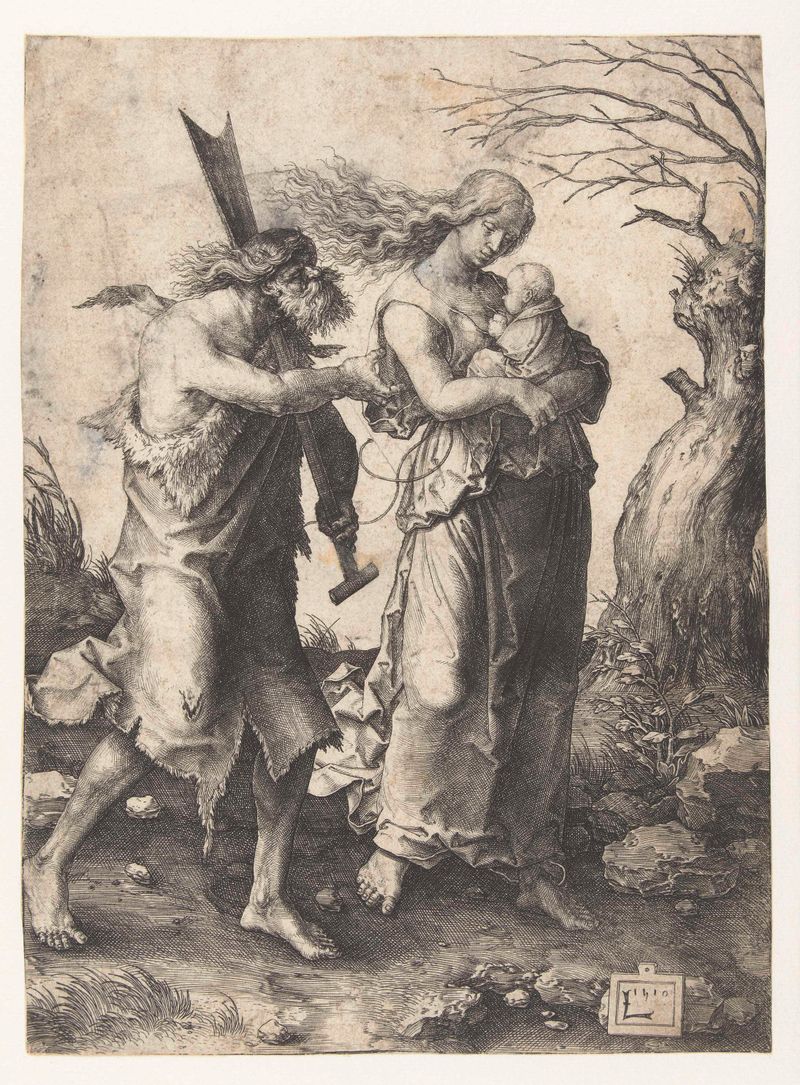
Adam en Eva na de verdrijving uit het paradijs
Lucas van Leyden
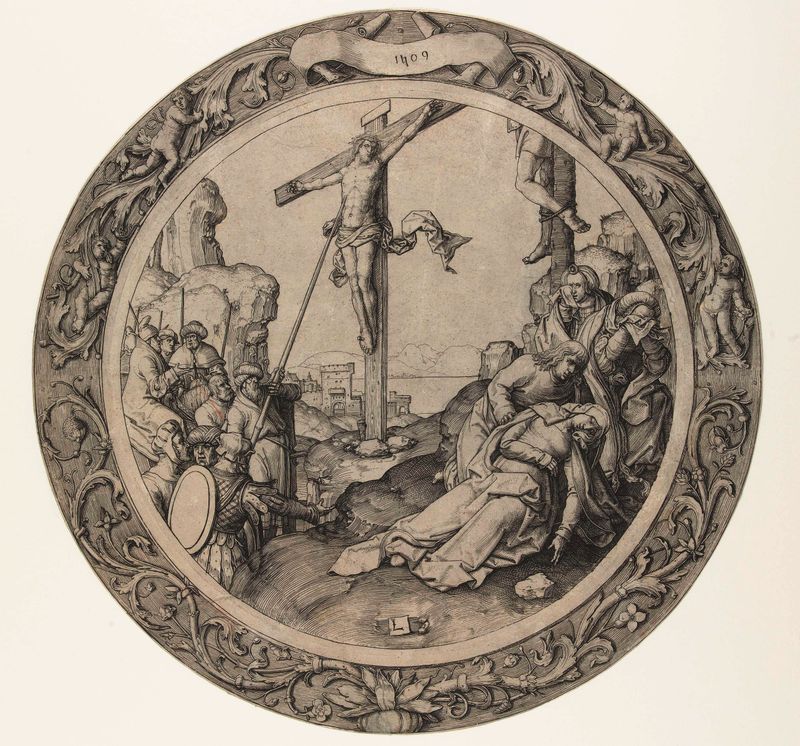
De kruisiging
Lucas van Leyden
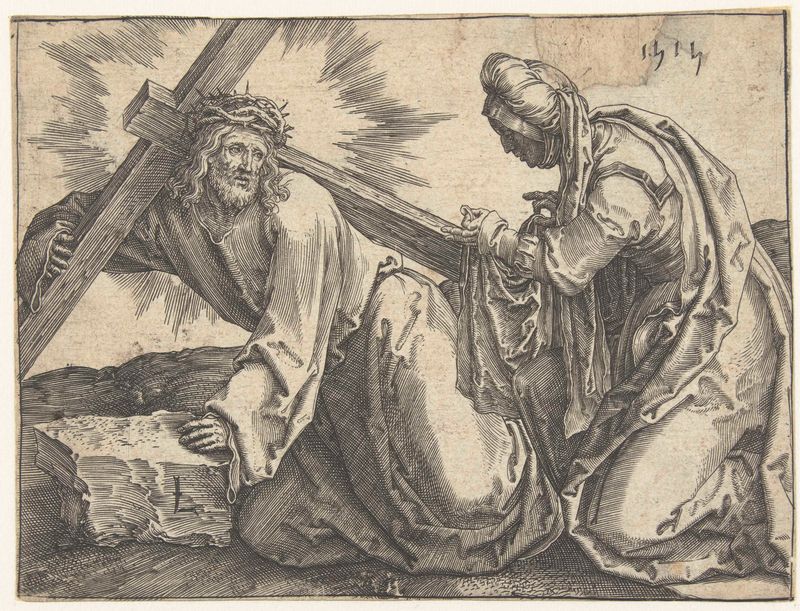
Kruisdraging
Lucas van Leyden
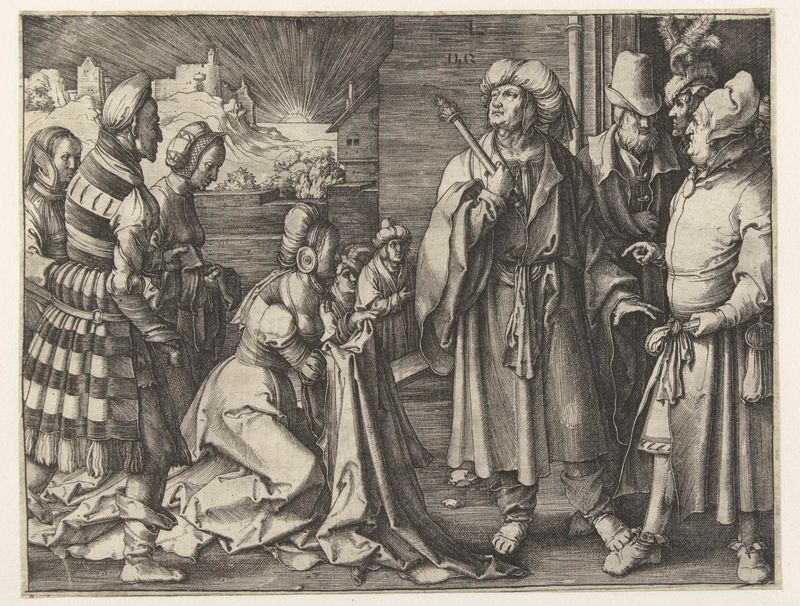
De vrouw van Potifar beschuldigt Jozef
Lucas van Leyden
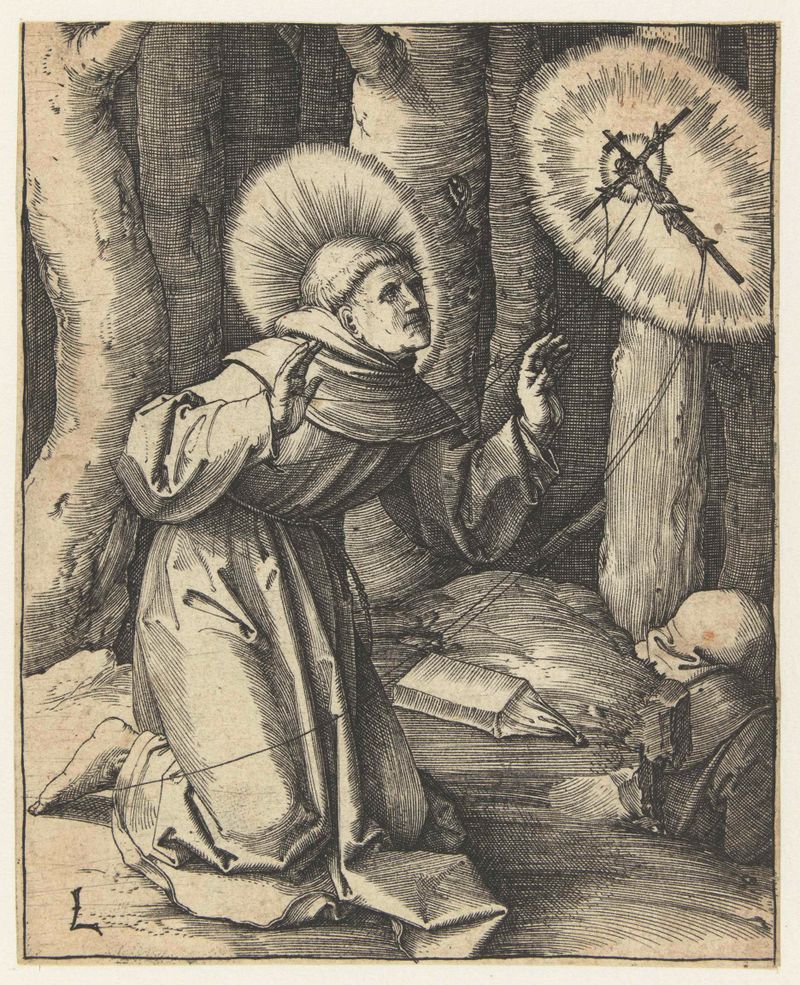
De stigmatisatie van de heilige Franciscus
Lucas van Leyden
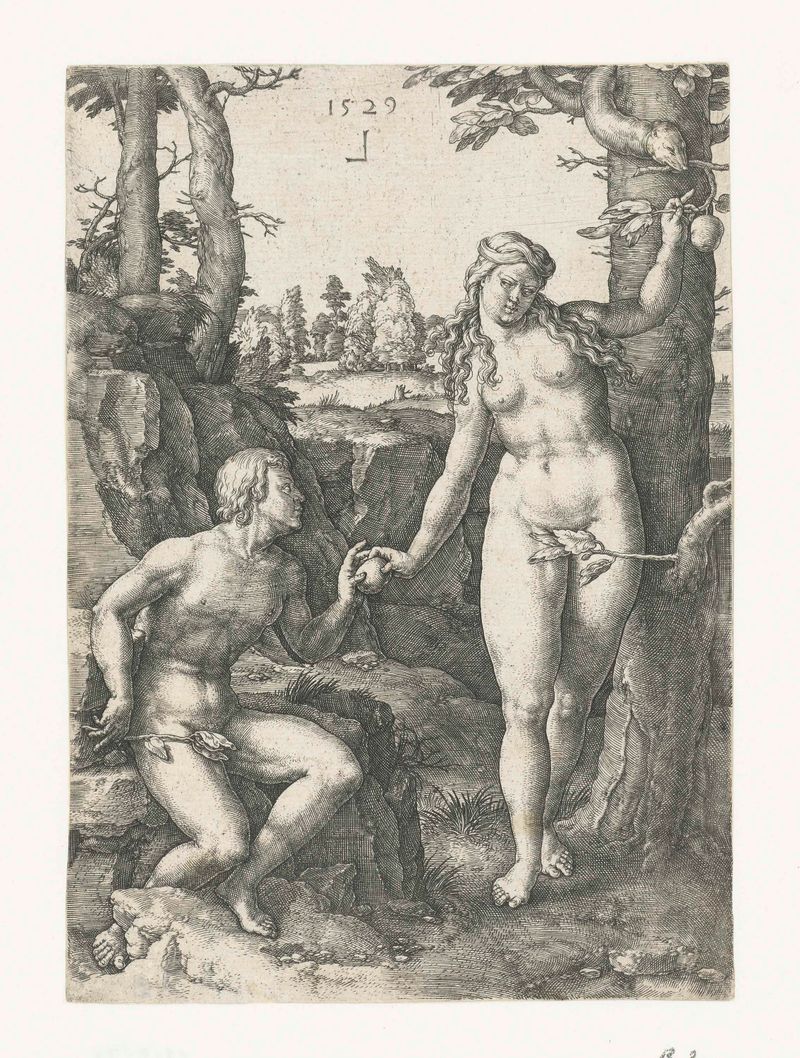
De zondeval
Lucas van Leyden
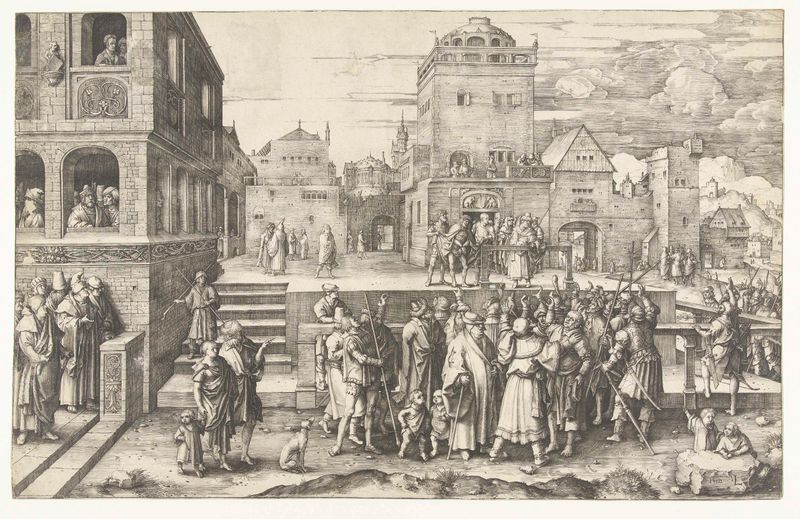
De grote Ecce Homo
Lucas van Leyden
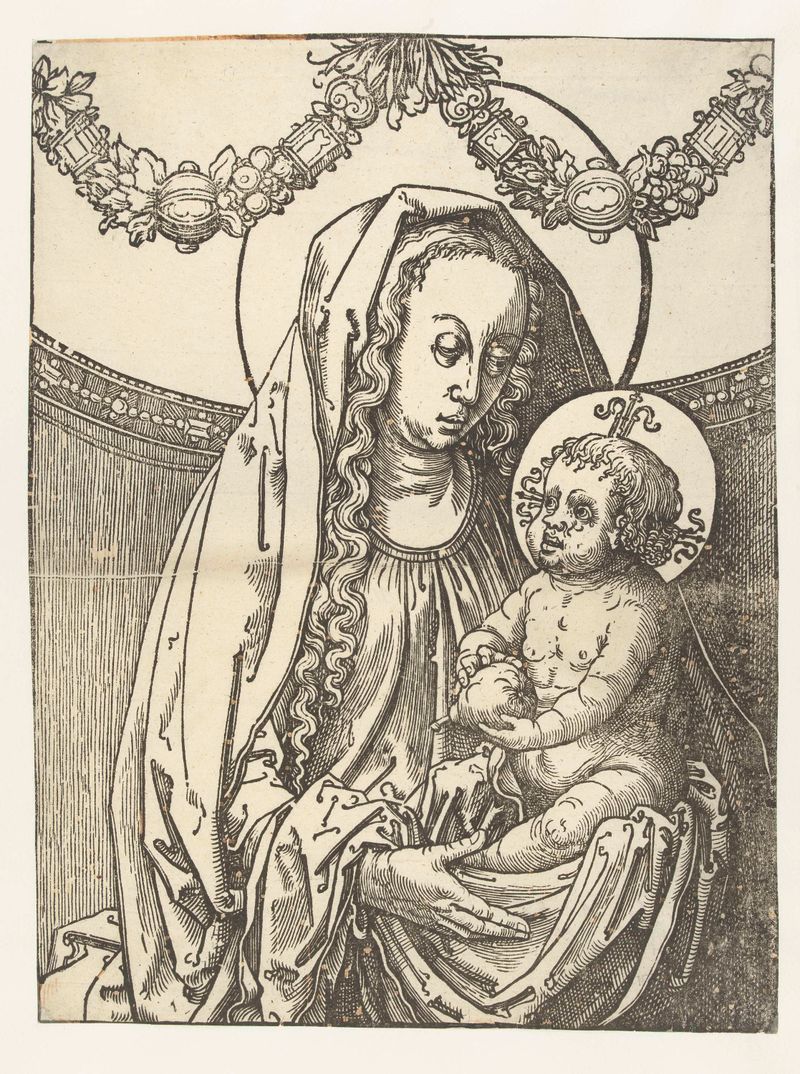
Maria met kind
Lucas van Leyden

Doornenkroning
Lucas van Leyden
More Religious Art
Browse all →
The Return of the Prodigal Son
Rembrandt van Rijn

The Garden of Earthly Delights
El Bosco

Count Orgaz’ funeral
El Greco

The Hundred Guilder Print: the central piece with Christ preaching, the plate arched
Rembrandt van Rijn

The Descent from the Cross
Rogier van der Weyden

The return of the prodigal son
Rembrandt van Rijn