
Laboureur dans un champ — History & Facts
In the golden hues of a sunlit field, nostalgia and toil intertwine, encapsulating the bittersweet essence of labor and the passage of time. Look to the center of the canvas, where the laborer bends low, fully immersed in the earth. His silhouette emerges against a backdrop of luminous golds and greens, the vibrant strokes of paint pulsating with life. Notice how the light bathes the field, creating dynamic contrasts that evoke both warmth and hardship, while the swirling brushwork conveys the physicality of his work and the emotional weight he bears. In this poignant depiction, the laborer symbolizes the universal human experience, a figure caught between aspiration and exhaustion.
The patch of untamed land surrounding him suggests a world both nurturing and unforgiving, reflecting the dual nature of agricultural life. Each brushstroke whispers of dedication and sacrifice, inviting the viewer to contemplate their own connection to the earth, to labor, and to the echoes of those who toiled before. Vincent van Gogh created this work in 1889 while living in the south of France, a period marked by intense emotional struggles and artistic evolution. Immersed in the vibrant colors of his surroundings, he sought to capture the raw beauty of rural life, reflecting both personal revelations and the broader shifts in post-impressionist art.
The simple act of farming transcends mere depiction, becoming a profound meditation on existence itself.
More Artworks by Vincent van Gogh
Browse all →
Starry Night
Vincent van Gogh

The Bedroom
Vincent van Gogh
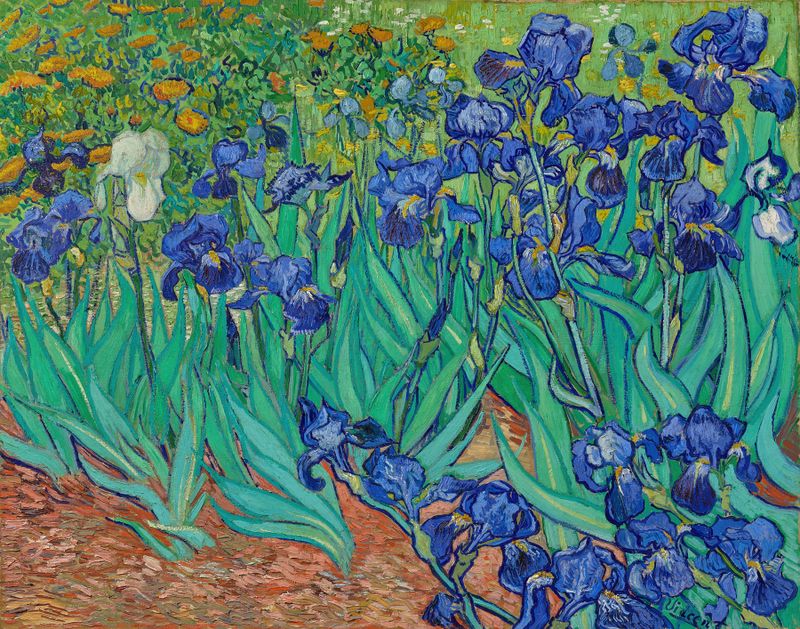
Irises
Vincent van Gogh
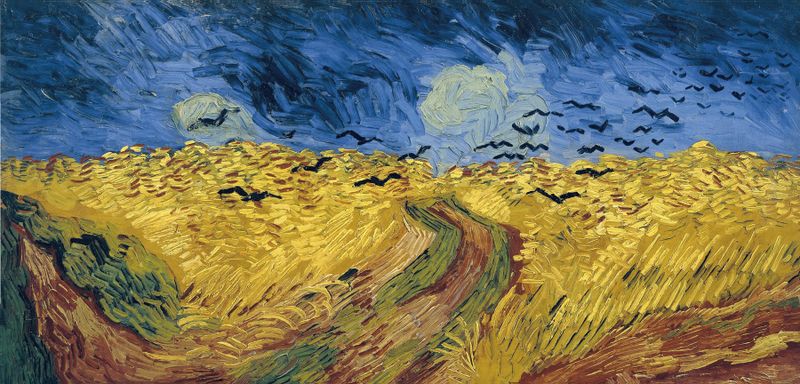
Wheatfield with Crows
Vincent van Gogh
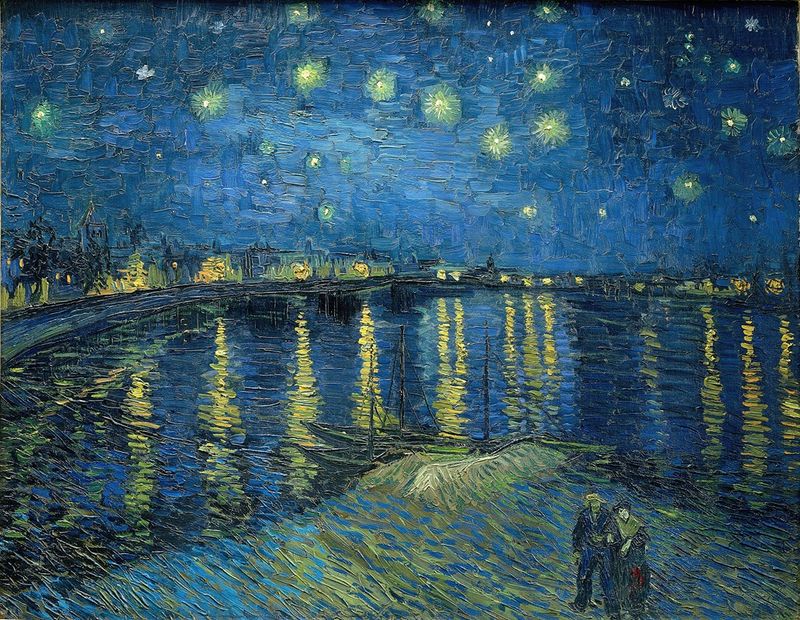
Starry Night over the Rhone
Vincent van Gogh

The yellow house
Vincent van Gogh
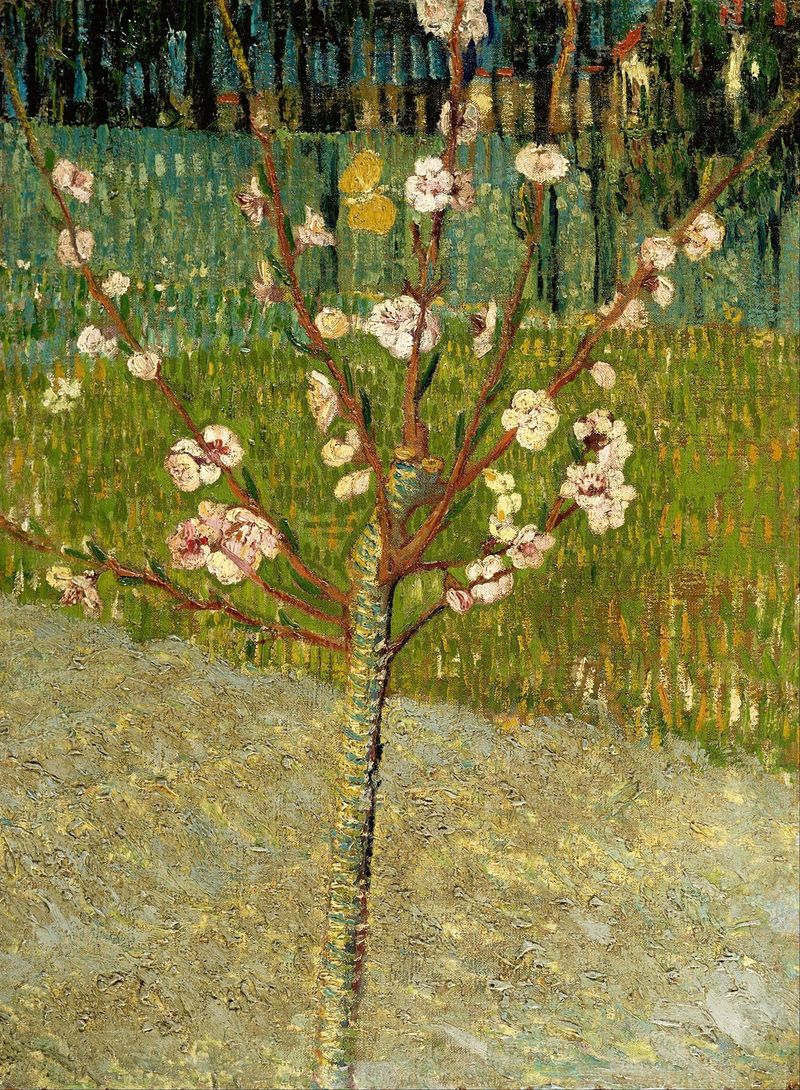
Almond tree in blossom
Vincent van Gogh

Portrait of Dr Gachet
Vincent van Gogh

The Church in Auvers-sur-Oise, View from the Chevet
Vincent van Gogh

Self-Portrait
Vincent van Gogh





