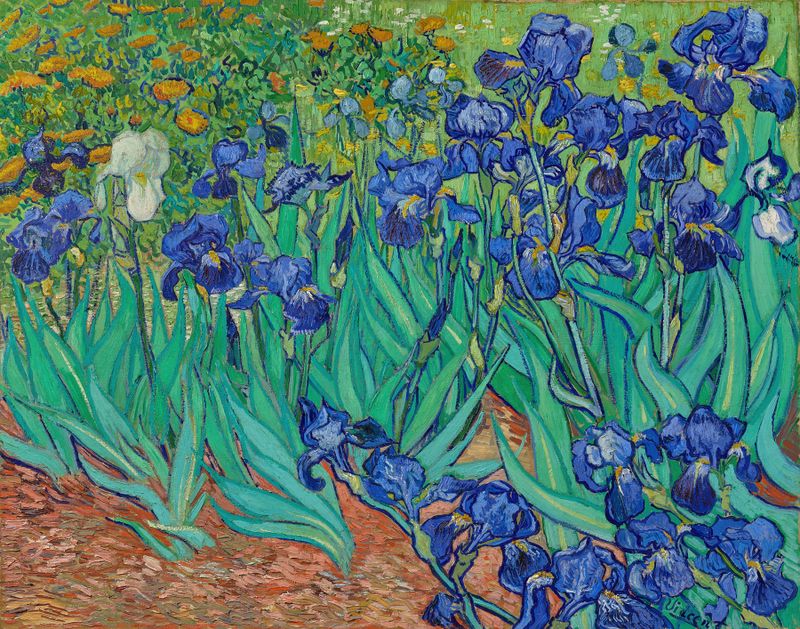
L’acacia — History & Facts
Can beauty exist without sorrow? In L’acacia, vibrant hues swirl together, crafting a landscape where joy meets the melancholy of fleeting moments. The colors pulse with life, yet whisper secrets of underlying sadness, inviting the viewer to ponder the complexity of existence. Look to the center of the canvas, where the acacia stands tall, its golden blossoms capturing the sun's warmth. Notice how the brushstrokes create a dance of light and shadow, the interplay rendering an almost three-dimensional depth.
The surrounding landscape, with its rich blues and greens, complements the acacia, heightening its significance. Each color choice feels deliberate, positioning the tree as both a focal point and a poignant metaphor. Beyond the immediate visual appeal, the painting reflects a duality — the acacia's beauty suggests resilience and vitality, yet its solitary stance hints at isolation. The joyful blooms may signify hope, while the darker undertones remind us of life's transience.
This tension creates a rich emotional landscape, evoking a sense of longing that resonates deeply with the viewer's own experiences. In 1888, Ensor was living in Ostend, Belgium, grappling with his identity as an artist amid a shifting art world. The late 19th century was marked by the rise of Impressionism and Post-Impressionism, movements that challenged traditional forms and practices. During this period, he began to explore color and symbolism, breaking away from his earlier, more straightforward works to delve into the complexities of human emotion and perception.
More Artworks by James Ensor
Browse all →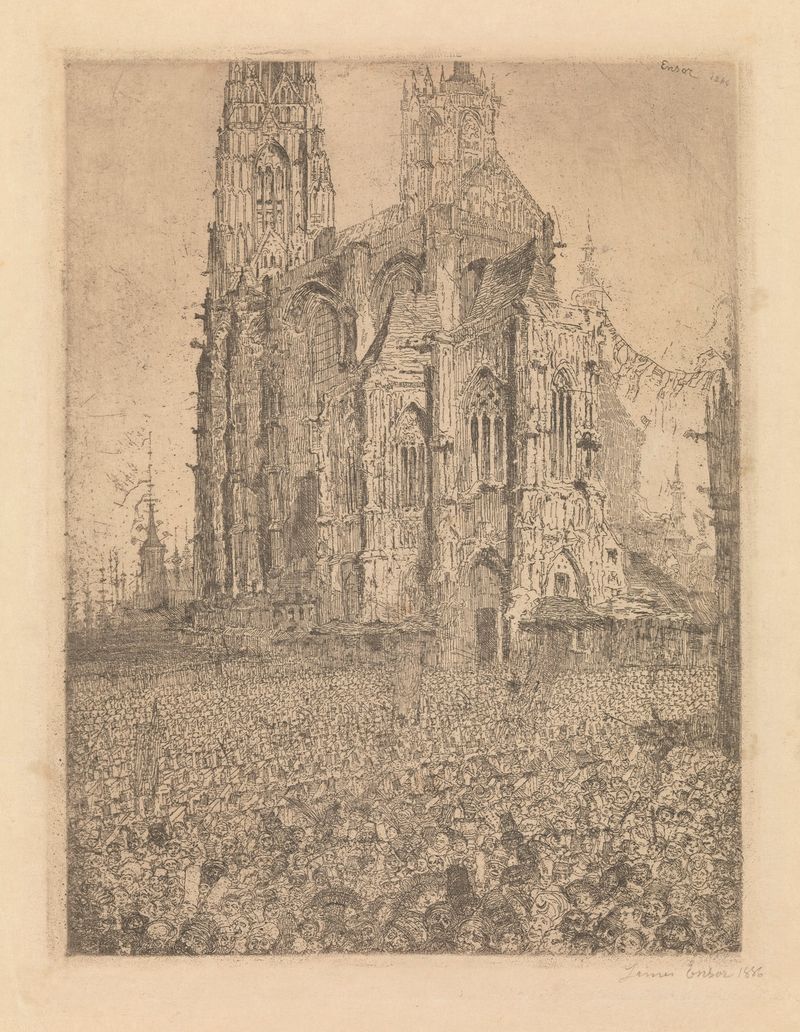
The Cathedral
James Ensor
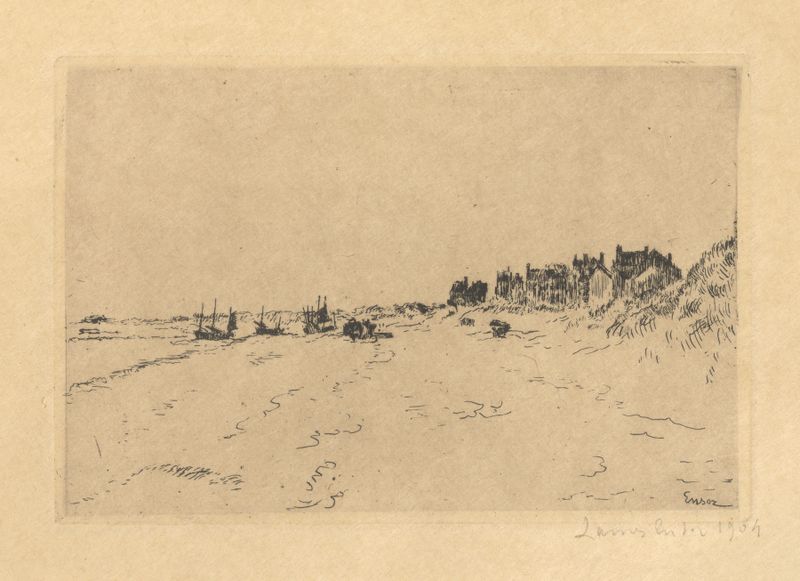
Het strand van De Panne
James Ensor
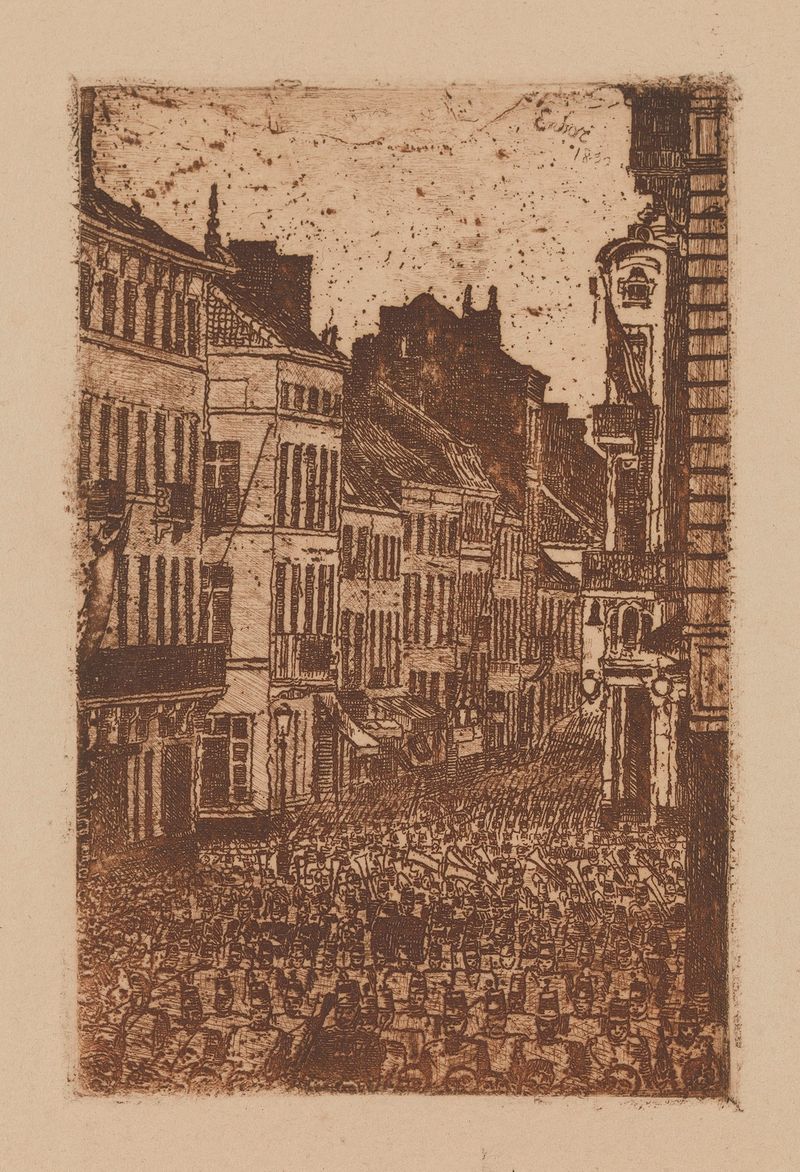
The Music in the rue de Flandre, Ostend
James Ensor
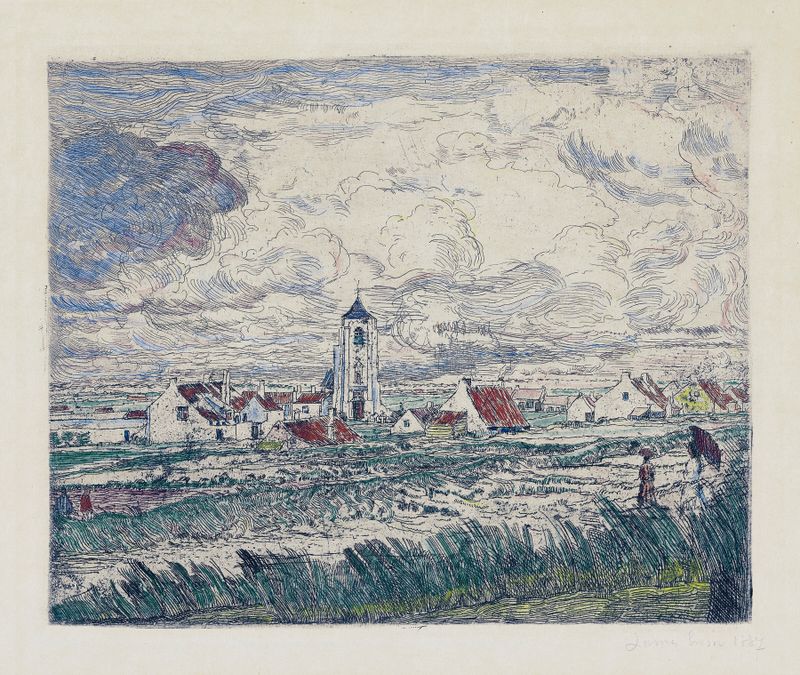
Grande vue de Mariakerke
James Ensor
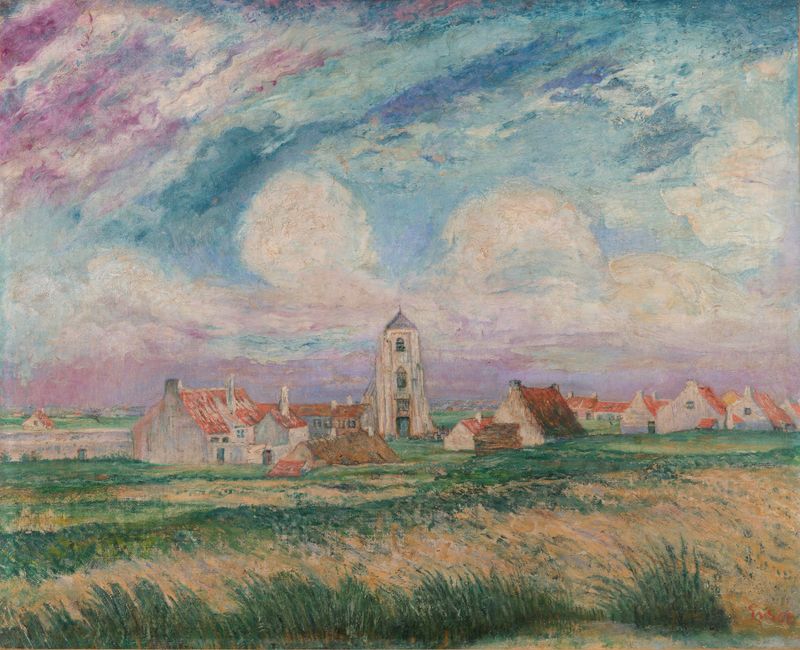
View of Mariakerke
James Ensor
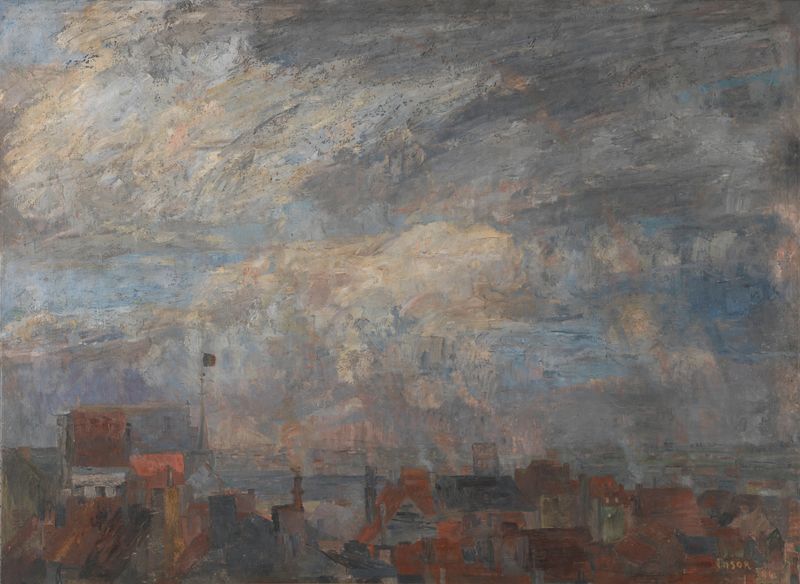
The Rooftops of Ostend
James Ensor
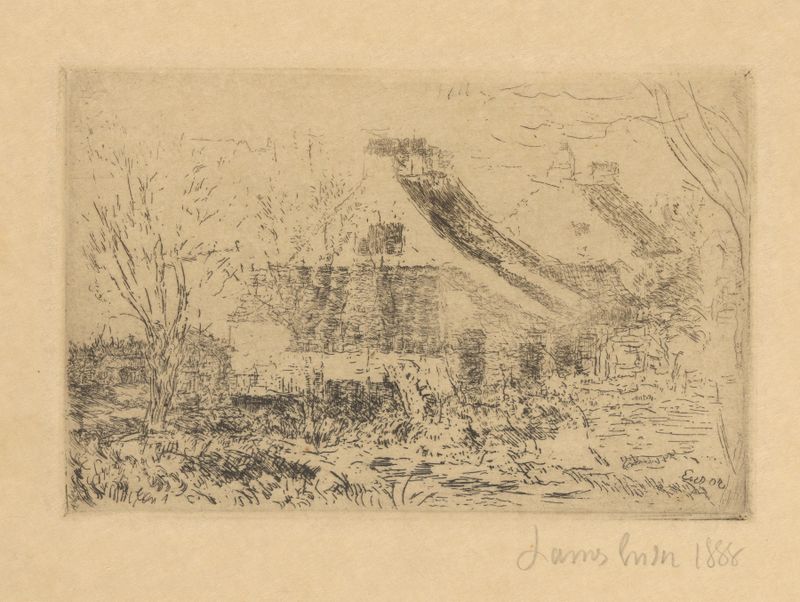
Huisjes in Mariakerke
James Ensor
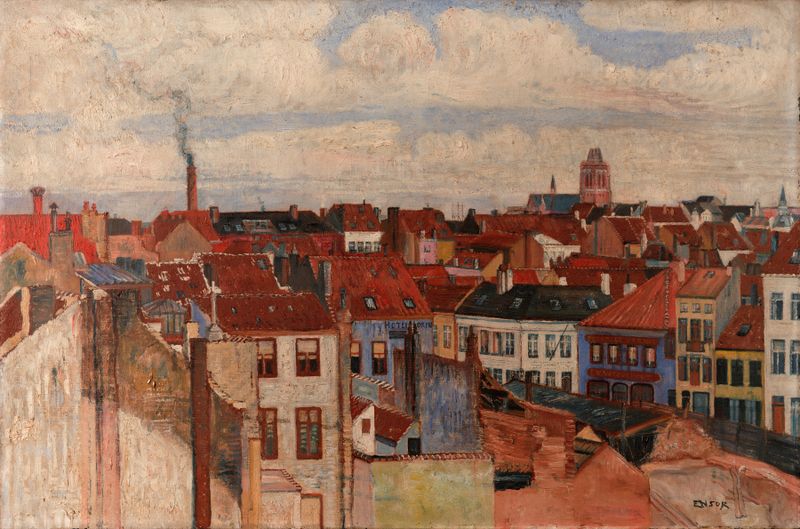
The rooftops of Ostend
James Ensor
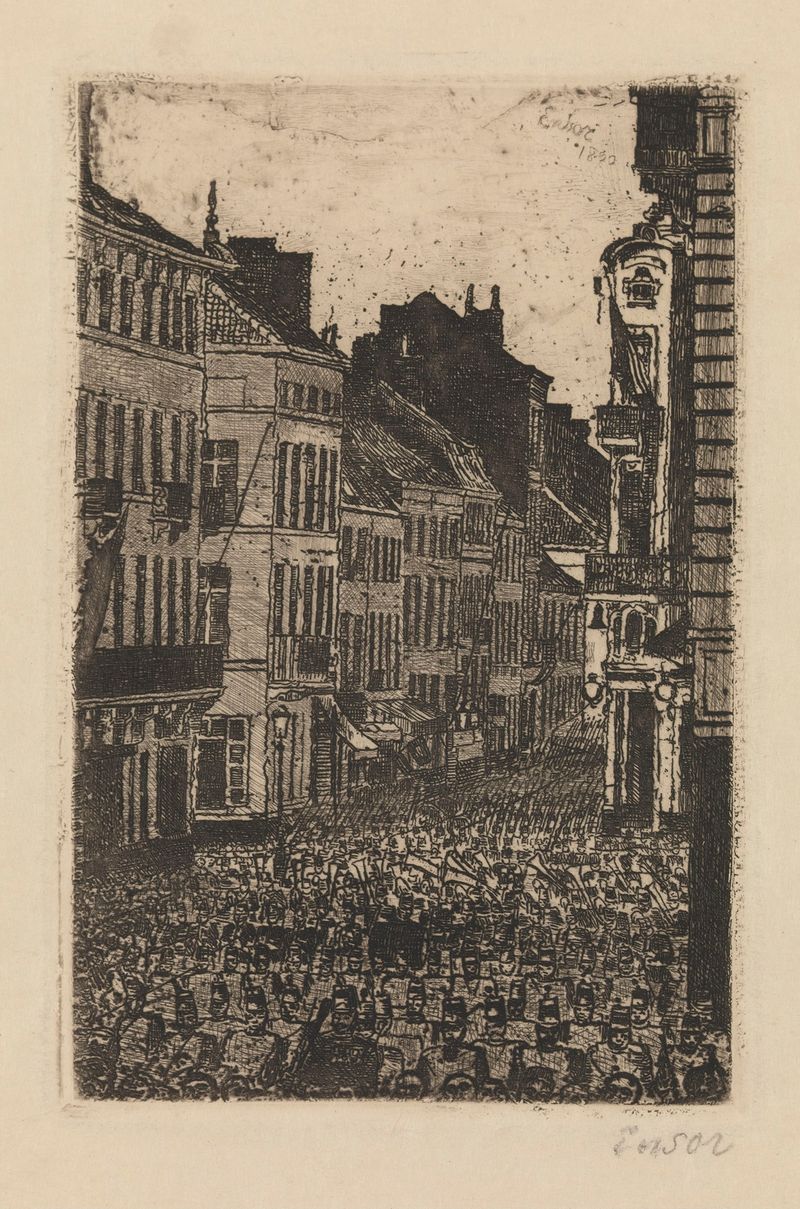
The Music in the rue de Flandre, Ostend
James Ensor
Verovering van een vreemde stad
James Ensor