Landscape — History & Facts
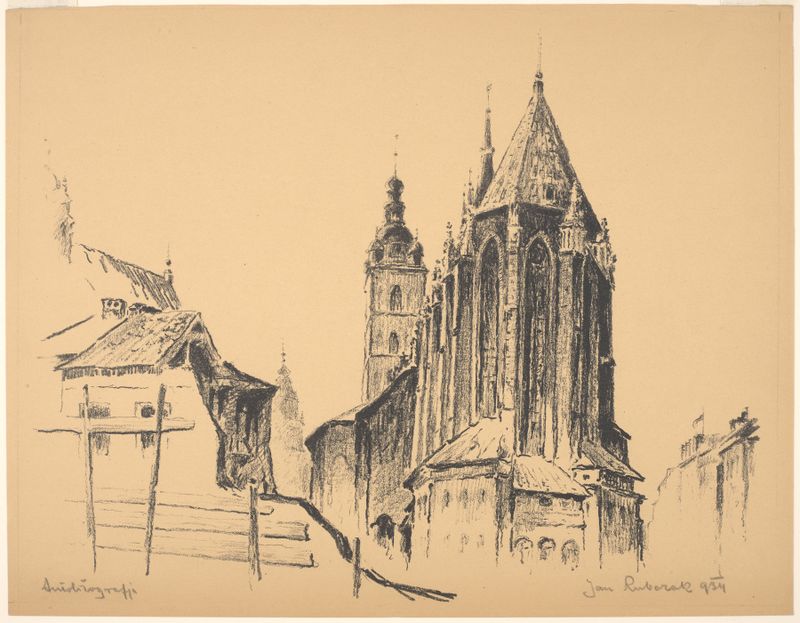
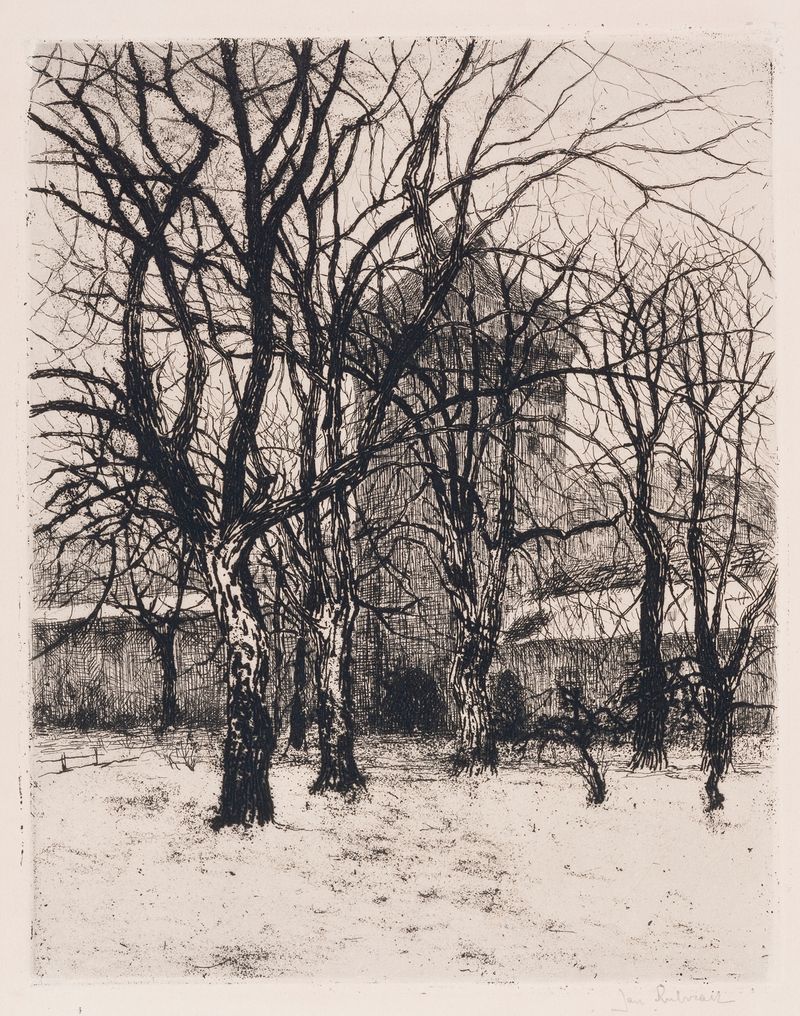
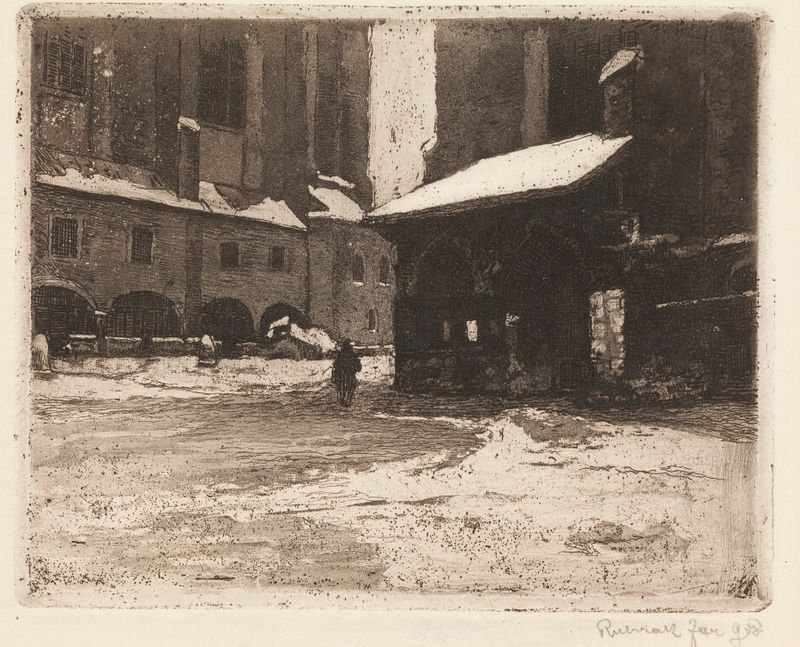
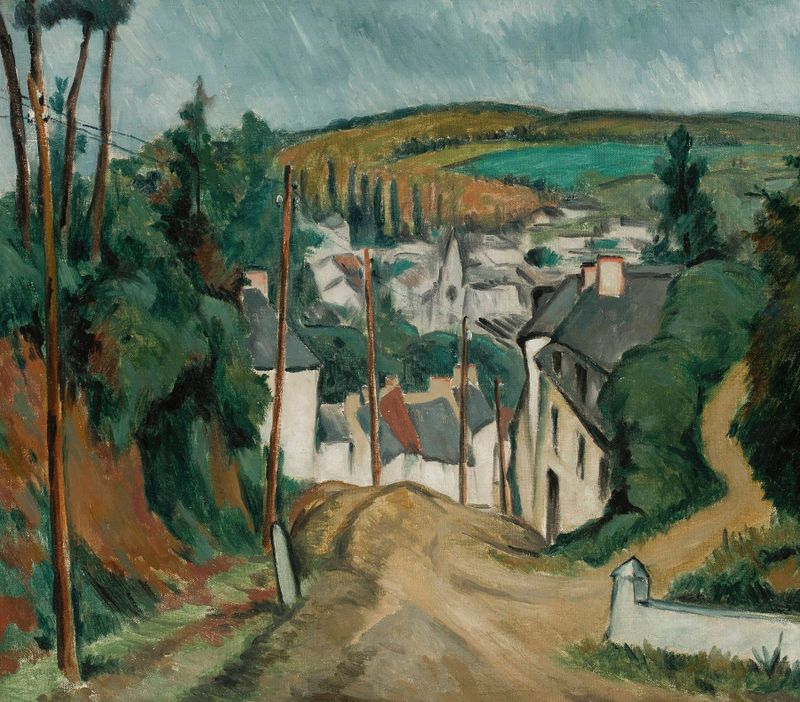
What if silence could speak through light? In the quiet embrace of nature, a simple landscape transforms into a profound revelation, inviting us to contemplate the essence of truth. Look to the foreground, where gentle curves of rolling hills create a rhythmic flow, drawing the viewer's eye towards a tranquil horizon. The artist employs a rich palette of greens and earthy browns, infused with soft, golden sunlight that bathes the scene in warmth. Notice how the light dances across the landscape, illuminating the depth of the foliage while casting shadows that evoke a sense of stillness and serenity.
Each brushstroke seems deliberate, echoing the natural world’s quietude and inviting reflection. Yet, beneath this serene surface lie emotional tensions—an interplay between tranquility and the encroaching uncertainty of the world outside the canvas. The soft, inviting foreground contrasts sharply with the turbulent skies that loom above, suggesting the fragility of peace. Small details, like a solitary tree standing resilient against the backdrop, speak to resilience amidst chaos, while the distant mountains hint at an unreachable truth, forever shrouded in mystery. In 1914, Jan Rubczak crafted this piece during a pivotal moment in art history, as the world edged closer to the turmoil of World War I.
Living in a time of upheaval, his work reflects a yearning for simplicity and a connection to nature amid the chaos of modernity. This landscape is not merely a representation of the physical world but a meditation on the deeper truths that lie beneath the surface of existence.