Landscape — History & Analysis
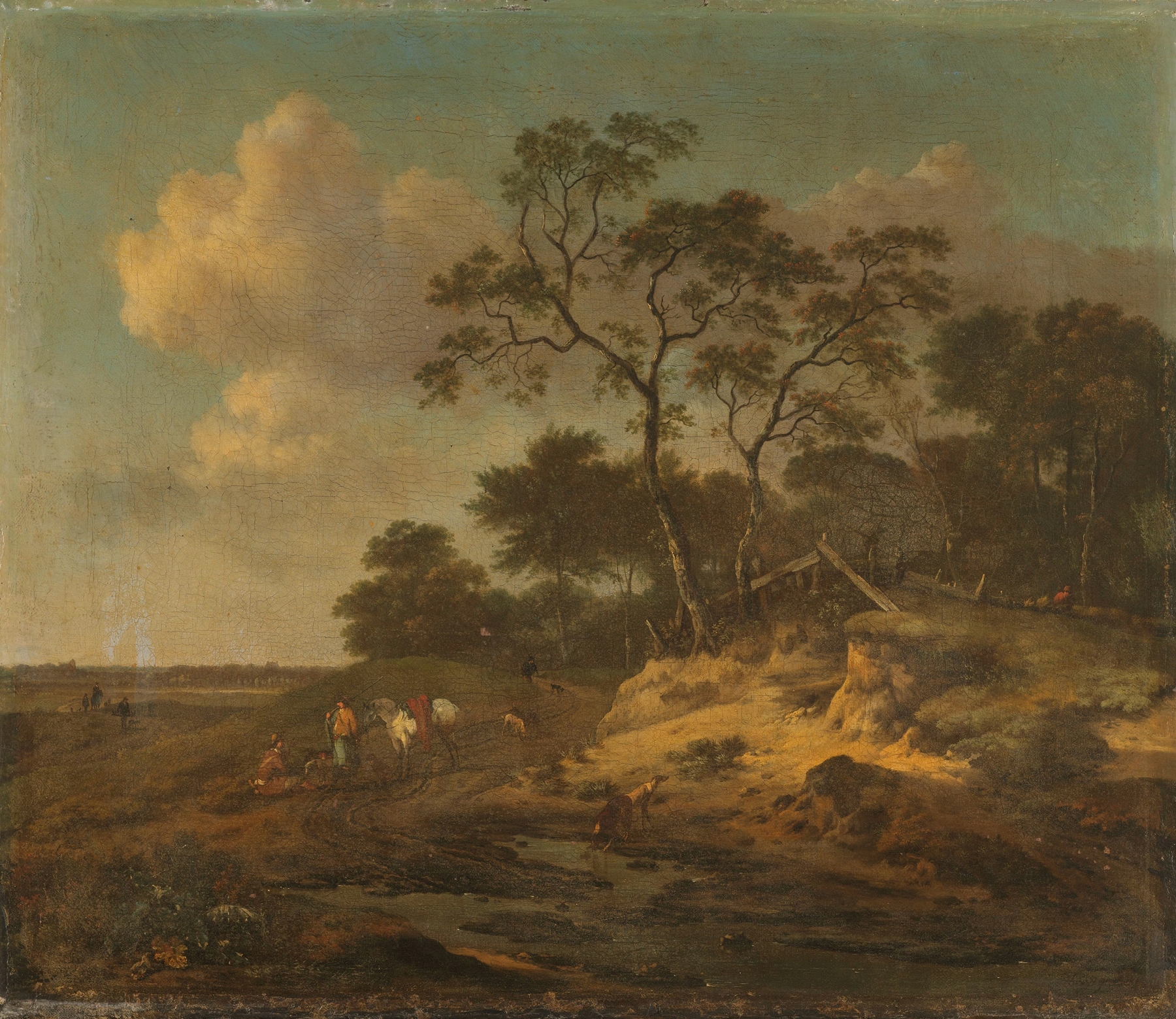
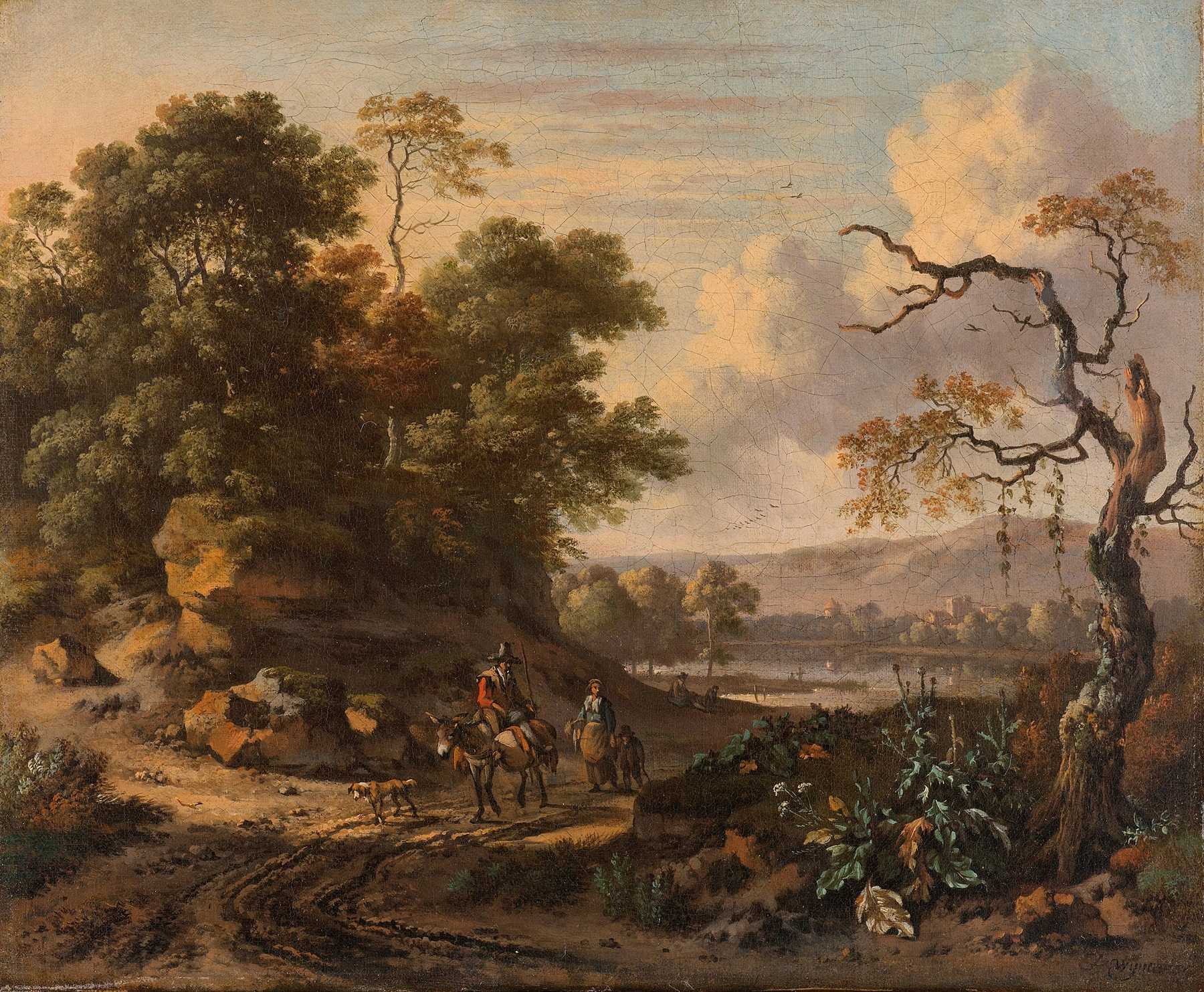
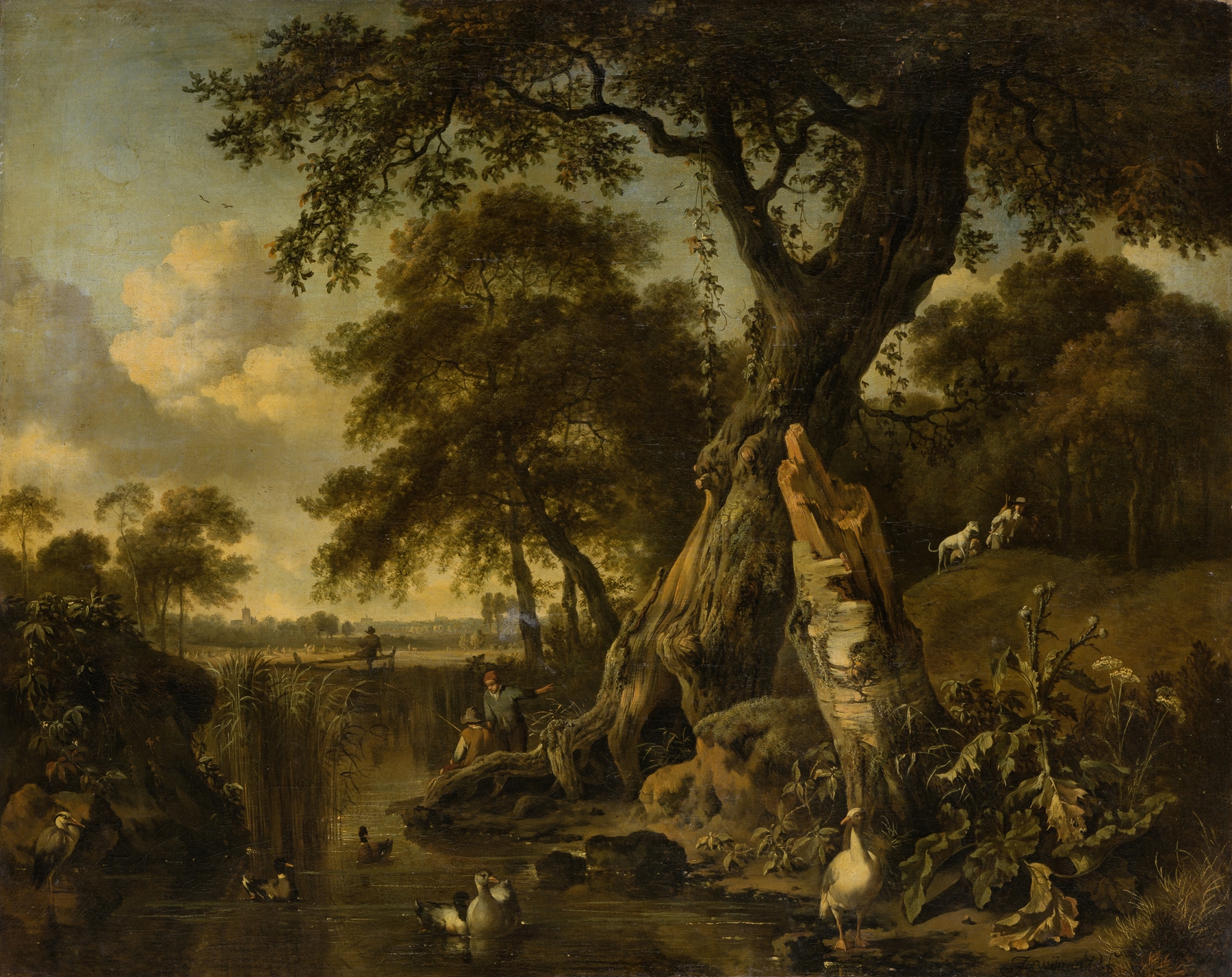
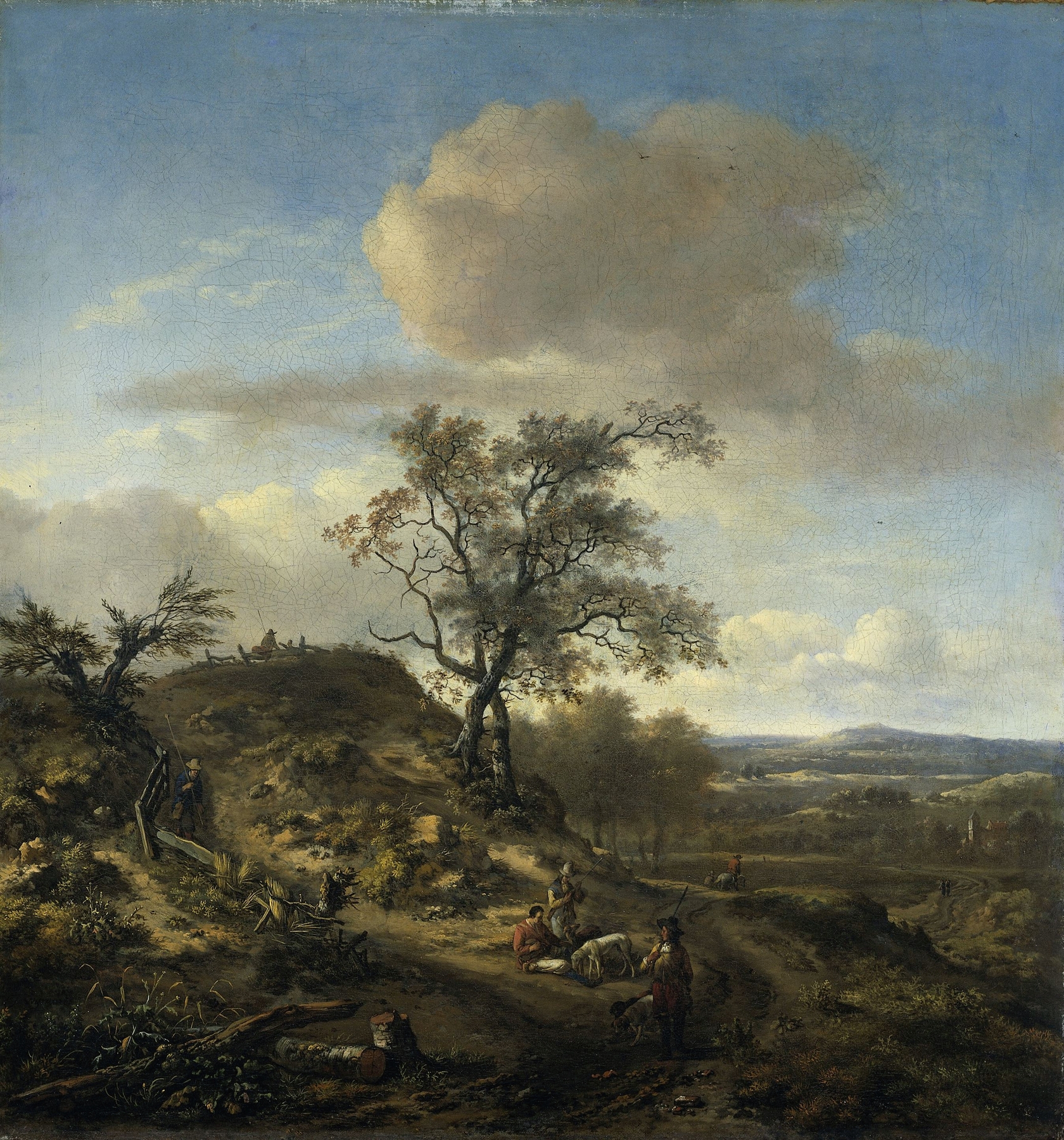
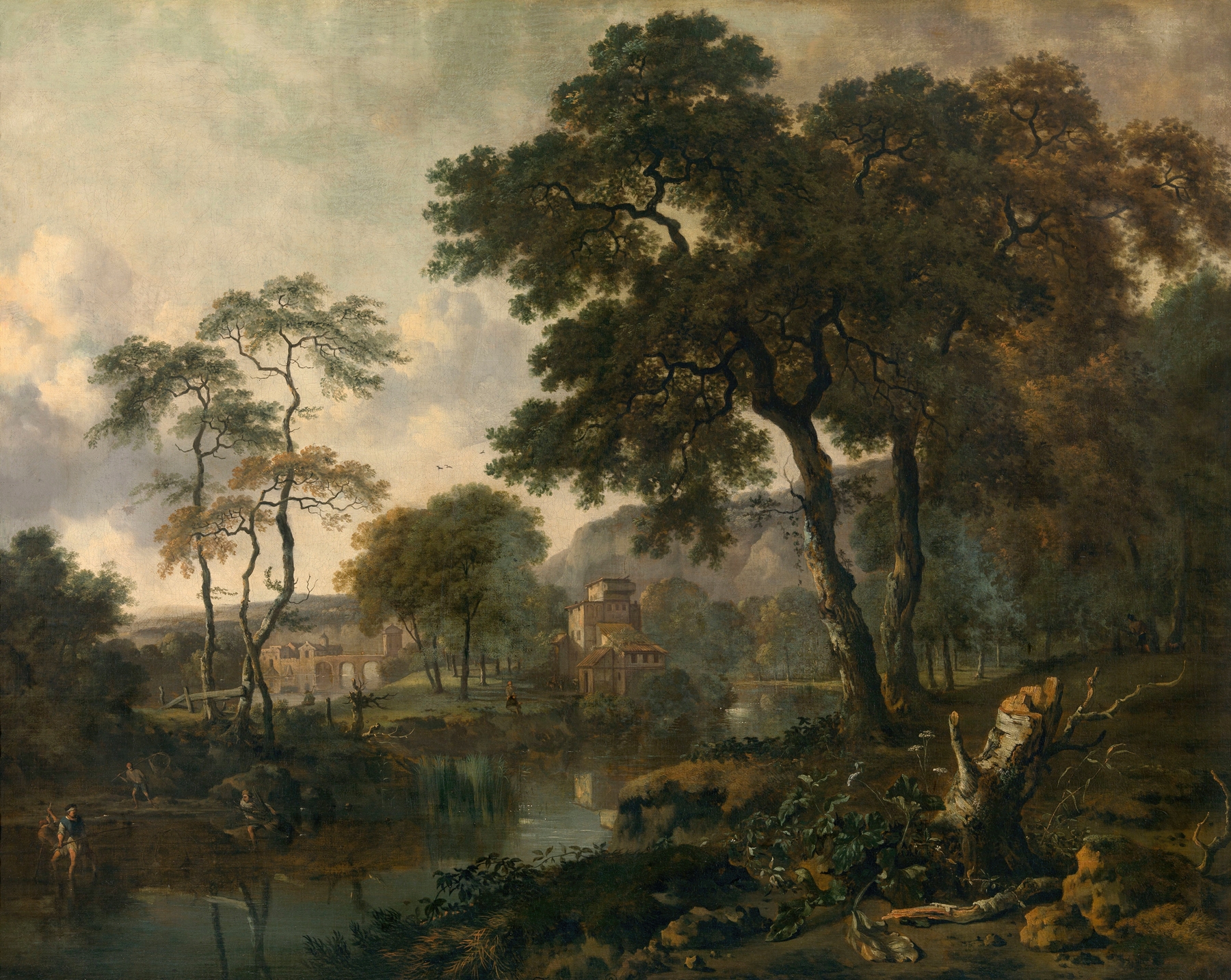
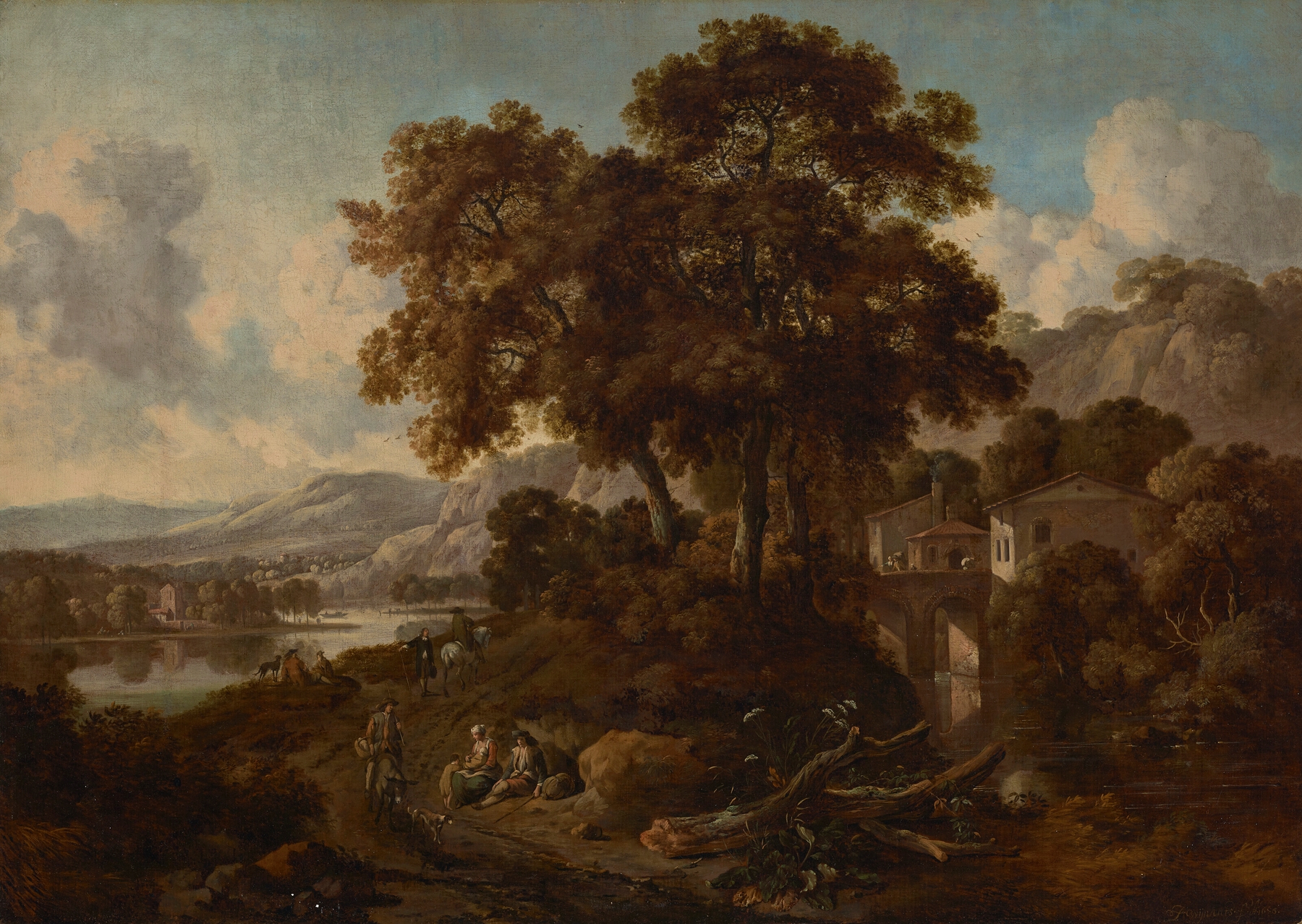
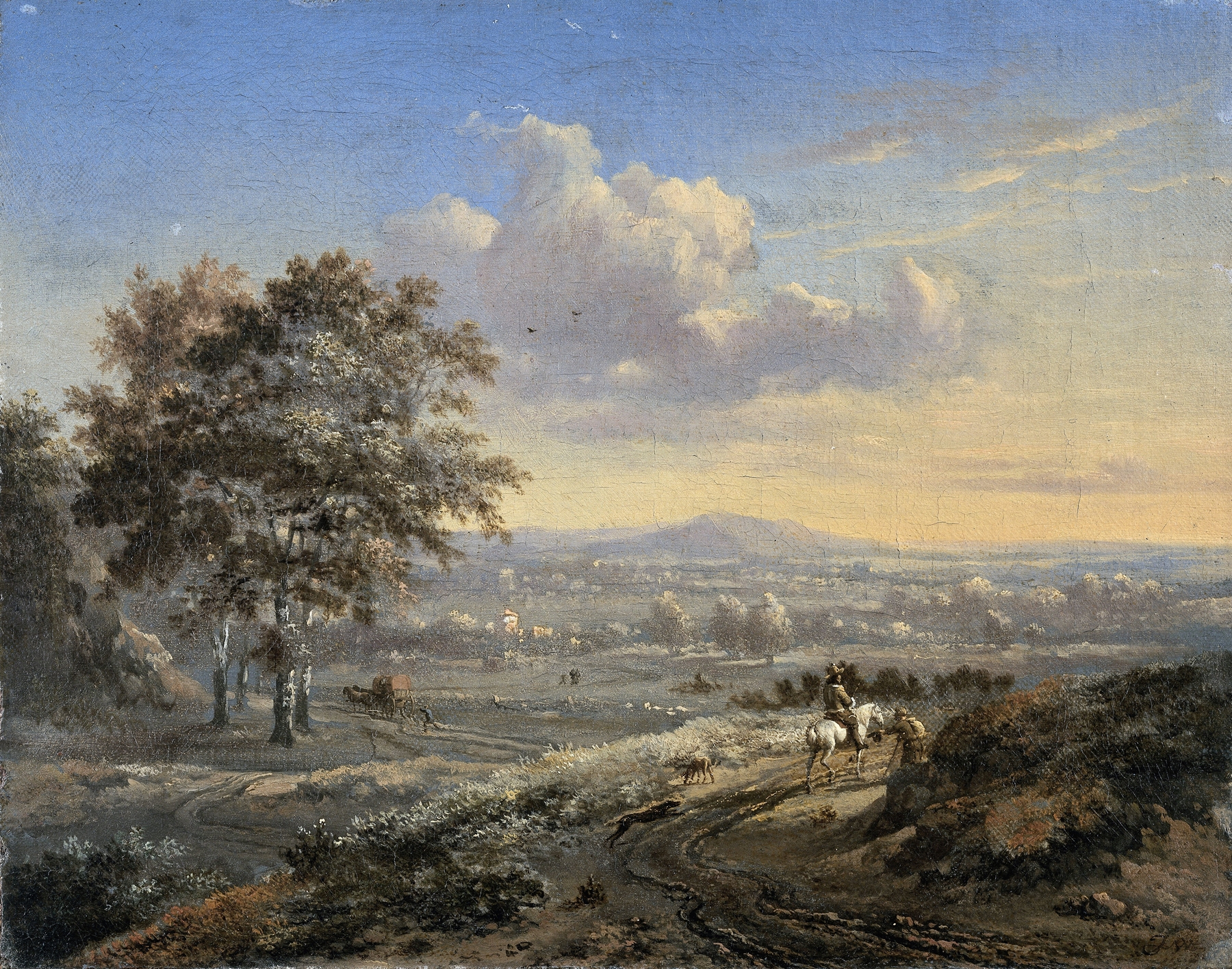
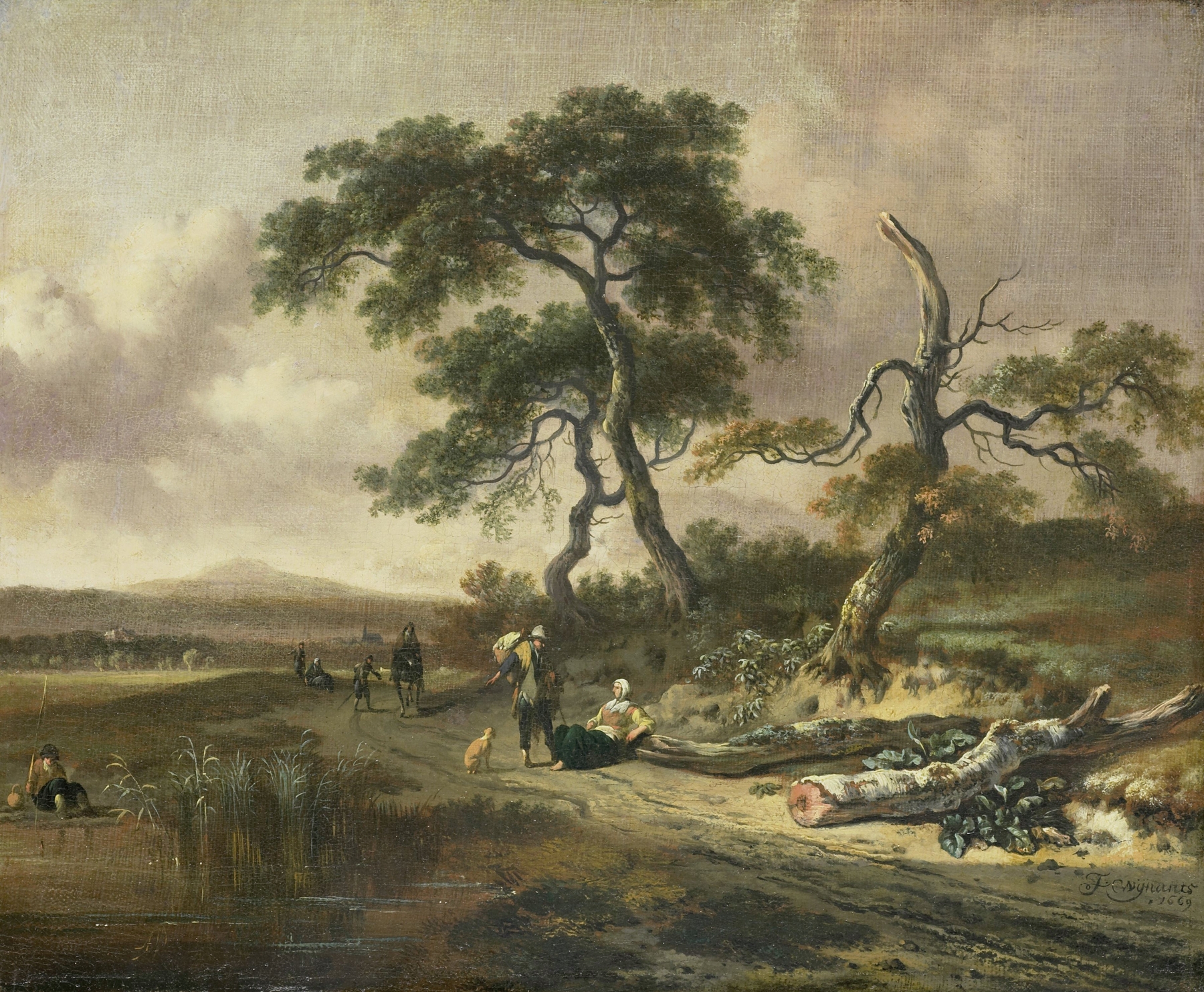
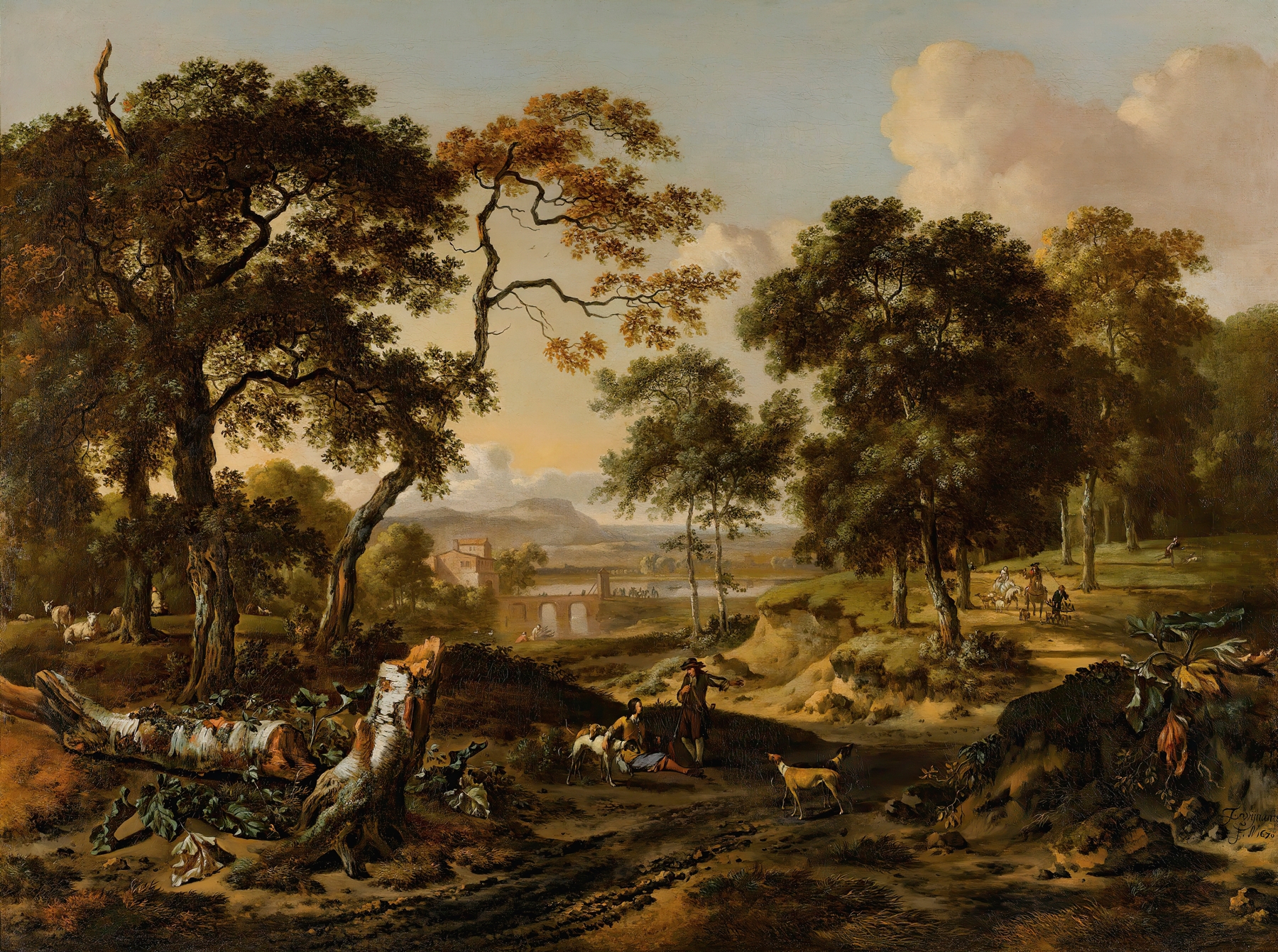
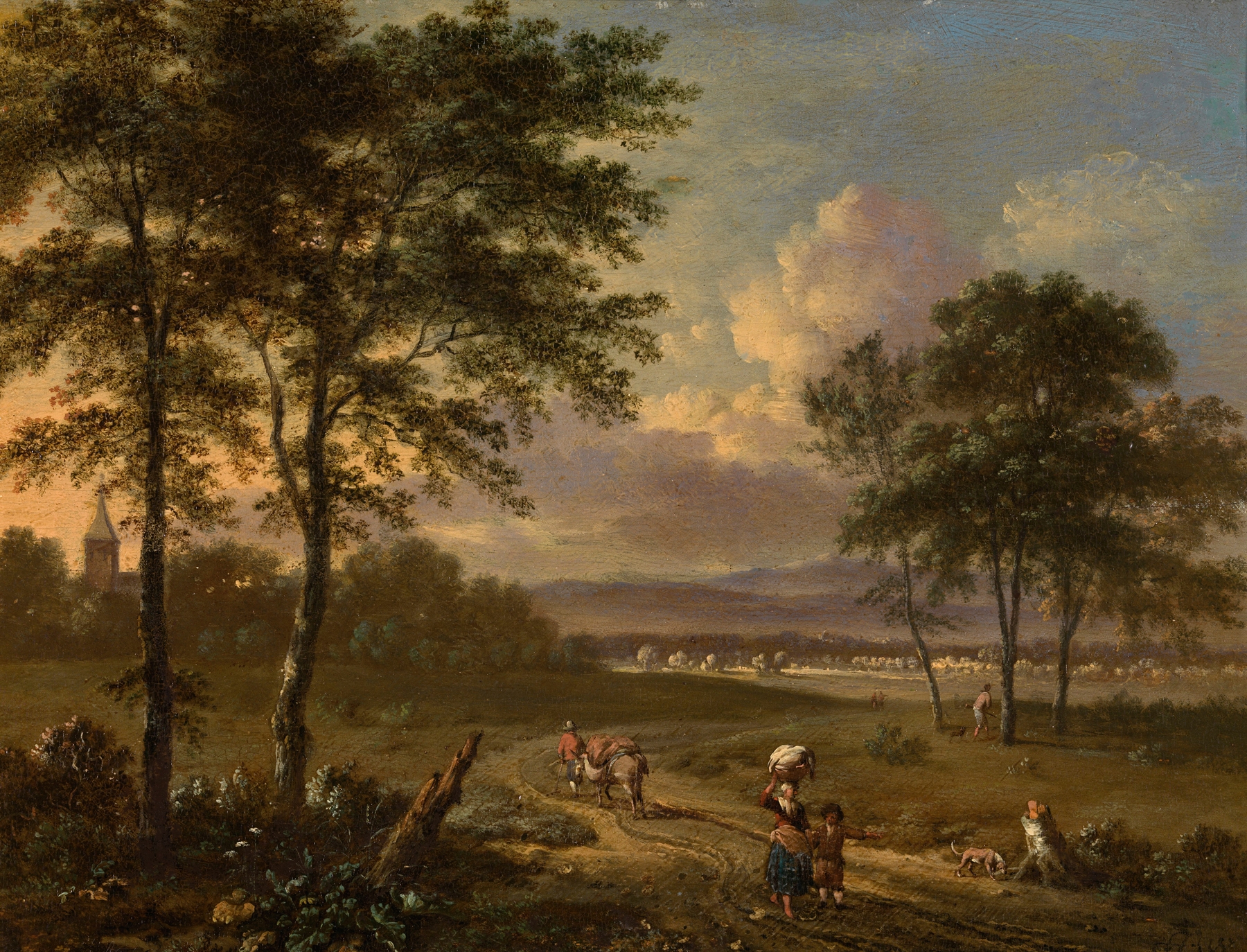
Where does light end, and longing begin? In the quiet embrace of nature, the allure of light holds a profound secret, inviting us to explore its depths. Look to the horizon where the golden sun dips low, casting a warm glow over the gentle contours of a lush, verdant landscape. The interplay of light and shadow dances across the fields, each brushstroke revealing a vibrant tapestry of greens and soft earth tones. Notice how the artist uses light to guide your gaze, drawing you toward the shimmering water that reflects the sky, hinting at the infinite.
The delicate blending of colors and the gentle, almost ethereal quality of the scene evoke a sense of peace and contemplation. Yet, amid the serenity lies an underlying tension between reality and idealism. The distant trees stand tall and unwavering, embodying strength against the delicate play of light that suggests transience. The sky, a mixture of soft blues and radiant oranges, invites introspection, evoking both the warmth of the day and the inevitable chill of dusk.
Each element harmonizes to create a moment suspended in time—a reflection of human longing for both connection and solitude in the face of nature's immensity. Jan Wijnants crafted this captivating landscape during the mid-17th century, a period marked by the flourishing of Dutch Golden Age painting. Renowned for his ability to capture the essence of the natural world, he painted in an era rich with exploration and a growing appreciation for the beauty of the everyday. Influenced by his contemporaries, Wijnants sought to evoke deep emotional resonance through landscape, reflecting both personal and collective aspirations of his time.