Landscape — History & Facts
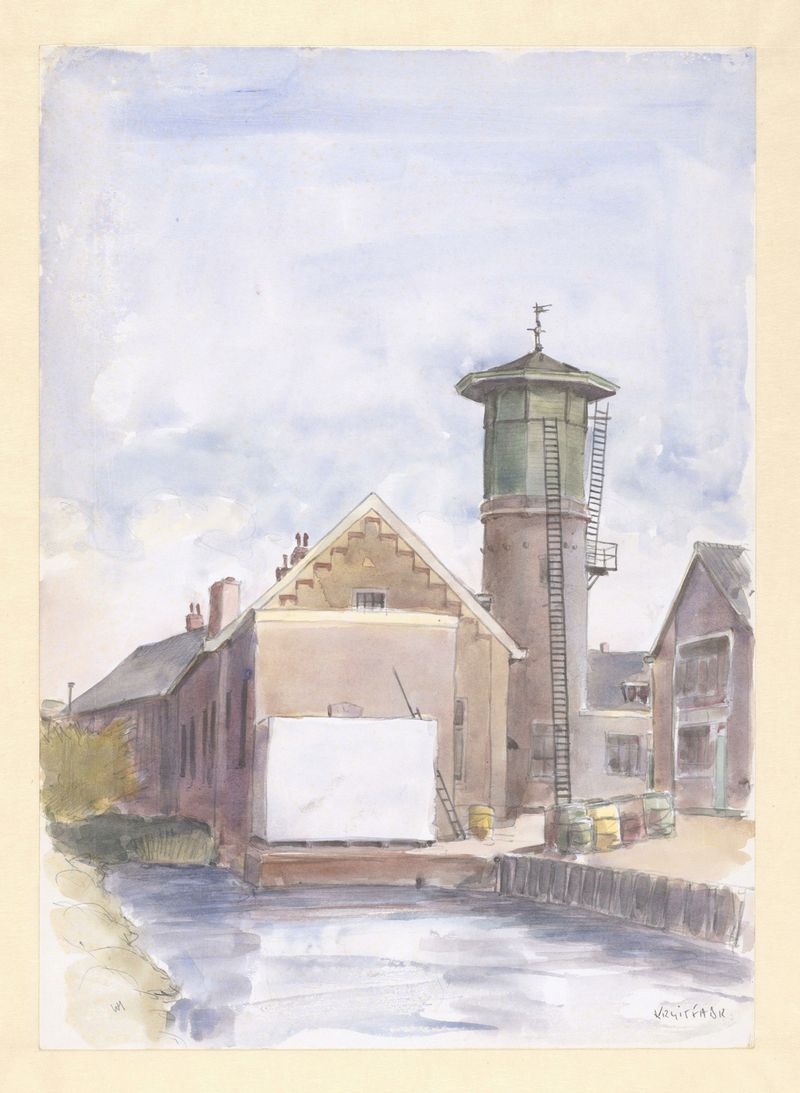
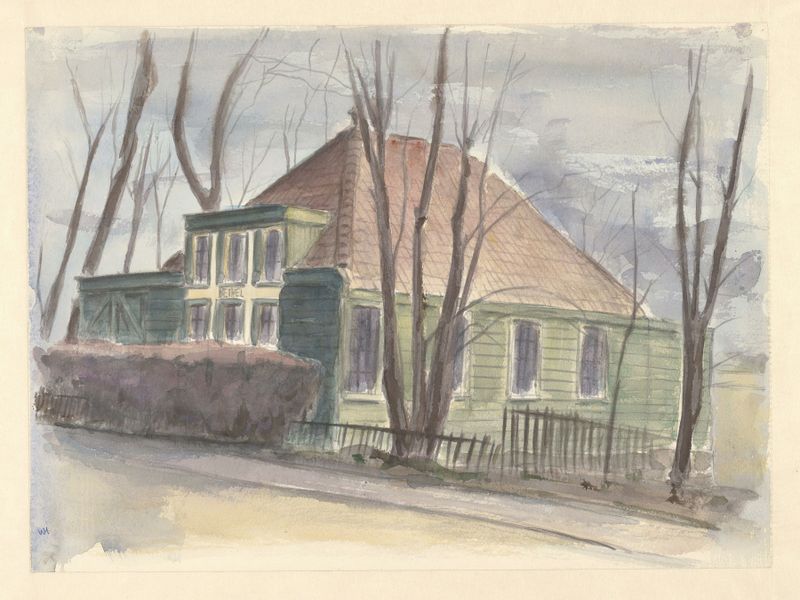
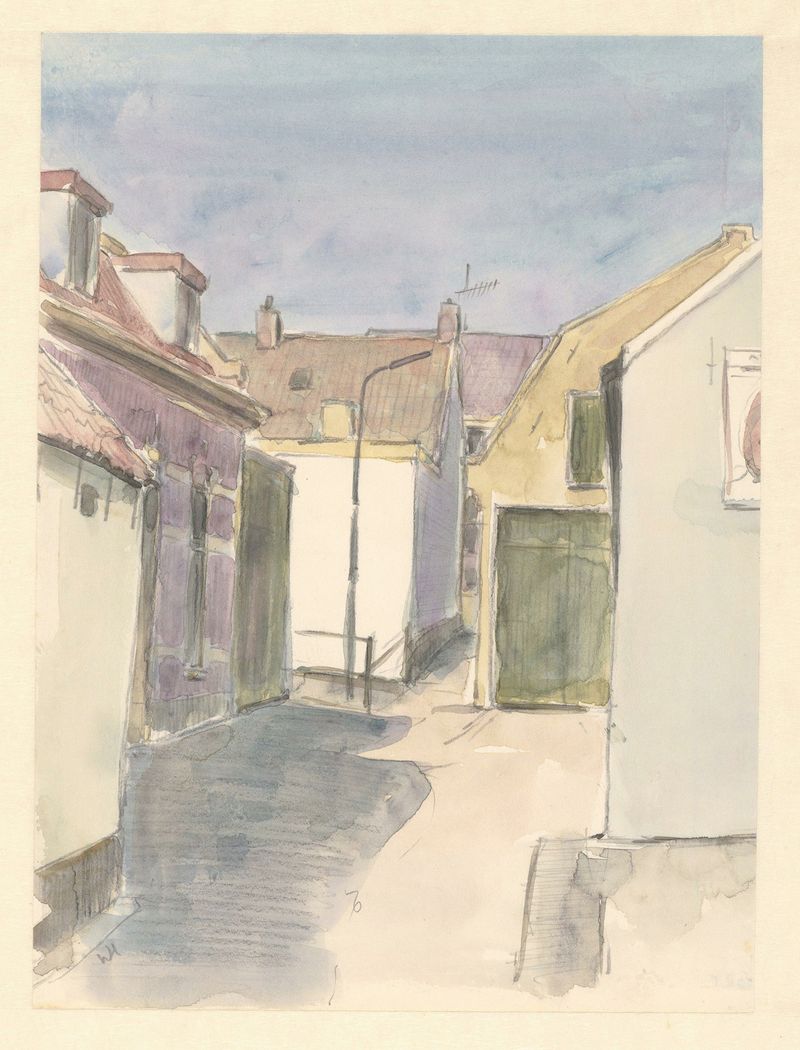
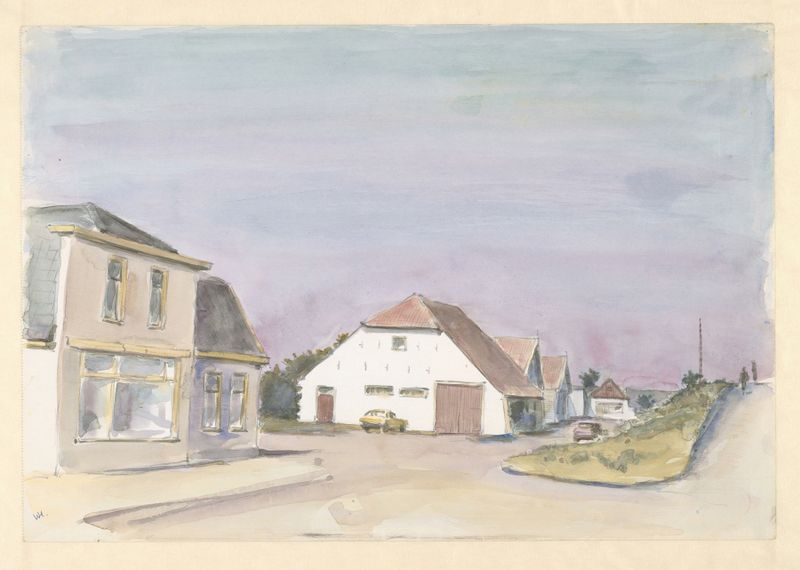
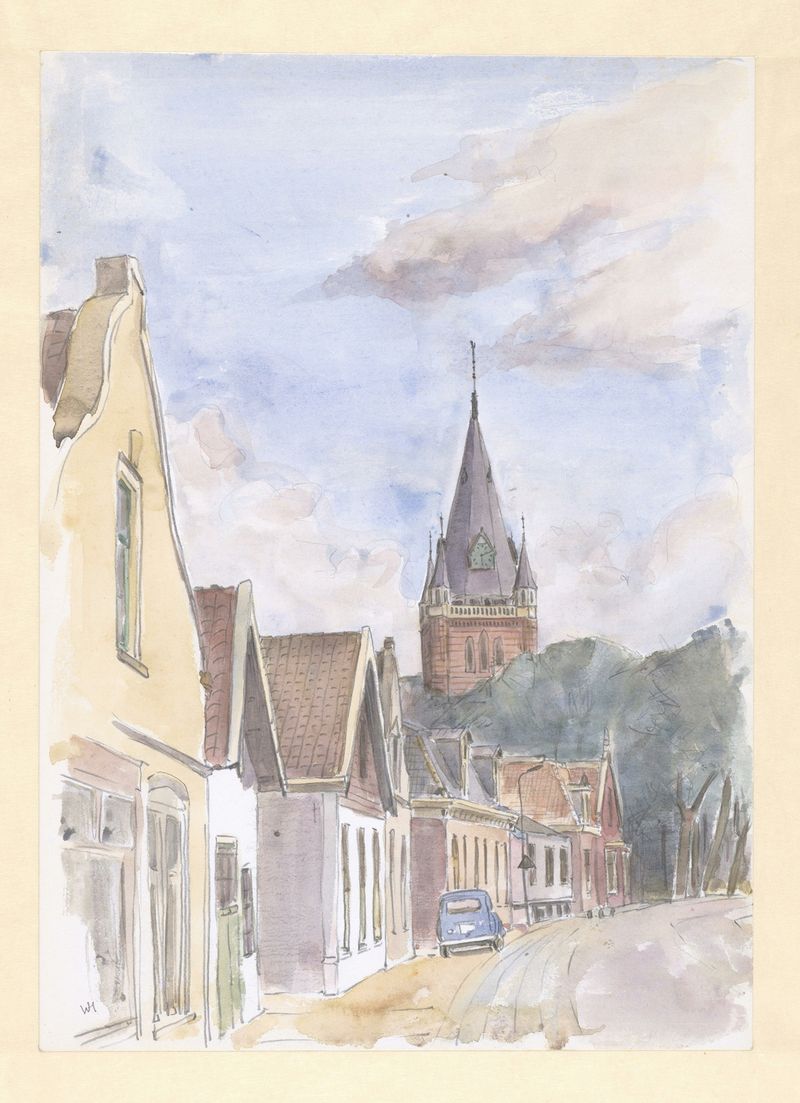
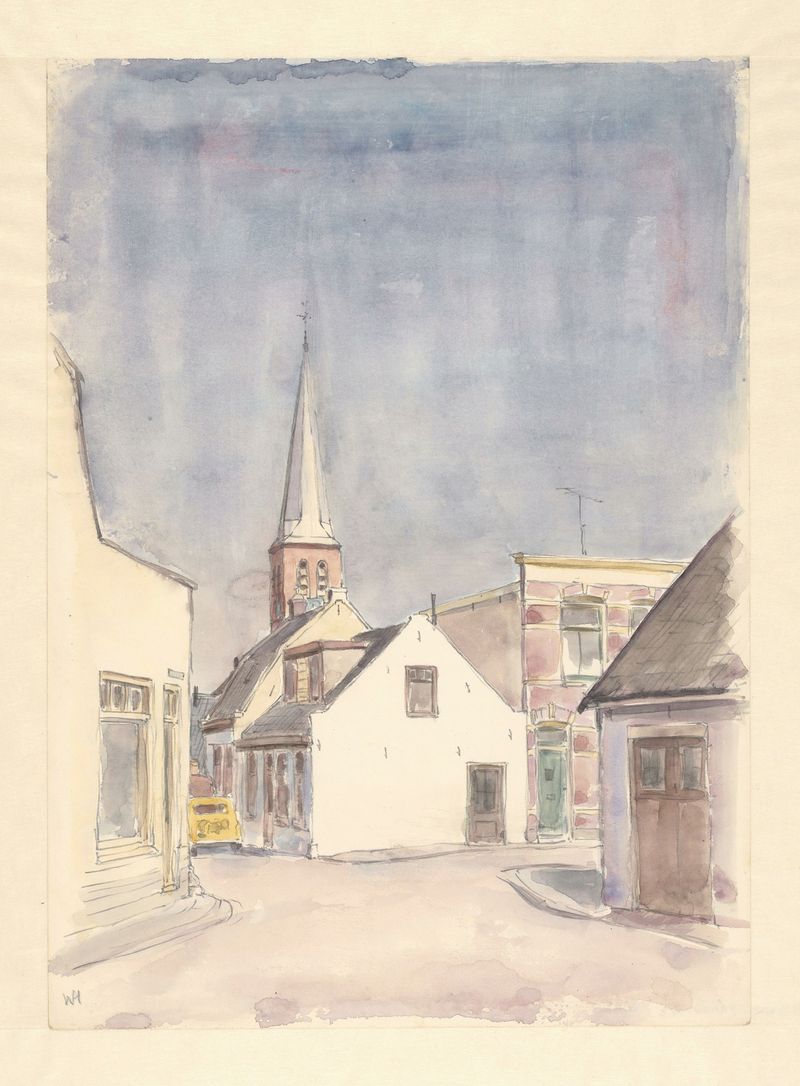
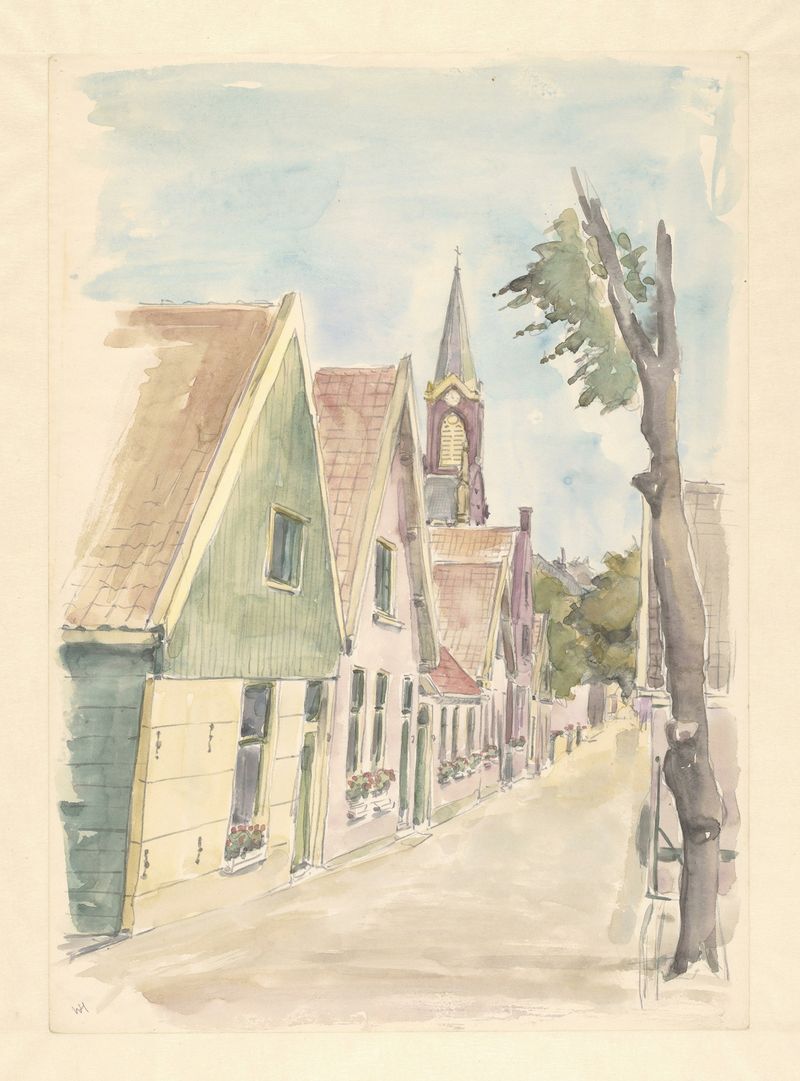
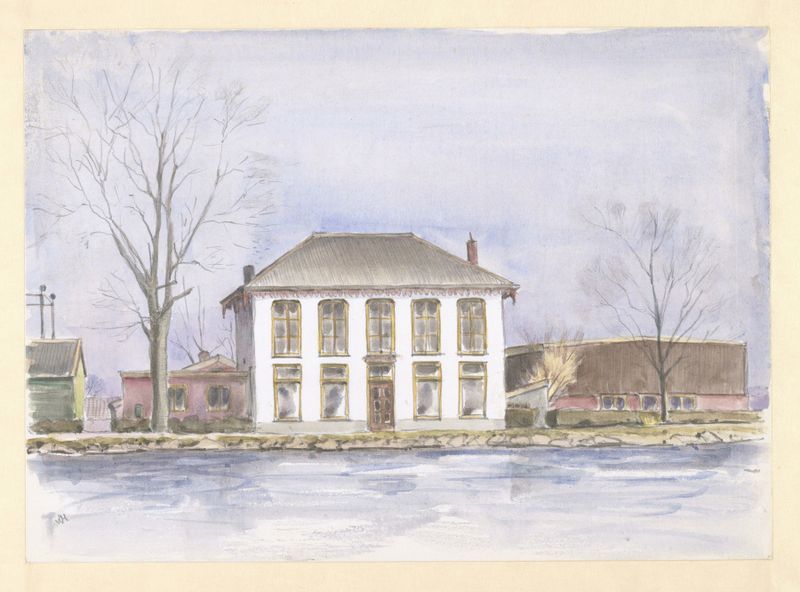
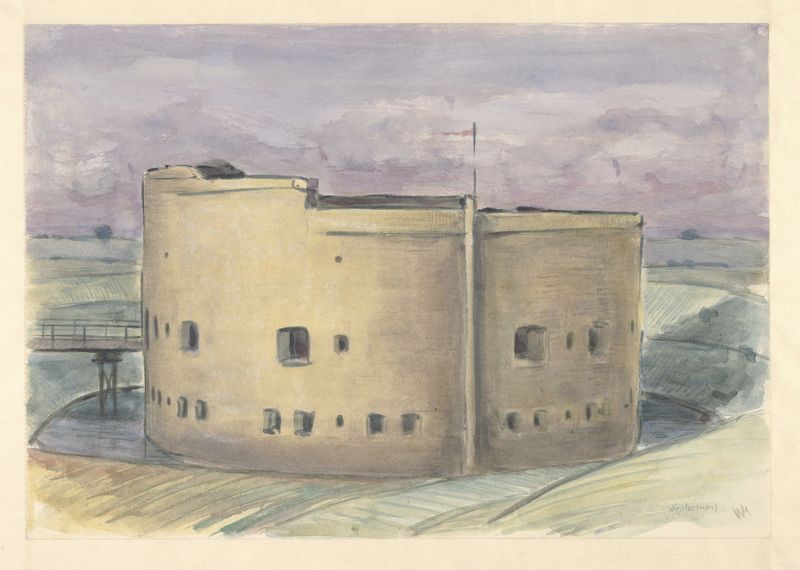
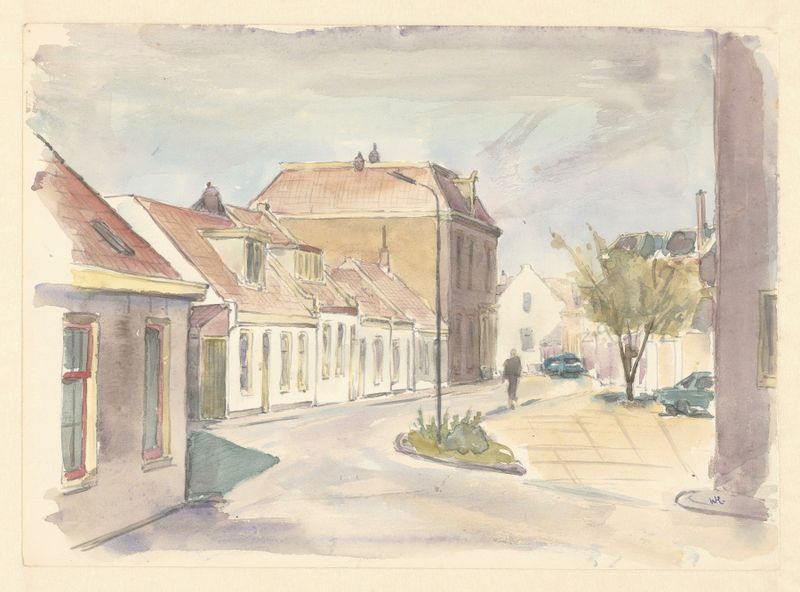
What secret hides in the quiet of the canvas? Perhaps it is the longing for transcendence, a yearning that echoes through each brushstroke, inviting the viewer into a world both familiar and otherworldly. Look at the undulating hills that emerge in soft greens and muted browns, inviting you to trace their curves. Notice how the horizon blurs gently, melding earth and sky in a dance of delicate pastels. The composition speaks of balance; the rhythmic lines draw the eye toward a vanishing point, suggesting an infinite journey beyond the tangible.
Hagemans employs a technique of layering, where translucent washes of color build depth, creating an ethereal atmosphere that seems to pulsate with life. Within this serene landscape, emotional tensions surface quietly. The horizon, while stable, feels precarious; the impending dusk implies a passage of time, perhaps a moment of reflection or farewell. Shadows merge into light, evoking fragility and strength simultaneously.
Each element whispers a narrative of nature's cycles—a reminder of growth and decay, unity and solitude. The absence of human presence amplifies this feeling of introspection, suggesting that the true journey lies within. In the 20th century, Hagemans crafted Landscape during a period marked by artistic experimentation and a quest for new forms of expression. Working primarily in his studio, he was deeply influenced by the avant-garde movements surrounding him, seeking to evoke emotion through the tranquility of nature.
This piece reflects his interest in exploring the spiritual and philosophical depths of landscape painting, a testament to his pursuit of beauty and meaning in the natural world.