Landscape — History & Facts
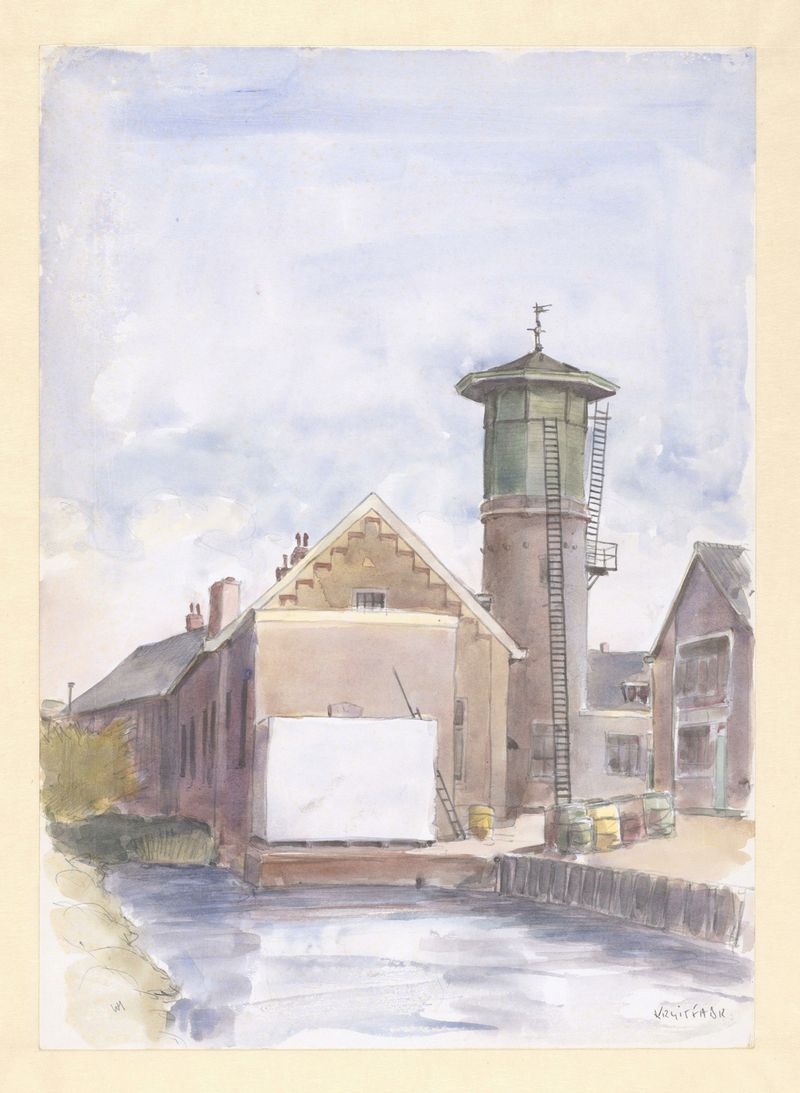
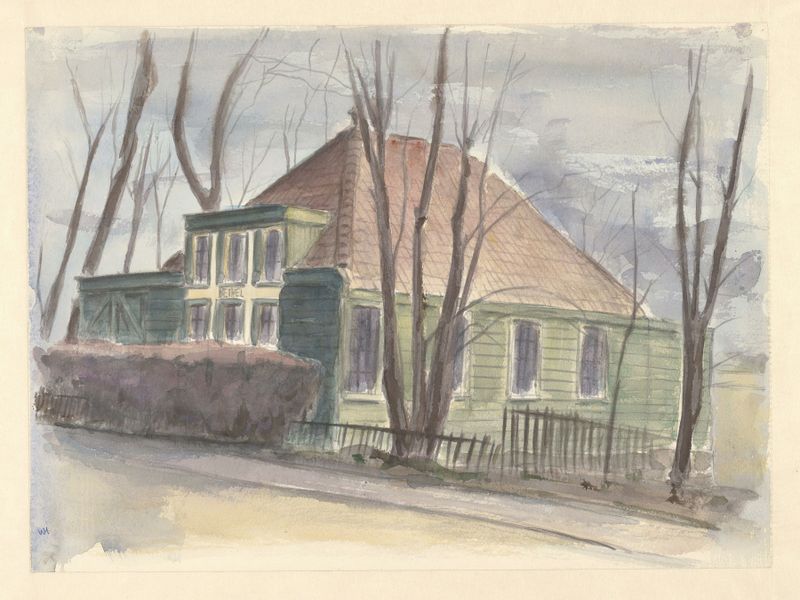
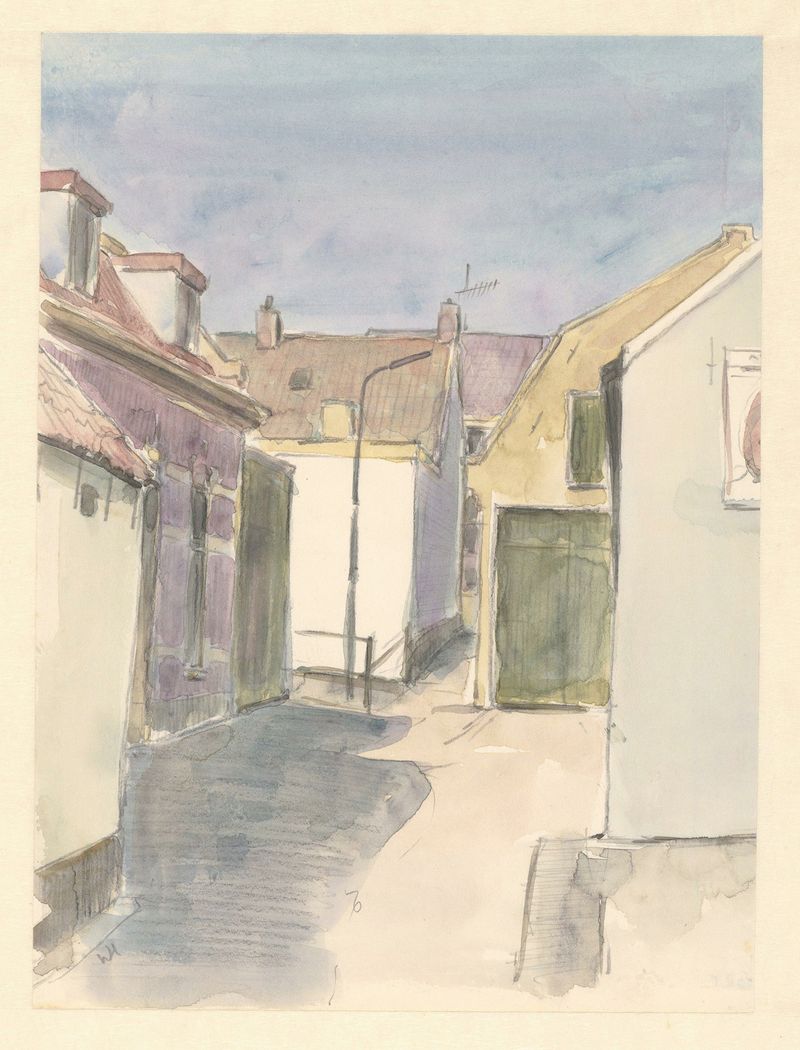
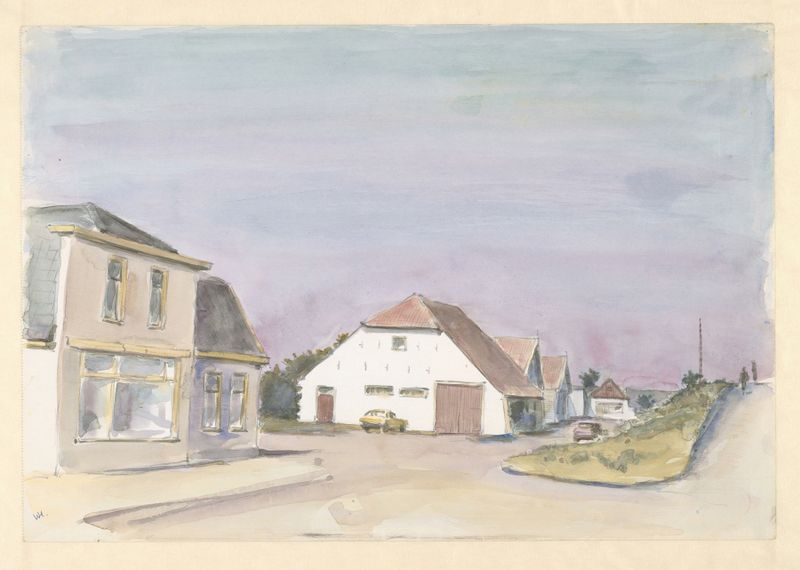
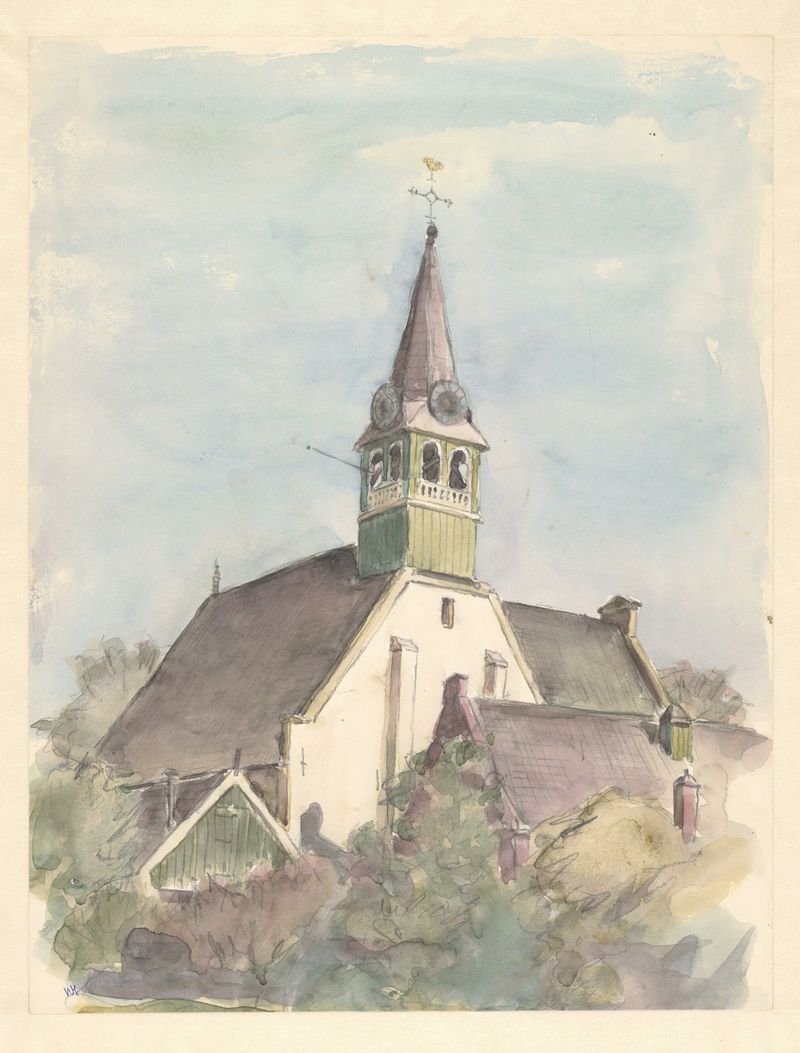
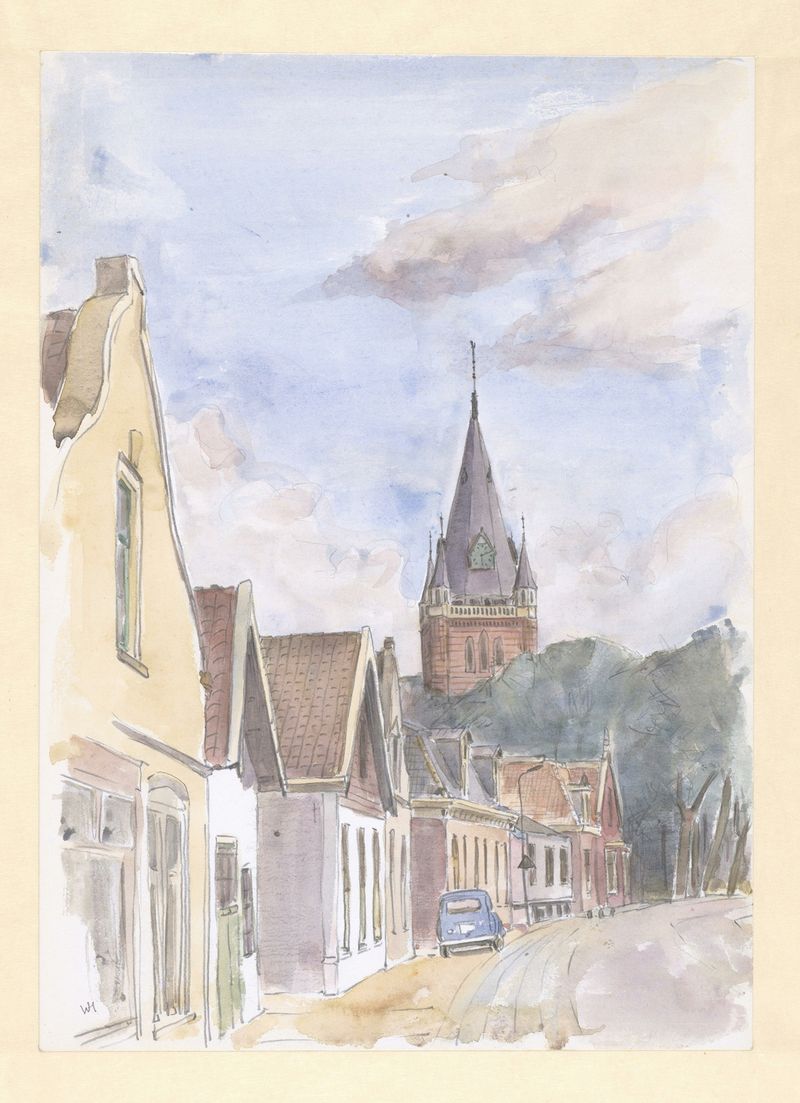
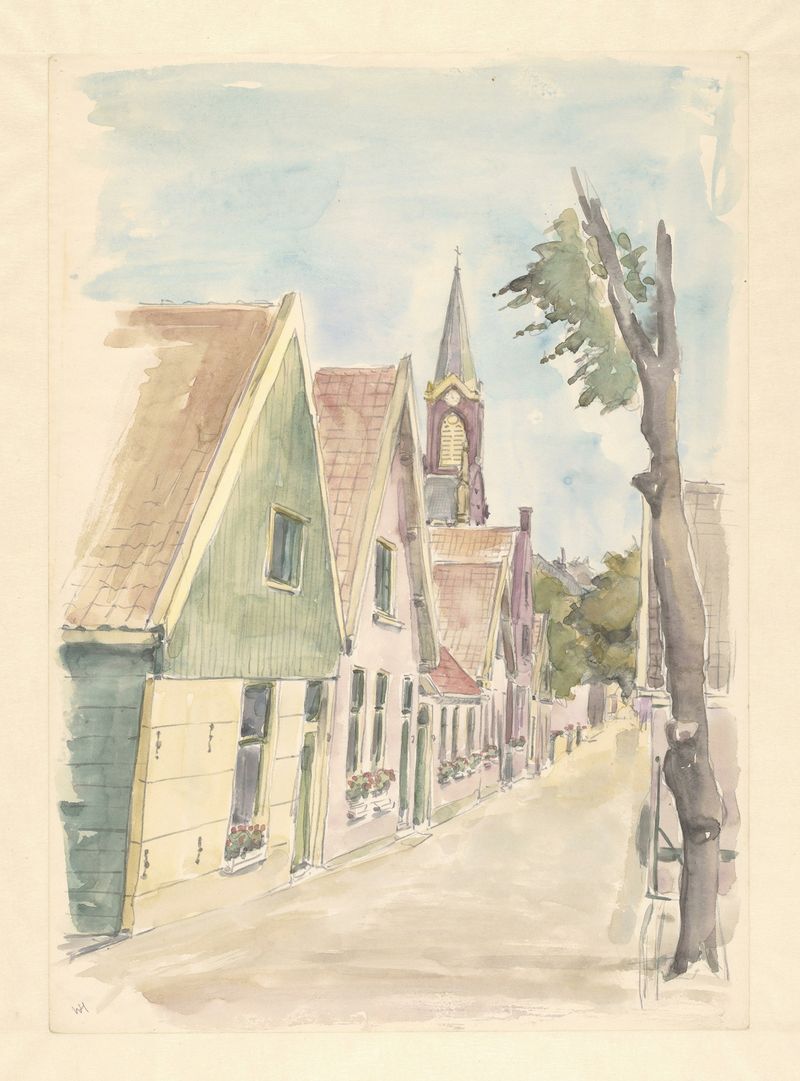
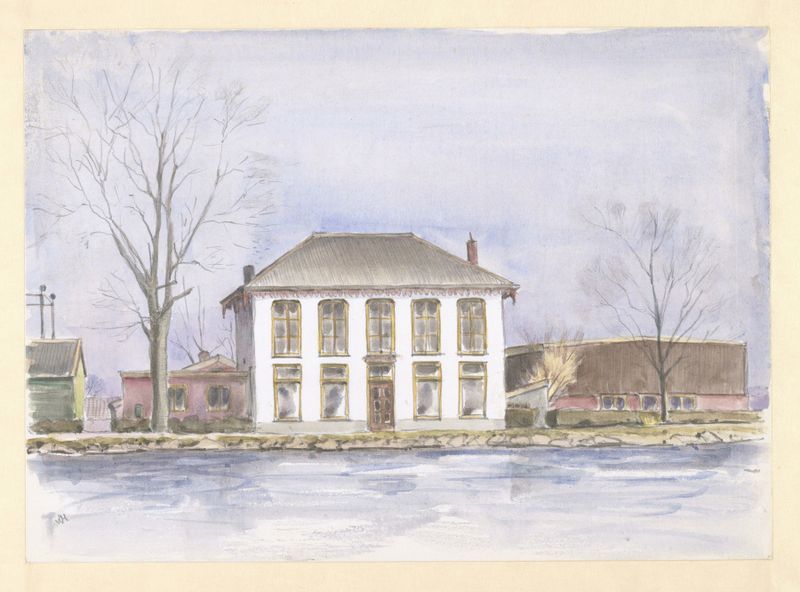
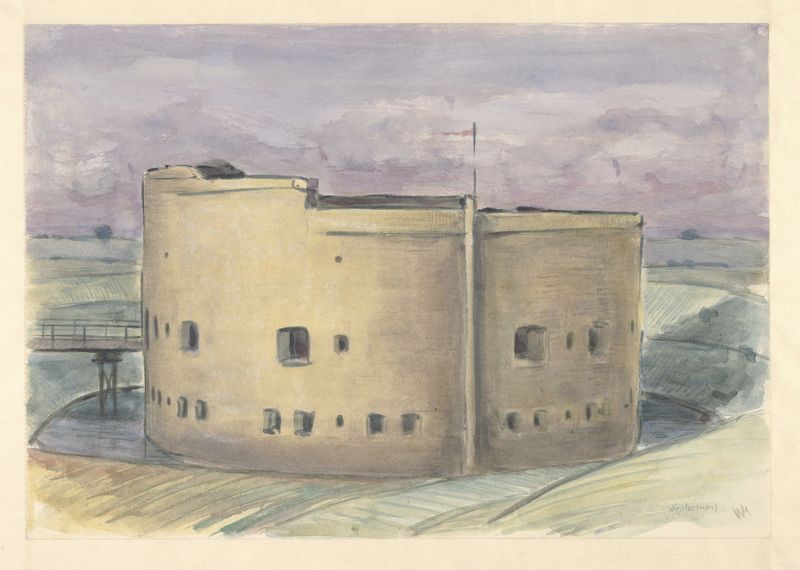
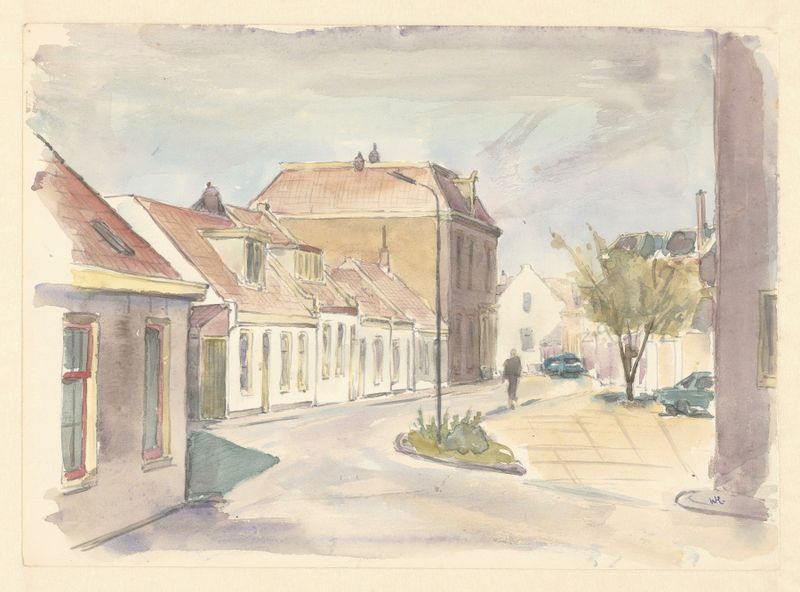
In the chaos of existence, landscapes can often mask turmoil beneath their serene exteriors. What lies hidden within the vibrant strokes of color and form? Look to the center; the tumultuous waves of color seem to crash against one another, creating a sense of movement that is both captivating and unsettling. The artist employs bold brushwork and a palette that vibrates with energy—yellows, greens, and blues collide, while hints of darkness linger in the corners.
Notice how the thicker application of paint creates texture, inviting the viewer to explore the layers underneath, suggesting a chaotic undercurrent beneath the seemingly tranquil surface. Upon closer examination, one can discern a struggle between light and shadow, a duality that evokes both comfort and unease. The interplay of color suggests that beauty is not just in stillness; it is also wrapped in the throes of conflict. Here, nature is not merely an idyllic vision but a reflection of inner turmoil—a poignant reminder that chaos often coexists with beauty, both vying for the viewer's attention.
The juxtaposition of vivid colors against darker undertones reveals a narrative of life's complexity, where joy and sorrow are inextricably linked. Wim Hagemans painted this work in the latter half of the 20th century, a period marked by societal upheaval and a reevaluation of traditional art forms. As movements like abstract expressionism began to gain prominence, he sought to explore the emotional depths of landscapes, capturing not just the aesthetic beauty of nature but also the existential chaos of human experience. This piece reflects the artist's engagement with contemporary themes, resonating with the complexities of modern life.