Landscape — History & Facts
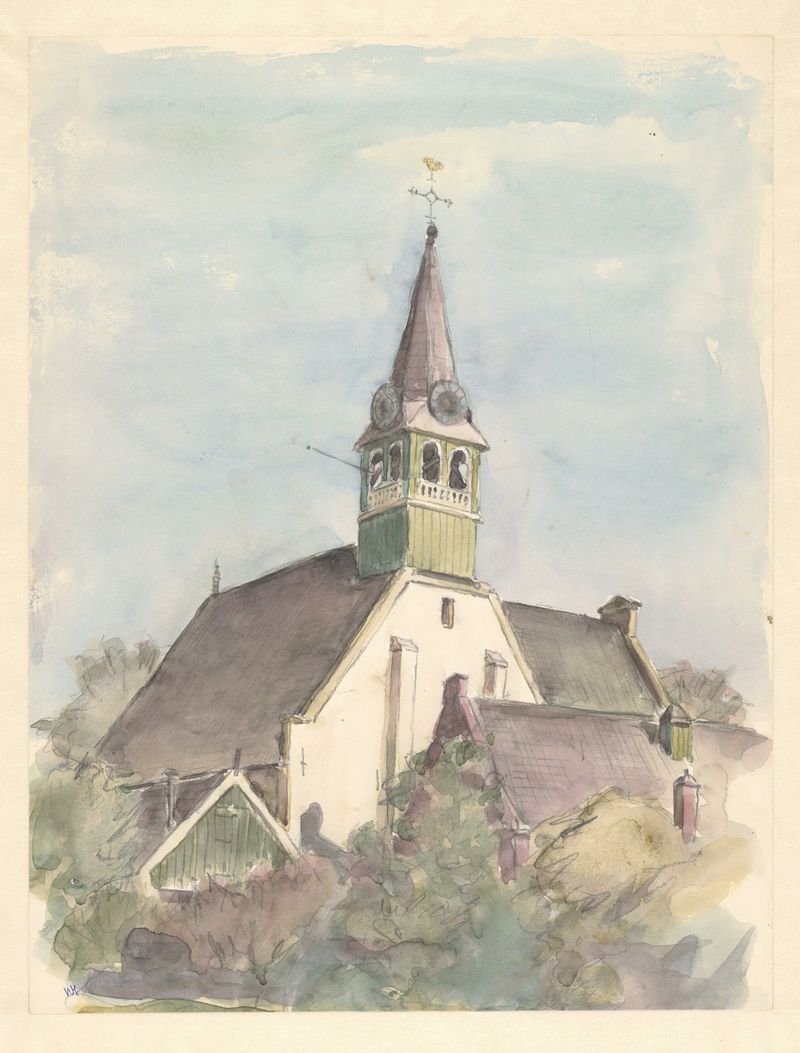
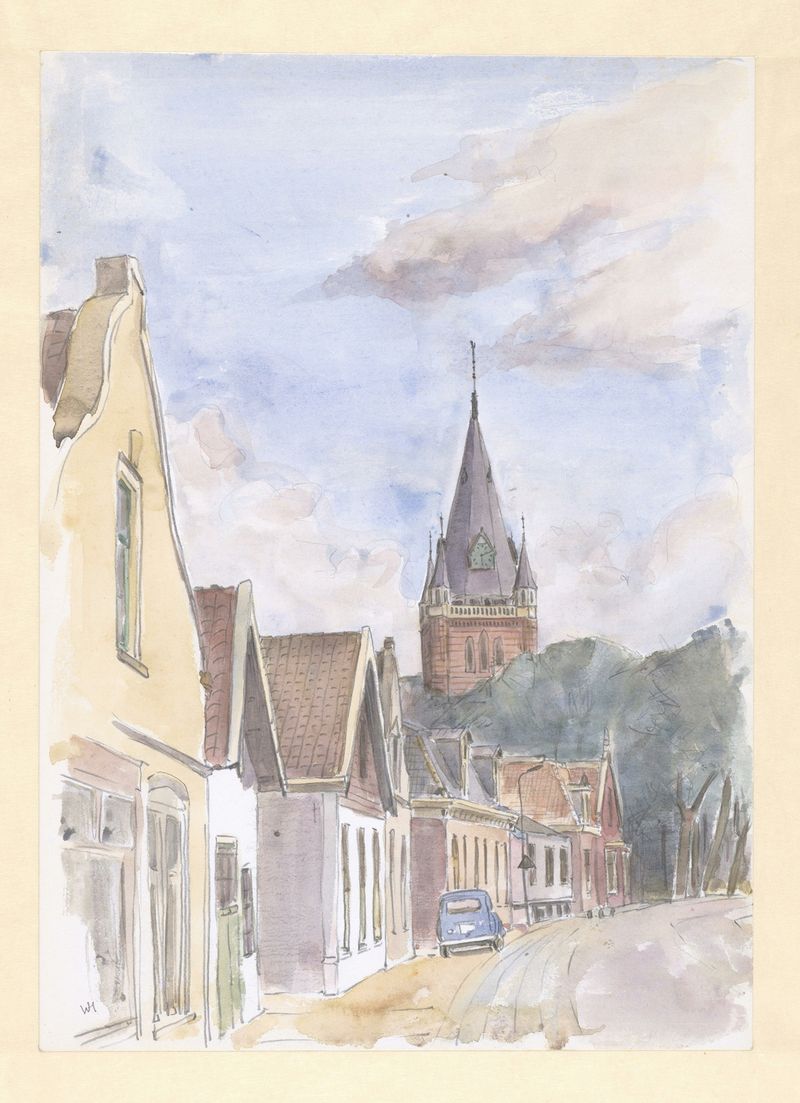
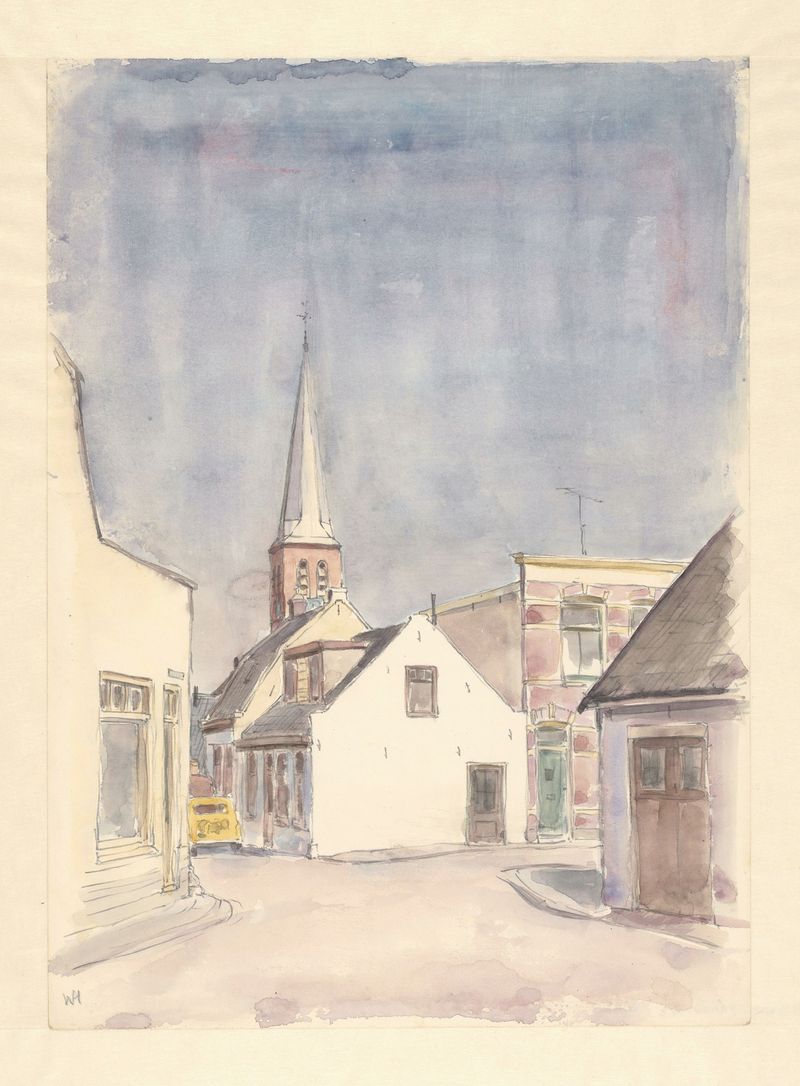
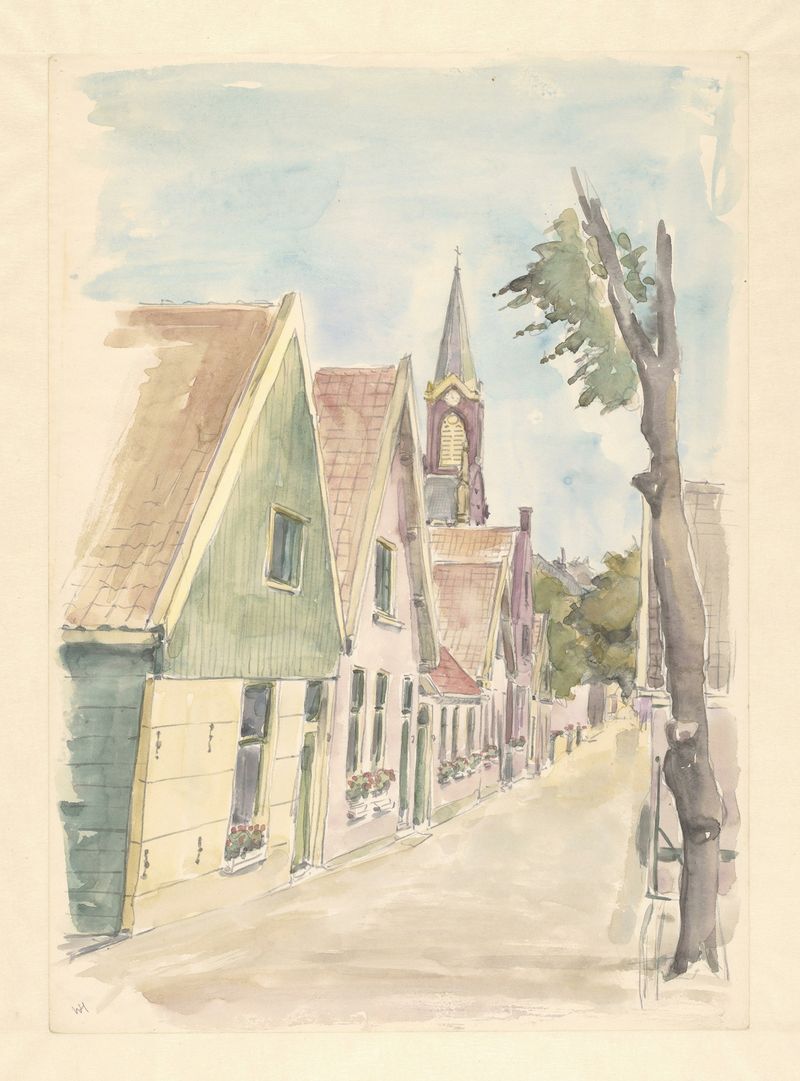
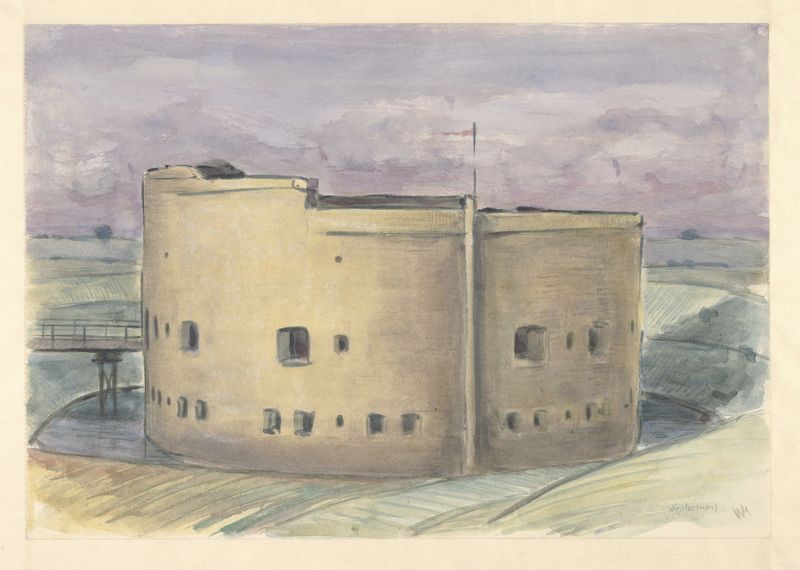
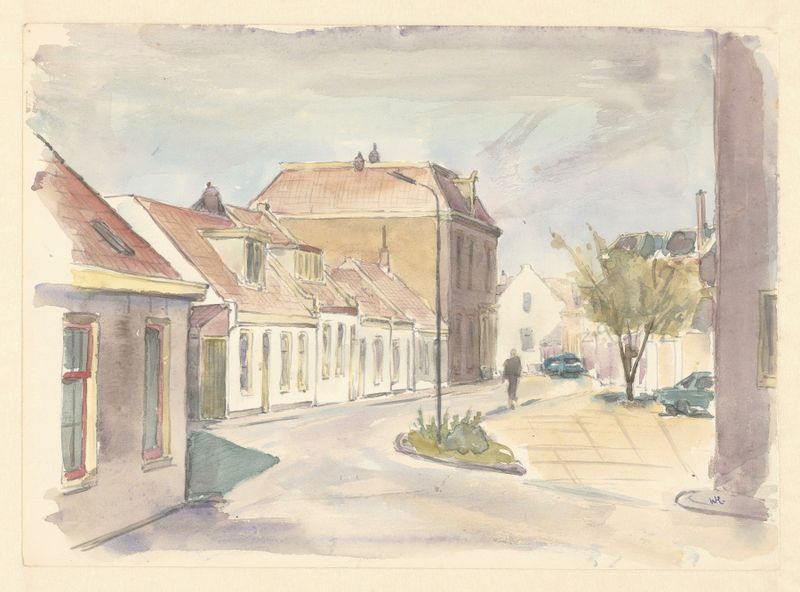
In the stillness of Landscape, desire unfurls like a delicate flower, revealing the paradox of longing cloaked in breathtaking hues. Look to the center of the canvas, where rich golds and deep greens blend seamlessly. The sweeping forms of hills rise and fall, inviting the viewer to traverse the undulating terrain with their eyes. Notice how the light dances across the surface, illuminating patches of color that pulse with life and urgency.
The artist’s brushwork, both spontaneous and deliberate, creates a dynamic tension between chaos and serenity, drawing the gaze into an expansive world of possibility. Yet, beneath the beauty lies a subtle disquiet—a yearning that echoes in the shadows of the landscape. The vibrant colors may evoke warmth, but there’s a coolness to the edges that suggests an unfulfilled desire lingering just beyond reach. The juxtaposition of soft curves and sharp lines hints at the conflict between aspiration and reality, a reminder that even the most idyllic scenes carry the weight of unsaid emotions. Created in the mid-20th century, the artist found inspiration during a transformative period in the art world.
As abstraction and expressionism flourished, this piece reflects not only a personal exploration of longing but also a broader societal shift towards deeper emotional narratives in art. The artist sought to capture the essence of desire, intertwining their own experiences with the evocative landscapes of the human psyche.