Landscape — History & Facts
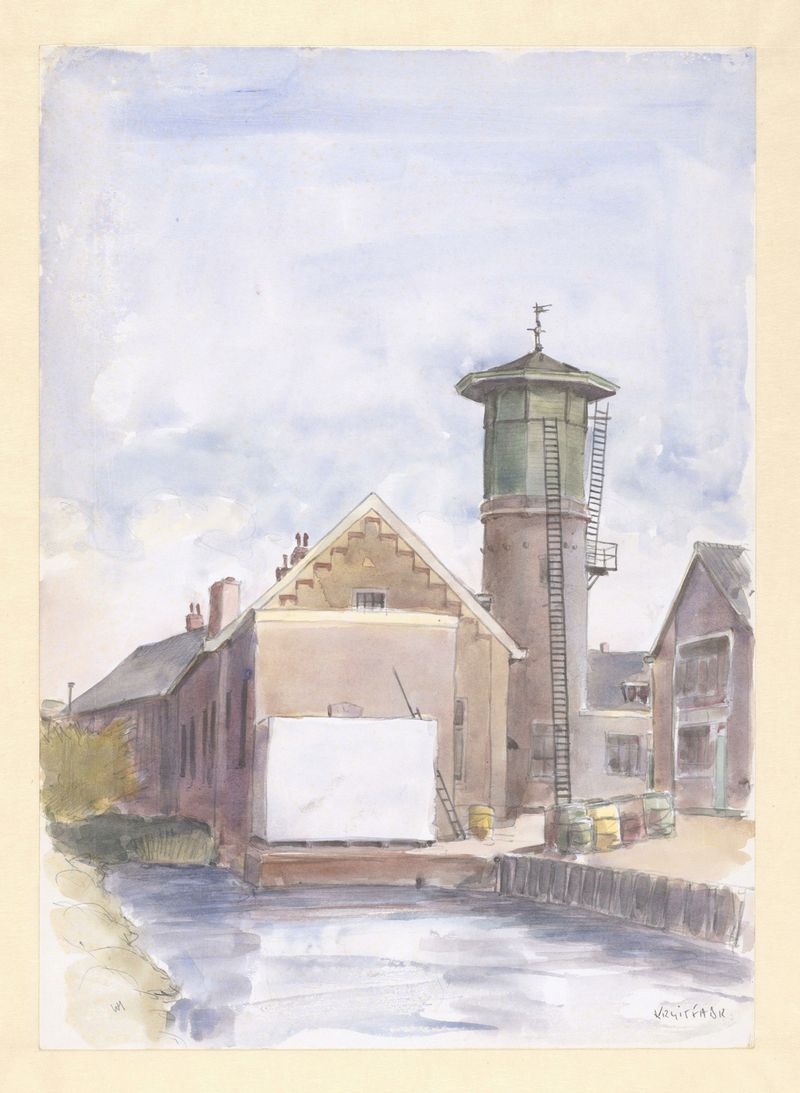
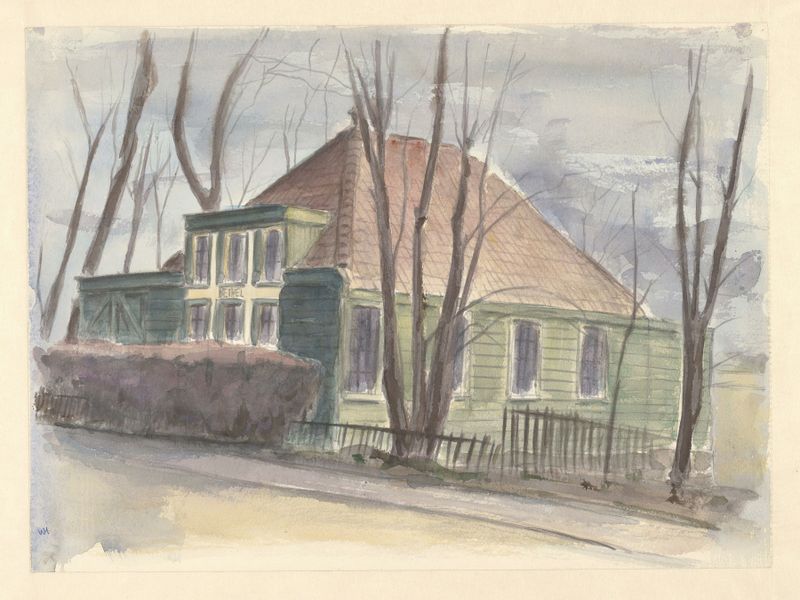
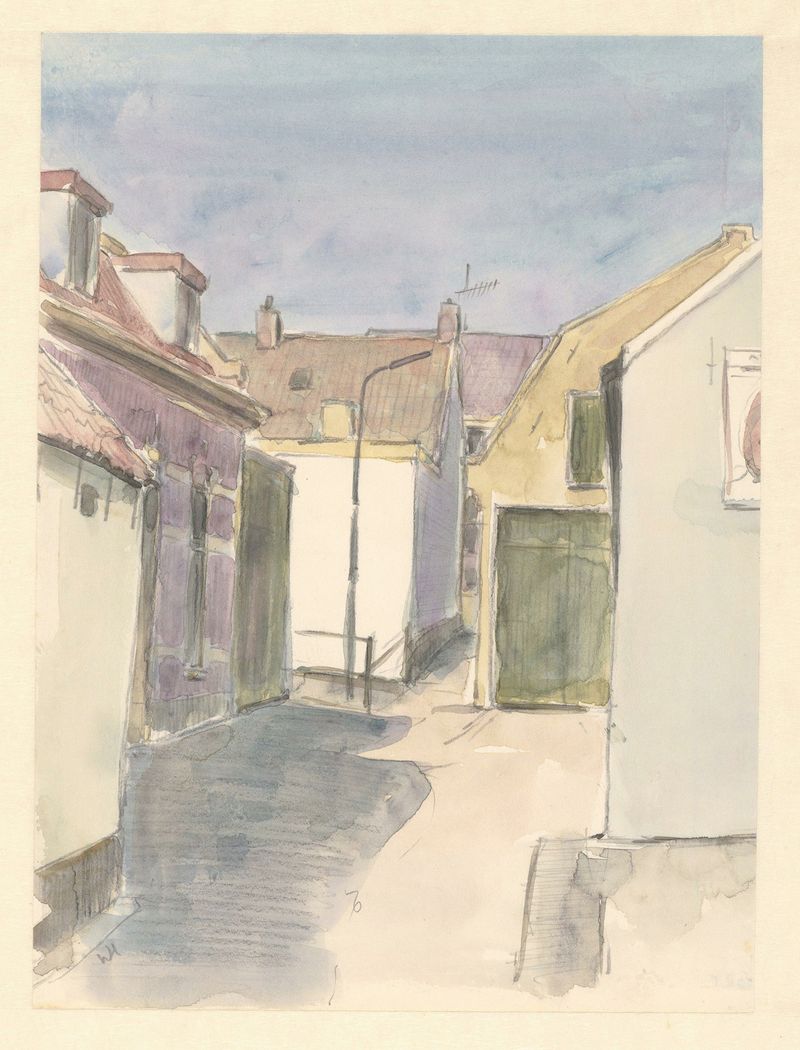
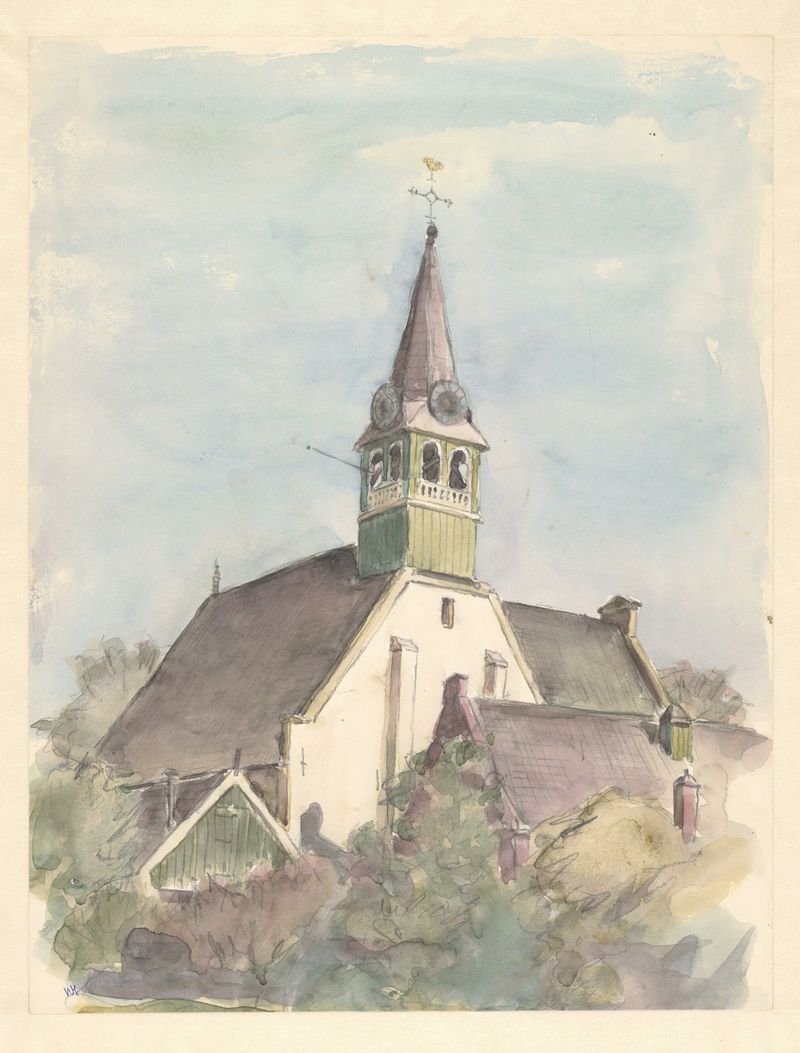
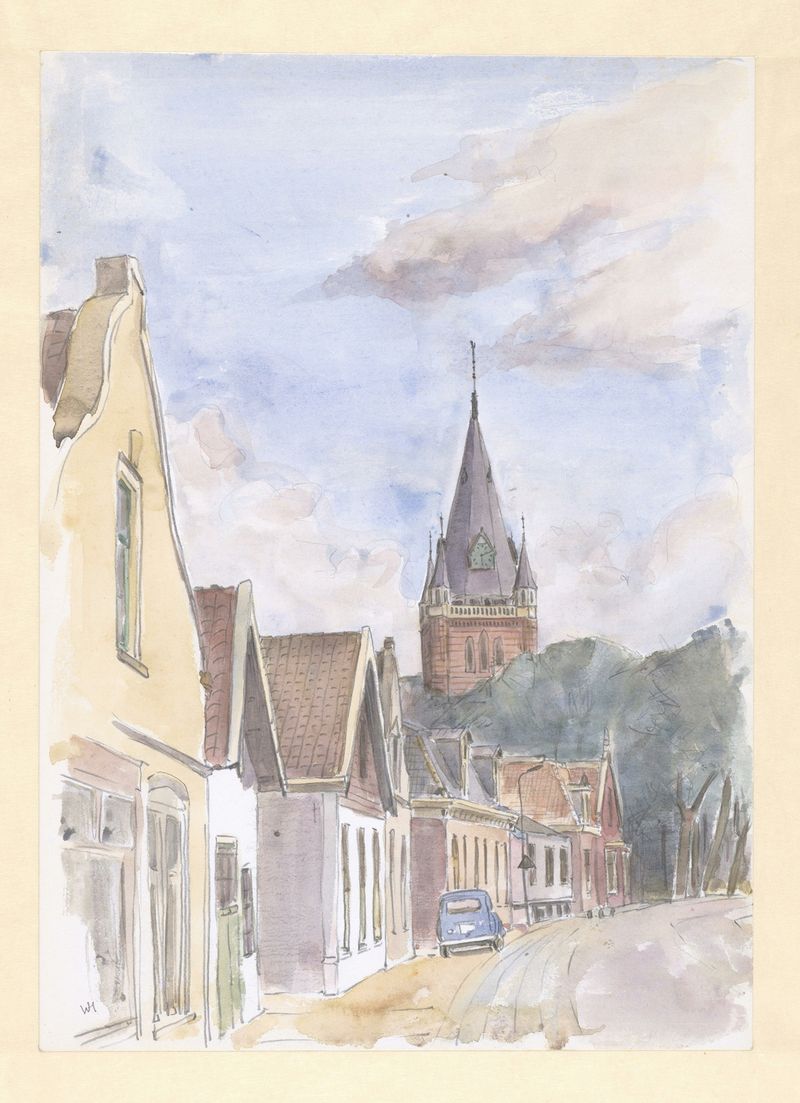
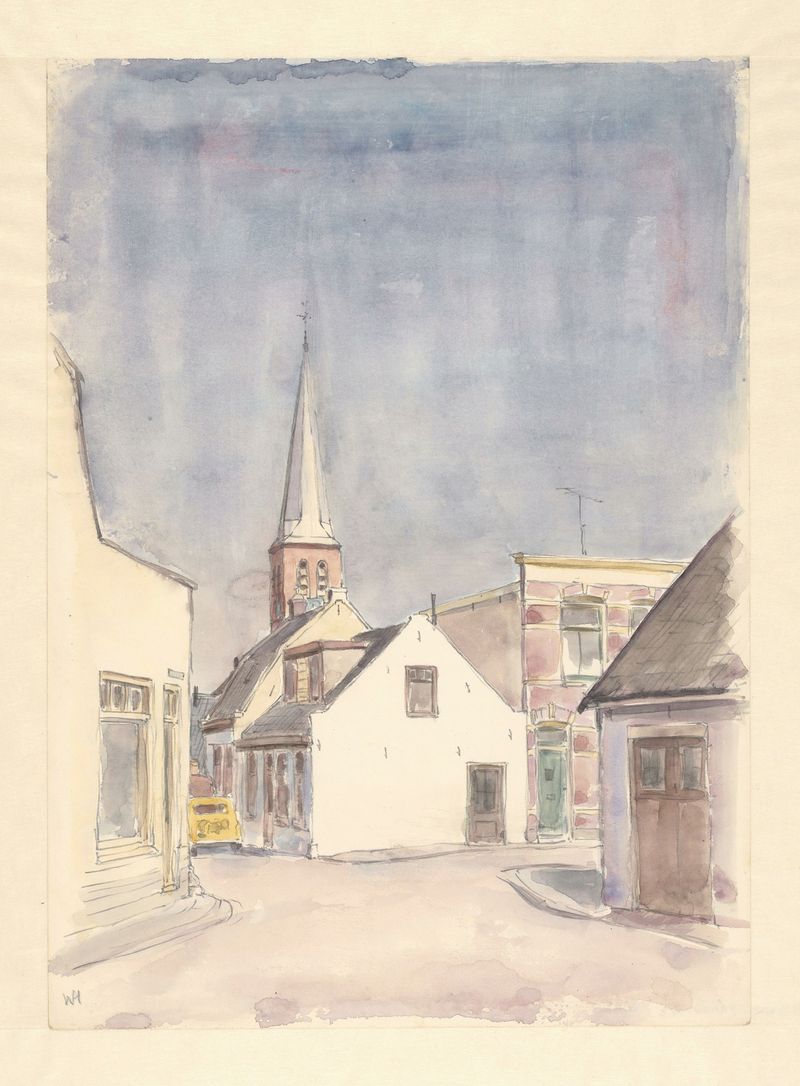
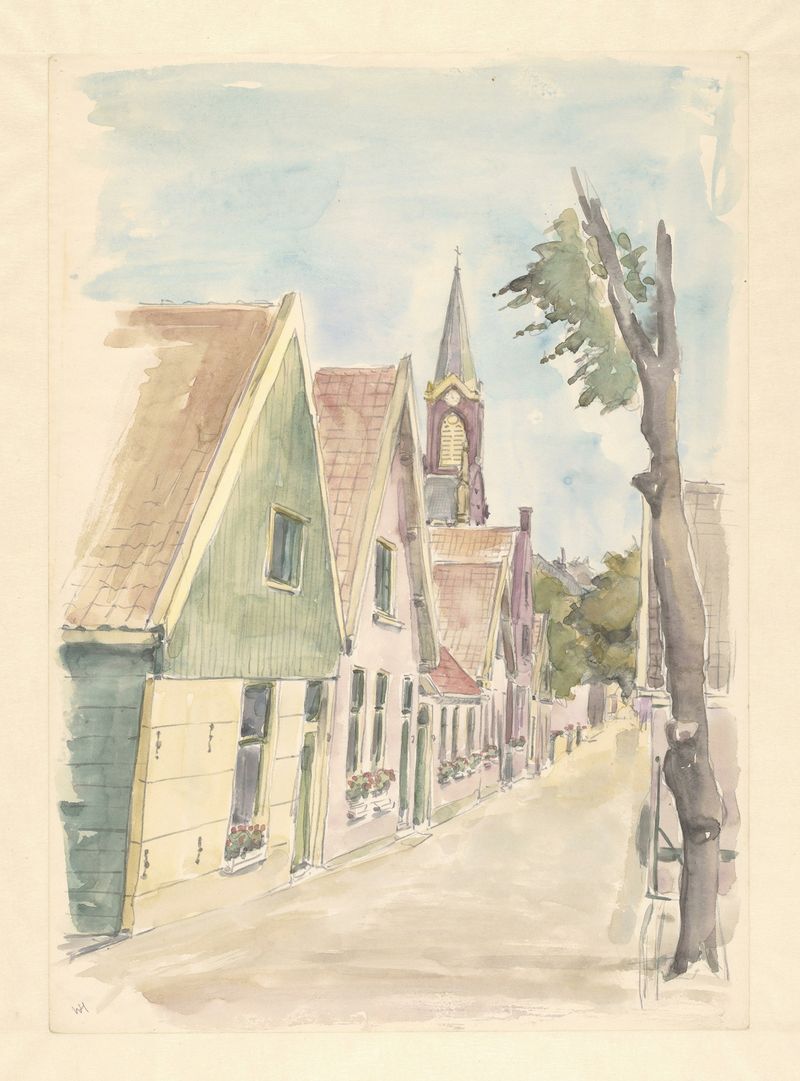
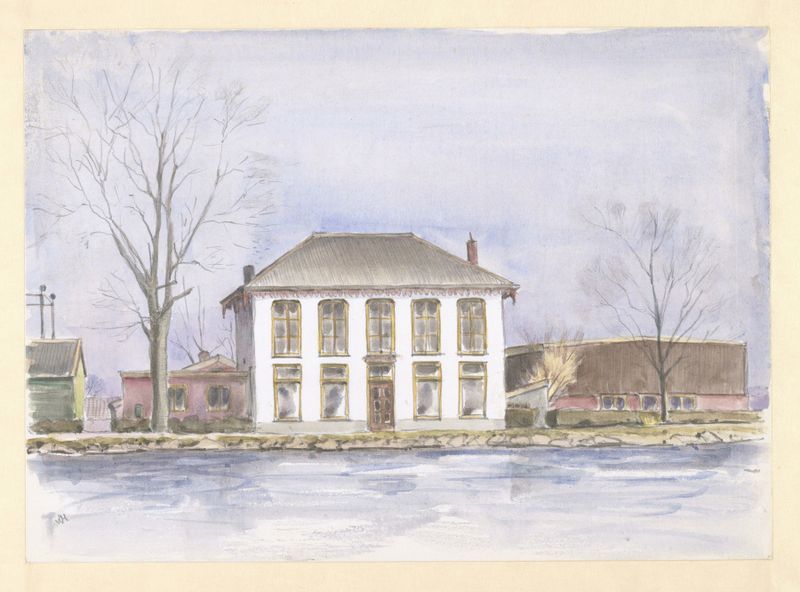
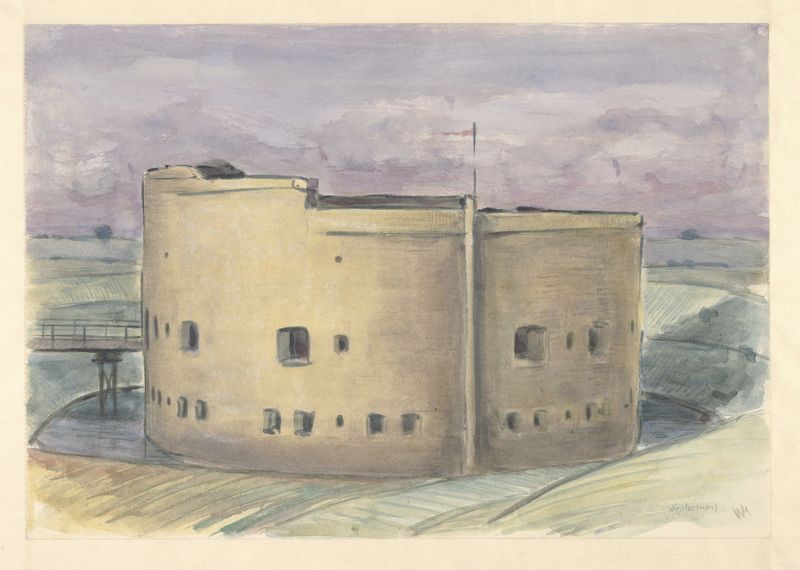
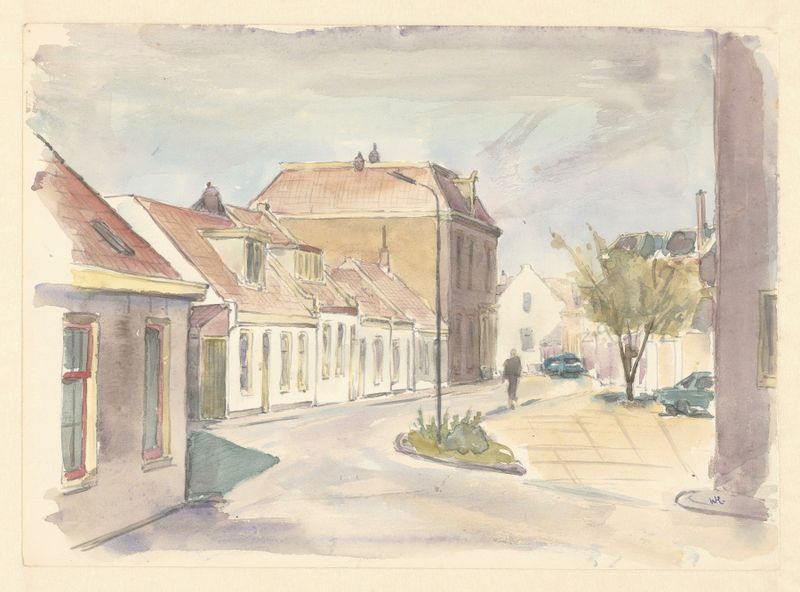
Can beauty exist without sorrow? As we gaze upon the expansive stretch of Landscape, one might ponder the delicate balance between joy and desolation woven into the fabric of existence. Focus on the horizon where the sky and land meet, a blend of muted greens and soft grays suggesting an infinite distance. The brushstrokes are fluid yet restrained, creating a sense of calm starkness that envelops the viewer. Notice how the light, almost ethereal, filters through the clouds, casting a subtle glow over the scene, as if nature itself holds its breath.
This interplay of color and texture compels us to explore deeper, revealing a landscape that feels both inviting and hauntingly vacant. In this vastness, one might detect a whispered solitude, an emotional tension between the beauty of the setting and the echoing emptiness it conveys. The absence of figures invites contemplation, emphasizing the loneliness inherent in nature's grandeur. It suggests that while the earth may be alive with color, there exists a profound void that resonates within the soul, a reminder that beauty often carries the weight of melancholic reflection. Wim Hagemans painted Landscape in the latter half of the 20th century, during a period when artists were exploring abstraction and minimalism.
Living in a world shifting toward modernity, he sought to capture the essence of landscapes that felt both timeless and transient. This work reflects the artist's personal journey through a changing society, echoing a collective sense of longing and introspection that characterized the era.