Landscape — History & Facts
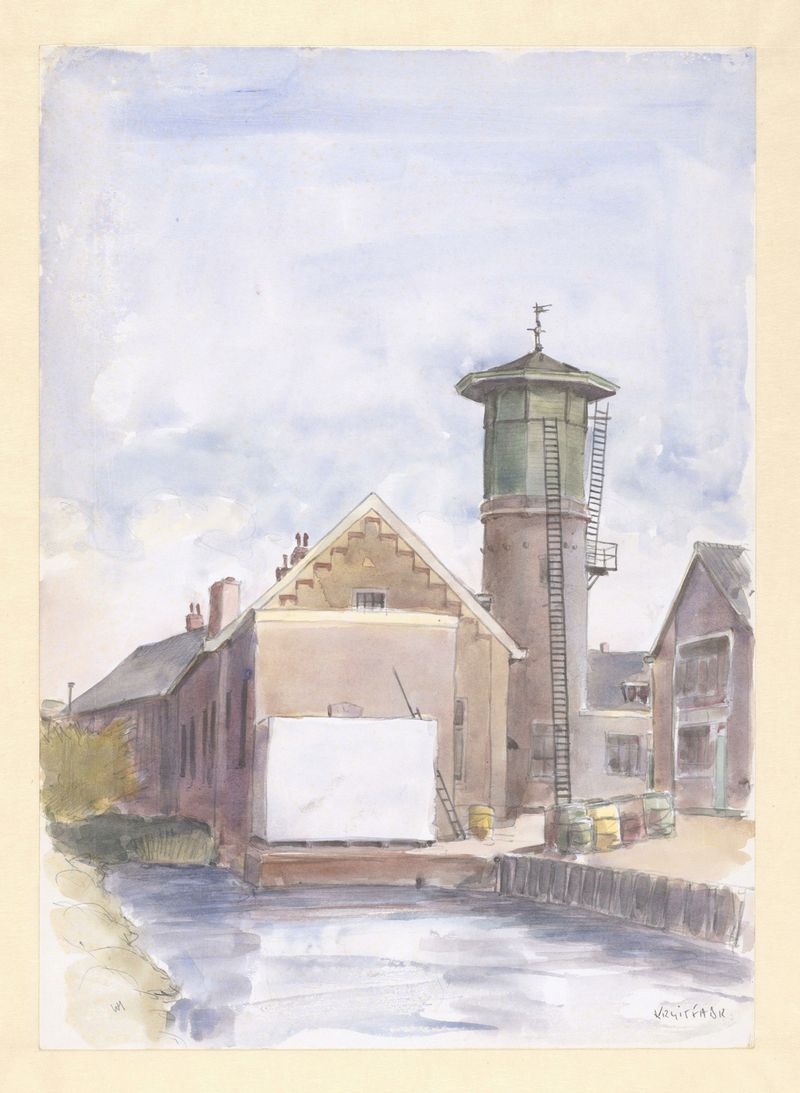
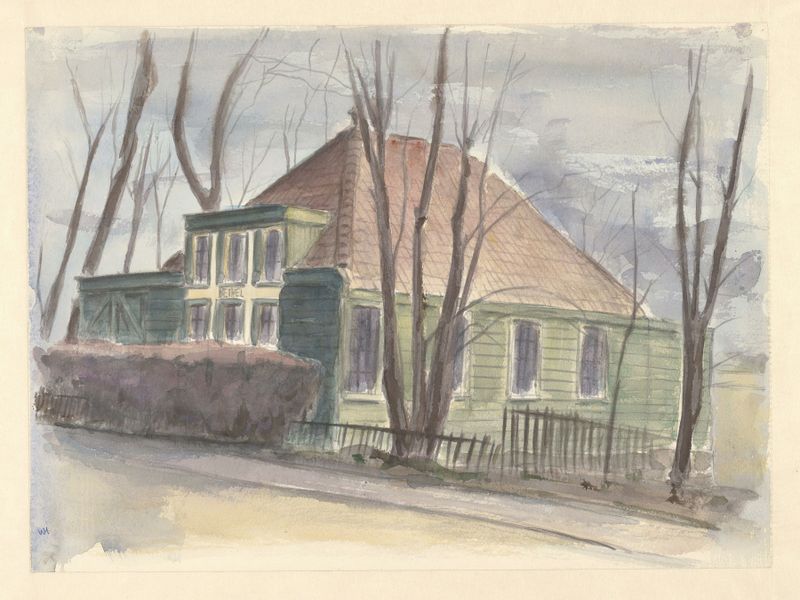
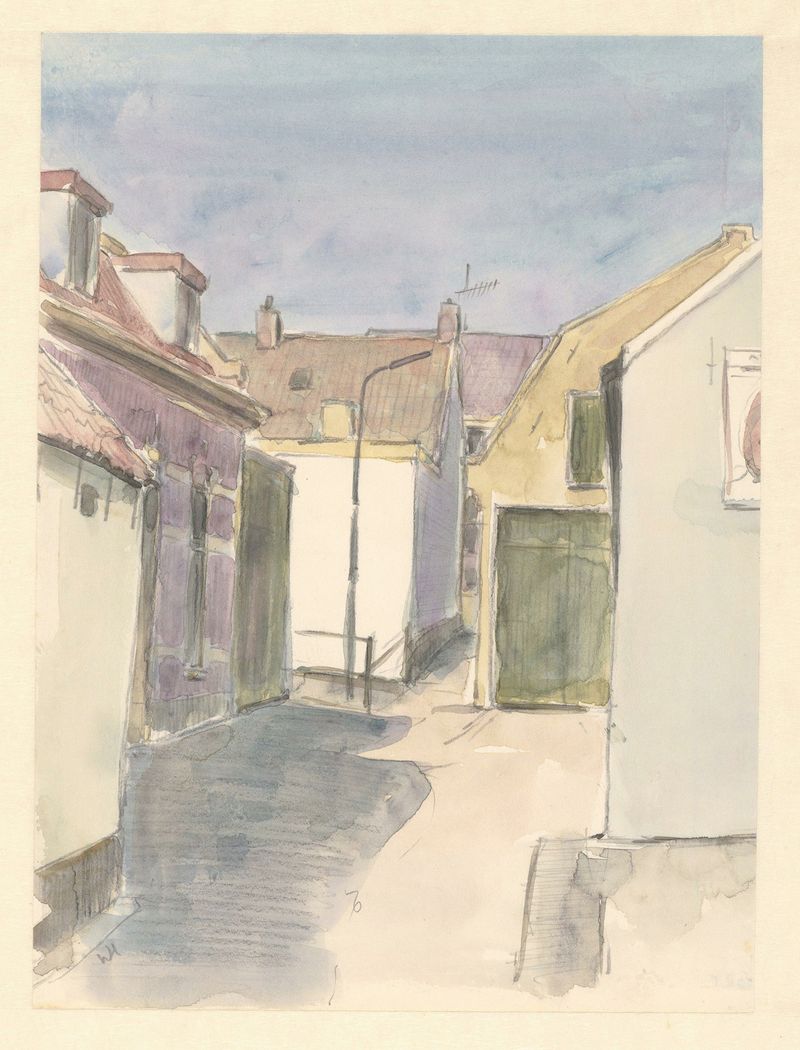
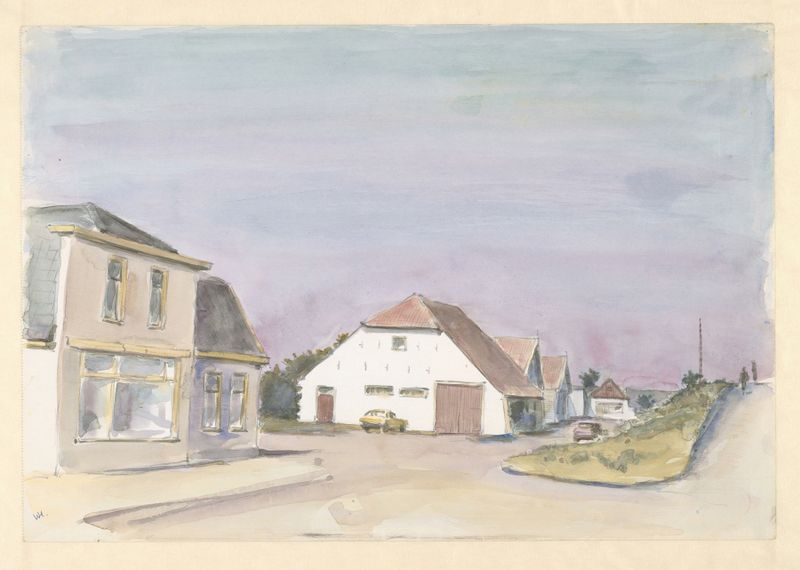
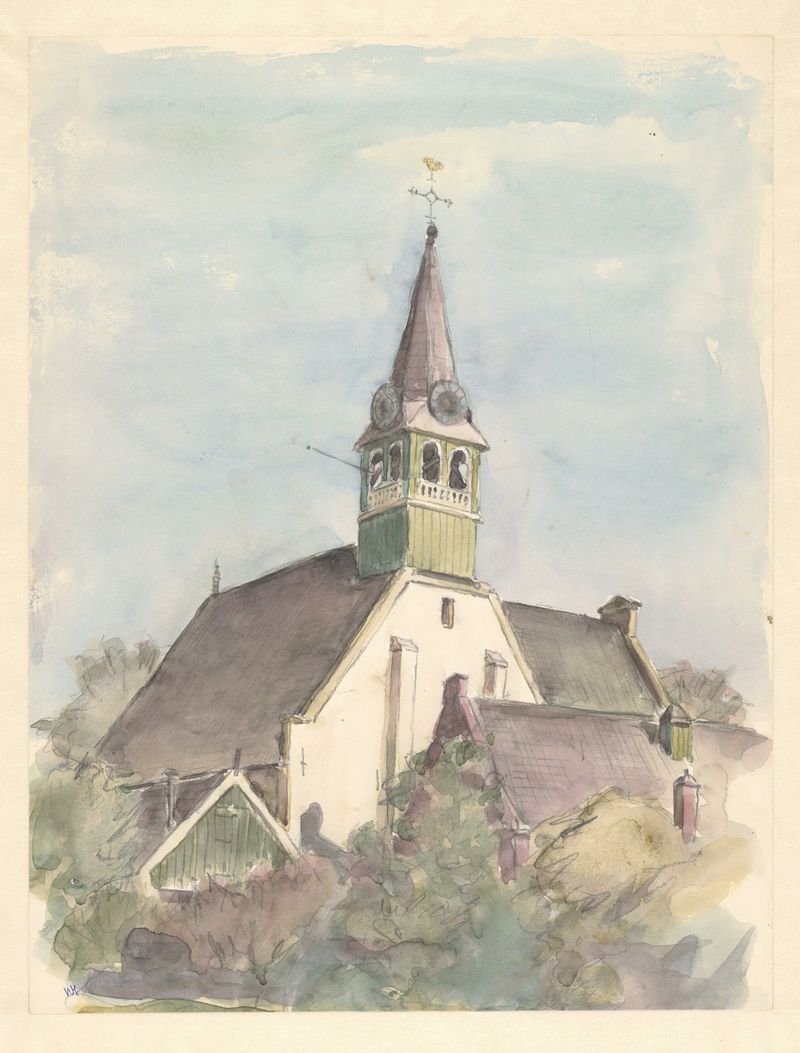
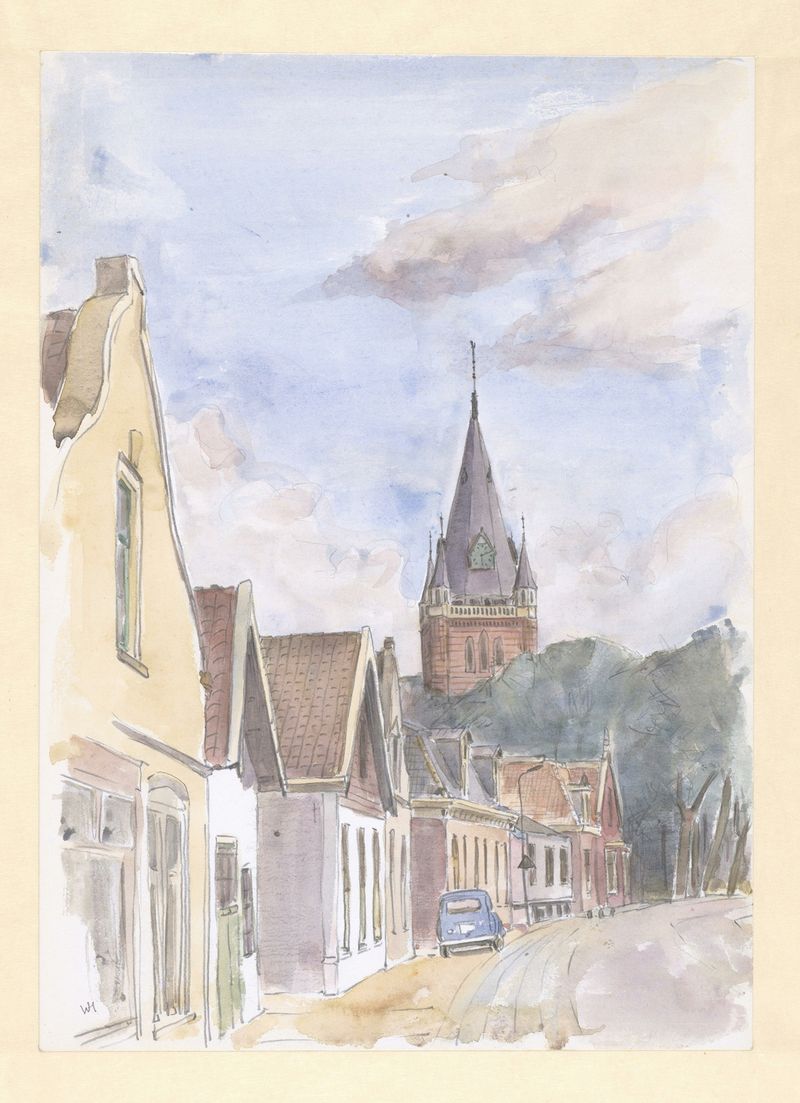
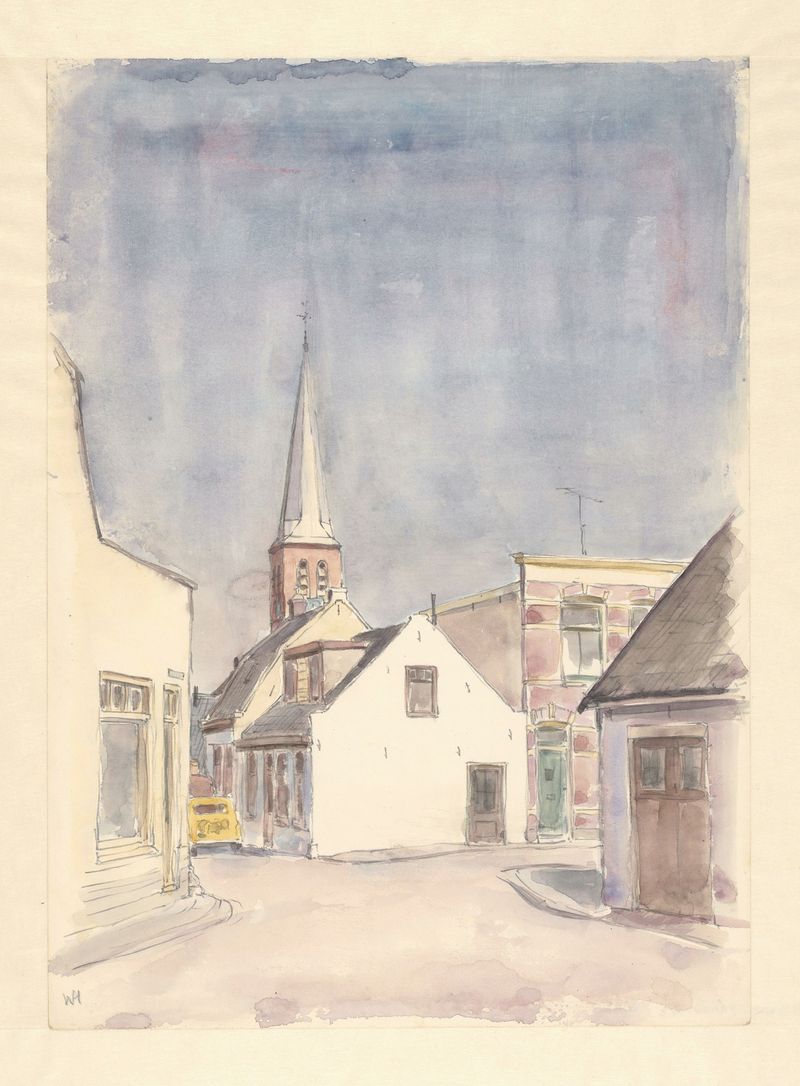
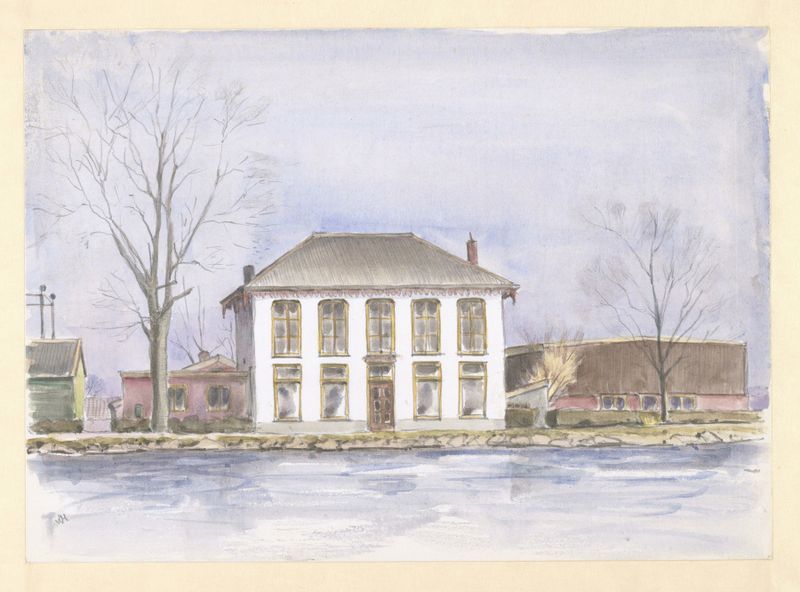
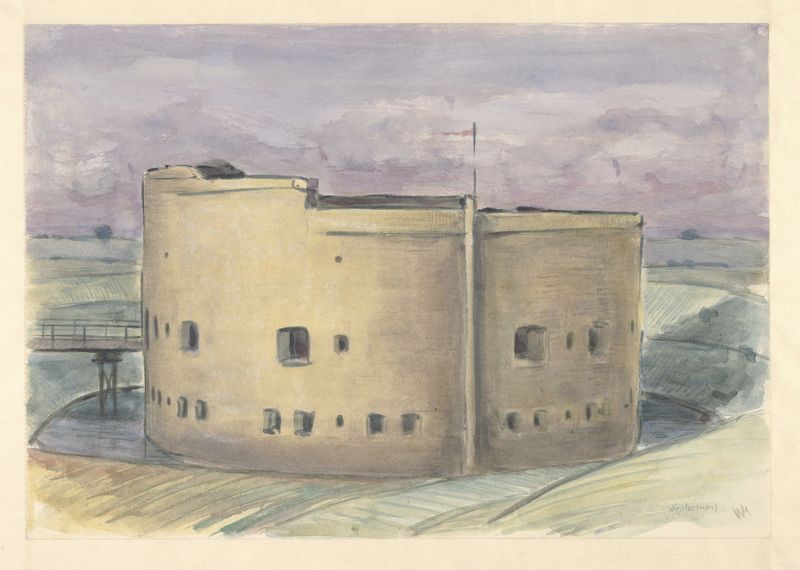
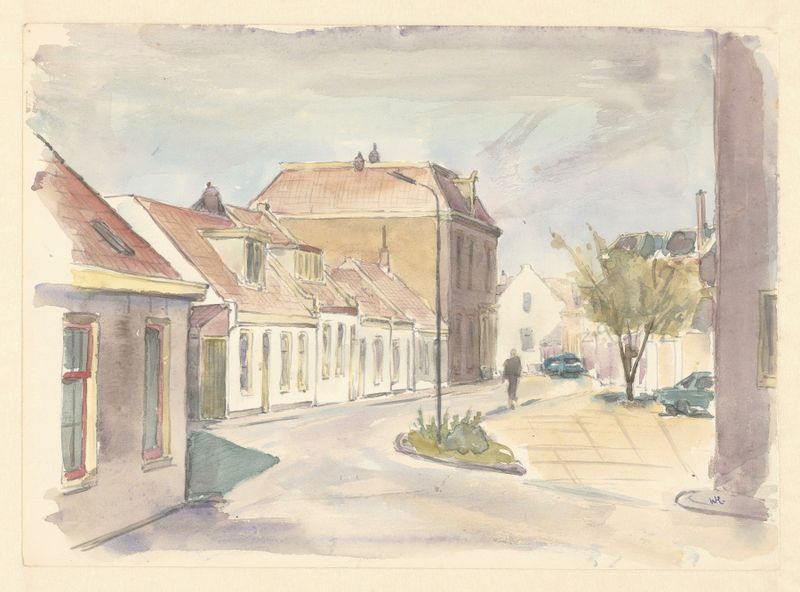
Can beauty exist without sorrow? In Landscape, the answer lies in the delicate balance between light and shadow, harmony and discord that whispers of both joy and melancholy. Focus on the interplay of colors stretching across the canvas, where vibrant greens meet muted browns. Notice how the horizon line draws your eye toward a distant horizon, creating a sense of depth that invites contemplation. The brushwork, fluid yet precise, captures the movement of grass swaying in an unseen breeze, while soft, diffused light radiates warmth, illuminating the scene with a transient glow. As you delve deeper, the subtle variations in color unveil emotional tensions that resonate within the landscape.
The hints of gray clouds against the bright sky evoke an impending storm, symbolizing the fragility of peace in nature. The viewer is left to ponder the fleeting beauty of the moment, a reminder that tranquility often coexists with chaos, echoing the complexities of life itself. Created in the 20th century, this artwork reflects the artist's exploration of natural themes during a time of significant artistic evolution. As Wim Hagemans painted, the art world was embracing new perspectives, blurring the boundaries between realism and abstraction.
The emotional resonance of his work speaks to a period where artists sought to capture not just the external beauty of nature, but the internal experiences of their own existence.