Landscape — History & Facts
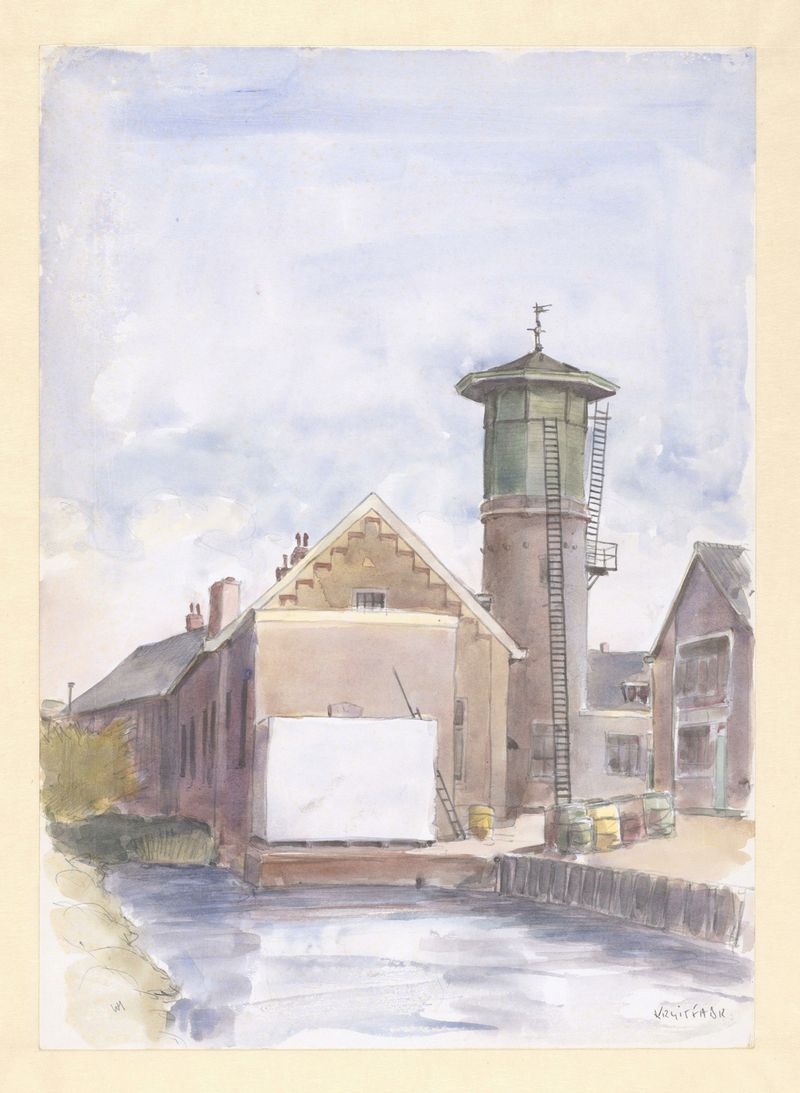
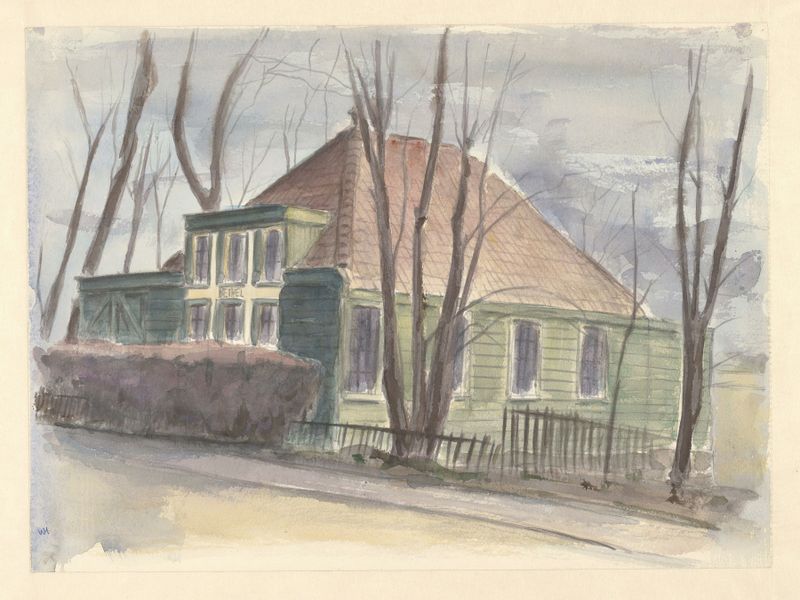
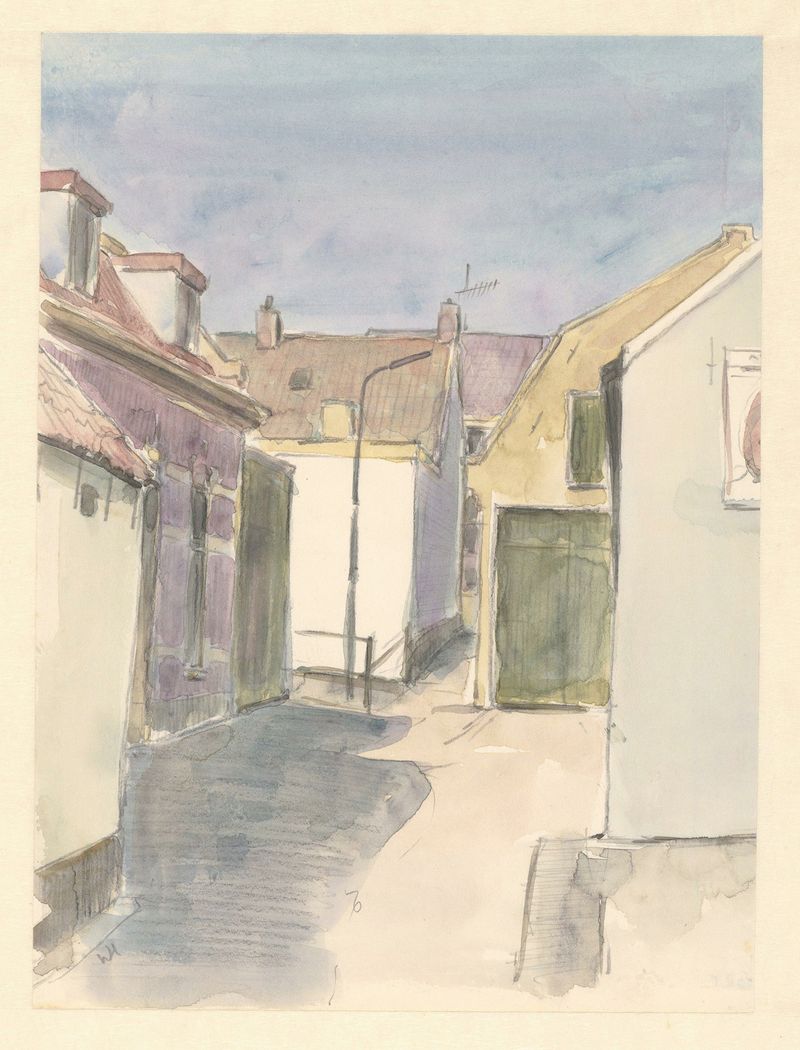
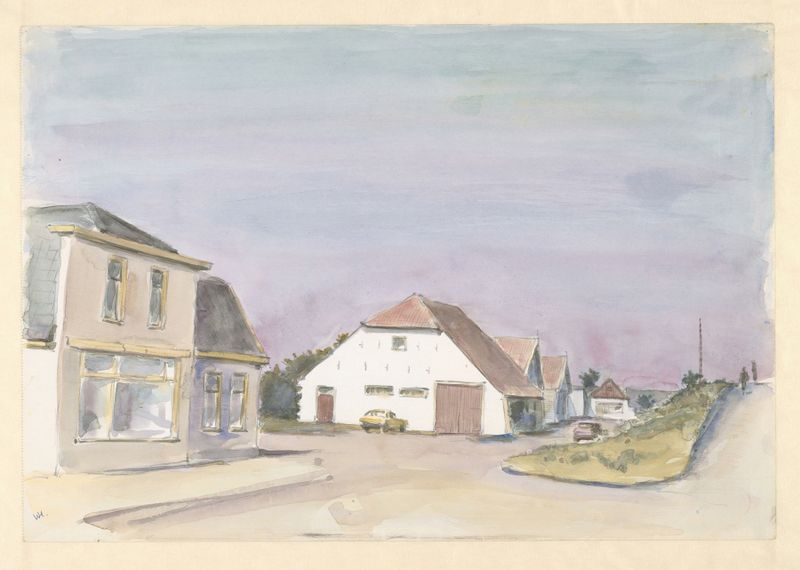
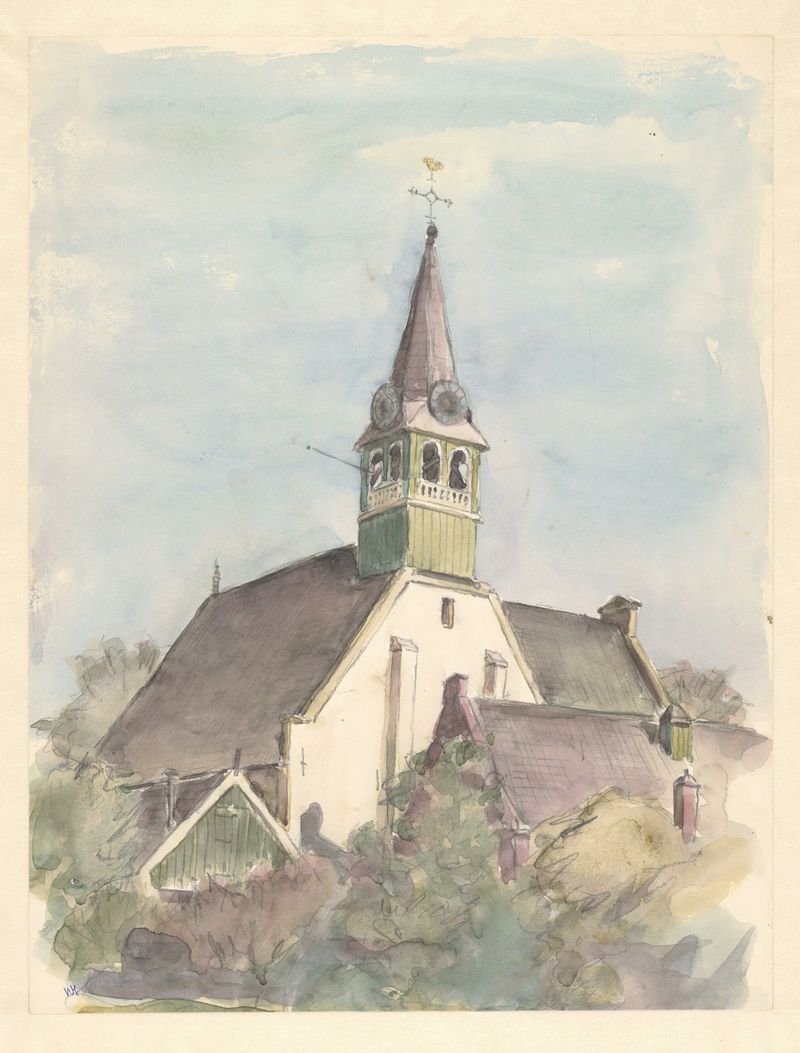
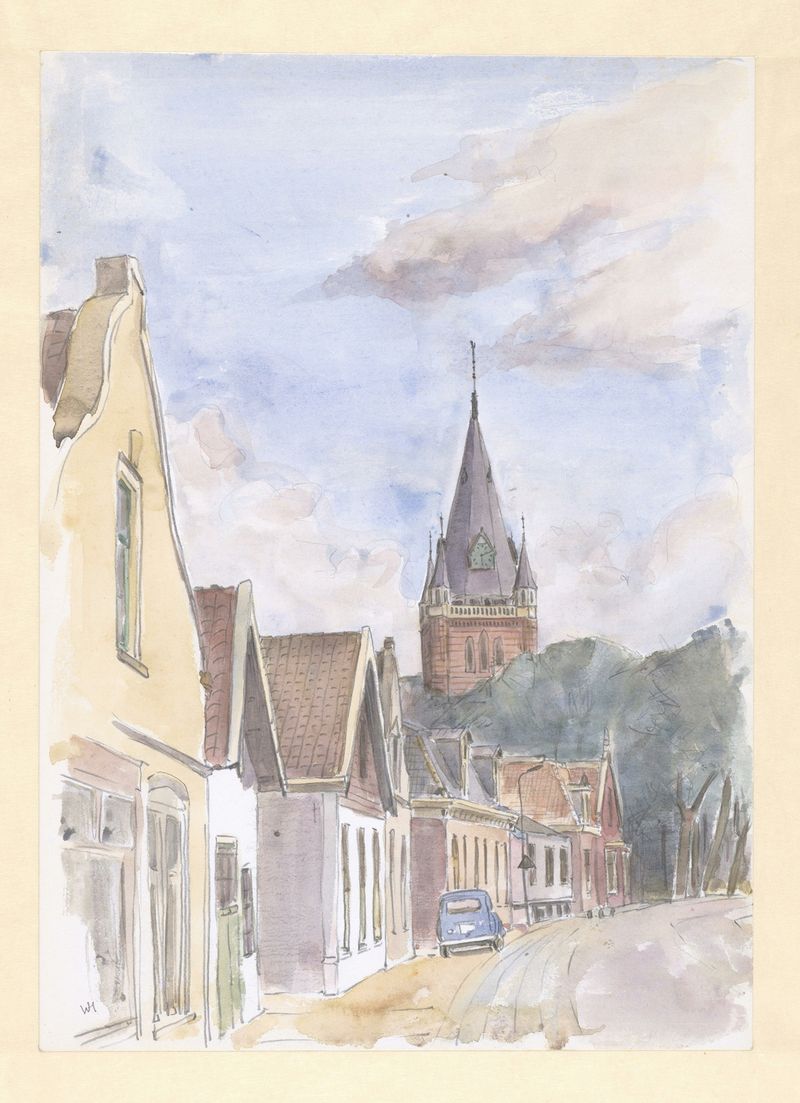
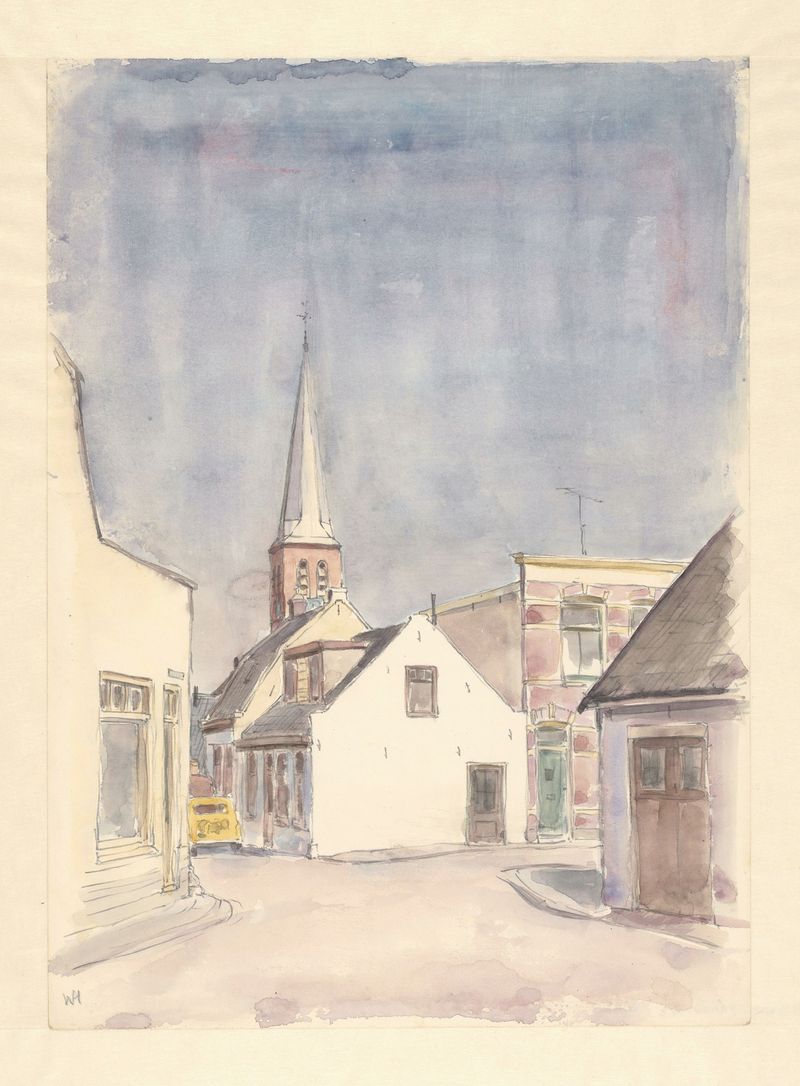
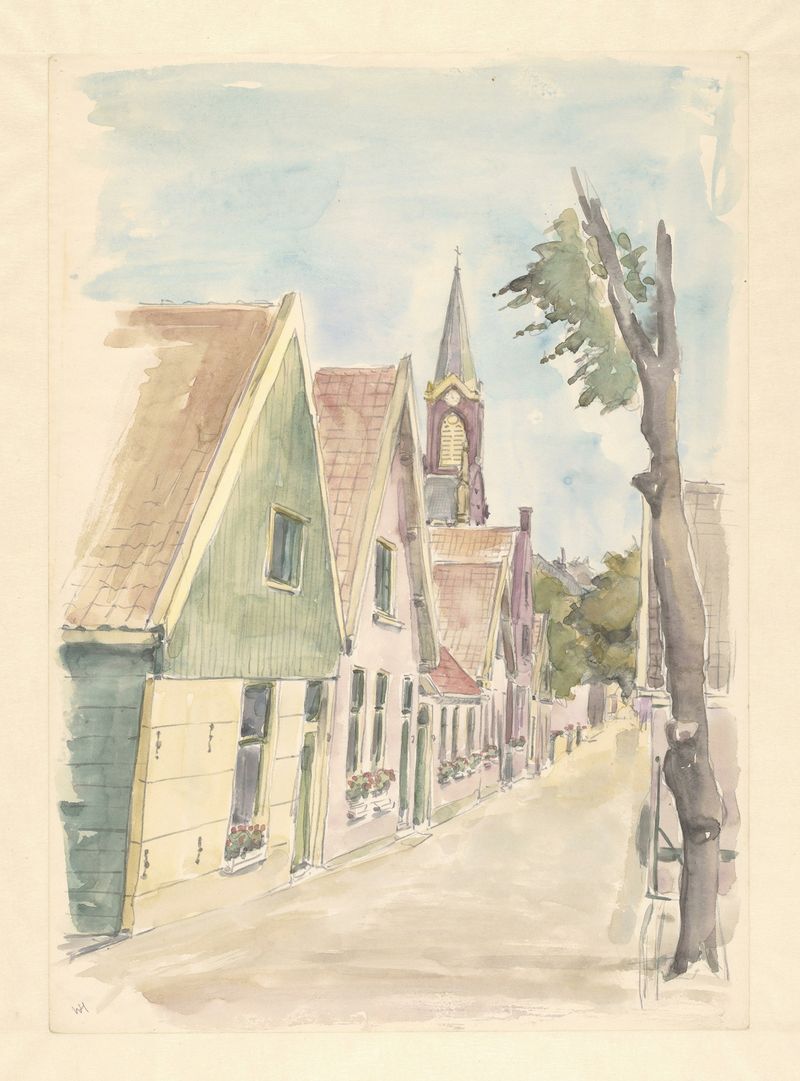
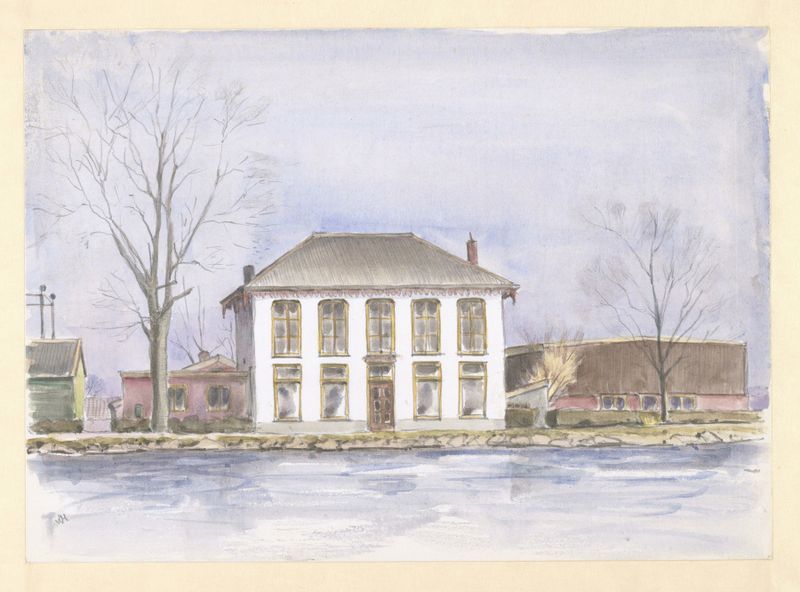
Is this a mirror — or a memory? In Wim Hagemans' Landscape, the boundary between reality and imagination blurs, inviting questions that echo in the silence of the viewer's mind. Look to the center where a serene expanse of water reflects a cloud-strewn sky. The brushstrokes exhibit an almost frenetic energy, suggesting a tension beneath the surface calm. Notice how the vibrant greens and deep blues intertwine with splashes of brighter hues, creating an unsteady harmony that captivates yet unsettles.
The chaotic layering of paint evokes a sense of urgency, compelling the eye to wander and observe the delicate interplay of colors. As you explore the edges, subtle details emerge that hint at deeper narratives: fragmented forms suggestive of trees stand like silent witnesses to an unseen event, while indistinct shapes loom in the background, evoking a sense of madness lurking just out of sight. The juxtaposition of tranquility and underlying chaos resonates with the complexities of memory itself, prompting reflection on how the mind distorts the past. In the 20th century, Hagemans crafted this work during a period marked by a post-war questioning of reality and identity. He was living in a rapidly changing world, influenced by both the devastation of war and the burgeoning modernist movement in art.
This landscape serves not only as a visual representation of nature but also as a canvas for exploring the psychological landscape of human experience.