Landscape — History & Facts
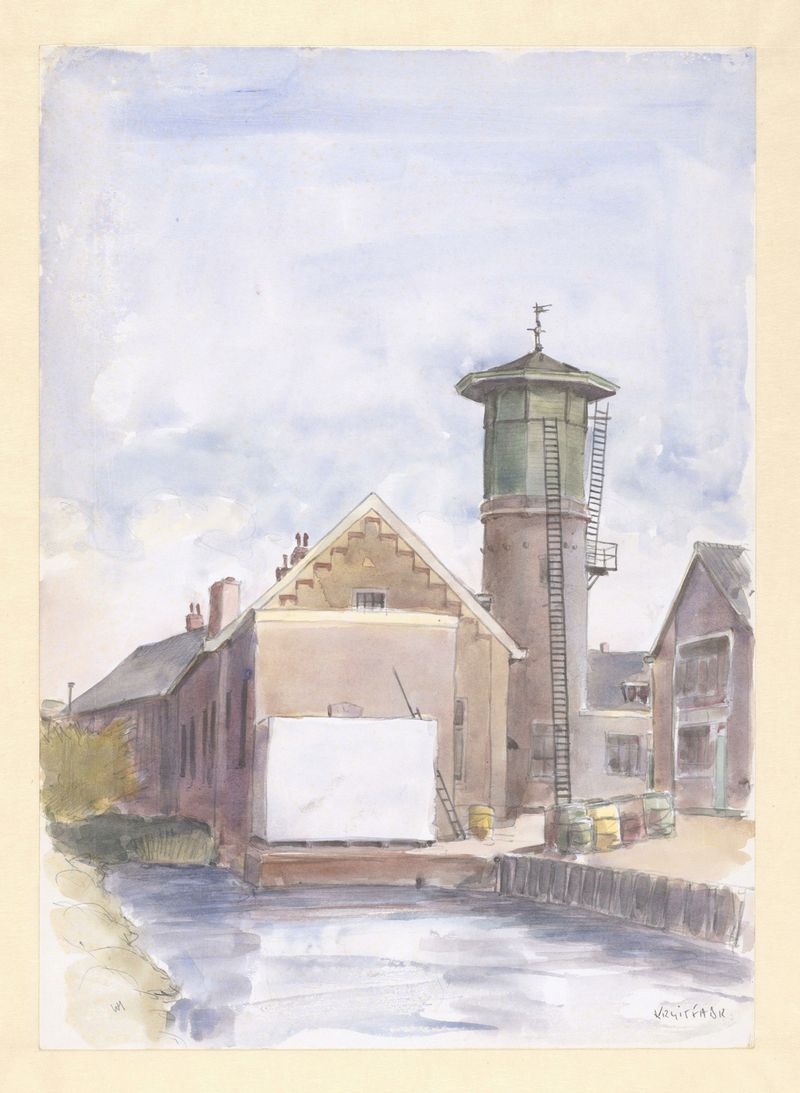
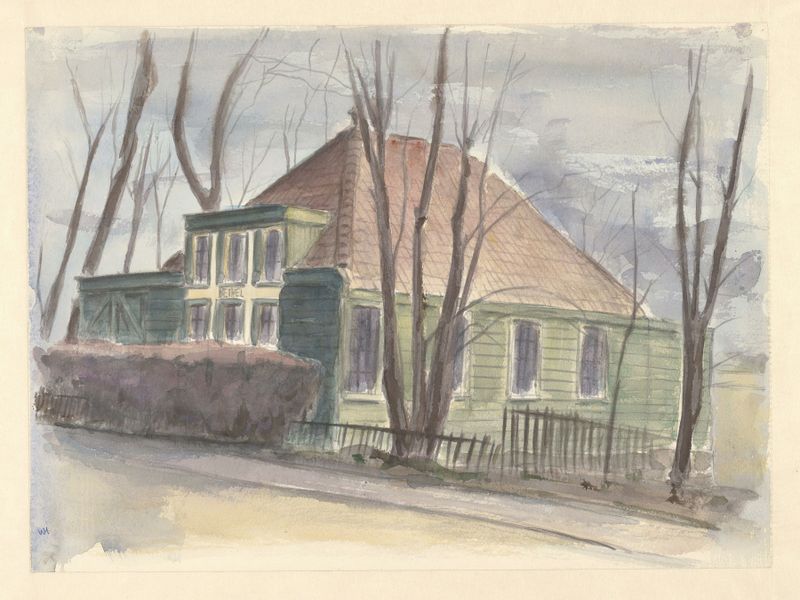
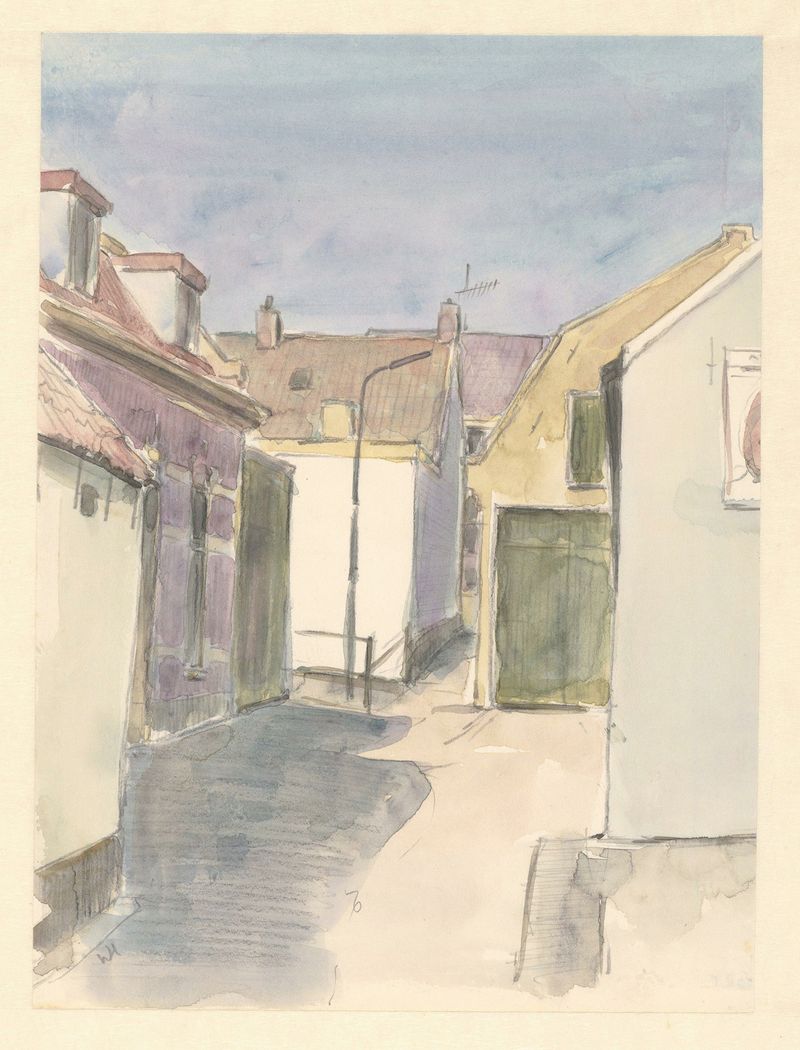
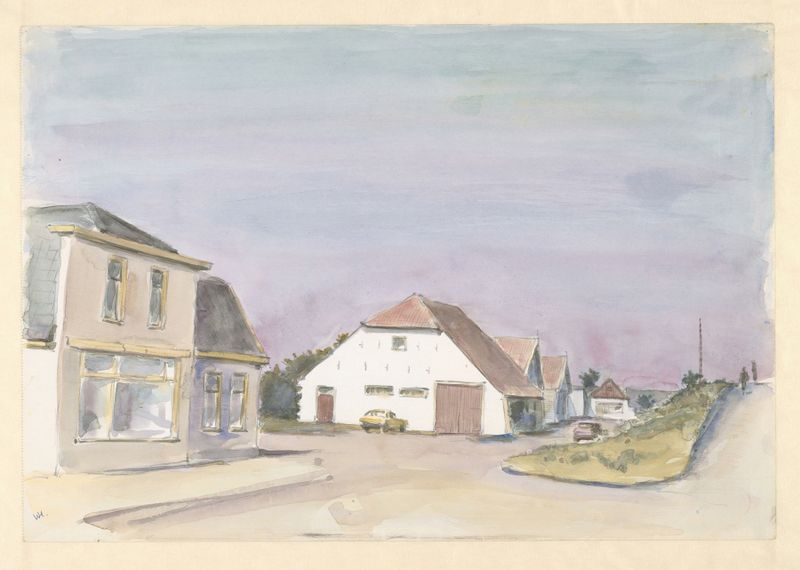
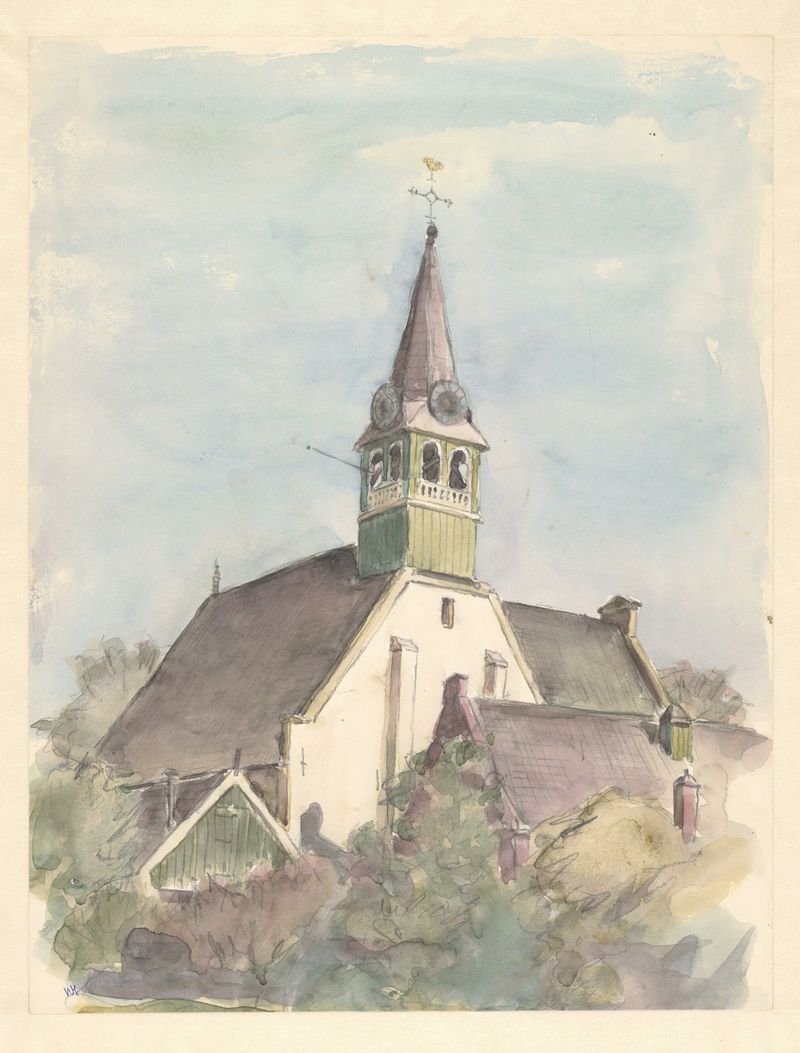
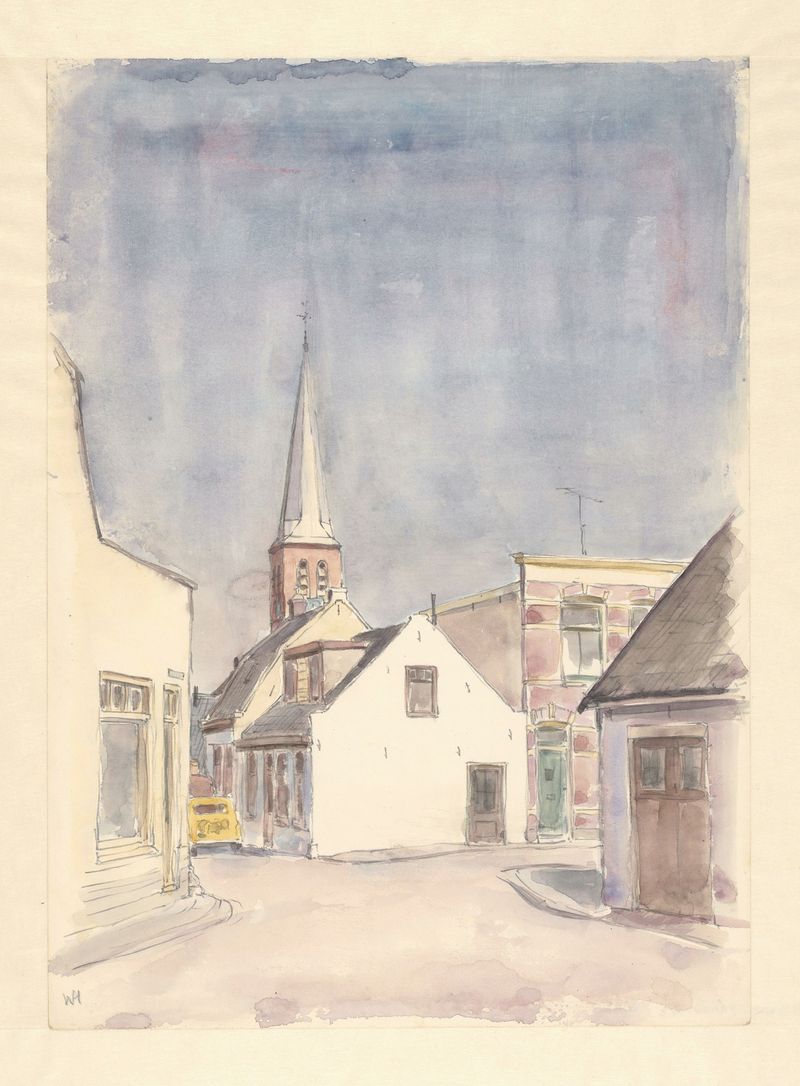
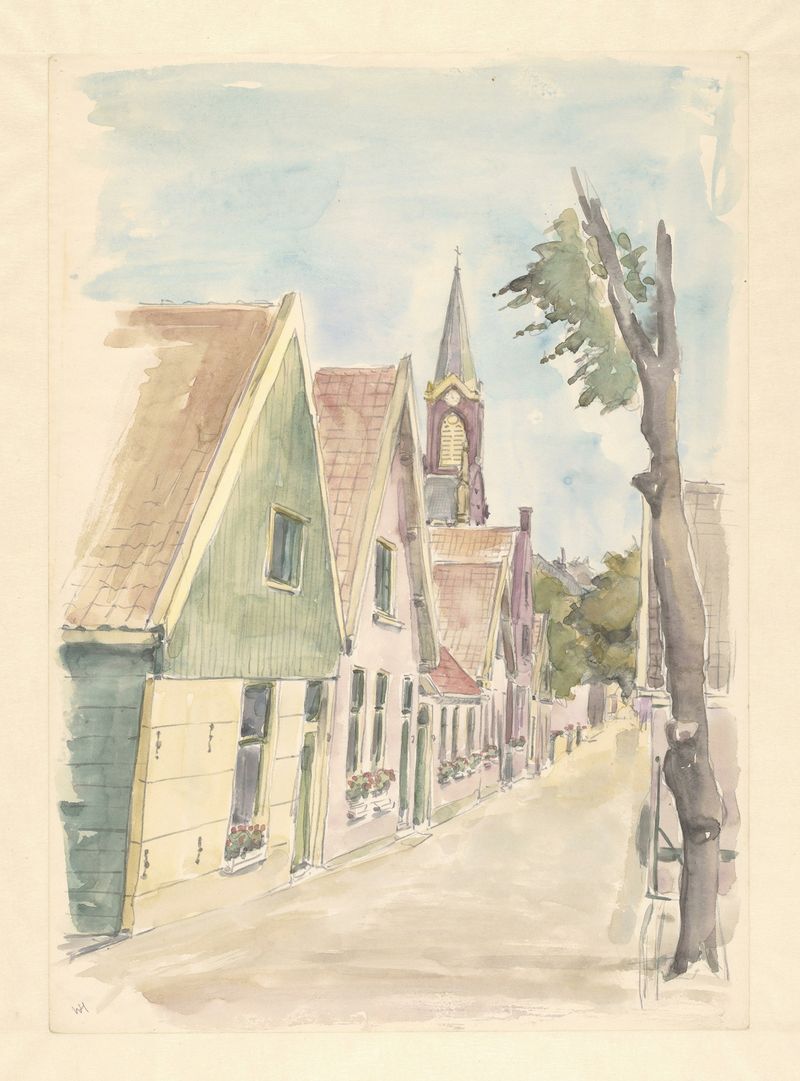
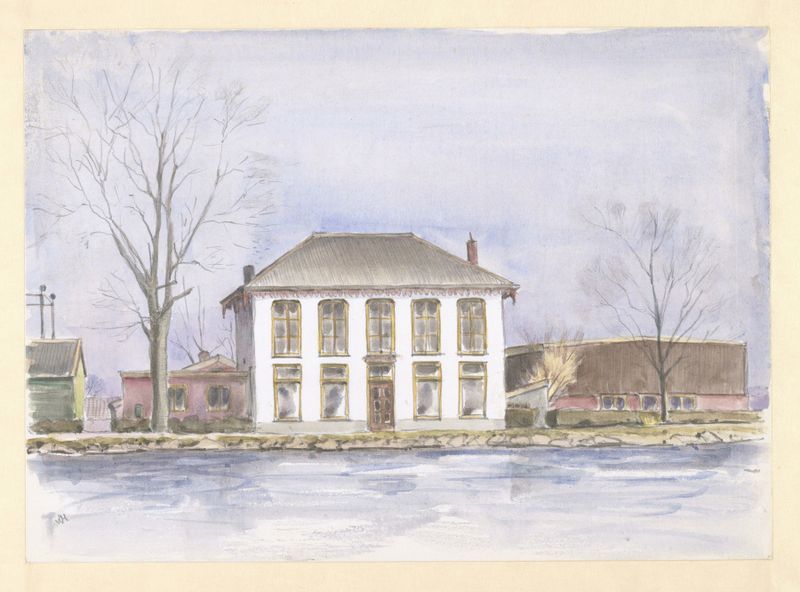
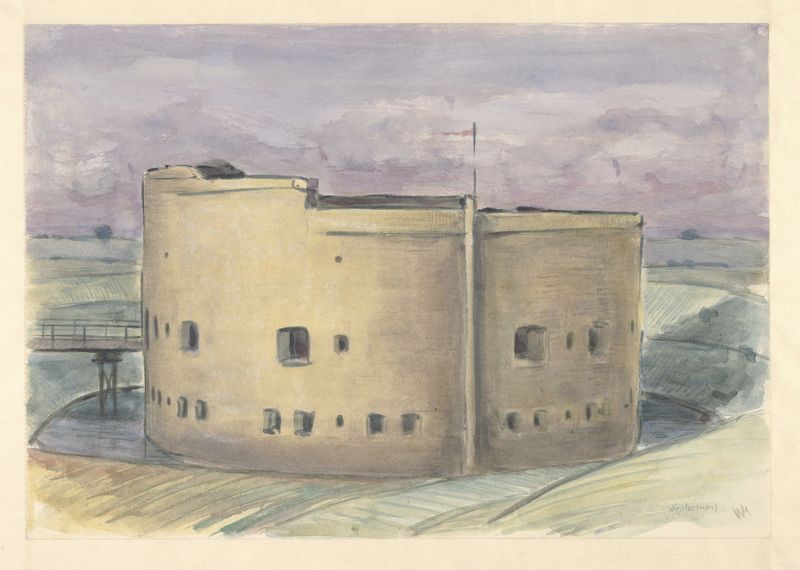
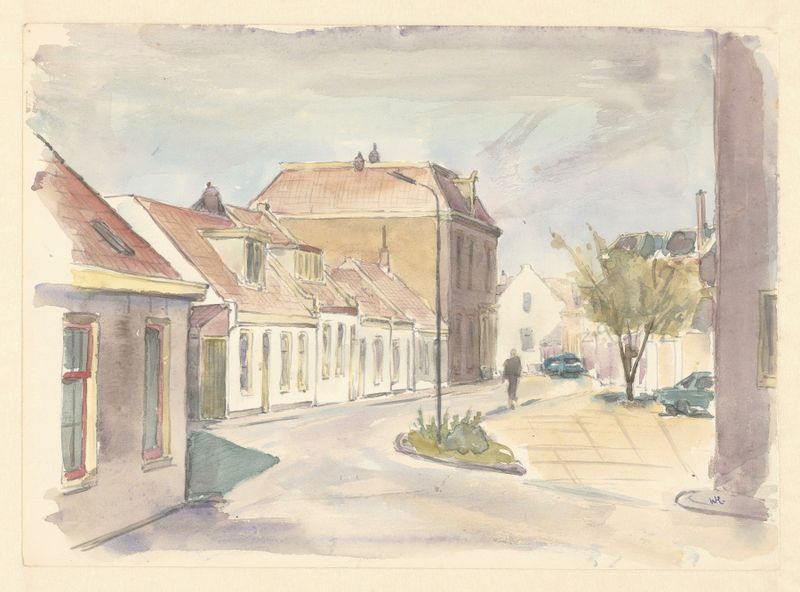
In a world bursting with innocence, a landscape whispers of untouched beauty, inviting the soul to pause and reflect. It beckons us to consider the fragility of our connection to nature and the purity that exists beneath layers of modernity. Look to the center of the canvas where vibrant greens and soft blues blend seamlessly, creating a harmony that draws the eye. Notice how the brushstrokes dance lightly across the surface, imbuing the scene with movement and life.
The composition balances light and shadow, revealing a tranquil expanse punctuated by gentle hills and a serene sky. The choice of color is intentional, evoking a sense of calm while also hinting at the complexities of the landscape that lies just beyond the frame. Delve deeper into the subtle contrasts: the juxtaposition of wild, untamed elements with hints of cultivated order speaks to the tension between humanity and nature. Shadows linger at the edges, suggesting that innocence is often threatened by encroaching chaos.
Each detail, from the delicate flowers to the expansive horizon, prompts contemplation of what is lost and what remains pure in our interactions with the natural world. In the 20th century, as society grappled with rapid change and the fallout of two World Wars, Hagemans captured Landscape as a response to this tumult. Painting during a time of renewal and introspection, he sought to return to simpler forms of beauty, reflecting a longing for the innocence that he felt was slipping away amidst modern realities.