Landscape — History & Facts
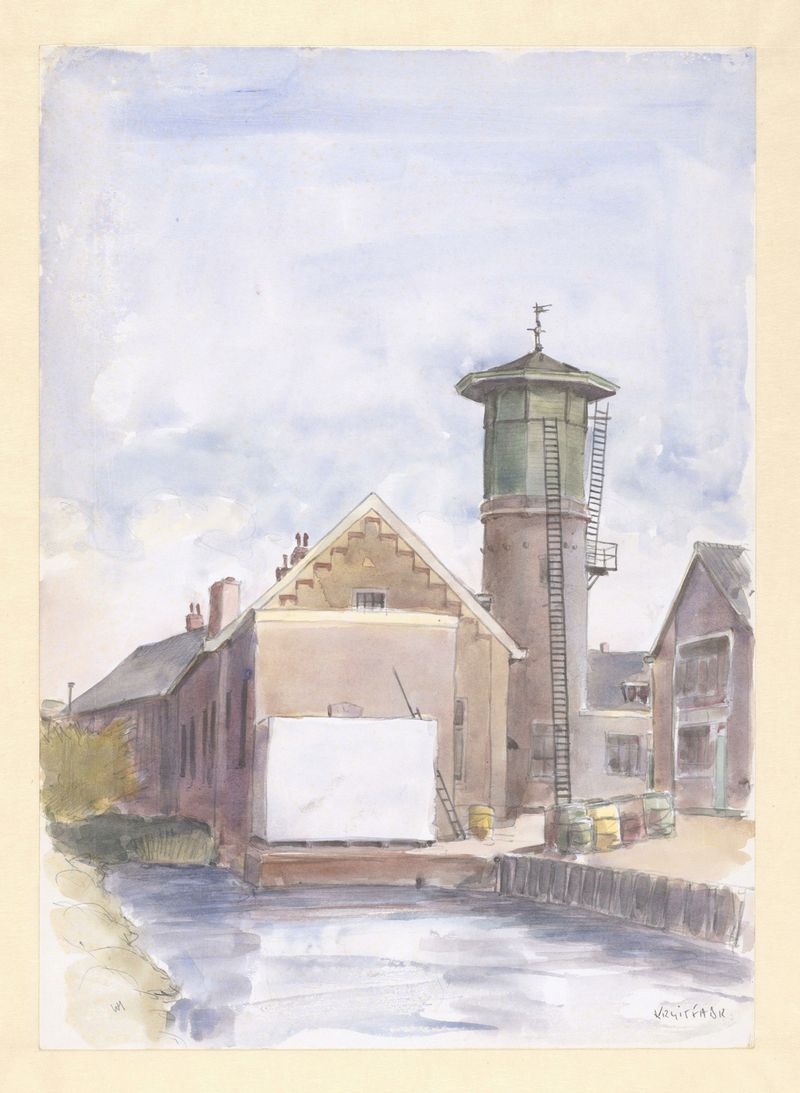
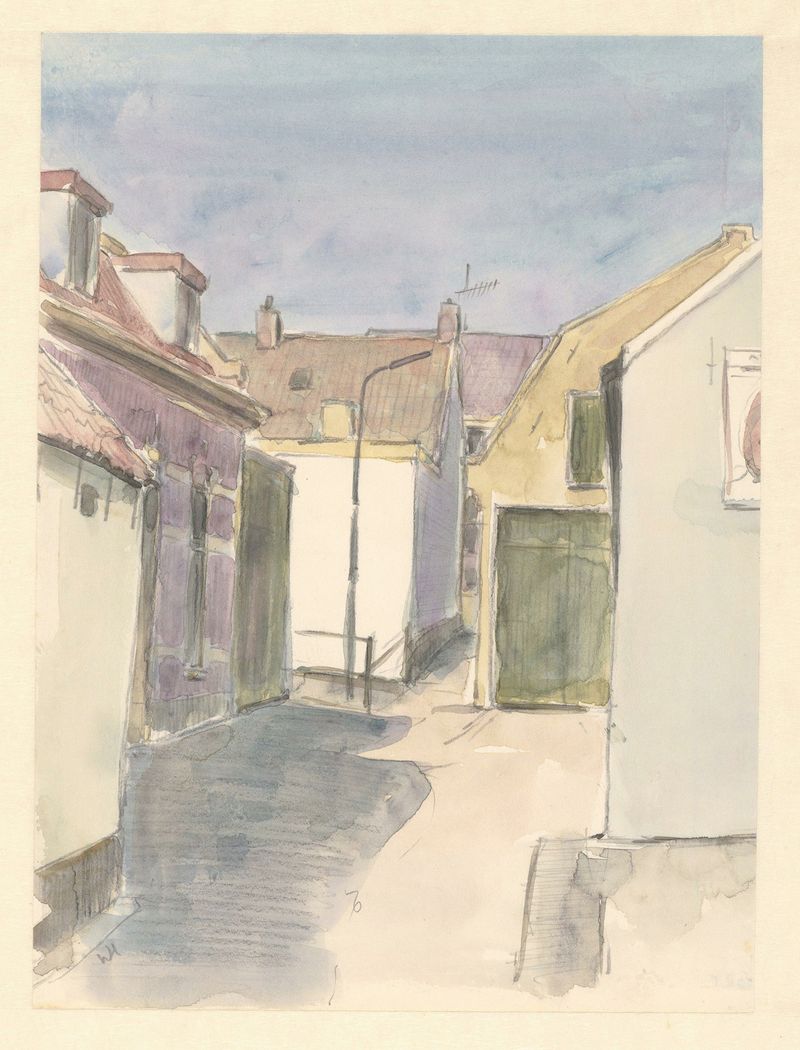
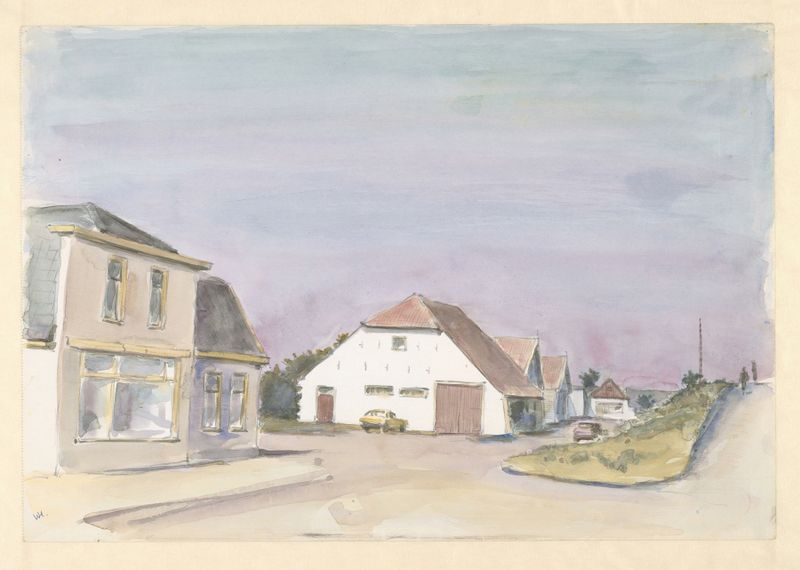
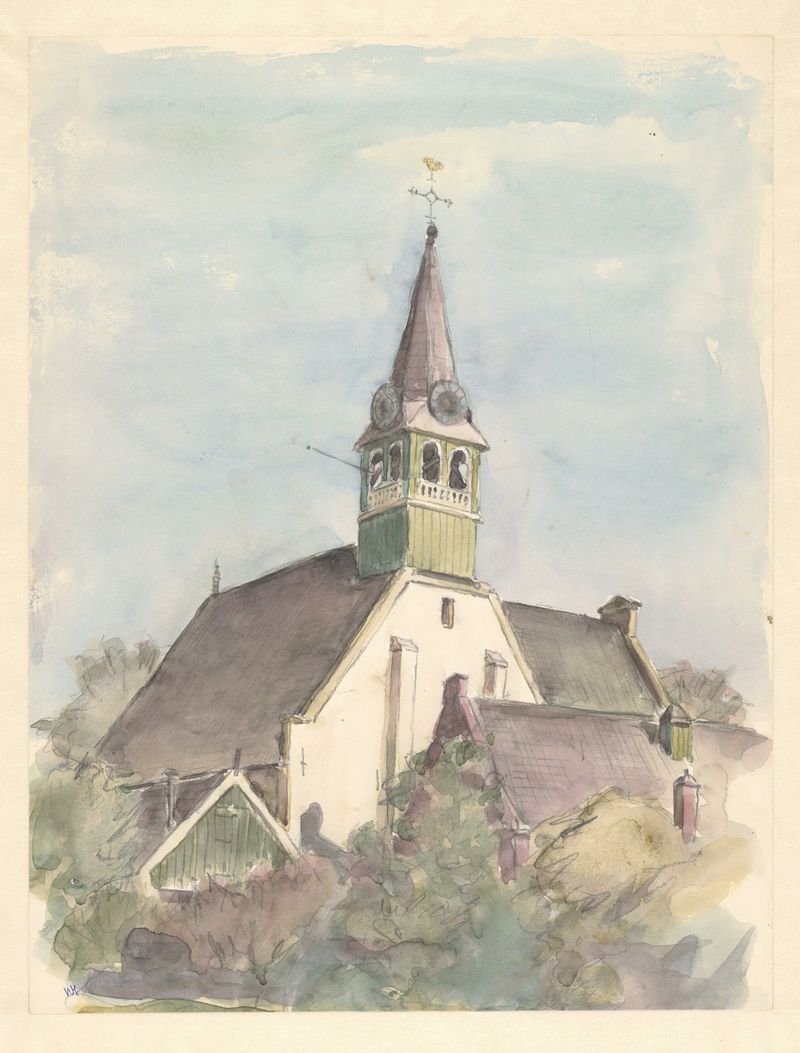
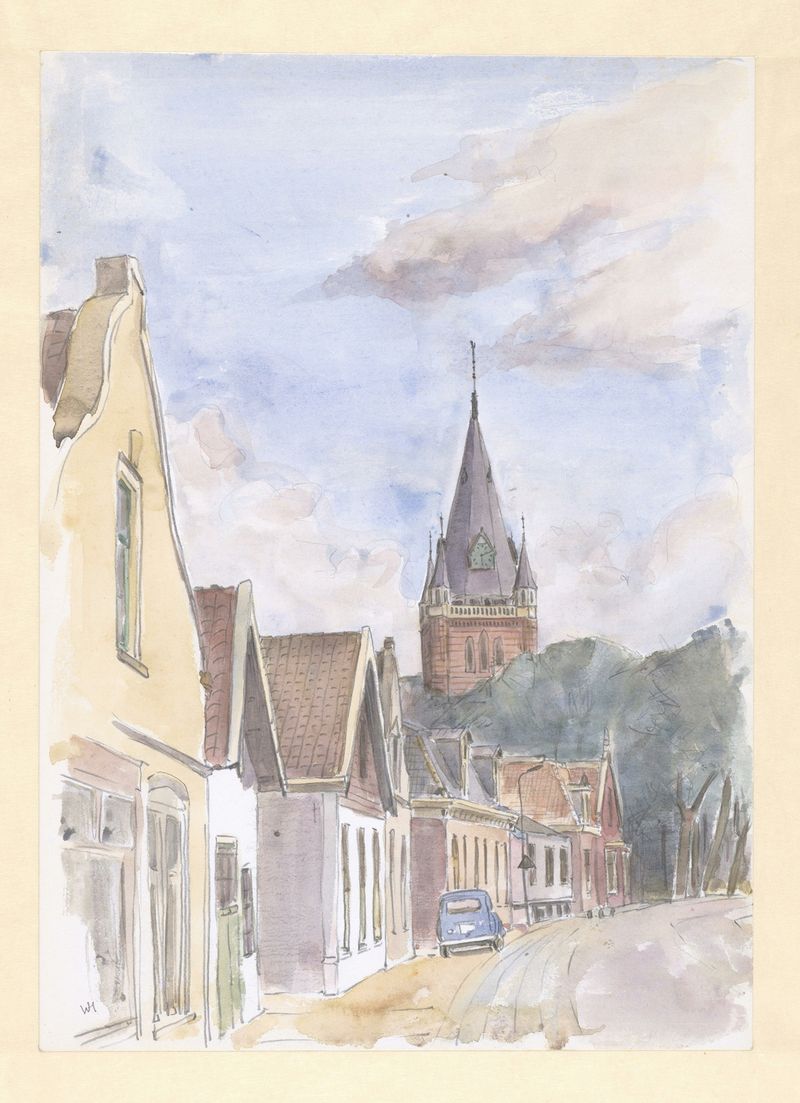
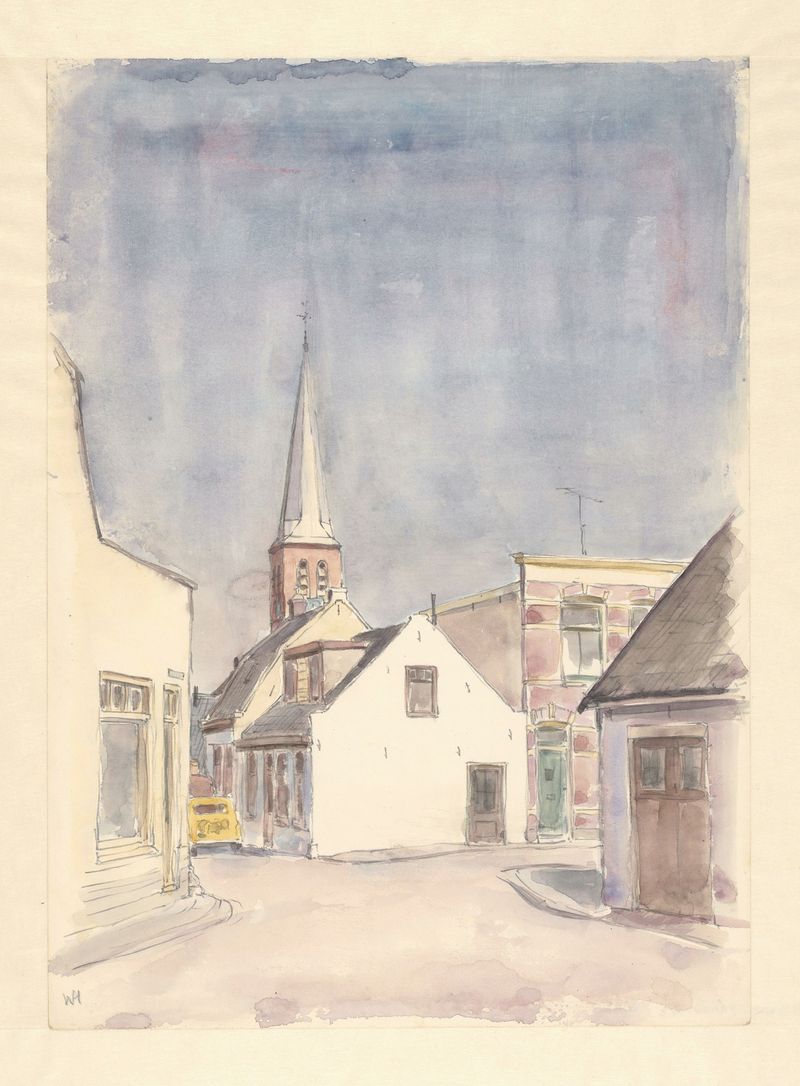
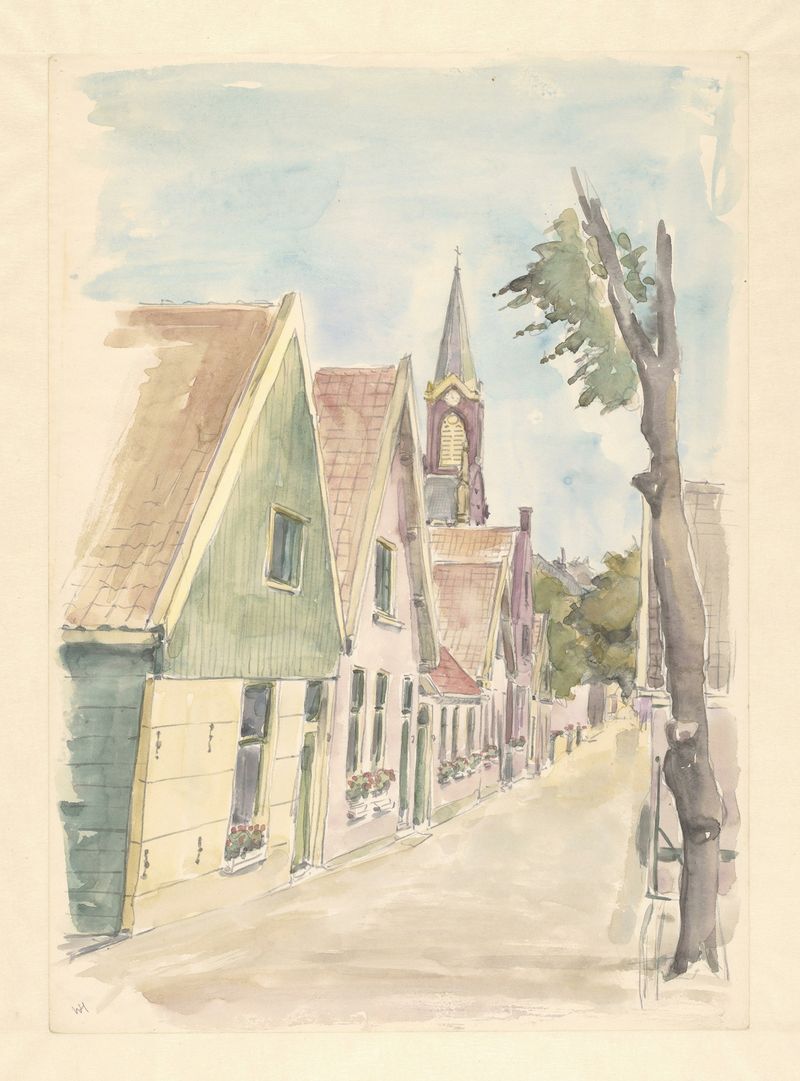
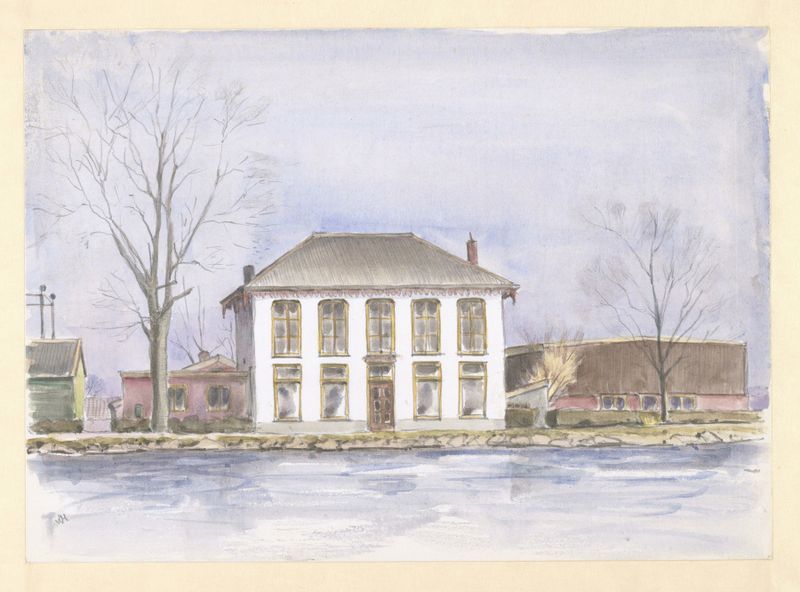
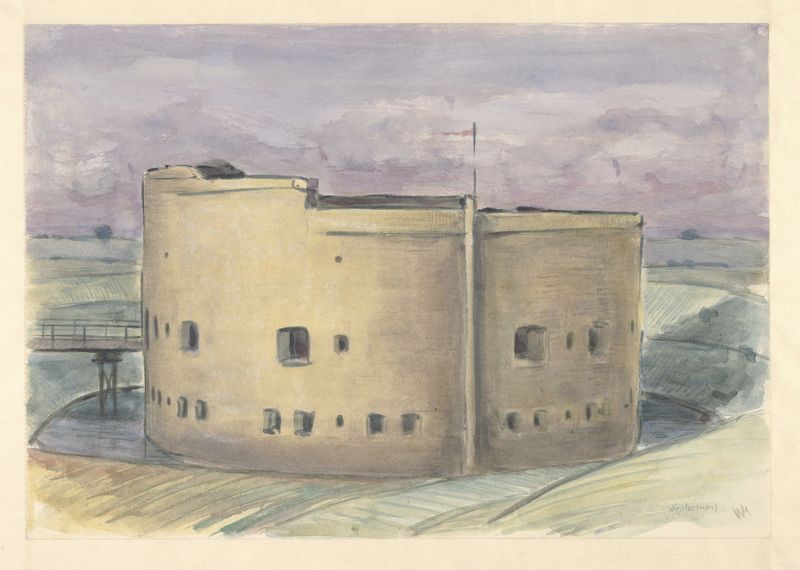
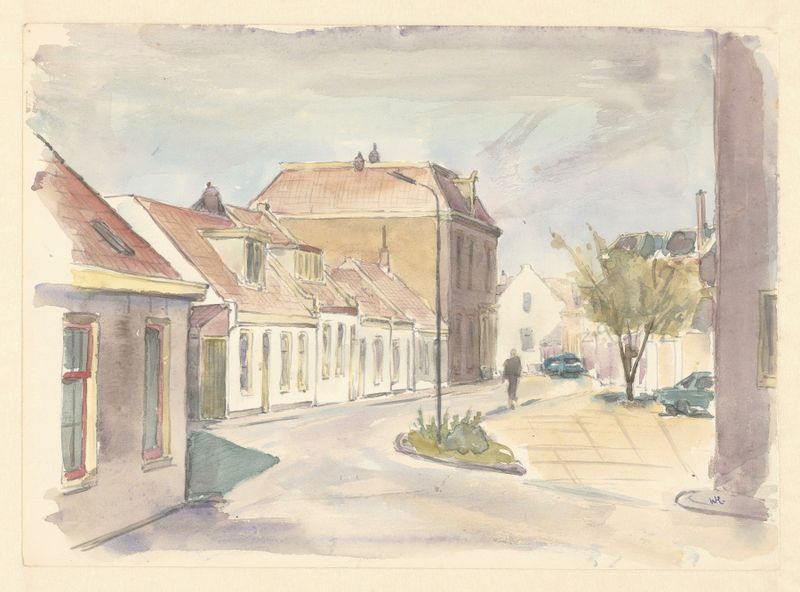
In Landscape, a contemplation of mortality unfurls, inviting viewers into a space where nature takes on a profound, silent dialogue with the soul. Look to the horizon, where soft hues of twilight blend seamlessly into darker shades, a gradient that mirrors the passage of time. Notice how the trees stand sentinel, their silhouettes etched against the fading light, while a gentle stream winds through the foreground. The brushwork is both deliberate and fluid, embodying a sense of life’s transience, as vibrant greens interlace with an emerging dusk that speaks to inevitable change.
Each stroke conveys a rhythm, echoing the pulse of the landscape itself. Delve deeper, and you’ll discover the subtle contrasts between light and shadow, representing the duality of existence. The verdant pastures bask in the warmth of the setting sun, while the encroaching darkness hints at the lurking specter of loss. Here, nature is not merely a backdrop but a living entity that holds memories within its folds, emphasizing the beauty found in fleeting moments.
The stillness of the scene invites introspection, evoking a sense of wistfulness intertwined with the appreciation of life. During the 20th century, the artist explored themes of existence and nature's impermanence in his works. At that time, societal upheaval and the quest for meaning heavily influenced many artists, pushing them to delve into introspective narratives. For Hagemans, this exploration culminated in Landscape, capturing an essence that resonates with the realities of life and death, urging viewers to reflect on their own fleeting experiences.