Landscape — History & Facts
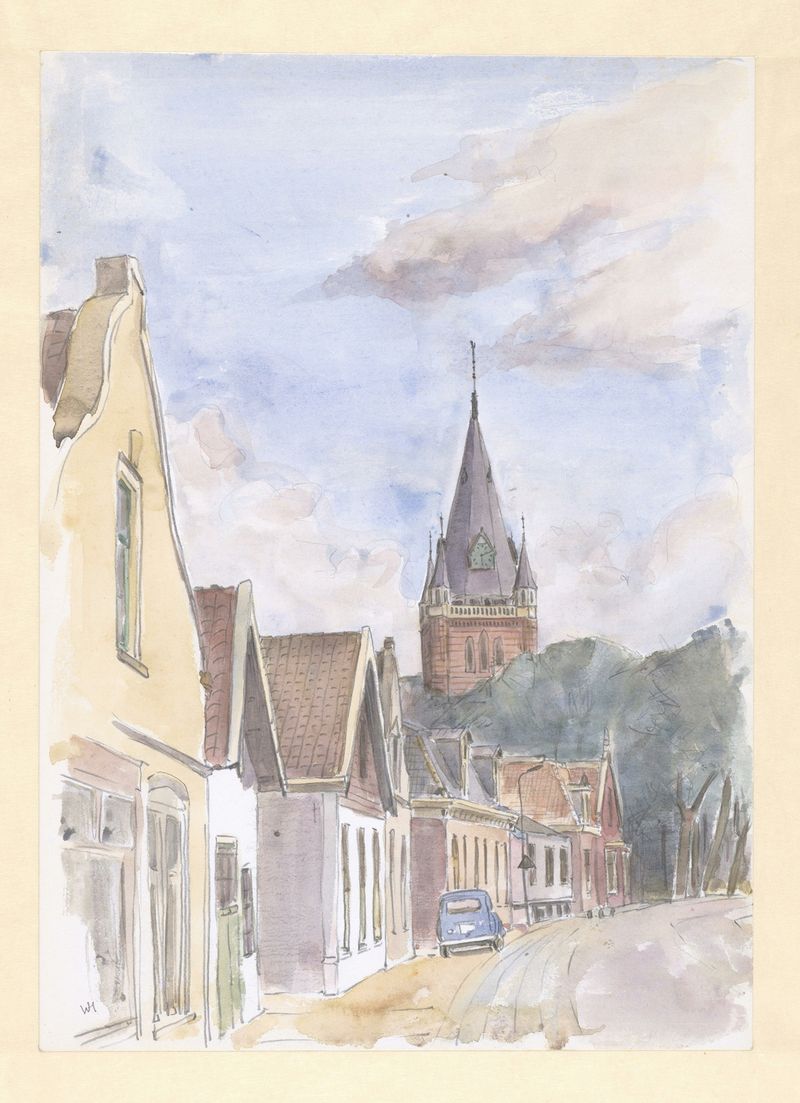
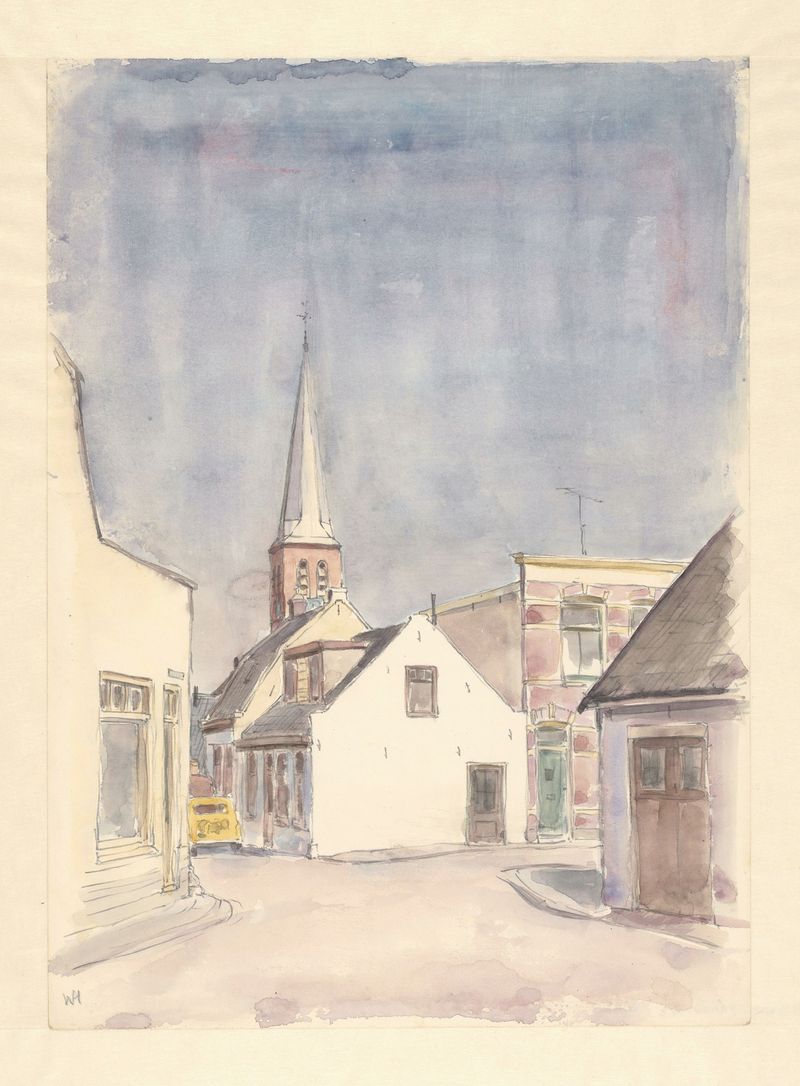
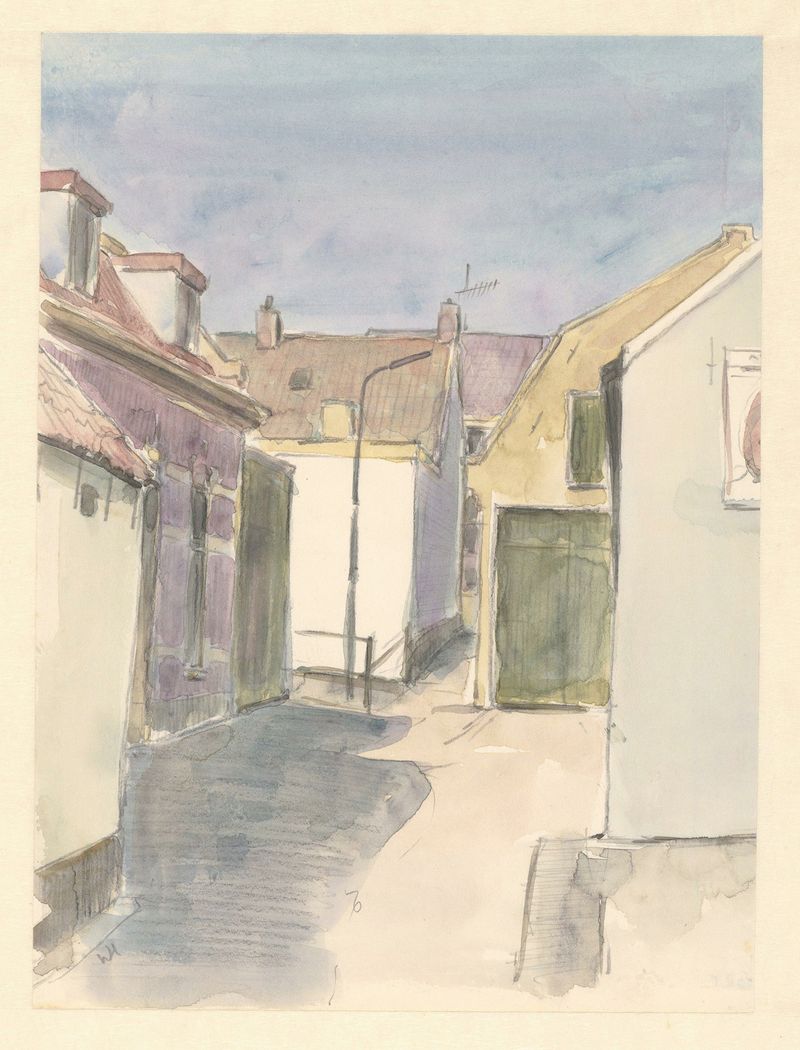
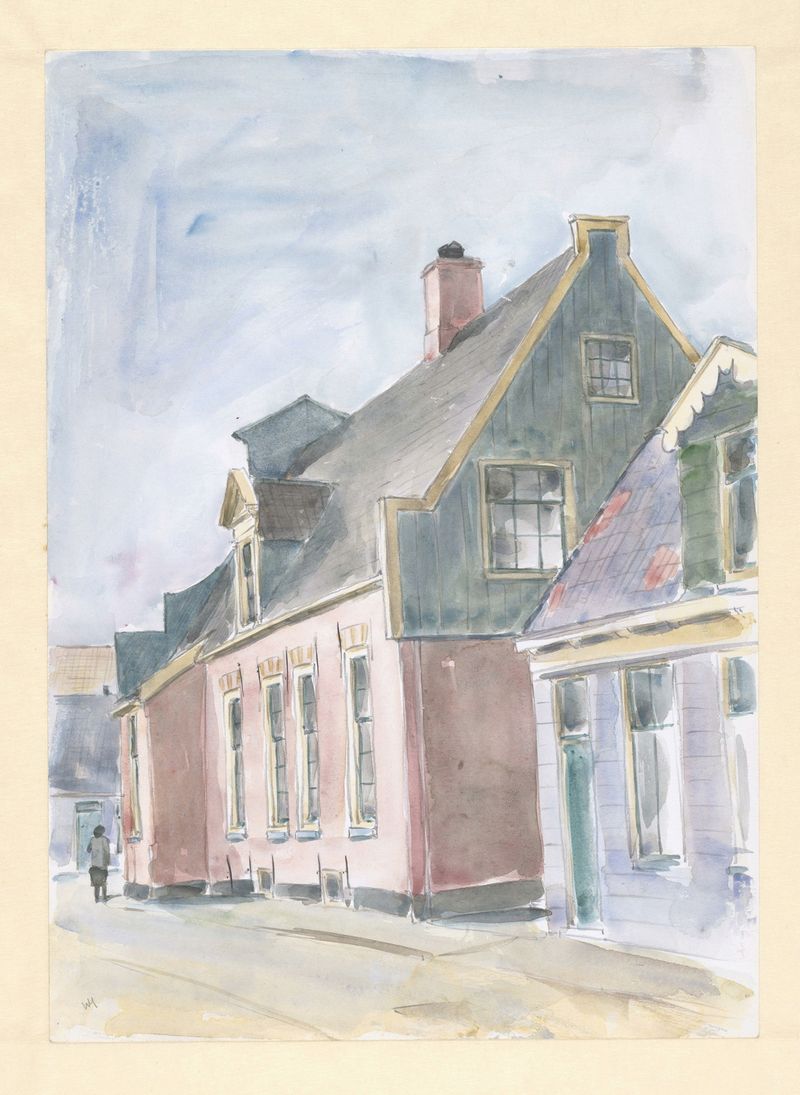
In the realm of artistic obsession, Landscape stands as a testament to the power of nature infused with personal memory. This canvas reveals the complexities of time and human connection, inviting viewers into an emotional landscape that transcends mere representation. Look to the foreground where jagged hills rise dramatically against a backdrop of swirling clouds. The earth tones, with their subtle variations of browns and greens, pulse with life, while patches of light filter through the tempestuous sky.
Notice how brushstrokes create a sense of movement; the dynamism of the clouds contrasts beautifully with the grounded, sturdy formations of the land. Each stroke captures not just scenery but also the artist's intimate dialogue with his environment. Delve deeper and you’ll find hidden tensions woven throughout the piece. The calmness of the land juxtaposes the chaotic sky, suggesting an internal struggle between stability and turmoil.
Flecks of vibrant color tucked among the muted hues hint at moments of joy and revelation amidst despair. This interplay of shades reflects an obsession—an artist’s need to encapsulate fleeting moments and emotions that may otherwise slip away unnoticed. Wim Hagemans painted Landscape during the late 20th century, a period marked by a growing interest in personal narratives within the art world. Living in a time where abstraction was gaining momentum, he sought to ground his work in the tangible, yet emotional landscapes of his own experiences.
His approach reflected a broader movement towards introspection, as artists began to explore their relationships with the world around them in increasingly personal ways.