Landscape — History & Facts
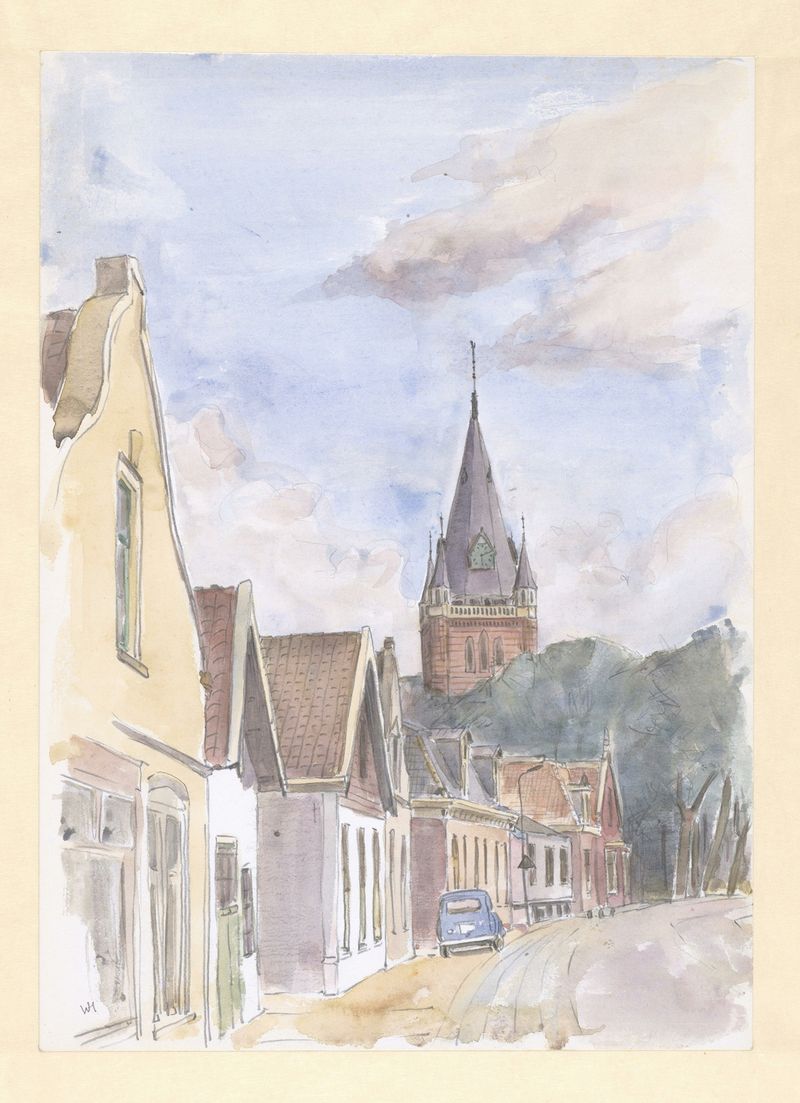
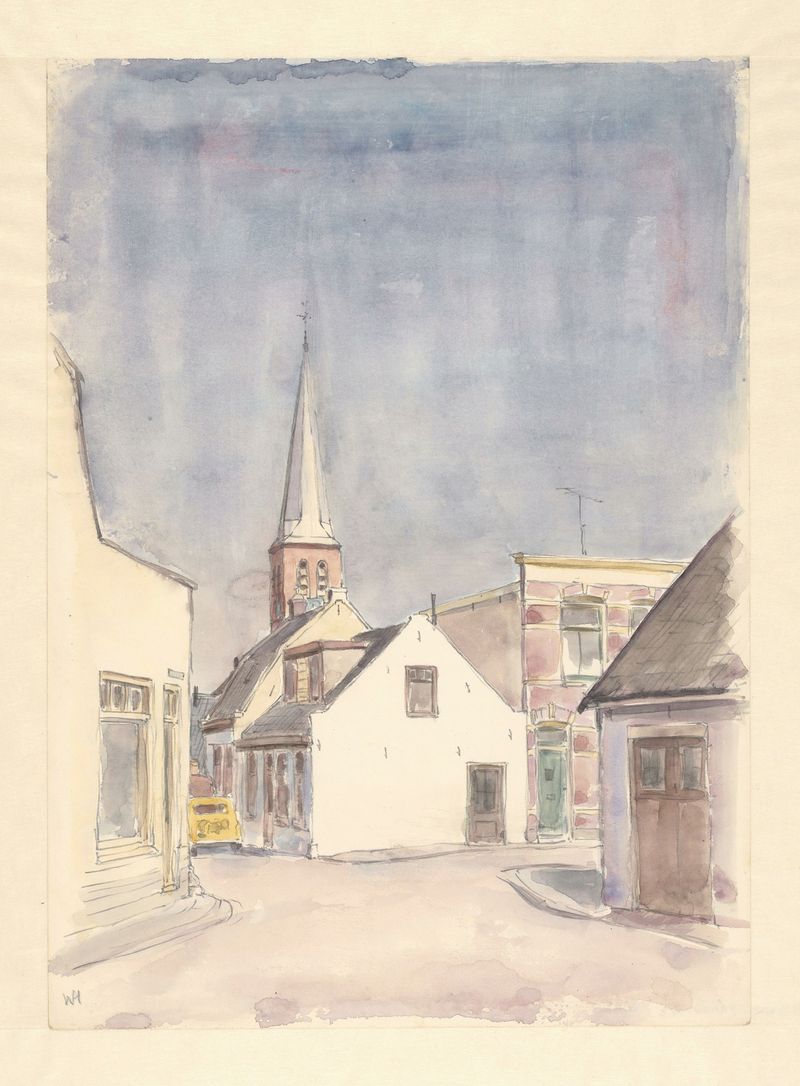
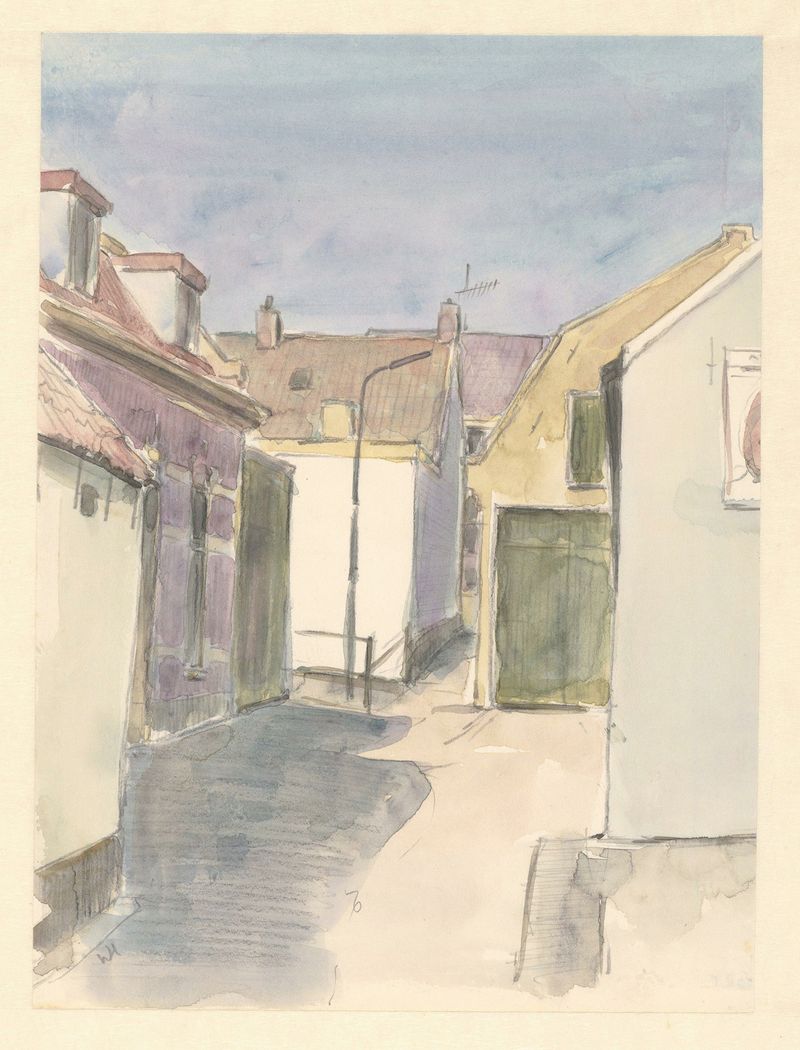
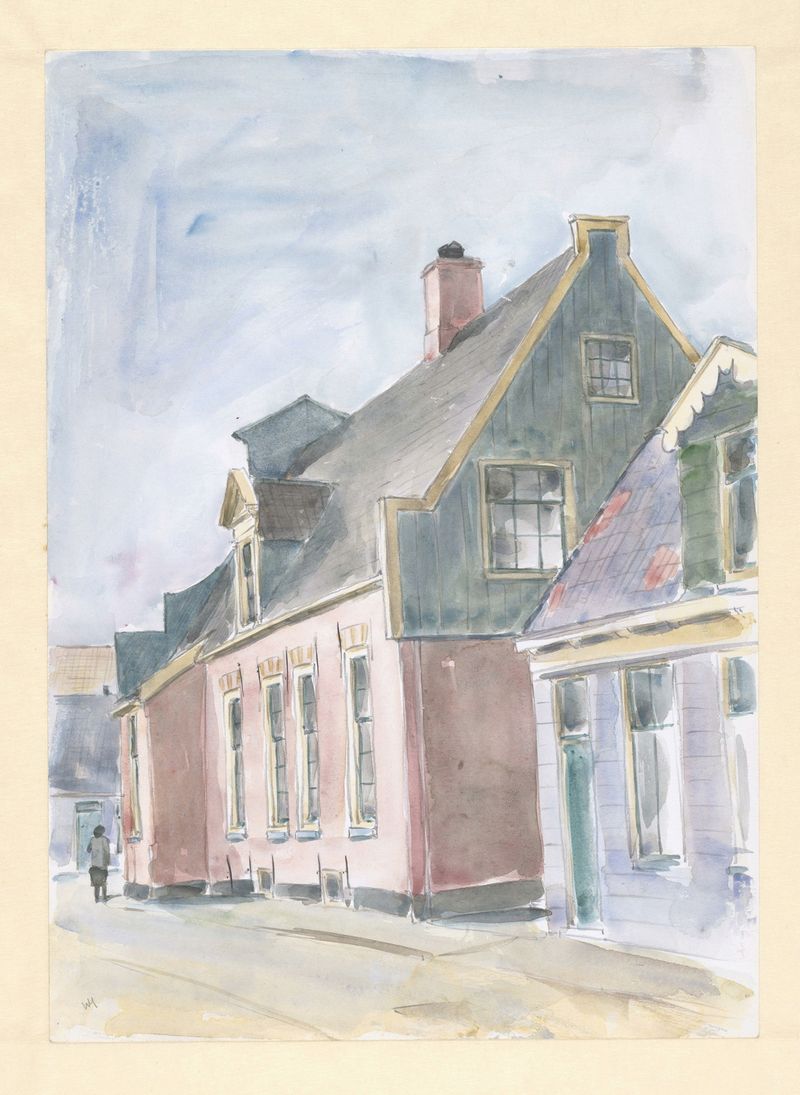
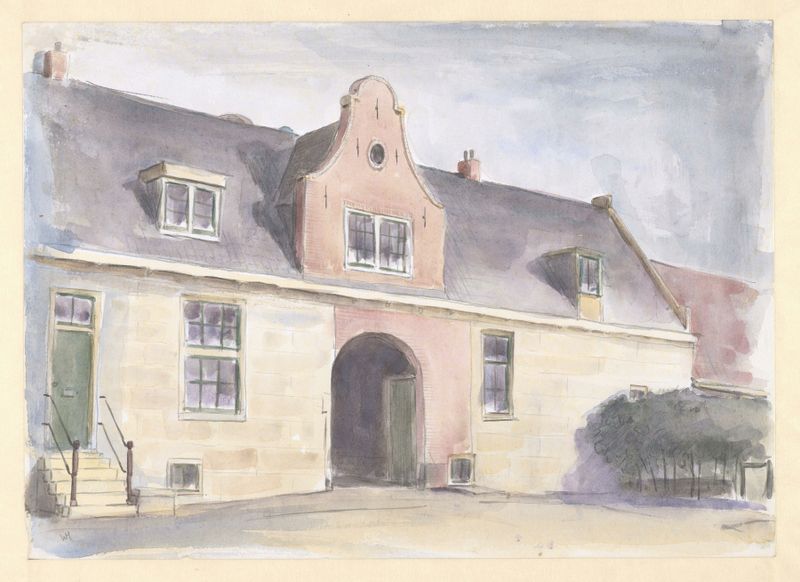
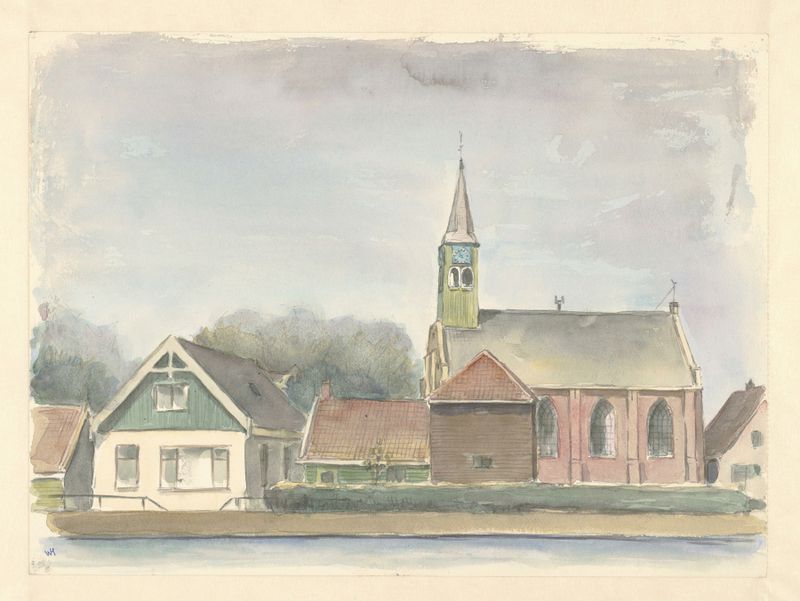
Where does light end, and longing begin? In the vastness of an unbroken horizon, an ethereal dance unfolds – a delicate balance between the tangible and the intangible, stirring a deep sense of hope. Look to the center of the canvas, where soft, inviting hues of amber and gold mingle effortlessly with cooler blues and greens. The light cascades gently across the landscape, creating a gradient that draws the eye towards an unseen source. Notice how the brushstrokes are both fluid and deliberate, suggesting a world alive with movement yet infused with tranquility.
Each layer of color whispers of the possibilities that lie beyond the edge of the known. Yet, the painting carries within it a deeper emotional weight. The juxtaposition of light and shadow symbolizes the constant interplay of hope and uncertainty in life's journey. The subtle gradations reflect a transient beauty, while the expansive sky conveys a sense of yearning for something just out of reach—a dream forever on the horizon.
It evokes the idea that every moment of stillness is accompanied by the quiet thrum of desire, an unfulfilled promise that invites introspection. Wim Hagemans created this work in the 20th century, a period marked by rapid artistic experimentation across Europe. Living in Belgium during a time of social and political upheaval, he sought to capture the essence of the natural world while also addressing the complexities of human emotion. This painting emerged from a desire to translate the intangible feelings of hope into a visual language, reflecting both personal and collective aspirations in a world filled with uncertainty.